
Best Beach Cities in the USA: Where to Go for Sand and Sun
 Aug, 20 2026
Beach City Matchmaker
Select your priorities below to discover which coastal city fits your travel style perfectly.
There is no single winner when you ask which city has the nicest beaches in the USA. The answer depends entirely on what you value: white sand or rocky cliffs, warm water or cool breeze, party vibes or quiet solitude. If you want turquoise water and palm trees, you are looking at Florida or Hawaii. If you prefer dramatic landscapes and a lively urban scene, California is your pick. Let’s break down the top contenders so you can choose the destination that fits your travel style.
The Top Contenders for Best US Beaches
To understand why certain cities stand out, we need to look at specific coastal hubs. Each offers a distinct experience based on geography, climate, and local culture. Here are the four main players in the game of American beach tourism.
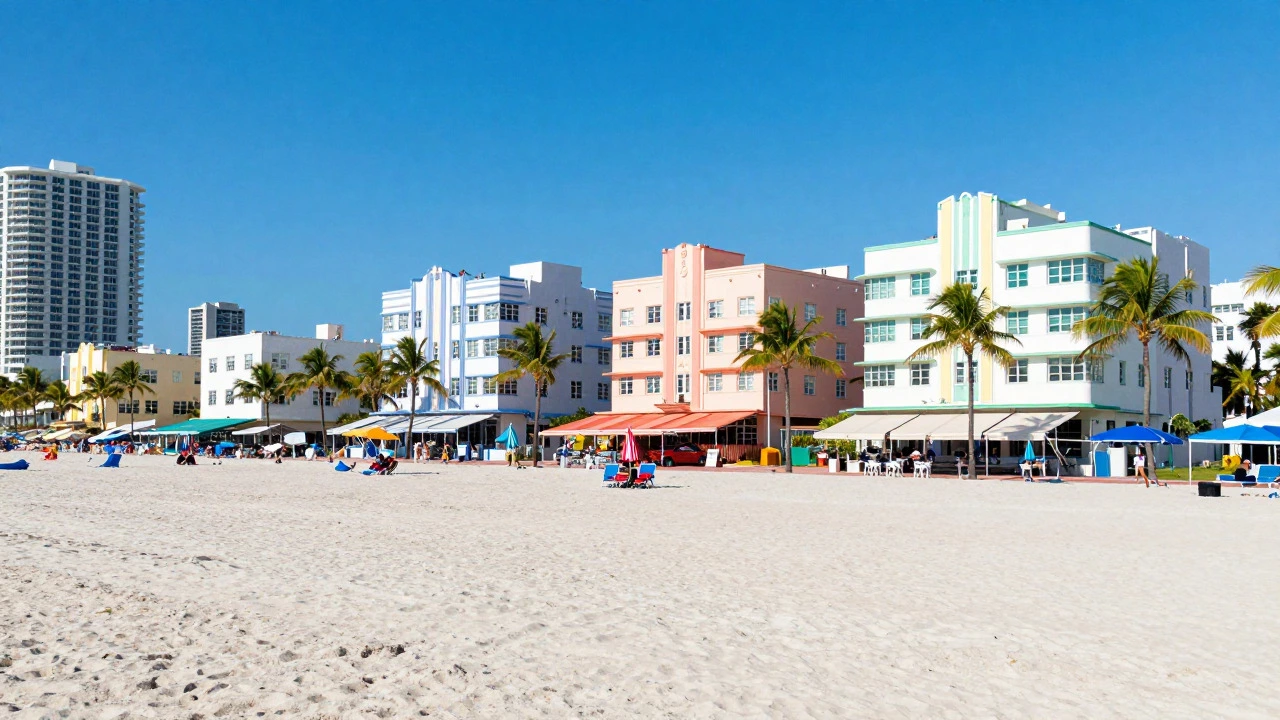
- Miami, a vibrant metropolis on Florida's Atlantic coast known for its Art Deco architecture and year-round warmth: Offers consistent sunshine, diverse dining, and easy access to both ocean and bay beaches.
- Santa Monica, a bustling neighborhood in Los Angeles featuring a famous pier, boardwalk, and direct access to Pacific Ocean swimming spots: Provides an urban beach experience with high energy, nightlife, and iconic views.
- Honolulu, the capital of Hawaii located on Oahu island, serving as the gateway to Waikiki Beach and other volcanic coastlines: Delivers tropical paradise aesthetics, clear waters, and unique cultural experiences.
- San Diego, a major city in Southern California bordering Mexico, renowned for its mild climate and extensive network of public parks along the coast: Balances family-friendly amenities with natural beauty and outdoor activities.
Why Miami Leads in Consistency
If your definition of "nice" includes water temperature above 75°F (24°C) almost every day of the year, Miami Beach is hard to beat. The Gulf Stream warms the Atlantic waters here, making it one of the few places in the continental US where you can swim comfortably in January. The sand is fine and light-colored, stretching for miles along the barrier island. While the crowds can be intense during summer and spring break, the infrastructure is world-class. You have lifeguards, showers, and plenty of restaurants within walking distance. It is not just about the sand; it is about the ecosystem of leisure that surrounds it. For travelers who want a reliable sun guarantee without leaving the mainland, this is the benchmark.
The Urban Appeal of Santa Monica
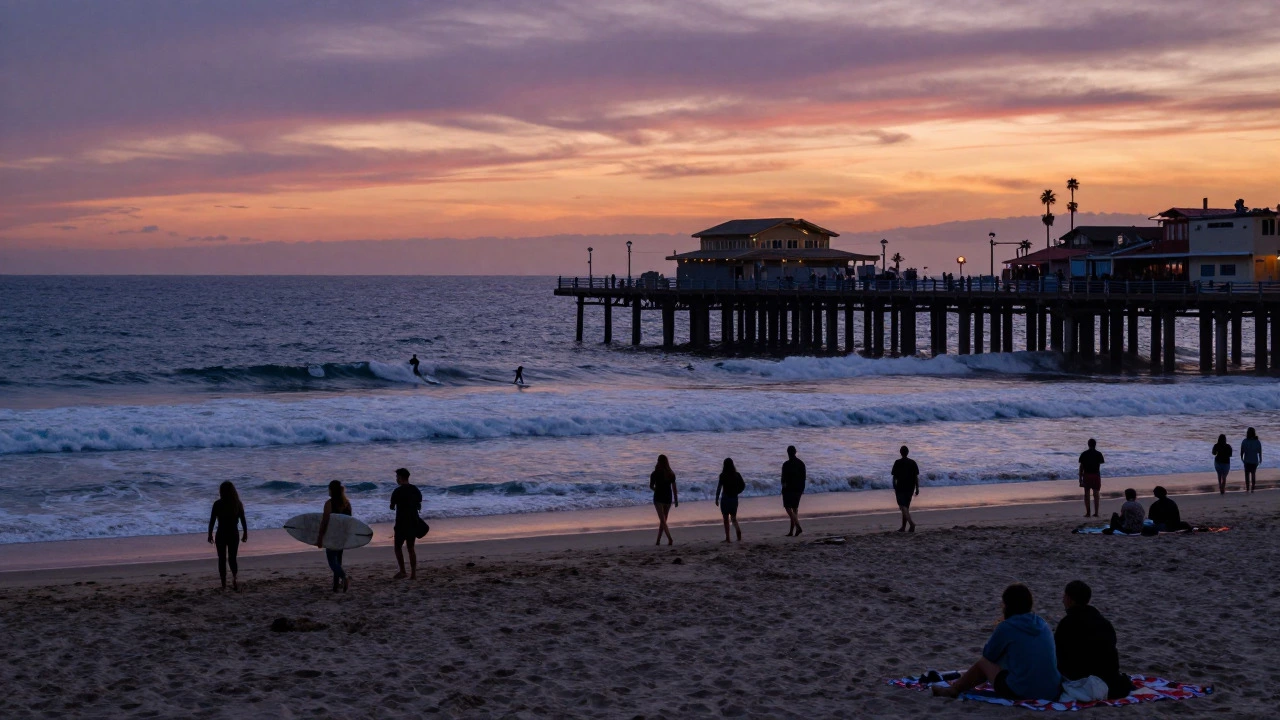
On the West Coast, Santa Monica Beach takes a different approach. The water is famously cold, often dipping below 60°F (15°C), which keeps the swimmers away from the deep end and the surfers near the shore. But the appeal here is the atmosphere. The long wooden pier extends into the Pacific, offering fishing, amusement rides, and sunset views. The boardwalk is always busy, filled with joggers, skateboarders, and tourists. This is a beach you go to watch people as much as to enjoy the sea. If you like the idea of grabbing a burger after a quick dip and then heading to a concert or movie, this urban hub fits the bill perfectly. It is less about pristine isolation and more about the buzz of city life meeting the ocean.
Tropical Paradise in Honolulu
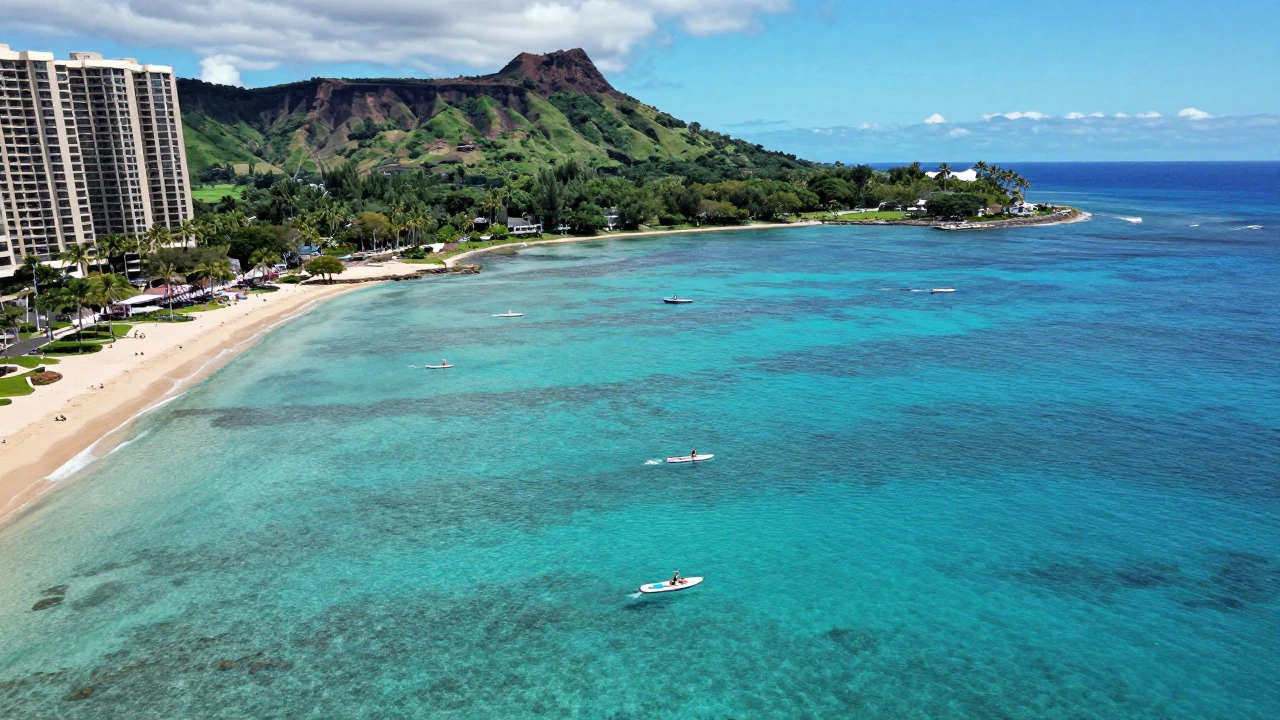
When people dream of the ultimate beach holiday, they usually picture Waikiki Beach in Honolulu. The water is crystal clear, thanks to the reef that protects the bay, creating calm conditions ideal for snorkeling and paddleboarding. The backdrop of Diamond Head volcano adds a dramatic touch that flat coastal cities lack. However, the trade-off is cost and accessibility. Flights to Hawaii are expensive, and accommodation prices spike during peak seasons. Yet, for those seeking a true tropical escape with lush greenery and warm currents, nothing else in the US matches this combination. It is a different league entirely because it is an island chain in the middle of the Pacific, offering a level of seclusion and natural beauty that mainland coasts struggle to replicate.
San Diego: The Family Favorite
San Diego often gets overlooked by those chasing the most exotic scenery, but it wins on practicality. The city boasts over 70 miles of coastline, giving you options. Mission Bay is calm and protected, perfect for families with young children, while La Jolla Cove offers rocky coves and abundant marine life for snorkelers. The weather is consistently mild, avoiding the extreme heat of Florida or the fog of Northern California. It feels relaxed, less commercialized than Miami or Santa Monica, and offers a genuine sense of community. If you want a beach trip that doesn’t feel like a theme park, San Diego provides a balanced mix of nature and urban convenience.
| City | Avg Summer Water Temp | Sand Type | Primary Vibe | Best For |
|---|---|---|---|---|
| Miami | 83°F (28°C) | Fine White | Vibrant & Warm | Swimming, Nightlife |
| Santa Monica | 68°F (20°C) | Coarse Golden | Urban & Active | Surfing, Dining |
| Honolulu | 79°F (26°C) | Fine Volcanic | Tropical & Relaxed | Snorkeling, Culture |
| San Diego | 65°F (18°C) | Medium Gold | Family-Friendly | Outdoor Activities |
Choosing Based on Your Priorities
Your choice should hinge on three factors: water temperature, crowd tolerance, and activity preference. If you must swim without a wetsuit, eliminate the California options and focus on Florida or Hawaii. If you dislike large crowds, avoid Miami Beach in July and consider the quieter stretches of San Diego or the North Shore of Oahu. If you want a social scene, Santa Monica and Miami offer the densest concentrations of bars, clubs, and restaurants right on the sand. There is no objective "best," only the best fit for your specific holiday goals. Consider whether you want to relax in a hammock, chase waves on a surfboard, or simply walk along the shoreline with a coffee in hand. Each city excels at one of these modes.
Practical Tips for Your Trip
Regardless of which city you choose, a few practical points will enhance your experience. First, check the local tide charts, especially if you plan to explore rocky areas like La Jolla or parts of the Oregon coast. Second, pack layers even for warm destinations; ocean breezes can make evenings chilly. Third, respect local regulations regarding glass bottles and sunscreen ingredients, particularly in Hawaii where coral reef protection laws are strict. Finally, book accommodations early for peak seasons (December-April for Florida/Hawaii, June-August for California) to secure better rates and availability. Planning ahead ensures that your focus remains on enjoying the beach, not stressing over logistics.
Which US city has the warmest beach water?
Miami typically has the warmest water due to the Gulf Stream influence, averaging around 83°F in summer. Key West, Florida, is also extremely warm but is technically part of Monroe County rather than a major city center.
Is Santa Monica Beach good for swimming?
Yes, but the water is cold. Most swimmers use wetsuits or limit their time in the water. It is safer for casual swimming than some wilder Pacific spots, but strong currents can occur, so always swim near lifeguards.
What is the most beautiful beach in the USA?
Beauty is subjective, but Kaanapali Beach in Maui and Waikiki in Honolulu are frequently cited for their clarity and scenery. On the mainland, Black Beach in Santa Cruz, California, is noted for its unique dark volcanic sand and dramatic cliffs.
Can you visit multiple US beach cities in one trip?
Yes, driving tours are popular. The Pacific Coast Highway allows you to drive from San Diego to Santa Monica and further north. In Florida, the Overseas Highway connects Miami to Key West. These routes combine beach stops with scenic drives.
Are US beaches free to enter?
Most public beaches in the USA are free to access. However, parking fees apply in many locations, such as Santa Monica and parts of San Diego. Private resorts may charge for beach access, but public strips remain open to everyone.