
Best Summer Break Destinations for 2026: Where to Go This Season
 Jun, 4 2026
Summer Break Destination Matcher
Your Preferences
Adjust your preferences and click "Find My Destination" to discover where you should go in 2026.
You have exactly three weeks off. The bank account is looking a bit thin after the winter heating bills, but your spirit is screaming for sunshine. You open a browser tab, type in "best place to go on summer break," and suddenly you are paralyzed by choice. Should you chase the heat in Greece? Try something new in Portugal? Or just stay close to home and save the cash?
Here is the hard truth about traveling in July and August: everywhere popular is crowded, expensive, and hot. If you want a vacation that feels like a reset rather than a stress test, you need to look slightly outside the standard guidebook loop. The best summer break isn't always about the most famous landmark; it's about finding the right balance of weather, cost, and crowd density.
I’ve spent years analyzing travel trends, hotel pricing algorithms, and flight availability data. I live in Vancouver, which means I understand the desperate need for sun, but I also know how to spot value. Let’s cut through the noise and look at where you should actually be booking your tickets for the 2026 season.
The "Smart Sun" Strategy: Southern Europe Without the Chaos
If you are set on the classic Mediterranean experience, stop looking at Santorini or Mykonos. Those islands are beautiful, yes, but in mid-July they are essentially floating theme parks with lines for every bathroom. Instead, pivot to the lesser-known corners of Greece, specifically the island of Naxos.
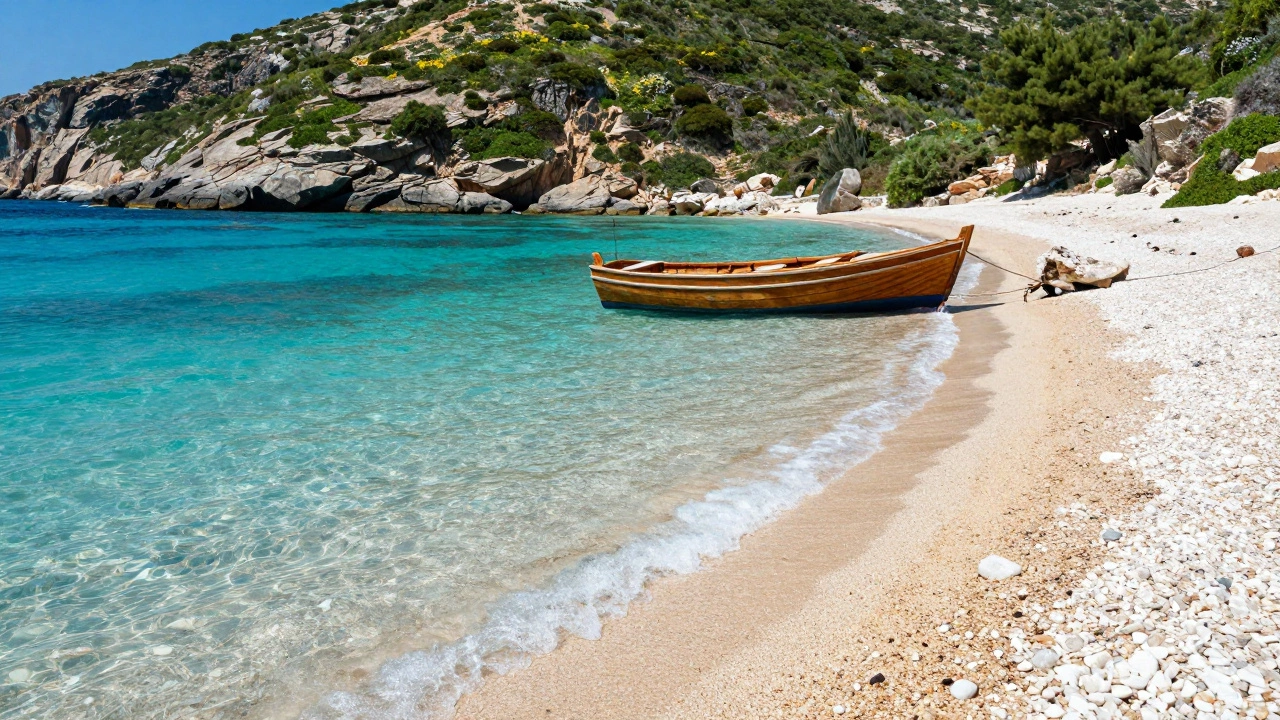
Naxos is larger than its neighbors, which means it has more space to absorb tourists. It has beaches that rival anywhere in the world, like Agios Prokopios, but it also has a robust local food scene that doesn’t rely solely on tourist markup. You can eat fresh seafood for under €15 if you sit at a taverna away from the main square. The ferry connections from Athens are frequent, and because it is less "Instagram-famous" than Crete or Rhodes, you still find quiet coves where you are the only person swimming.
Another strong contender is Albania. Known as the Riviera of the Balkans, this country is having a massive moment in 2026. Why? Because it offers the same limestone cliffs and turquoise water as Croatia, but at roughly half the price. A nice dinner in Ksamil might cost you what a single cocktail costs in Dubrovnik. The infrastructure is improving rapidly, with new hotels opening near Saranda and Vlora, making it accessible without sacrificing the rugged, unpolished charm that makes it special.
| Destination | Avg. Daily Cost (USD) | Crowd Level (July) | Best For |
|---|---|---|---|
| Naxos, Greece | $120 - $180 | Moderate | Beach lovers & Foodies |
| Ksamil, Albania | $70 - $110 | High (but manageable) | Budget travelers & Photography |
| Costa Brava, Spain | $150 - $220 | High | Culture & Coastal Hiking |
The Northern Escape: Cool Breezes and Green Landscapes
Not everyone wants to sweat through their clothes. If the idea of 35°C (95°F) heat makes you shudder, you need to look north. The best summer breaks for those seeking relief from the heat are in Scandinavia and the British Isles, but not the cities you expect.
Skip Oslo and Stockholm. They are wonderful, but pricey and busy. Instead, head to Lofoten Islands in Norway. Yes, it sounds cold, but in July, the midnight sun keeps temperatures around a pleasant 15-18°C (59-64°F). It is perfect for hiking, fishing, and kayaking. The light is magical-golden hour lasts all night. While Norway has a reputation for being expensive, you can mitigate this by staying in hytter (traditional cabins) and buying groceries from local markets rather than eating out for every meal. The scenery here is so dramatic that you will forget about the price tag.
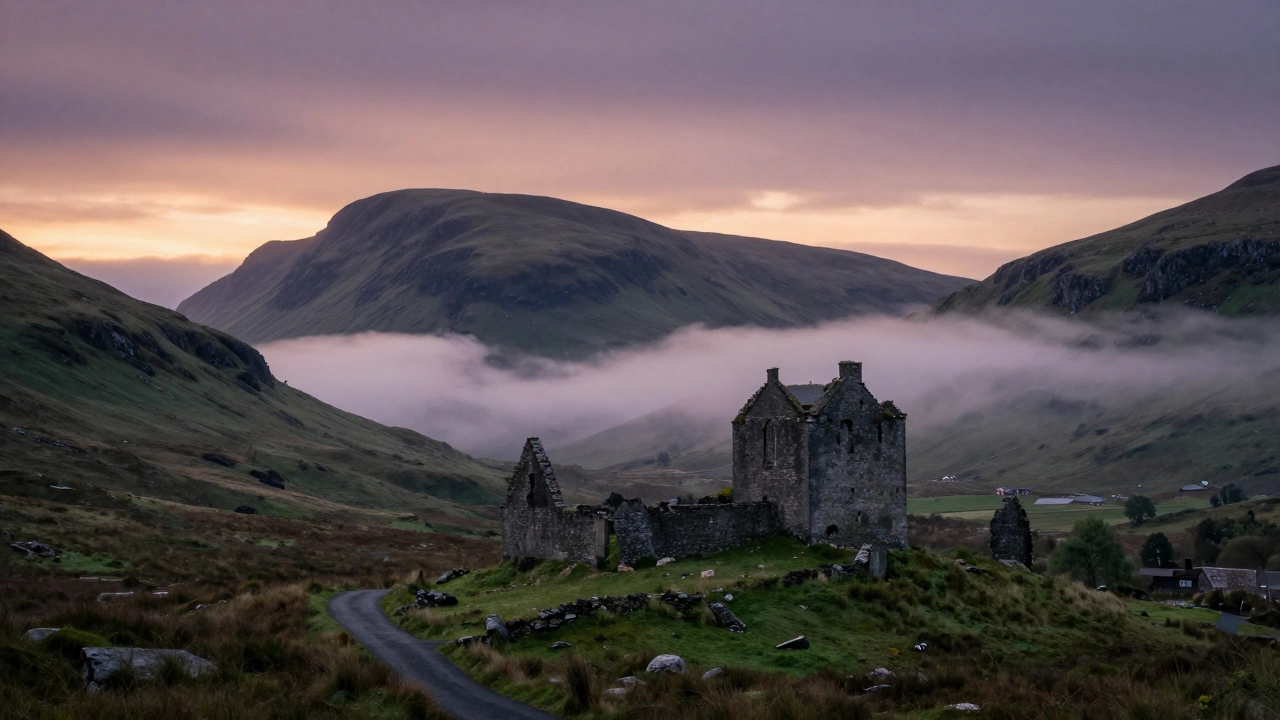
For a closer option, consider the Scottish Highlands. In summer, the days are incredibly long, giving you up to 18 hours of daylight to explore. Rent a car, drive the North Coast 500 route, and stay in budget-friendly hostels or glamping sites. The weather is unpredictable, so pack layers, but the reward is misty mountains, ancient castles, and zero crowds compared to southern Europe. It’s a visceral, green, wild experience that feels completely disconnected from the digital world.
Urban Culture on a Budget: Eastern Europe’s Rise
If your idea of a great break involves museums, street food, and nightlife, Western European capitals like Paris and London are likely to drain your wallet faster than you’d like. Enter Eastern Europe. Cities like Budapest, Hungary and Warsaw, Poland offer world-class culture at a fraction of the cost.
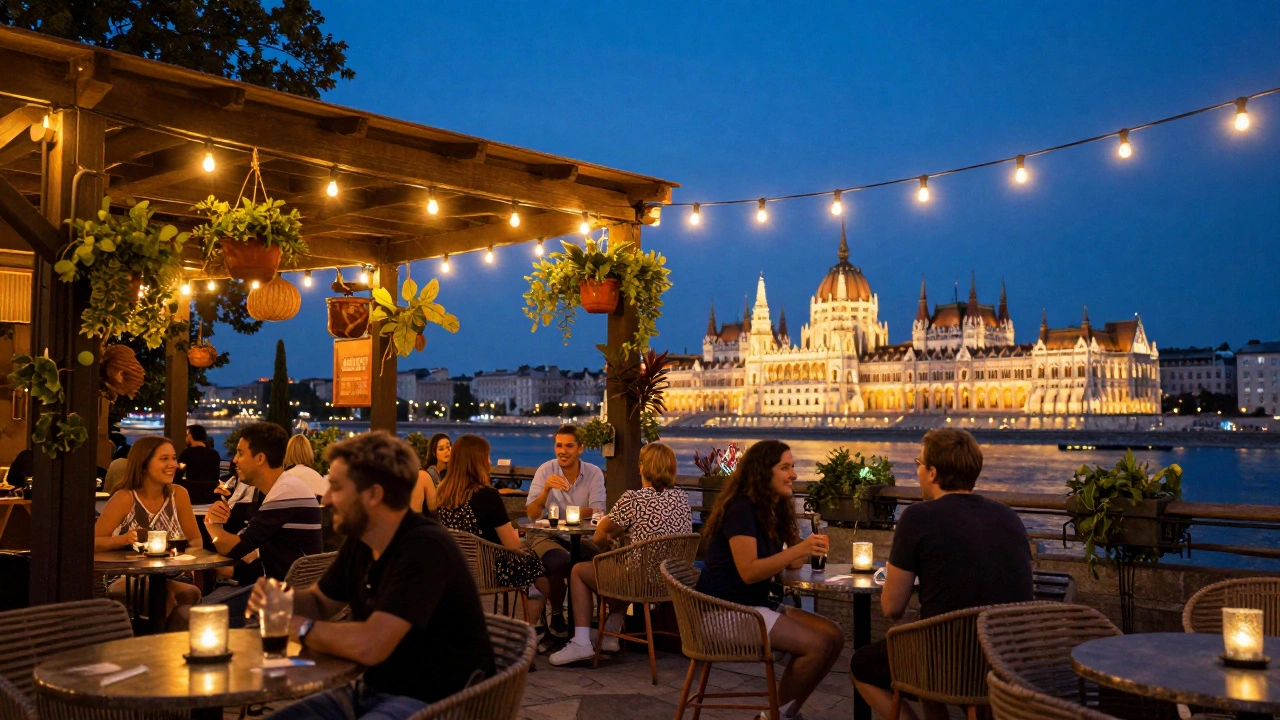
Budapest is often called the "Paris of the East" for good reason. The architecture is stunning, the thermal baths are relaxing (and cheap), and the ruin bars in the Jewish Quarter provide some of the best nightlife in Europe. A beer costs about $2-3 USD. A museum entry is under $10. You can easily spend a week here comfortably on a modest budget. The city is walkable, the public transport is efficient, and the food-from goulash to chimney cake-is unforgettable.
Warsaw is another gem that is frequently overlooked. After being rebuilt from the ashes of war, it stands as a testament to resilience. The Old Town is a UNESCO World Heritage site, and the city is surprisingly green with vast parks like Łazienki Park. It’s safe, clean, and vibrant. Plus, Poland is becoming a hub for tech and business tourism, meaning the infrastructure for visitors is top-notch. Flights into Warsaw Chopin Airport are often cheaper than into Prague or Vienna, especially if you book from major hubs in North America or Western Europe.
The Staycation Upgrade: Domestic Gems
Let’s talk about money. Sometimes, the best place to go is somewhere you don’t have to fly to. Flying accounts for nearly 30% of an average holiday budget. By eliminating that, you free up funds for better accommodation, dining, and experiences.
If you are in the UK, ignore London and Edinburgh. Look at the Yorkshire Dales. It’s less than two hours from Manchester or Leeds. You can rent a cottage with a wood-burning stove, hike through national park trails, and visit small villages like Grassington. It’s peaceful, scenic, and supports local businesses directly. Similarly, the Cornwall Coast offers British beach vibes without the jet lag. Book early for Cornwall, though, as it fills up fast.
For my readers in North America, consider the Pacific Northwest. From Vancouver, driving down the coast to Victoria or crossing into Washington State’s Olympic National Park is a breeze. You get rainforests, rugged coastlines, and mountain views. It’s a different kind of summer-lush, green, and temperate. No scorching heat, just comfortable exploration. And since you’re driving, you can carry cooler packs with homemade meals, keeping daily food costs low.
How to Choose: Your Personal Decision Matrix
Still stuck? Use this simple framework to narrow it down. Ask yourself three questions:
- What is your primary goal? Relaxation (beach), Adventure (hiking/cycling), or Culture (museums/food)?
- What is your budget ceiling? Be realistic. Include flights, accommodation, food, and activities. Don’t forget visa fees if applicable.
- How much tolerance do you have for crowds? Are you okay with shoulder-to-shoulder tourists, or do you need solitude?
If you said Beach + Moderate Budget + Low Crowd Tolerance, go to Naxos or Albania. If you said Adventure + High Budget + Low Crowd Tolerance, go to Lofoten. If you said Culture + Low Budget + High Crowd Tolerance, go to Budapest. If you said Relaxation + Low Budget + Any Crowd, stay domestic.
Booking Tips for 2026 Travelers
Timing is everything. The best deals for summer breaks are usually found between January and March. Airlines release schedules 11 months in advance, so mark your calendar for when flights for July 2026 drop. Set price alerts on apps like Google Flights or Skyscanner.
Also, consider the "shoulder season" edges. Late May and early June are often just as warm as July but significantly cheaper and quieter. September is the other sweet spot. If your break is flexible, shifting your dates by just one week can save you 20-30% on accommodation.
Finally, book accommodations that offer free cancellation. Plans change. Weather changes. Life happens. Having the flexibility to rebook if a storm hits or a work emergency arises is worth the slight premium on many booking platforms.
Is it too late to book summer holidays in June 2026?
It depends on your destination. For popular spots like Italy or Greece, June is quite late and prices will be high. However, for emerging destinations like Albania or parts of Eastern Europe, you can still find good rates. Always check for last-minute deals on flight aggregators, but be prepared to pay a premium for flexibility.
What is the cheapest European country to visit in summer?
As of 2026, Bulgaria, Romania, and Albania remain among the most affordable countries in Europe. You can find excellent accommodation and food for under $50 per day. Hungary and Poland are slightly more expensive but still very budget-friendly compared to Western Europe.
Are weekend getaways worth it for a summer break?
Yes, if you have limited time. Weekend getaways allow you to disconnect without using up your entire annual leave. Focus on locations within a 2-hour drive or short flight to maximize relaxation time. Domestic stays often provide the best ROI for weekends due to lower travel costs.
How can I avoid crowds during peak summer season?
Visit secondary cities instead of capitals. For example, choose Porto over Lisbon, or Krakow over Warsaw. Travel on weekdays if possible, and start your sightseeing early in the morning (before 9 AM) or late in the afternoon. Also, consider destinations that are gaining popularity but haven't reached saturation yet, like the Albanian Riviera.
What should I pack for a versatile summer trip?
Pack layers. Even in summer, evenings can be cool, especially near water or in northern regions. Essentials include lightweight breathable clothing, a compact rain jacket, comfortable walking shoes, sunscreen, and a reusable water bottle. Versatile pieces that mix and match will save luggage space.