
Best Ways to Travel Around the UK: A Tourist's Guide
 Aug, 16 2026
UK Travel Cost & Time Estimator
Route Details
Distance: -- kmSummary Analysis
Getting from London to Edinburgh without missing a beat is tricky. You have trains, buses, cars, and even ferries competing for your attention. The right choice saves you money, time, and that stressful feeling of being stuck in traffic on the M4. For most tourists visiting the UK, the answer isn't one single method; it’s a mix-and-match strategy based on where you are going and how much you want to spend.
Before you book anything, understand the core infrastructure. The backbone of UK travel is National Rail, the primary intercity rail network connecting major cities like London, Manchester, Birmingham, and Glasgow. It’s fast, comfortable, and often cheaper than flying if you book ahead. But there are other players in the game, each with its own strengths and weaknesses.
Key Takeaways
- Trains are the best balance of speed and comfort for city-to-city travel, especially if you book in advance.
- Buses (like National Express) are the cheapest option for long distances but take significantly longer.
- Rentals offer freedom for rural areas or coastal drives but come with parking and fuel costs.
- Always check off-peak times to save up to 50% on tickets.
- Use an Oyster card or contactless payment in London; don’t buy paper tickets there.
The Train: Your Fastest Friend
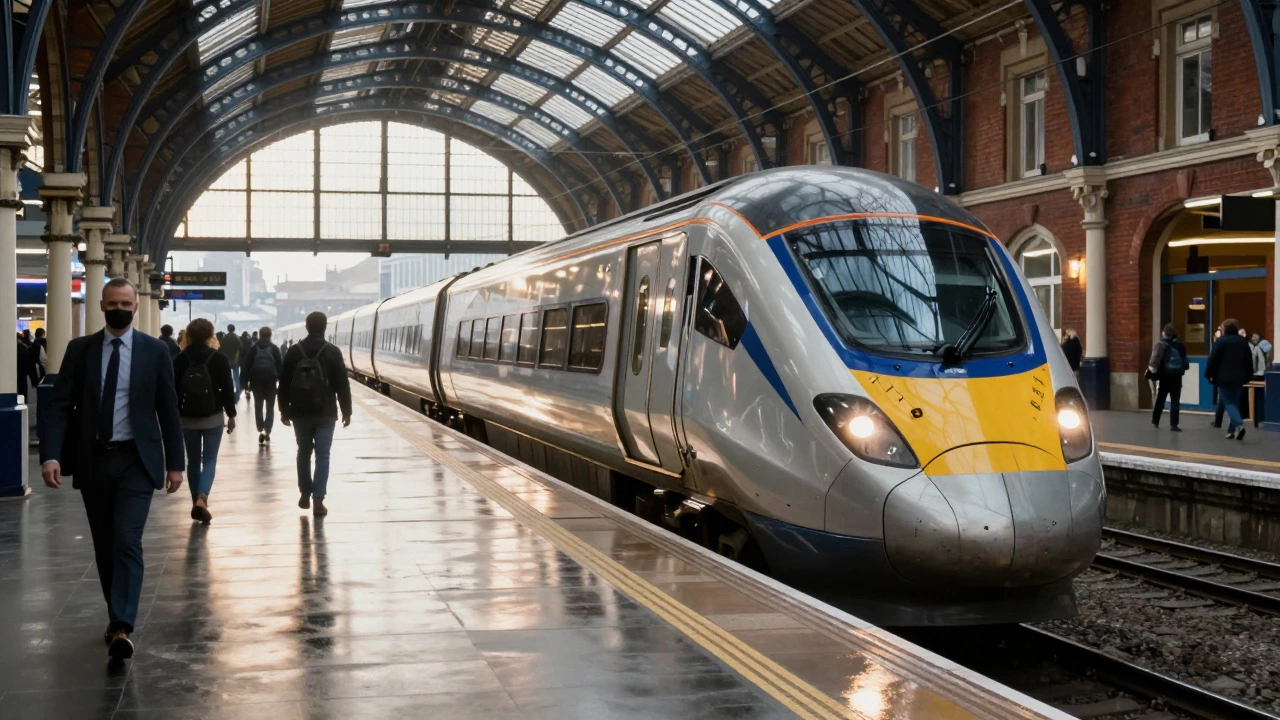
If you’re moving between major hubs-London to York, London to Bristol, or Manchester to Liverpool-trains are usually the winner. Why? Because you arrive in the city center, not an airport 20 miles away. Plus, no security lines, no baggage fees, and free Wi-Fi on most modern trains.
However, the pricing model can be confusing. There are two main types of tickets:
- Advance Tickets: These are non-flexible. You must travel on the specific date and time you booked. They are significantly cheaper, sometimes as low as £10-£20 for a journey that costs £80+ at full price. Book these 30-60 days in advance.
- Off-Peak/Anytime Tickets: These are flexible. You can change your plans without penalty. They cost more upfront but save you stress if your itinerary shifts.
Pro tip: Use apps like Trainline or the official operator sites (LNER, GWR, Avanti West Coast) to compare prices. Avoid buying tickets at the station unless it’s an emergency; prices are almost always higher.
Buses: The Budget Alternative
Let’s talk about National Express, a major coach operator providing long-distance bus services across the UK and Europe. If your budget is tight and your schedule is loose, coaches are unbeatable. A trip from London to Edinburgh might cost you £25 by bus versus £70 by train.
But here’s the catch: time. That same journey takes 9-10 hours by bus compared to 4.5 hours by train. Coaches are great for overnight trips because you sleep while you travel, saving on accommodation. Just make sure the seats recline properly and bring a neck pillow. Most coaches now have Wi-Fi and power outlets, so you can work or watch movies en route.
Rental Cars: Freedom vs. Friction
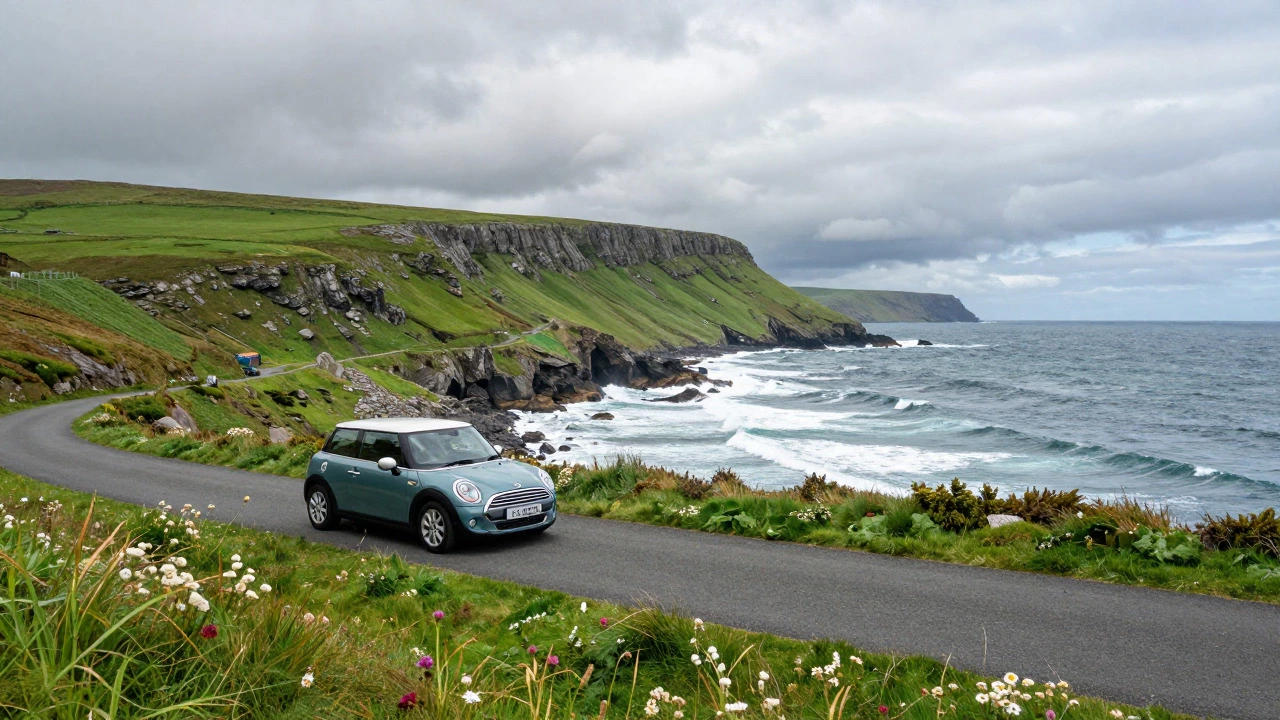
Do you need a car? Only if you plan to visit rural Scotland, the Lake District, or remote parts of Wales. Trains and buses stop at major towns, but they rarely go deep into the countryside.
If you rent a car, keep these things in mind:
- Parking: City centers like London, Edinburgh, and Cardiff have expensive, limited parking. Consider staying outside the center and taking a train in.
- Fuel: Prices fluctuate, so fill up when you see a cheap station. Petrol (gasoline) and diesel are different fuels; check your rental agreement.
- Driving Side: Remember, you drive on the left. Roundabouts go clockwise. It takes a few days to adjust, so drive cautiously.
For short stays in big cities, skip the car entirely. Public transport is efficient, and walking is often faster than finding parking.
London-Specific Transport Tips
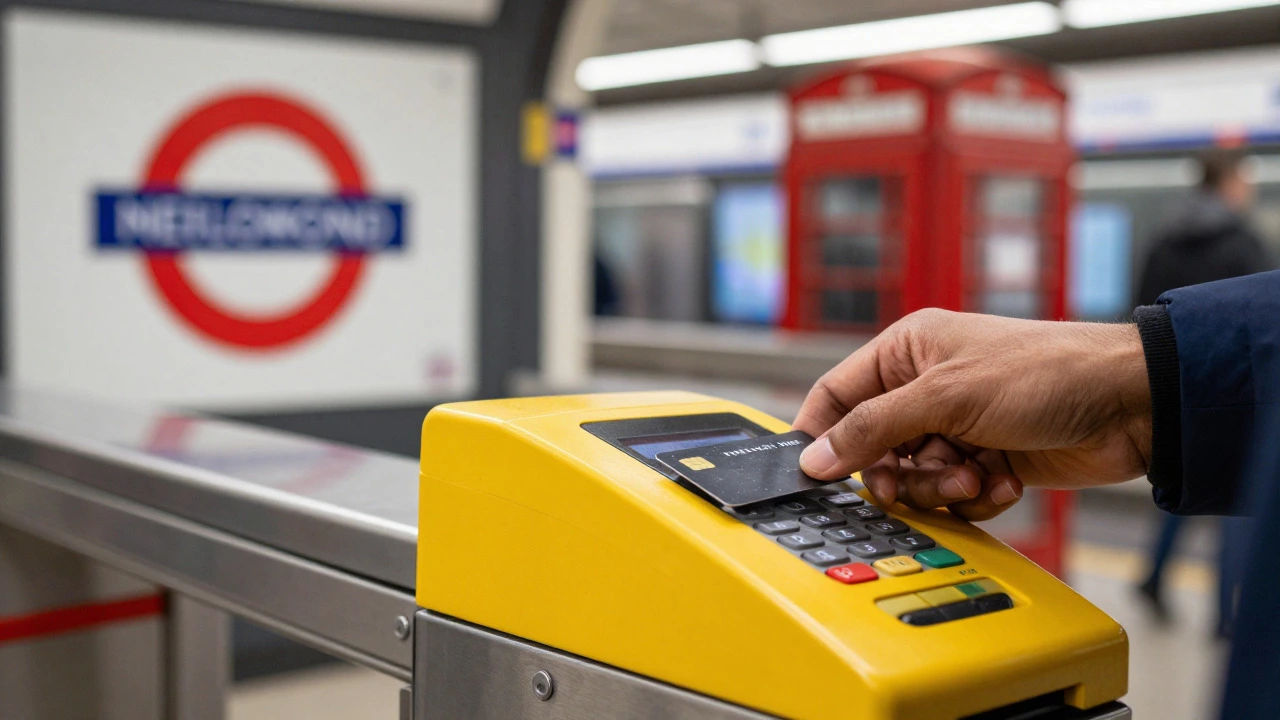
London has its own ecosystem. The Tube (subway), Overground, DLR, and buses form a dense network. As a tourist, you should use Oyster Cards, reusable smart cards used for pay-as-you-go travel on London public transport. Or better yet, just tap your credit/debit card directly on the reader. This gives you daily caps, meaning once you hit a certain fare limit (around £7.30 for zones 1-2), all further travel that day is free.
Avoid buying single-use paper tickets. They are overpriced and inconvenient. If you’re staying for more than three days, consider a Travelcard, which offers unlimited travel within specified zones for a set period.
Comparing Your Options
To help you decide, here’s a quick comparison of the main methods:
| Method | Cost Level | Speed | Best For | Main Drawback |
|---|---|---|---|---|
| Train | Medium-High (if booked late) | Fast | City-to-city travel, comfort | Price varies wildly; strict schedules |
| Bus/Coach | Low | Slow | Budget travelers, overnight trips | Long travel times; less legroom |
| Rental Car | High (rental + fuel + parking) | Flexible | Rural areas, coastal routes | Parking costs; driving on left |
| Local Transit (Tube/Bus) | Low-Medium | Moderate | Within a single city | Can be crowded; complex zone systems |
Common Pitfalls to Avoid
Many tourists make mistakes that cost them extra money or time. Here’s what to watch out for:
- Ignoring Off-Peak Times: Trains are much cheaper if you travel before 9:30 AM or after 4:30 PM. Check the timetables carefully.
- Overpacking for Buses: Coach luggage storage is limited. Stick to one large bag and one small personal item.
- Assuming All Stations Are Connected: In some cities, you may need to switch between different train operators. Allow extra time for transfers.
- Not Checking Weather: If you’re renting a car, bad weather can turn a scenic drive into a nightmare. Have a backup plan.
Planning Your Route
Start by mapping your destinations. Group them geographically. For example, if you’re visiting the North, do Manchester, Liverpool, and York together. Don’t zigzag back and forth across the country unless necessary.
Book your longest-haul trips first. If you’re going from London to Edinburgh, secure that ticket early. Shorter hops within a region can be booked closer to the date if you’re flexible.
Finally, stay adaptable. Plans change. Weather changes. Having a mix of flexible and fixed bookings ensures you’re never stuck.
Is it cheaper to fly or take the train within the UK?
Usually, trains are cheaper if you book in advance. Flights add airport transfer costs and security time. For journeys under 4 hours, trains are almost always the better value and convenience option.
Do I need to buy a rail pass as a tourist?
Rail passes are rarely worth it for short stays (under 2 weeks). Advance tickets are so cheap that the pass price doesn’t recoup quickly. Only consider a pass if you’re traveling extensively for 15+ days and haven’t booked specific dates yet.
Can I use my phone for mobile data in the UK?
Yes, but ensure your phone is unlocked and you have a UK SIM or eSIM. Roaming charges can be high. Buying a local SIM card at an airport or convenience store is inexpensive and provides good coverage.
What should I do if my train is delayed?
Keep your ticket! If delayed by 15 minutes or more, you may be entitled to compensation. Speak to staff at the station or claim online later. Delays are common, so build buffer time into your schedule.
Are buses safe for solo female travelers?
Yes, very safe. Major operators like National Express and Megabus have professional drivers and well-maintained vehicles. Stick to reputable companies and avoid unknown local operators for long distances.