
Best Weekend Getaways in England: Top Destinations for 2026
 Sep, 13 2026
England Weekend Getaway Finder
Select your preferences below to find the perfect English destination for your next short break.
Ever felt that itch to escape the daily grind but lack the time for a long-haul flight? You aren't alone. With England packed with diverse landscapes and historic cities, finding the perfect spot for a quick recharge is easier than you think. The challenge isn't choosing where to go-it's narrowing down the list without wasting your precious two days on travel logistics.
Whether you crave the rugged beauty of the north or the coastal charm of the south, this guide cuts through the noise. We're looking at destinations that offer maximum experience with minimum stress. From train-accessible gems to hidden rural retreats, here is how to make your next weekend count.
The Quick Hit List
| Destination | Best For | Travel Time from London | Vibe |
|---|---|---|---|
| Bath | History & Relaxation | 1 hr 30 min (Train) | Elegant, Roman ruins, Georgian architecture |
| Cornwall | Coastal Adventure | 4-5 hrs (Train/Car) | Rugged cliffs, surfing, seafood |
| York | Culture & Food | 2 hrs (Train) | Viking history, medieval streets, pubs |
| Lake District | Nature Hikes | 3 hrs (Train/Car) | Lakes, fells, literary heritage |
| Brighton | Arts & Nightlife | 1 hr (Train) | Bohemian, pebble beach, independent shops |
Bath: A Step Back in Time
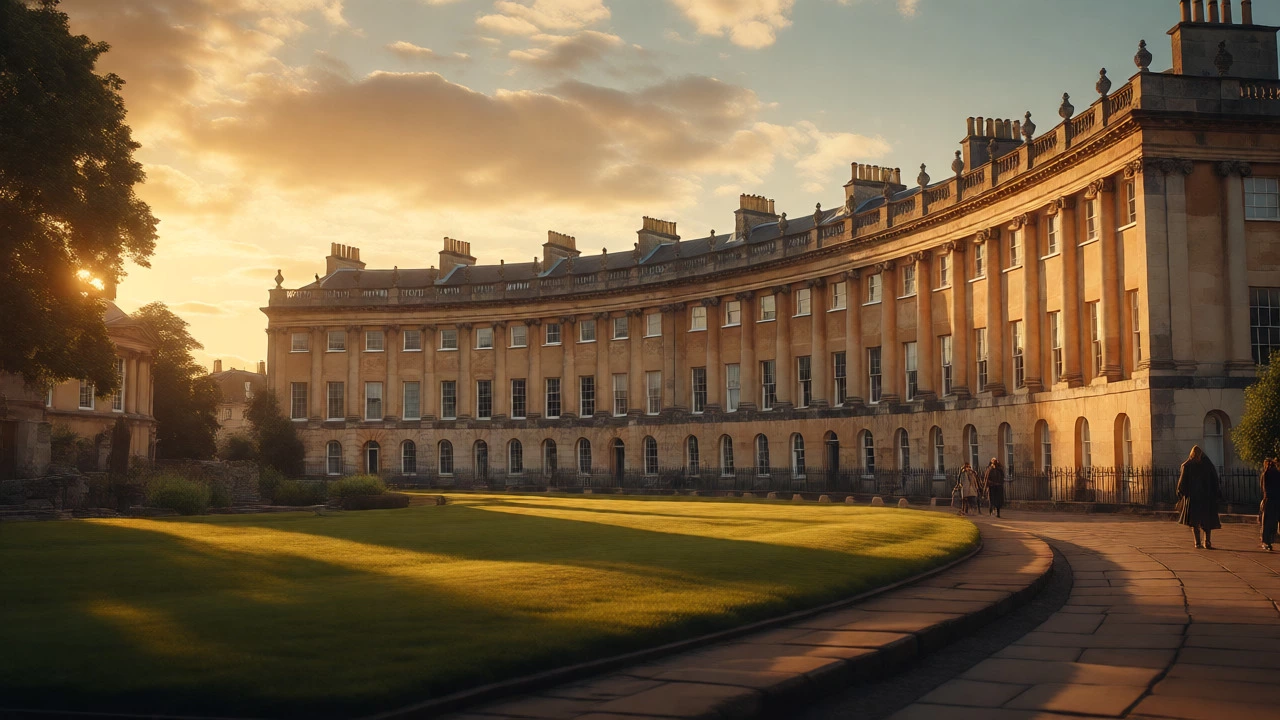
If you want to feel like you've stepped into a period drama, Bath is the obvious choice. It’s not just about the pretty honey-colored stone; it’s about the pace. Bath is a UNESCO World Heritage site known for its Roman Baths and Georgian crescents. Unlike larger cities, everything is walkable. You can spend Saturday morning soaking in the thermal waters at the Thermae Bath Spa, then wander through the Royal Crescent in the afternoon. The food scene here has matured significantly. Forget tourist traps; look for places serving modern British cuisine using local Somerset produce. Pulteney Bridge offers iconic photo ops, but ducking into the side streets reveals independent bookshops and tea rooms that feel authentic rather than staged. If you’re traveling from London, the Great Western Railway gets you there in under an hour and a half, leaving you plenty of daylight hours to explore.Cornwall: Where the Land Meets the Sea
For those who need salt air to clear their head, Cornwall remains unbeatable. It’s far enough away to feel like a true escape but close enough for a Friday evening departure. Cornwall is defined by its rugged coastline, fishing villages, and mild climate. St Ives is popular, yes, but it’s crowded. Try Padstow instead. It’s smaller, focused entirely on food, and home to Rick Stein’s empire. You can eat fresh crab sandwiches while watching the boats come in. Hiking the South West Coast Path is a must. Even a short stretch between Port Isaac and Port Gaverne gives you dramatic views without requiring mountaineering gear. Pack layers, though. The weather changes fast. One minute you’re baking in the sun, the next you’re dodging rain showers. This unpredictability is part of the charm. If you have a car, the drive along the Atlantic Highway is scenic, but parking can be tricky in peak summer months. Book accommodation early if you plan to visit between June and August.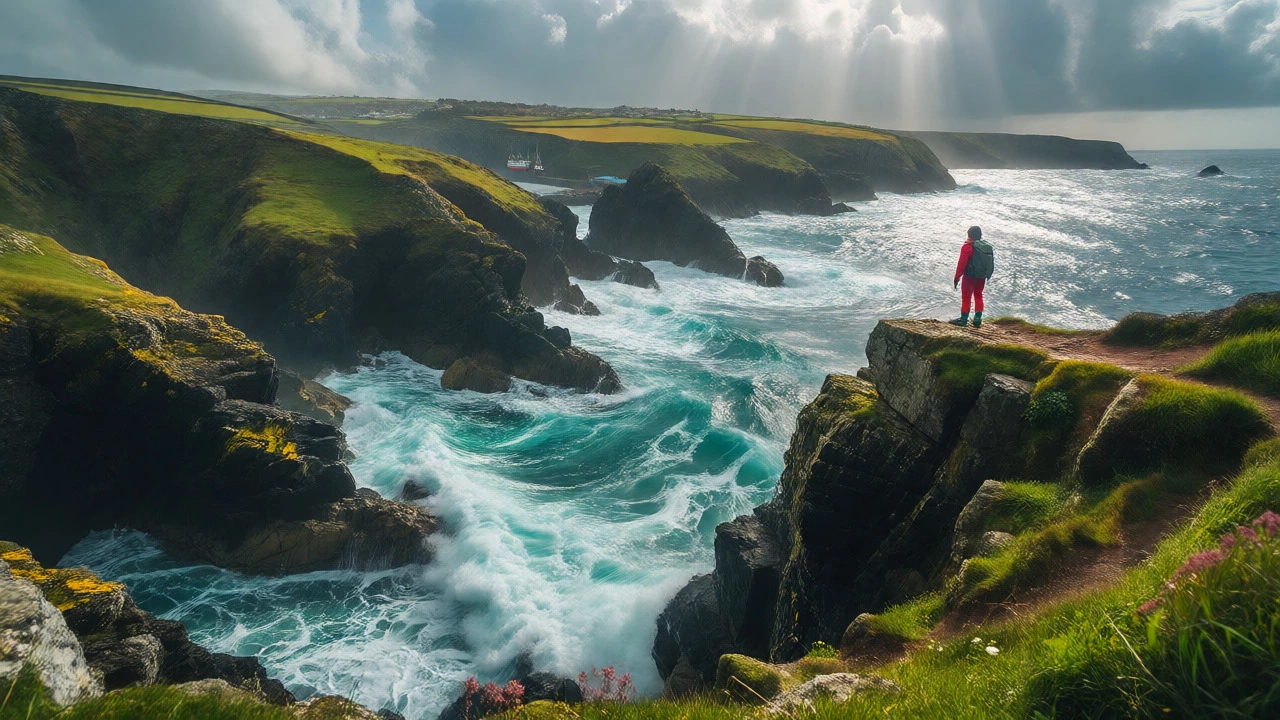
York: History That Feels Alive
Northern England often gets overlooked for weekend trips, which is a mistake. York is compact, safe, and incredibly rich in history. York is famous for its medieval walls, Viking heritage, and Gothic cathedral. Walking the city walls takes about two hours and gives you a unique perspective on the layout of the old town. You’ll pass through gates that have stood for centuries. The Shambles market street is Instagram-famous, but don’t let that deter you. Go early in the morning before the crowds hit. Afterward, head to the Jorvik Viking Centre. It’s interactive and surprisingly engaging for adults too. You smell the smells, hear the sounds, and see reconstructions of what life was like in the 10th century. For dinner, try one of the traditional pubs near the river Ouse. They serve hearty pies and local ales that stick to your ribs. York is also a foodie hub, with numerous Michelin-starred options if you want to splurge.The Lake District: Nature’s Reset Button
When screens become too much, the Lakes are the answer. This national park in Cumbria offers some of the most dramatic scenery in the UK. The Lake District is characterized by glacial lakes, steep fells, and sheep-dotted valleys. Windermere is the largest lake, but Ullswater feels more serene. You can take a steamboat cruise across Ullswater, which connects to the village of Pooley Bridge. Hiking here ranges from gentle walks around Rydal Water to challenging ascents of Scafell Pike, England’s highest mountain. If you aren’t a serious hiker, hire a bike in Ambleside. The paths are well-maintained and offer great views without exhausting you. Be prepared for rain. It’s called the wettest place in England for a reason. Waterproof boots and a good jacket are non-negotiable. Accommodation ranges from luxury hotels like the Gilpin Hotel to budget-friendly hostels in Keswick. Plan your route beforehand because cell service can be spotty in the deeper valleys.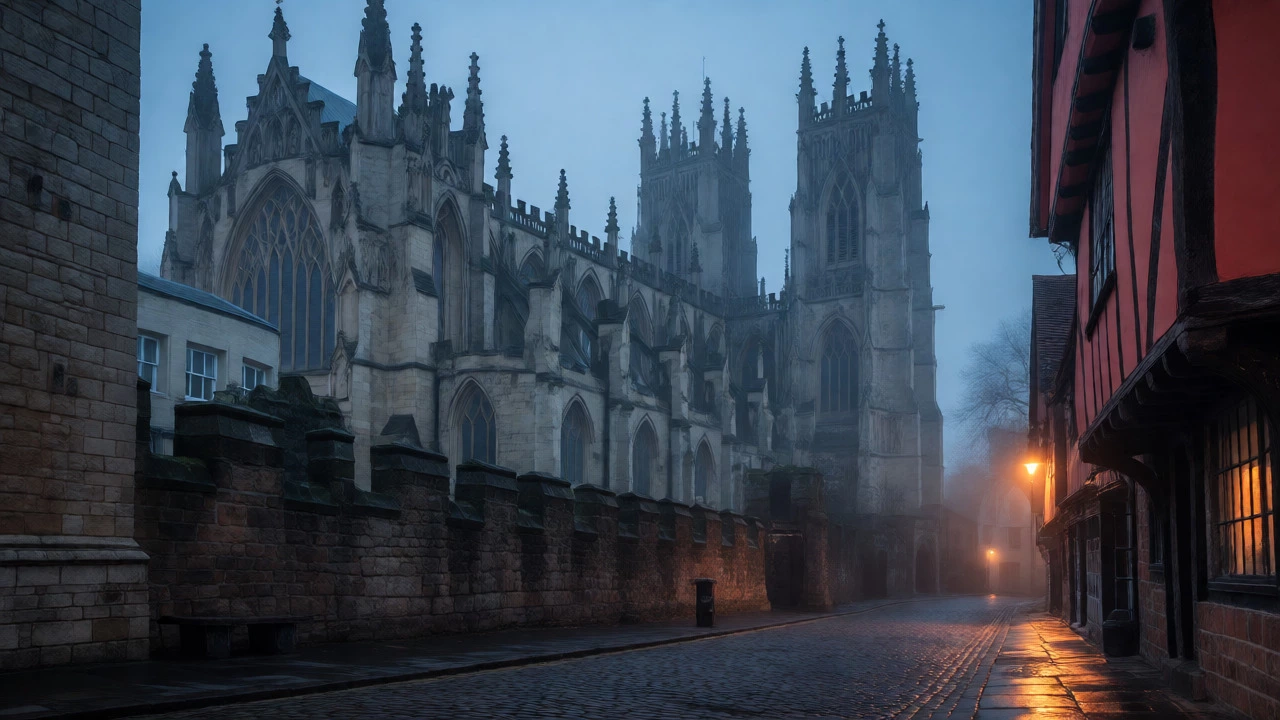
Brighton: The Bohemian Escape
Just an hour from London by train, Brighton offers a stark contrast to the capital’s corporate vibe. It’s colorful, quirky, and fiercely independent. Brighton is known for its pebble beach, Victorian pier, and vibrant arts scene. The Lanes area is a maze of narrow alleys filled with vintage clothing stores, record shops, and cafes. You can easily lose an entire day browsing here. Don’t miss the Royal Pavilion. It looks like an Indian palace dropped onto the English coast, and the interior is even more bizarre. For a view, climb up to the Seven Sisters country park nearby. The white chalk cliffs against the blue sea are breathtaking. In the evening, check out the North Laine district for live music venues and cocktail bars. Brighton is also very LGBTQ+ friendly, making it a welcoming spot for all travelers. Since it’s so close to London, you can leave late Sunday night and still be back in bed by midnight.Practical Tips for Your Trip
Booking trains early saves money. Use split-ticketing apps or websites to find cheaper fares. Avoid driving into city centers during weekends unless necessary; parking fees add up quickly. Pack light. Cobblestone streets and stairs in older buildings make large suitcases a nightmare. Check opening times for attractions, as many close earlier in winter months. September and October offer fewer crowds and pleasant temperatures, making them ideal for these trips.What is the easiest destination to reach from London?
Brighton is the easiest, taking only about one hour by direct train from London Victoria or London Bridge. Bath is also very accessible, taking approximately 1 hour and 30 minutes from London Paddington. Both require no transfers, making them low-stress options for a quick getaway.
Is Cornwall suitable for a two-day trip?
Yes, but it requires planning. Travel time is longer (4-5 hours), so you should arrive Friday evening or early Saturday morning. Focus on one area, such as St Ives or Padstow, rather than trying to see the whole county. Renting a car gives you flexibility, but public transport works well within specific towns.
Which destination is best for families with children?
York is excellent for families due to its interactive museums like the Jorvik Viking Centre and the National Railway Museum. The Lake District is also great if your kids enjoy outdoor activities, as there are many easy walking trails and boat rides. Brighton offers amusement parks and beaches that appeal to younger travelers.
Do I need a car for these weekend trips?
Not necessarily. Bath, York, and Brighton are highly walkable and have good public transport connections. The Lake District benefits from having a car to access remote hiking trails, but you can use local buses and ferries effectively. Cornwall is difficult to navigate without a car if you want to explore multiple coves and villages.
What is the best time of year for a weekend break in England?
Late spring (May-June) and early autumn (September-October) offer the best balance of weather and crowd levels. Summer is warm but crowded and expensive. Winter is quiet and atmospheric, especially in cities like Bath and York, but daylight hours are shorter, limiting sightseeing time.