
Cheapest Beach Towns in the US: Top Budget-Friendly Coastal Spots for 2026
 Sep, 10 2026
Beach Town Budget Estimator
Compare the true cost of a beach getaway across different US coastal regions. Adjust your trip details to see which town fits your budget best.
Trip Details
Estimated Total Cost
Select your options and click Calculate to see estimated costs.
Quick Comparison Table
| Town | Avg Nightly Stay | Meal Cost (Dinner) | Vibe |
|---|
Everyone dreams of waking up to the sound of waves, but nobody wants to wake up to a credit card bill that looks like a mortgage payment. We often assume that living by the ocean means paying a premium for every breath of salty air. But here is the secret most travel blogs won't tell you: some of the best sand and surf in America are hiding in plain sight, tucked away in places where the tourist crowds haven't fully descended yet.
If you are hunting for the cheapest beach town in the US, you need to look beyond the obvious postcards of Malibu or Miami. The real value lies in secondary markets-towns that offer the same blue water and golden sunsets but at half the price tag. Whether you are planning a week-long escape or considering a long-term stay, knowing where the money goes further changes everything. Let’s break down exactly which towns fit the bill and why they deserve your attention this year.
Defining "Cheap" in a Post-Inflation World
Before we point a finger at specific maps, we need to agree on what "cheap" actually means. In 2026, a $150 night in Orlando might be considered a steal, while the same rate in San Francisco would get you laughed out of the hotel lobby. When travelers search for the cheapest beach towns, they usually care about three things: lodging costs, food prices, and activity fees. A town might have free parking but charge $40 for a sandwich, negating any savings.
The true winners are places with a local economy that isn’t solely dependent on extracting cash from tourists. Think fishing villages turned weekend spots, rather than resort cities built solely for vacationers. These communities tend to have grocery stores where locals shop, not just gift shops selling overpriced souvenirs. That distinction alone can save a family of four hundreds of dollars over a single week.
The Gulf Coast: Texas and Louisiana Value
Start your search in Texas. While Galveston gets a lot of press, it has seen significant price hikes recently due to storm recovery and gentrification. Instead, look south toward Port Aransas or north toward Surfside Beach. Port Aransas, located on Mustang Island, offers a raw, unpolished vibe that keeps prices grounded. You aren’t paying for luxury spas; you’re paying for proximity to the water.
In these areas, you can find clean, basic motels or beach condos for under $120 per night during shoulder seasons (late September through November). Food is another win here. Texas doesn’t mess around when it comes to seafood and tacos. A plate of shrimp po’boys at a local diner might set you back $12-$15, compared to $30+ at a trendy waterfront bistro in Florida. If you bring your own cooler and grill on the beach (check local ordinances), your daily food budget drops even further.
| Town | Avg. Nightly Stay | Meal Cost (Dinner) | Vibe |
|---|---|---|---|
| Port Aransas, TX | $110 - $140 | $15 - $20 | Laid-back, Fishing-focused |
| Surfside Beach, TX | $95 - $125 | $12 - $18 | Family-oriented, Quiet |
| Destin, FL | $180 - $250 | $25 - $40 | Touristy, High-end |
| Daytona Beach, FL | $130 - $170 | $18 - $25 | Party-centric, Busy |
The Atlantic Middle Ground: North Carolina and Virginia
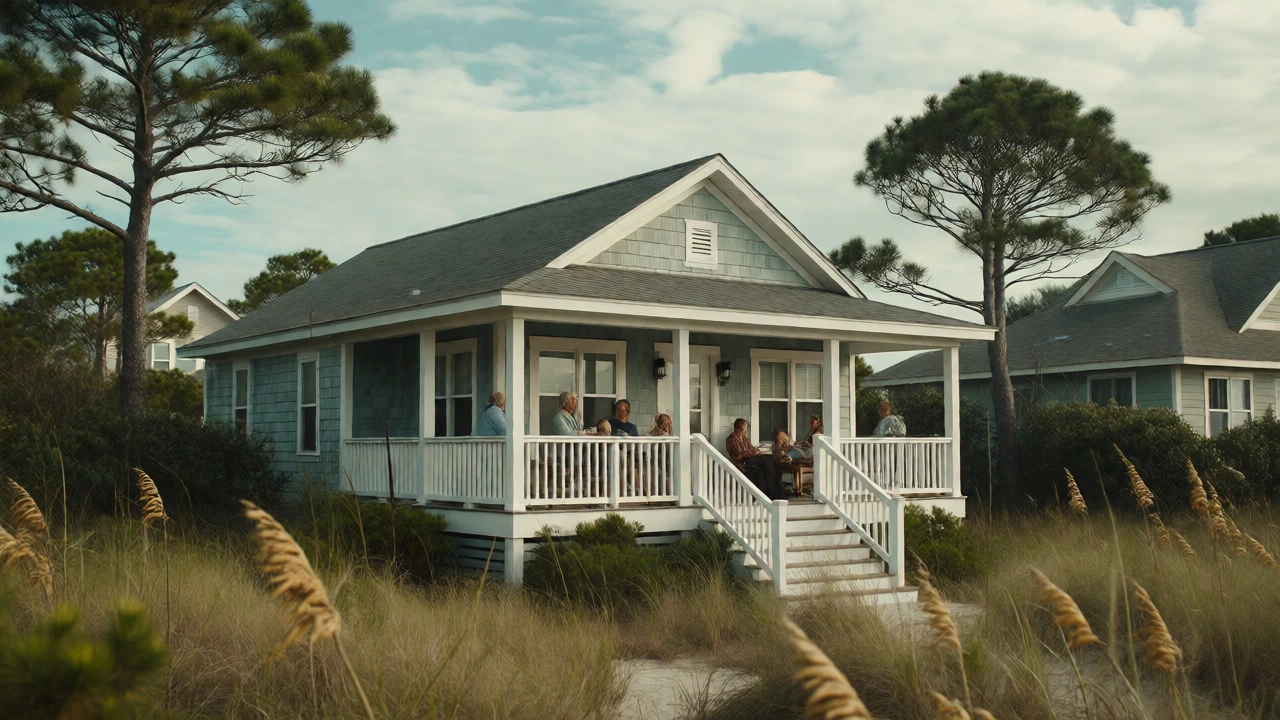
Move up the East Coast, and you hit a sweet spot in North Carolina. Outer Banks is famous, but it’s expensive. Skip the northern islands like Corolla and head to Emerald Isle or Ocean City. These towns cater heavily to multi-generational families who rent houses for weeks, not nights. This rental model drives down the nightly average if you split costs with friends or family.
Emerald Isle is particularly noteworthy because it lacks the high-rise hotels that drive up land values. Most accommodations are private homes or small inns. You can snag a two-bedroom cottage for $150/night in October. Plus, the state parks along the coast are incredibly well-maintained and mostly free. Hiking, bird watching, and beachcombing don’t cost a dime. For those willing to drive a bit further north, Virginia Beach offers similar value, though it leans more towards convention-style tourism. Still, off-peak rates there can drop below $100 for decent rooms.
The Pacific Alternative: Oregon and Washington
Most people forget the West Coast when thinking of "beach," assuming California is the only option. And yes, California beaches are pricey. But cross into Oregon, and the landscape changes dramatically. Cannon Rock Beach and Manzanita offer stunning views without the Hollywood markup. The catch? It’s colder, and the water is too cold for swimming for most people. But if you enjoy bonfires, tide pooling, and dramatic cliffs, this is paradise.
Lodging in Seaside, Oregon, can be found for $90-$120 per night. Because the weather is unpredictable, demand fluctuates, creating bargains. You can book a room with an ocean view for less than the cost of a parking spot in Santa Monica. Just pack layers. The food scene is robust with fresh salmon and Dungeness crab available at reasonable prices if you visit during harvest season. It’s a different kind of beach holiday-one focused on nature walks and cozy cabins rather than tanning.
Hidden Gems: Alabama and Mississippi
If you want the absolute lowest numbers, look at the Gulf Shores area in Alabama and the Mississippi Gulf Coast. These states actively compete with Florida on price. Orange Beach, Alabama, often undercuts its Florida neighbors by 30-40%. The beaches are white sand, thanks to quartz deposits, rivaling the Panhandle of Florida.
Why is it cheaper? Less international marketing and fewer direct flights from major hubs outside the Southeast. This limits the surge pricing you see in Miami or Los Angeles. A condo rental in Orange Beach might cost $130 per night, including utilities. Many properties include full kitchens, allowing you to cook breakfast and lunch easily. Local restaurants serve huge portions of fried catfish and gumbo for under $15. It’s unpretentious, friendly, and easy on the wallet.

How to Lock in the Lowest Rates
Finding the town is step one. Booking it correctly is step two. Here are practical tactics to ensure you actually pay the advertised price:
- Travel in Shoulder Season: Avoid June, July, and August. September and early October offer warm water but significantly lower rates. May is also great before school breaks start.
- Book Direct: Many small inns and condo owners avoid booking site commissions. Call them directly and ask if they match online rates. Often, they will throw in a free bike rental or late checkout.
- Look for Weekly Discounts: If you stay five nights or more, many owners apply a weekly discount automatically. This can reduce your nightly rate by 15-20%.
- Check Resort Fees: Always read the fine print. Some "cheap" rooms add a mandatory $25/night resort fee for Wi-Fi and pool access. Calculate the total cost, not just the base rate.
What About Safety and Infrastructure?
Cheaper doesn’t always mean better infrastructure. Some of these towns are older and may lack modern amenities. Check recent reviews for cleanliness and safety. For example, some Gulf Coast towns have dealt with erosion issues, meaning the beach width varies by season. Use resources like NOAA tide charts and local government websites to check current conditions before booking.
Also, consider transportation. Some of these hidden gems require a car. Public transit is rare outside of major hubs. Factor gas and potential rental car costs into your budget. If you fly into a nearby city, compare the cost of a rental car versus staying in a town closer to the airport, even if it’s slightly pricier per night.
Is it safe to swim in the Gulf Coast beaches?
Generally, yes. The Gulf Coast waters are warm and inviting. However, jellyfish populations can increase in late summer, so wear protective clothing if you notice them. Also, check for red flag warnings regarding rip currents, which are common after storms.
Do I need a car for these cheap beach towns?
In almost all cases, yes. Towns like Port Aransas, Emerald Isle, and Orange Beach are spread out. While some have shuttle services, having a car gives you freedom to explore local grocery stores, hidden coves, and affordable dining spots away from the main strip.
Which month is the cheapest for beach travel?
September and October are typically the cheapest months for East and Gulf Coast beaches. The weather remains warm, but schools are back in session, reducing demand. For the Pacific Northwest, late spring (May) often offers better deals than summer.
Are pets allowed in these budget-friendly towns?
Many do, but rules vary strictly by town and time of year. For example, some beaches ban dogs during peak summer hours but allow them early morning or evening. Always verify pet policies before booking, as cleaning fees can sometimes offset savings.
Can I find luxury amenities in cheap beach towns?
Limited. These towns focus on natural beauty and affordability. You might find boutique hotels, but large-scale luxury resorts are rare. Expect comfortable, clean accommodations rather than five-star concierge services.
Picking the right destination doesn’t have to drain your savings account. By shifting your focus to emerging or under-the-radar coastal towns, you keep more money in your pocket for experiences-like renting a kayak, buying fresh seafood, or simply lingering over a sunset drink. The ocean doesn’t change based on your bank balance; it’s just the location that does. Choose wisely, pack light, and enjoy the salt air without the sting of overspending.