
Cheapest Cities to Visit in 2026: Budget Travel Guide
 Aug, 27 2026
💰 Travel Budget Estimator 2026
Compare what your money buys in the top affordable cities. Select a destination, adjust your trip length and spending habits, and see your estimated total cost excluding flights.
Money talks, but it doesn't always have to shout. If you are looking for a break that won’t drain your savings, the answer isn’t just about finding a cheap flight. It’s about knowing which cheapest cities offer the most value for your pound, euro, or dollar. In 2026, inflation has made every traveler more conscious of their spending, but some places still deliver incredible experiences without the premium price tag.
This guide cuts through the noise to identify the most affordable urban destinations right now. We aren't talking about remote villages where you can't find a restaurant; we're talking about vibrant, walkable cities with rich history, great food, and easy transport. Whether you want to spend three days or two weeks, these spots let you stretch your budget further than ever before.
Why "Cheap" Means Different Things in 2026
Before we dive into specific locations, it helps to understand what makes a city "affordable." A low hotel rate means little if meals cost $30 each. True affordability is a balance of accommodation, food, local transport, and entry fees. For this analysis, we looked at the average cost of a mid-range hotel room (per night), a standard meal at a casual restaurant, and daily public transport passes. The goal is to find places where your daily burn rate stays under $100 USD per person, excluding flights.
Inflation has hit hard in Western Europe and North America, pushing prices up significantly since 2024. However, emerging markets and parts of Eastern Europe have remained relatively stable. This creates a gap where travelers can get much more for their money by shifting their focus slightly off the beaten path.
The Top Affordable Destinations for City Breaks
Based on current pricing trends and traveler reviews, here are the standout cities that offer the best bang for your buck in 2026. These aren't just the absolute lowest prices, but the ones with the highest quality-to-cost ratio.
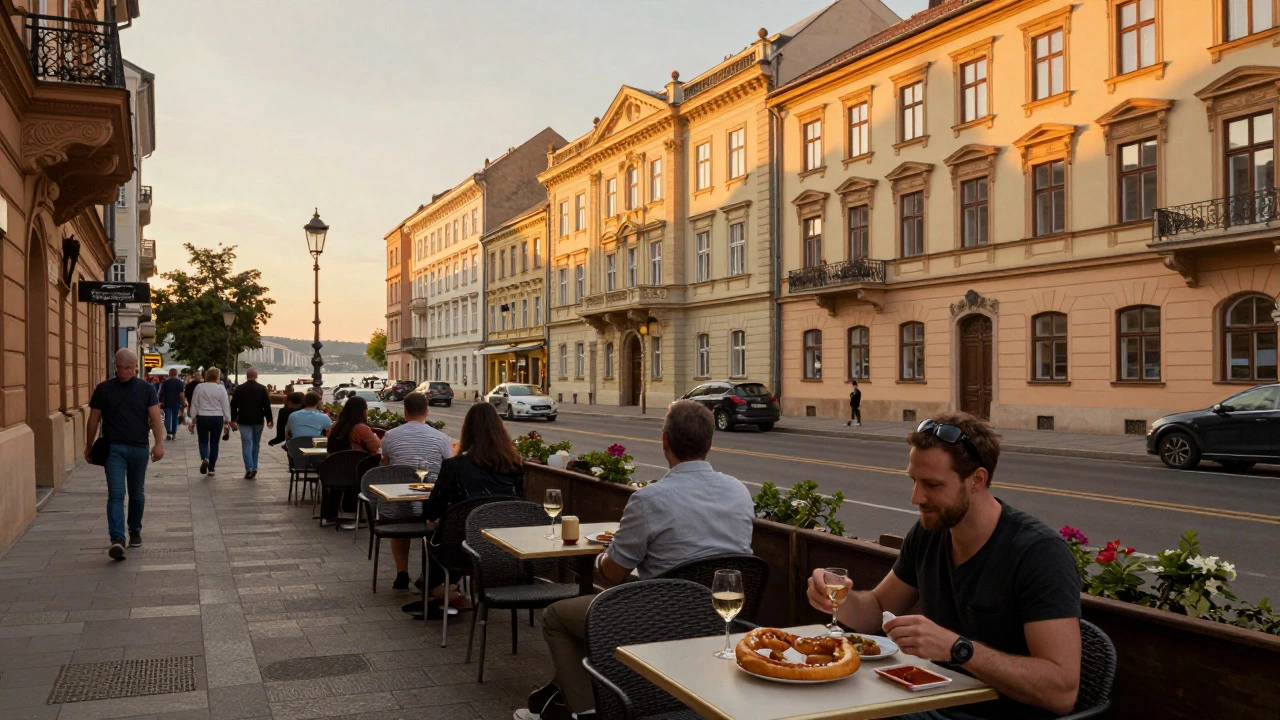
- Budapest, Hungary is a central European capital known for its thermal baths, historic architecture, and vibrant nightlife. The Hungarian Forint remains one of the weaker currencies in the region, making it exceptionally cheap. You can enjoy a five-course dinner for less than you’d pay for coffee in London.
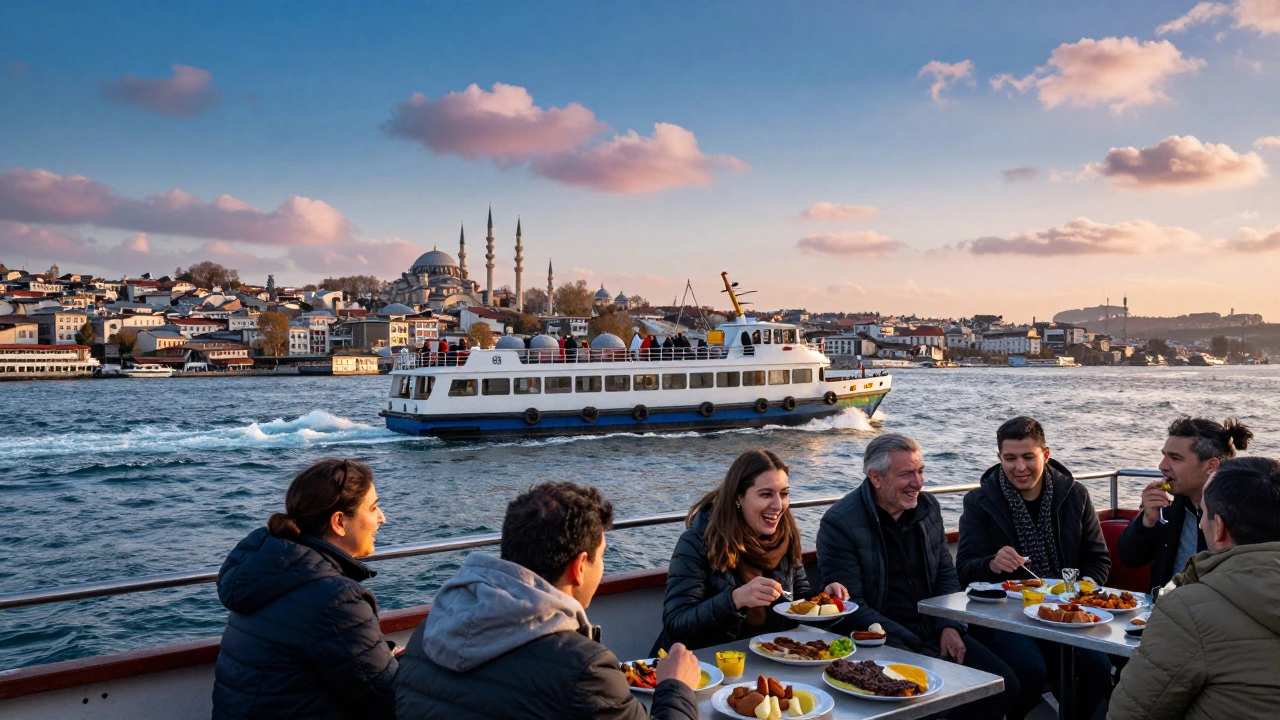
- Istanbul, Turkey is a transcontinental metropolis bridging Europe and Asia with Ottoman history and modern energy. While the Lira fluctuates, the base costs for food and lodging remain very low compared to Western standards. Street food is legendary and incredibly inexpensive.
- Tbilisi, Georgia is the capital of Georgia, famous for its wine culture, Soviet-era architecture, and friendly locals. It has become a hub for digital nomads because rent and living costs are a fraction of those in Tbilisi’s neighbors. A hotel room can be found for under $40.
- Lisbon, Portugal is Portugal's capital, celebrated for its pastel-colored buildings, fado music, and Atlantic views. While it has gotten pricier, it remains significantly cheaper than Paris or Rome. Public transport is efficient, and pastéis de nata are everywhere.
Cost Comparison: What Your Money Buys
To make this concrete, let’s look at what a typical day looks like in these cities. We assume a solo traveler staying in a clean 3-star hotel or high-quality Airbnb, eating out twice a day, and using public transport.
| City | Accommodation | Food & Drink | Transport | Activities | Total Estimate |
|---|---|---|---|---|---|
| Budapest | $50 | $30 | $5 | $15 | $100 |
| Istanbul | $45 | $25 | $4 | $10 | $84 |
| Tbilisi | $40 | $20 | $3 | $10 | $73 |
| Lisbon | $70 | $40 | $6 | $20 | $136 |
| London (Comparison) | $150 | $60 | $10 | $30 | $250 |
As you can see, the difference between a city like Tbilisi and London is massive. For the same budget that gets you a modest stay in the UK, you can live like royalty in the Caucasus. Even Lisbon, while pricier than the others, offers a European experience for half the cost of major Western capitals.
Hidden Costs to Watch Out For
It’s easy to fall in love with a destination based on hotel prices alone, but hidden costs can eat into your savings quickly. Here are the pitfalls to avoid when planning a budget trip to these cheaper cities.
- Dynamic Pricing: Many hotels in Budapest and Istanbul use dynamic pricing algorithms. Booking last minute can sometimes be cheaper, but during peak seasons (May-September), prices spike. Always compare booking windows.
- Service Charges: In tourist-heavy areas of Istanbul and Lisbon, restaurants may add a 10-15% service charge. Check the menu before ordering to avoid surprises.
- Scams and Tourist Traps: While rare, taxi drivers in some cities might overcharge tourists. Use reputable apps like Uber or Bolt, which operate in all four recommended cities, to ensure fair pricing.
- Currency Exchange Fees: Avoid exchanging money at airport kiosks. Use ATMs in the city center, which usually offer better rates. Notify your bank before traveling to avoid international transaction fees.
How to Maximize Value in Each City
Knowing where to go is only half the battle. Knowing how to spend wisely is the other. Here are specific tips for getting the most out of your time in these affordable hubs.
In Budapest, don’t just stick to the main attractions. Walk along the Danube promenade for free sunset views. The Buda Castle Hill is accessible on foot and offers panoramic views without an entry fee. Try the local hot dogs (lángos) from street vendors instead of sitting down at a restaurant for lunch.
In Istanbul, focus on the Sultanahmet district for sightseeing, but head to Kadıköy across the water for dinner. The ferry ride is cheap and offers stunning views of the skyline. Eat at lokantas (traditional Turkish eateries) where dishes are served family-style and priced by weight, allowing you to control your cost.
In Tbilisi, explore the Old Town on foot. The Narikala Fortress provides a great view of the city and the cable car to it is reasonably priced. Georgian cuisine is hearty and filling, so one large meal can often serve as both lunch and dinner, saving you money.
In Lisbon, use the Tram 28 route carefully. It’s iconic but crowded and pricey per stop. Instead, walk the lower streets and take the metro for longer distances. The metro system covers the entire city efficiently. Look for free walking tours, which are tip-based, to learn the history without a fixed ticket price.

Best Time to Visit for Low Prices
Timing is everything. Even in cheap cities, seasonality affects prices. To keep costs down, aim for the shoulder seasons: April-May and September-October. During these months, the weather is pleasant, crowds are thinner, and hotel rates drop significantly compared to the summer peak.
Avoid December holidays unless you specifically want Christmas markets, as prices surge and availability drops. January can be cold in Central Europe, but it’s the cheapest month of the year. If you’re flexible, winter trips to Budapest or Istanbul can be surprisingly enjoyable with fewer tourists and lower prices.
Frequently Asked Questions
Are these cities safe for solo travelers?
Yes. Budapest, Istanbul, Tbilisi, and Lisbon are generally very safe for solo travelers. Standard city precautions apply: watch your belongings in crowded areas, use licensed taxis or apps, and stay aware of your surroundings at night. None of these cities have significant safety issues compared to major Western capitals.
Do I need a visa to visit these countries?
Visa requirements depend on your nationality. For US and UK citizens, Turkey and Georgia allow visa-free entry for short stays. Hungary (Schengen Area) requires a Schengen visa for non-EU citizens, though many nationalities can enter visa-free for up to 90 days. Always check the latest embassy guidelines before booking.
Is English widely spoken in these cities?
In tourist areas of all four cities, English is widely understood by younger people and those working in hospitality. In Tbilisi and Istanbul, learning a few basic phrases in Georgian or Turkish is appreciated but not necessary. In Budapest and Lisbon, English proficiency among service staff is high.
Which city is the best for foodies on a budget?
Istanbul is arguably the best for foodies on a budget. Street food is diverse, high-quality, and extremely cheap. Kebab, simit, and baklava are available almost anywhere for a few dollars. Tbilisi is a close second, especially for meat lovers and wine enthusiasts.
Can I combine these cities in one trip?
Yes, but logistics matter. Istanbul and Tbilisi are relatively close and can be connected by short flights or ferries. Budapest and Lisbon are farther apart and would require separate flights. A multi-city itinerary works best if you have at least 7-10 days to minimize transit costs and maximize time in each location.