
Cheapest Months to Visit the UK: Save Money on Flights, Hotels, and Activities
 Aug, 6 2026
UK Travel Budget & Timing Estimator
Configure Your Trip
Cost Breakdown & Advice
Enter your trip details to see estimated costs and travel advice.
Ever looked at a flight to London or a hotel in Edinburgh and felt your wallet shrink before you even booked? You aren't alone. The United Kingdom is one of Europe's most popular destinations, but that popularity comes with a price tag that fluctuates wildly depending on when you show up. If you want to see the historic castles, wander through world-class museums, and eat incredible food without spending a fortune, timing is everything.
The short answer? January, February, November, and December are generally the cheapest months to visit the UK. These periods sit outside the peak summer tourist season and avoid major holiday spikes like Christmas week. But it’s not just about picking a random cold day. There are nuances involving school holidays, weather patterns, and regional events that can make or break your budget. Let’s break down exactly when to go and how to stretch your pounds further.
The Golden Rule: Avoid Summer and School Holidays
To understand why certain months are cheap, you first need to know what drives prices up. In the UK, domestic tourism is huge. Families plan their vacations around school terms. When schools are out, demand for accommodation and transport skyrockets. This happens during the Easter break (March/April), the half-term breaks in October and February, and most significantly, the long summer break from late July through August.
August is particularly expensive. It’s the height of the British summer holiday season. Locals flock to the coast, driving up prices for B&Bs and holiday cottages. International tourists also arrive in droves, expecting warm weather. If you book a trip in mid-August, expect to pay premium rates for flights and hotels. Conversely, the months immediately following these peaks-September and October-often see a sharp drop in prices as crowds thin out.
January and February: The Deep Discount Season
If saving money is your top priority, January and February are your best friends. After the festive lights come down and the New Year celebrations end, the UK enters its quietest period. Tourist numbers plummet, and businesses slash prices to attract visitors.
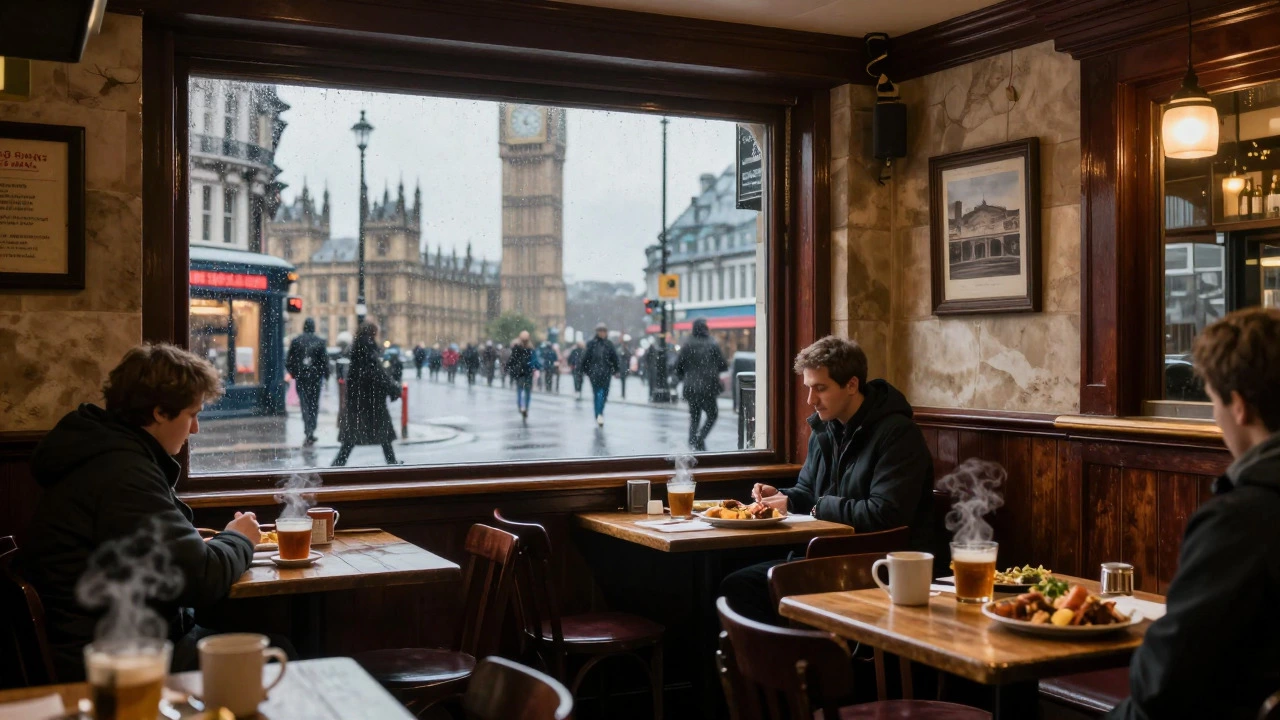
London, the capital city known for its iconic landmarks like Big Ben and the Tower of London sees some of its lowest hotel rates during these months. You might find four-star accommodations for half the price you’d pay in July. Museums and galleries remain open, offering free entry to permanent collections, which makes them perfect indoor activities during the rainy weather.
However, there is a catch. January and February are dark and cold. Daylight hours are short, often ending by 4 PM. Rain is frequent. If you’re planning outdoor activities like hiking in the Lake District or exploring coastal paths in Cornwall, you’ll need waterproof gear and patience. But if you’re okay with cozy pubs, theater shows, and museum visits, the savings are substantial.
November: The Underrated Shoulder Season
November is often overlooked, but it’s a fantastic month for budget travelers. The autumn foliage has faded, and the Christmas shopping rush hasn’t fully started. Prices for flights and hotels dip significantly compared to the previous months. It’s also a great time to experience local culture without the tourist hordes.
One major event to watch out for is Remembrance Day (November 11). While this doesn’t spike prices nationwide, it does mean many people take time off work. Bookings can fill up slightly in cities with significant military history, like Portsmouth or Greenwich. Otherwise, November offers mild temperatures compared to winter, fewer crowds, and plenty of seasonal food festivals celebrating harvest produce.
December: Timing Is Everything
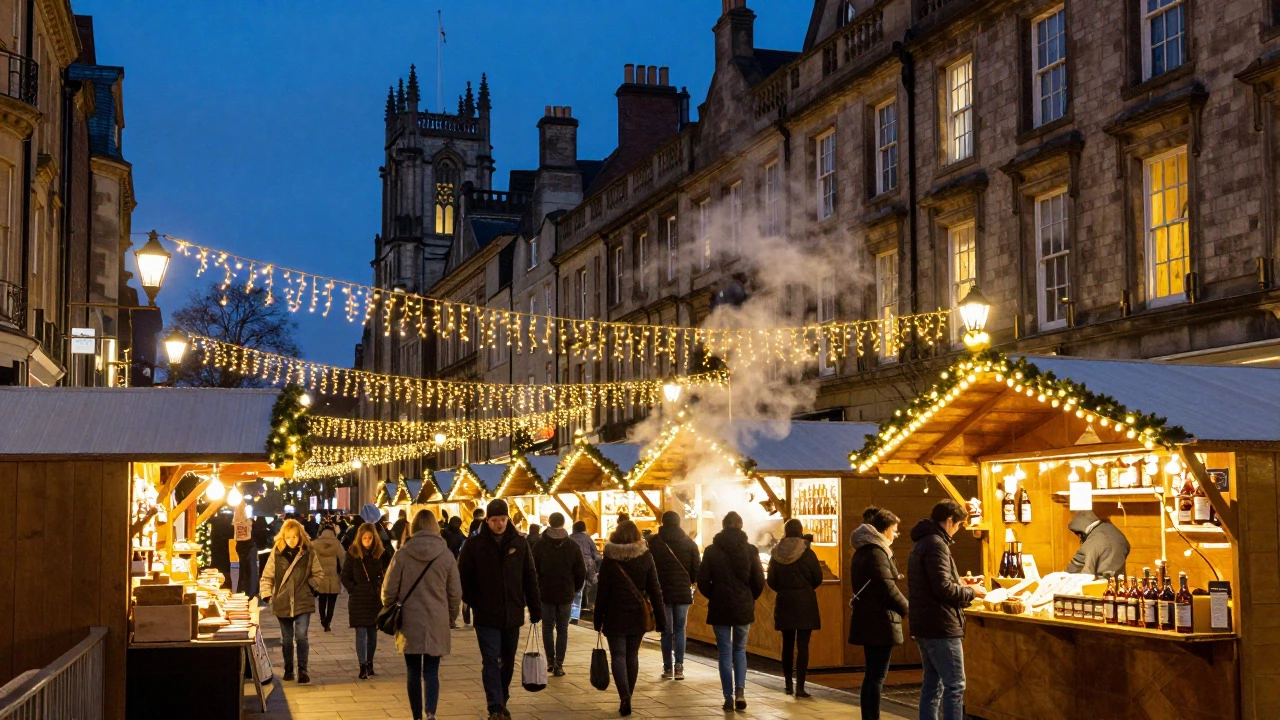
December is tricky. The first two weeks are surprisingly affordable. The Christmas markets in cities like York, Manchester, and Birmingham are magical, and accommodation prices haven’t yet surged. However, once you hit the last week of December, prices explode. Everyone wants to be home for Christmas Eve and New Year’s Eve. Flights and trains become incredibly expensive, and hotels sell out early.
If you love festive cheer but hate high prices, aim for the first two weeks of December. You get the atmosphere, the decorations, and the markets, but you avoid the holiday premium. Just remember that some smaller attractions or family-run businesses may close for the Christmas break, so check opening times in advance.
Regional Differences: Where Should You Go?
Not all parts of the UK follow the same pricing patterns. London and the Southeast are year-round tourist hubs, so their prices are less volatile than other regions. Rural areas and coastal towns, however, are heavily dependent on summer tourism.
| Region | Peak Season | Cheapest Months | Budget Tip |
|---|---|---|---|
| London & Southeast | June - August | January, February, November | Stay in zones 3-5 for cheaper transport links |
| Scottish Highlands | July - August | October - April | Book self-catering cottages for longer stays |
| Cornwall & Southwest Coast | May - September | November - March | Many beach resorts close; focus on inland cities like Exeter |
| Northern England (Yorkshire/Lake District) | June - August | September, November, January | Visit national parks for free hiking and scenic views |
For example, visiting Cornwall in July means competing with millions of tourists for beachfront bungalows. In January, many seaside hotels close entirely, but inland cities like Bristol or Bath offer excellent value and cultural experiences. Similarly, Scotland’s remote islands are inaccessible by ferry in winter, but mainland cities like Edinburgh and Glasgow provide rich history and nightlife at lower costs.

Hidden Costs to Watch Out For
Low booking prices don’t always mean low total costs. Be aware of hidden expenses that can creep into your budget. Transportation is a big one. Train tickets in the UK are notoriously expensive if bought last minute. Always book train journeys in advance using platforms like Trainline or National Rail. Off-peak travel cards can save you money if you’re flexible with departure times.
Food and drink costs vary widely. Eating out in central London can easily cost £20-£30 per person for a main course. To save money, look for supermarket meal deals (Tesco, Sainsbury’s, Marks & Spencer) which offer a sandwich, snack, and drink for around £3-£4. Many pubs also offer lunchtime specials that are much cheaper than dinner menus.
Attraction fees add up quickly. While many museums are free, popular paid attractions like the London Eye, Tower of London, or Edinburgh Castle charge premium prices. Look for city passes if you plan to visit multiple sites. These passes often include skip-the-line access and bundled discounts.
How to Find the Best Deals
Finding cheap travel isn’t just about picking the right month. It’s about how you search. Use flight comparison tools like Skyscanner or Google Flights to track prices over several weeks. Set up price alerts so you’re notified when fares drop. Flexibility is key-if you can shift your travel dates by a few days, you might save hundreds.
Accommodation platforms like Booking.com, Airbnb, and Hostelworld allow you to filter by price and review ratings. Consider staying in hostels even if you’re not a backpacker; many now offer private rooms with shared facilities at a fraction of hotel prices. Alternatively, look for serviced apartments for longer stays, which often include kitchen facilities to save on dining costs.
Don’t forget about railcards. If you’re traveling within the UK, a Railcard (such as the 16-25, Two Together, or Family & Friends card) can save you one-third on most train fares. It costs £30 for a year, but if you take just three long-distance trips, it pays for itself.
Weather vs. Budget: Making the Trade-Off
You can’t control the weather, but you can prepare for it. The UK is famous for its unpredictable climate. Even in summer, rain is possible. In winter, snow is rare in most areas except the north and highlands. If you prioritize budget over sunshine, pack layers. A good waterproof jacket, comfortable walking shoes, and thermal underwear will keep you comfortable regardless of the forecast.
Indoor activities thrive in bad weather. The UK boasts some of the world’s best museums, art galleries, theaters, and concert venues. London’s West End, Edinburgh’s Fringe Festival (in August, though expensive), and Manchester’s music scene offer endless entertainment. Plan your itinerary with indoor backups for rainy days.
Is January really the cheapest month to visit the UK?
Yes, January is typically the cheapest month after the New Year holidays pass. Hotel rates drop significantly, and flights are often discounted. However, expect cold weather and shorter daylight hours, making it ideal for indoor activities rather than sightseeing outdoors.
When should I avoid traveling to the UK to save money?
Avoid July and August, especially during school holidays. Also steer clear of the last week of December due to Christmas and New Year premiums. Easter break and October half-term can also see increased prices, particularly in family-friendly destinations.
Are there any major events in cheap months that might raise prices?
Yes, watch out for Remembrance Day in November and specific local festivals. Additionally, university exam periods or conference seasons in cities like Manchester or Birmingham can cause temporary spikes in accommodation prices. Always check local event calendars before booking.
Can I find cheap flights to the UK in winter?
Absolutely. Winter months, particularly January and February, offer some of the lowest airfares. Budget airlines like Ryanair, EasyJet, and Wizz Air frequently run promotions during this period. Booking 2-3 months in advance usually yields the best results.
Is it worth visiting the UK in November?
Yes, November is an underrated shoulder season. Prices are low, crowds are thin, and you can enjoy festive preparations without the holiday rush. It’s perfect for city breaks, museum visits, and experiencing local culture authentically. Just pack warm clothes!