
Cheapest Nicest Places to Vacation: Top Budget City Breaks
 Nov, 12 2026
Budget Vacation Planner
Enter your trip details to see how far your money goes in the world's most affordable yet amazing cities.
$0
$0
What This Covers:
Recommended Cities for this Region:
Select a destination and click "Calculate Costs" to see your estimated budget.
You want sunshine, culture, and good food, but your bank account is screaming "stop." It’s a familiar dilemma. Most people assume that finding a place that is both cheap and genuinely nice requires compromising on comfort or flying halfway across the world for a week of hostel life. That’s not true anymore. The sweet spot exists in places where the exchange rate works in your favor, local costs are naturally low, and the infrastructure supports tourists without charging a premium for the privilege.
I’ve spent years tracking flight prices and hotel rates from Vancouver and other hubs. What I’ve learned is that "cheap" doesn’t mean "bad." It means smart. It means going where a dollar stretches further than it does in London, New York, or Sydney. Below, we break down the top contenders for the title of cheapest nicest place to vacation, focusing on real numbers, actual experiences, and what you can expect for your money in late 2026.
Southeast Asia: The Undisputed King of Value
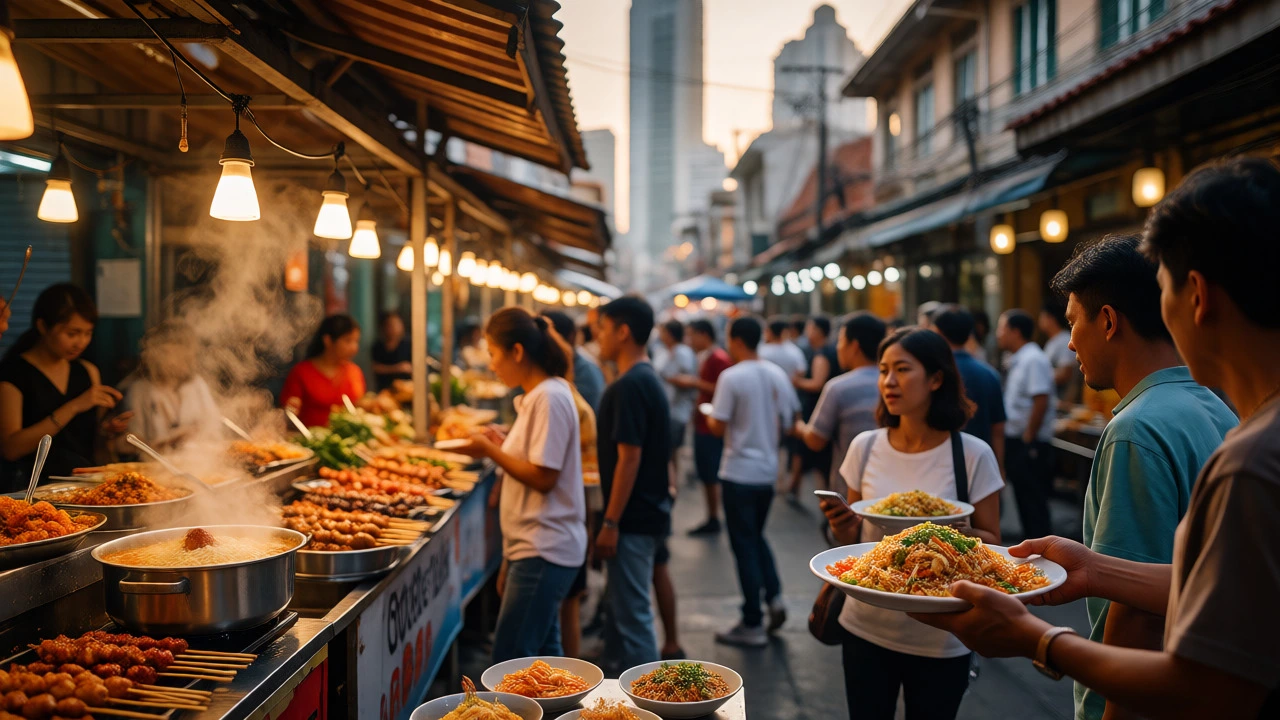
If you measure value by how much experience you get per dollar spent, nothing beats Southeast Asia right now. Specifically, Bangkok, Thailand and Hanoi, Vietnam stand out. These aren't just backpacker traps; they are vibrant, modern cities with incredible street food scenes, efficient public transport, and hotels that offer five-star amenities at three-star prices.
In Bangkok, a comfortable mid-range hotel room in a prime area like Sukhumvit or Silom often costs between $40 and $70 USD per night. A meal at a decent local restaurant? Maybe $3 to $5. You can eat well every day for less than the price of a single cocktail in Toronto. The key here is avoiding the tourist-tax zones near major monuments if you’re looking for deals, but even then, the baseline cost remains incredibly low.
| Expense Category | Bangkok/Vietnam (USD) | Paris/London (USD) |
|---|---|---|
| Mid-Range Hotel/Night | $45 - $70 | $180 - $250 |
| Local Meal | $3 - $6 | $20 - $35 |
| Public Transport Day Pass | $2 - $4 | $10 - $15 |
| Coffee/Cocktail | $2 - $5 | $6 - $18 |
Vietnam offers a similar economic profile but with a different vibe. Hanoi feels more chaotic yet charmingly historic, while Ho Chi Minh City pulses with energy. The food quality is consistently high, even at the lowest price points. If you’re willing to spend a bit more on flights, the daily savings make up for it within three days.
Eastern Europe: Culture Without the Price Tag
For those who don’t want to fly twelve hours, Eastern Europe is the answer. Cities like Budapest, Hungary, Krakow, Poland, and Ljubljana, Slovenia offer stunning architecture, deep history, and walkable centers. They feel expensive because they look expensive, but the local pricing tells a different story.
Budapest is famous for its thermal baths and ruin bars. While the party scene has gotten pricier, eating out and staying in central apartments remains reasonable. A hearty Hungarian goulash might set you back $8-$12, and a beer is often cheaper than water in some cafes. Krakow is slightly more polished but still significantly cheaper than Prague or Vienna. Ljubljana, the capital of Slovenia, is tiny, green, and incredibly safe. It’s perfect for a relaxed weekend break where you can walk everywhere, saving entirely on transport costs.
The catch? Flights from North America can be pricey depending on the season. However, if you’re already in Europe or connecting through major hubs, the ground costs are negligible compared to Western Europe. For travelers based in Canada, look for sales to Budapest or Warsaw via European airlines; sometimes you can find round-trip fares under $900 CAD during shoulder seasons (April/May or September/October).
North Africa: Morocco’s Hidden Gems
Marrakech, Morocco is polarizing. Some love the sensory overload; others hate the haggling. But financially? It’s a dream. Riads-traditional guesthouses with courtyards-are often converted into boutique hotels for $50-$80 a night. You get private pools, intricate tile work, and breakfast included.
Food is cheap and fresh. Mint tea costs pennies. Tagine dishes are substantial and flavorful for under $10. The main expense isn’t goods; it’s time and negotiation skills. If you hate bargaining, this might stress you out. But if you embrace it, you’ll find that your money buys luxury experiences that would cost hundreds elsewhere. Just be mindful of scams targeting tourists in the souks. Stick to fixed-price restaurants for meals if you want predictability.

Latin America: Beyond Mexico
When people think of cheap Latin American vacations, they often default to Cancun or Cabo. But those are resort enclaves designed to drain wallets. Go inland instead. Medellin, Colombia and Lima, Peru are booming culinary capitals with surprisingly low costs.
Medellin has transformed over the last decade. It’s clean, safe in most neighborhoods, and has a spring-like climate year-round. Renting an apartment in El Poblado or Laureles is affordable, and dining out is exceptional. Lima, meanwhile, is arguably the food capital of South America. Yes, the ceviche is famous, but so are the market stalls where you can eat like royalty for $5. The only downside is flight costs from North America, which can be higher than expected due to fewer direct routes. Book early.
How to Actually Find These Deals
Finding the cheapest nicest place isn’t just about picking a country; it’s about timing and flexibility. Here is the playbook I use:
- Shoulder Season is King: Avoid July/August and December/January. Fly in May, June, September, or October. Prices drop by 30-50%.
- Use Incognito Mode: Airlines track searches. Search in private browsing windows to avoid dynamic pricing hikes.
- Check Local Booking Sites: In Thailand, Agoda often beats Booking.com. In Eastern Europe, local sites sometimes have better inventory for apartments.
- Consider "Flight Only" Packages: Sometimes bundling helps, but often booking flight and hotel separately yields better control over quality.

Pitfalls to Avoid
Cheap can become expensive fast if you ignore hidden costs. In Bali, for example, the base rate looks great, but once you add airport transfers, visa fees, and inflated tourist-area pricing, the gap narrows. Always calculate the "all-in" cost for one week before committing.
Also, consider safety and health. Cheapest doesn’t always mean easiest. In some parts of Southeast Asia, dengue fever is a risk. In Latin America, altitude sickness can hit hard in Lima or Bogota. Research these factors. A $500 saved on airfare isn’t worth a medical emergency abroad.
Final Verdict: Where Should You Go?
If you want the absolute lowest cost for maximum fun and food, go to Thailand or Vietnam. The daily burn rate is unbeatable. If you prefer European charm without the Euro-zone price tag, choose Budapest or Krakow. If you want exotic flair and boutique stays, try Marrakech. Each offers a unique blend of affordability and enjoyment, proving you don’t need to be rich to travel well.
Is it cheaper to travel in November?
Yes, November is often considered a shoulder season for many destinations, particularly in Southeast Asia and Southern Europe. Flight prices tend to drop after the summer rush, and weather in places like Thailand and Vietnam is transitioning to dry season, offering good conditions without peak-season crowds or prices.
Which city break is safest for solo female travelers?
Ljubljana, Slovenia, and Tokyo, Japan (though Japan is pricier) are often cited as very safe. Among budget options, Krakow, Poland, and Taipei, Taiwan, rank highly for safety, cleanliness, and ease of navigation for solo travelers.
Do I need a visa for these cheap destinations?
It depends on your passport. US and Canadian citizens typically get visa-free entry or visa-on-arrival for short stays in Thailand, Vietnam, Malaysia, and many Eastern European countries. Always check current regulations six months before travel.
What is the average daily budget for a cheap vacation?
In Southeast Asia, you can comfortably live on $50-$70 USD per day including accommodation, food, and activities. In Eastern Europe, expect $70-$100 USD per day. This assumes mid-range lodging and regular dining out.
Are credit cards accepted in cheap destinations?
Not always. In places like Vietnam, Thailand, and rural Eastern Europe, cash is king. Always carry small denominations of local currency for markets, street food, and taxis. Credit cards are widely accepted in hotels and larger restaurants in cities.