
Cheapest Parts of Florida: Where to Find Affordable Holiday Deals
 Sep, 6 2026
Florida Budget Travel Planner
Plan Your Trip
You want the sun, the sand, and the fun, but you don't want your bank account crying on the way home. Florida is huge-way bigger than most people realize. While Miami and Orlando get all the headlines (and the price tags), they are rarely the best value for money. If you're hunting for cheapest parts of Florida, you need to look away from the tourist magnets and toward the overlooked corners of the state.
Here’s the reality: "Cheap" is relative. A $150 night in a beachfront condo in Destin might be a steal compared to $400 in Key West. But if you really want to stretch your dollar, you have to know where the locals go, not just where the influencers post. As someone who has watched friends blow their entire vacation budget on overpriced parking in South Beach, I’m here to point you toward the regions that actually deliver value without sacrificing the vibe.
The Panhandle: The Underrated Budget King
If you ask me where the absolute best bang-for-your-buck is in Florida, I’d point you straight to the Panhandle. Specifically, areas like Panama City Beach and Pensacola. Why? Because it’s far enough from the major international airports of Miami and Fort Lauderdale that flight prices drop, yet close enough to Atlanta or Nashville for cheap flights.
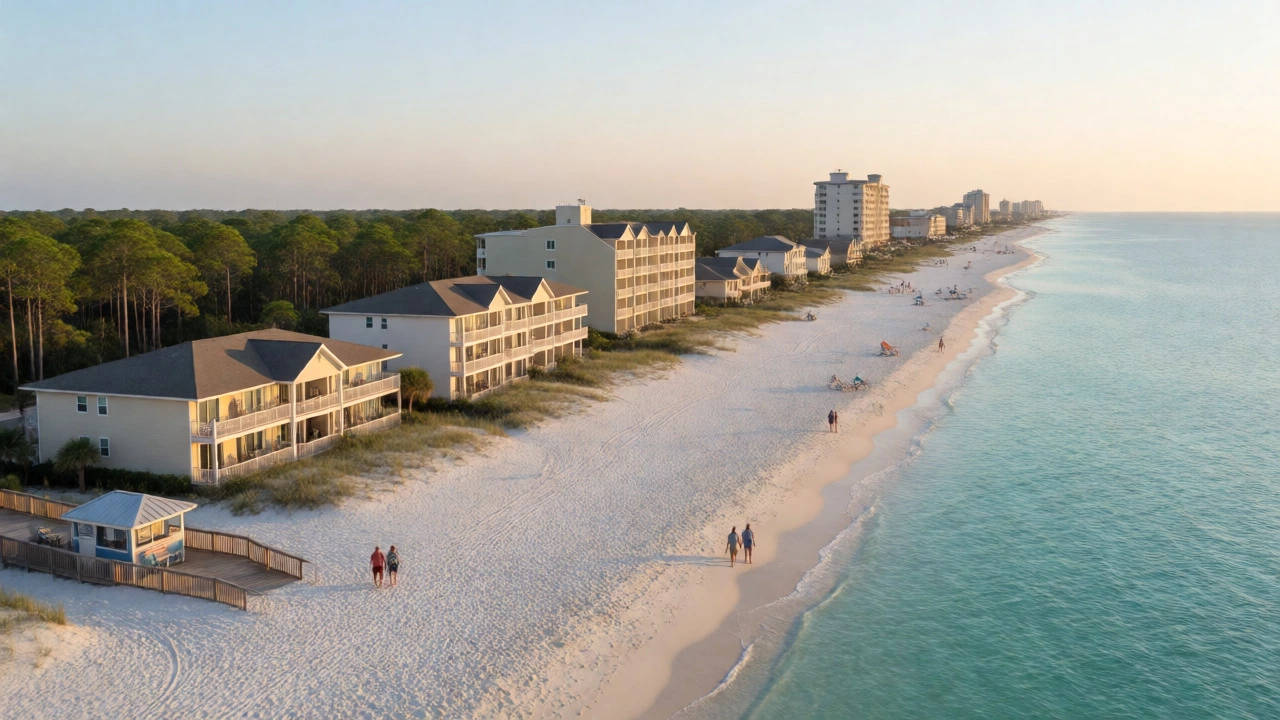
Panama City Beach is a coastal city known for its sugar-white sand beaches and affordable accommodation options compared to South Florida. It’s not trying to be exclusive; it’s trying to be fun. You’ll find plenty of mid-range hotels and condo rentals that cost half of what you’d pay in Miami Beach. Plus, the food scene is surprisingly robust for the price. Think fresh seafood shacks where a fish sandwich costs $12, not $28.
Pensacola offers a similar deal but with a bit more history and less party chaos. It’s a great spot if you want a quieter, cheaper beach experience. The housing market here is significantly lower than the national average, which trickles down into hotel rates and restaurant prices. You’re getting real local culture, not a tourist trap markup.
Northeast Florida: The Jacksonville Alternative
Most tourists skip Northeast Florida entirely, which is exactly why it’s so cheap. Jacksonville is Florida's largest city by area, offering diverse neighborhoods, extensive beaches, and significantly lower living costs than coastal hubs. It’s often dismissed as "just another big city," but that’s its superpower. Because it’s a working port city and a regional hub, it doesn’t rely solely on tourism dollars to inflate prices.
Stay in the Atlantic Beach or Neptune Beach areas. These are small, charming communities right next to Jacksonville. You get access to beautiful beaches without the Miami crowds. Hotel rooms here can be found for under $100 a night during off-peak times. And let’s talk about food: Jacksonville has one of the best craft beer scenes in the Southeast, with taprooms that won’t charge you $9 for a pint.
If you’re driving from the North, stopping in Jacksonville makes sense logistically and financially. You avoid the traffic hell of I-95 further south, saving both time and gas money.
The Space Coast: Value Near the Attractions
You probably think Orlando is expensive. It is. But the nearby Space Coast, centered around Cocoa Beach and Melbourne, offers a cheaper alternative with easy access to theme parks. This region is perfect for families who want to hit Disney World or Universal Studios but don’t want to sleep in an overpriced resort hotel.
Cocoa Beach is a coastal community on Florida's east coast known for surfing, NASA proximity, and affordable lodging options. Staying here means you’re 45 minutes from Orlando, but your nightly rate could be 30-40% lower. You also get actual ocean views instead of a view of a parking lot at a convention center hotel.
Melbourne, just north of Cocoa Beach, is even cheaper. It’s a bit more industrial, sure, but it has solid chain hotels and motels that are clean and functional. If you’re spending 12 hours a day at a theme park, do you really care about luxury bedding? Probably not. Save the cash for the fast passes and the snacks.
Tampa Bay Area: Urban Vibes Without the Miami Price Tag
Tampa is often overshadowed by Miami, but that’s Tampa’s loss-or rather, our gain. Tampa is a major city on the Gulf Coast of Florida offering cultural attractions, professional sports teams, and a lower cost of living than Miami. It has a vibrant downtown, great museums, and a food scene that rivals any big city, but the prices are much more reasonable.
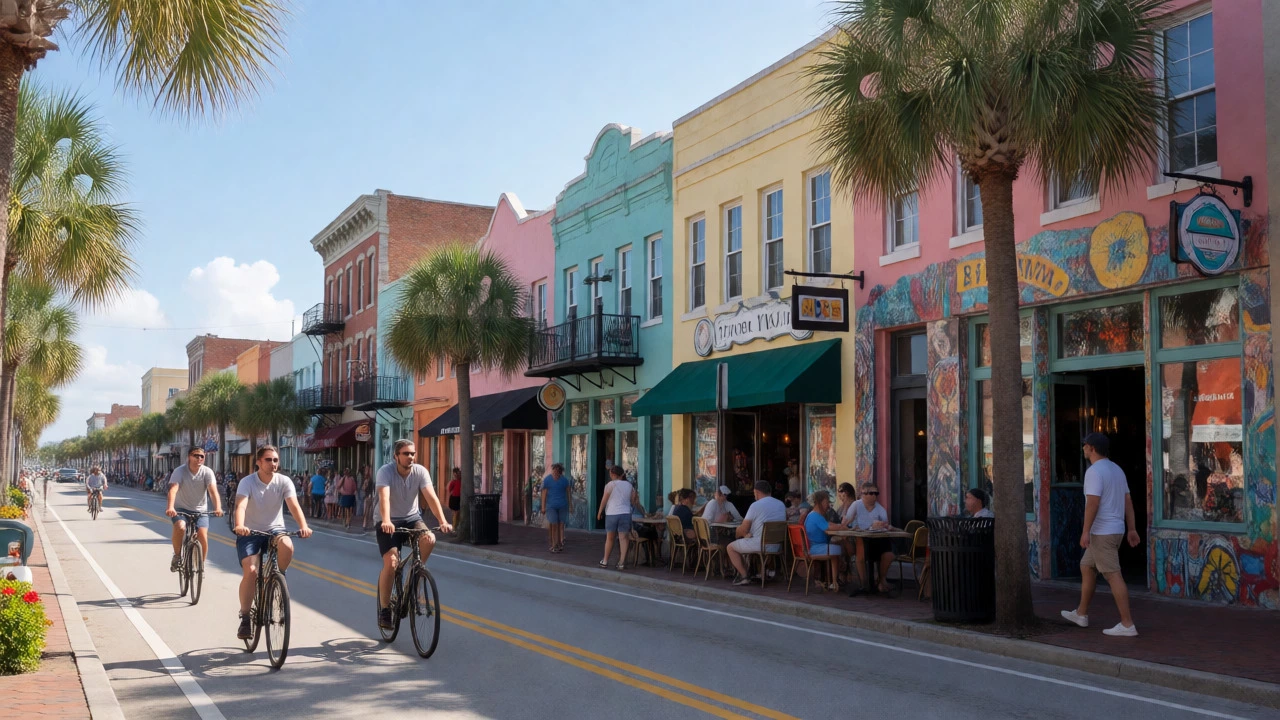
St. Petersburg, across the bay, is arguably even better for value. It’s walkable, bike-friendly, and has a cool arts district. You can find boutique hotels for $120-$150 a night, which would get you a closet in South Beach. Clearwater Beach is nearby, too, and while it gets busy, it’s still generally cheaper than Miami’s beaches.
The key here is location. Stay slightly inland or in older neighborhoods to save money. Avoid the immediate waterfront if you’re on a strict budget, but don’t worry-you’re never more than a short drive from the water.
Southwest Florida: The Quiet Gems
Fort Myers and Naples are famous, but they can be pricey. However, the surrounding areas offer hidden bargains. Consider staying in Cape Coral or Port Charlotte. These are residential communities with canals and boat docks, offering a relaxed, authentic Florida feel.
Rental homes and condos here are abundant. Since many properties are owned by retirees or seasonal residents, you can often negotiate better rates for longer stays. If you’re planning a week-long trip, booking a whole house in Cape Coral might cost less per person than a single room in a Miami hotel.
| Region | Avg. Hotel/Night | Meal Cost (Casual) | Best For |
|---|---|---|---|
| Panama City Beach | $90 - $140 | $12 - $18 | Beach lovers, Families |
| Jacksonville/Neptune Beach | $80 - $130 | $10 - $16 | Urban explorers, Foodies |
| Cocoa Beach/Melbourne | $100 - $160 | $14 - $20 | Theme Park visitors |
| Tampa/St. Pete | $110 - $170 | $15 - $22 | Culture, Nightlife |
| Miami/South Beach | $200 - $400+ | $25 - $40+ | Luxury seekers, Party-goers |
Timing Your Trip Matters More Than Location
Even the cheapest part of Florida gets expensive in peak season. To truly keep costs low, you need to watch the calendar. January through March is "Snowbird Season." Prices skyrocket because everyone from Canada and the Northern US flees the cold. If you can, visit in late April, May, or September. You’ll dodge the worst heat and the highest prices.
September is particularly interesting. Hurricane season is technically active, yes, but statistically, direct hits are rare. The upside? Hotels are desperate for guests. You can often snag last-minute deals for 50% off regular rates. Just buy travel insurance. It’s worth the $50 to protect your $500 savings.
Transportation: Renting vs. Flying
One sneaky cost in Florida is transportation. Public transit is virtually non-existent outside of Miami and parts of Orlando. You will need a car. When comparing regions, factor in rental car costs and gas. Jacksonville and Tampa often have cheaper rental cars than Miami because there’s less demand from international tourists.
If you’re flying in, consider secondary airports. Instead of flying into Miami International (MIA), look at Sarasota-Bradenton (SRQ) or Southwest Florida International (RSW). Flights to these smaller airports are sometimes cheaper, and navigating them is less stressful.
Food Hacks for Budget Travelers
Eating out every meal adds up fast. In Florida, you can save big by embracing local chains and markets. Publix, the state’s beloved grocery store, has amazing deli sandwiches for under $8. They’re filling, fresh, and available everywhere. Skip the touristy restaurants near the beach and walk two blocks inland. You’ll find Cuban cafes and taco stands serving authentic meals for half the price.
Also, take advantage of happy hours. Many bars and restaurants in Tampa, Jacksonville, and even Panama City offer significant discounts on food and drinks between 3 PM and 6 PM. It’s a great way to enjoy a nice dinner without blowing your budget.
Accommodation Types: Condos vs. Hotels
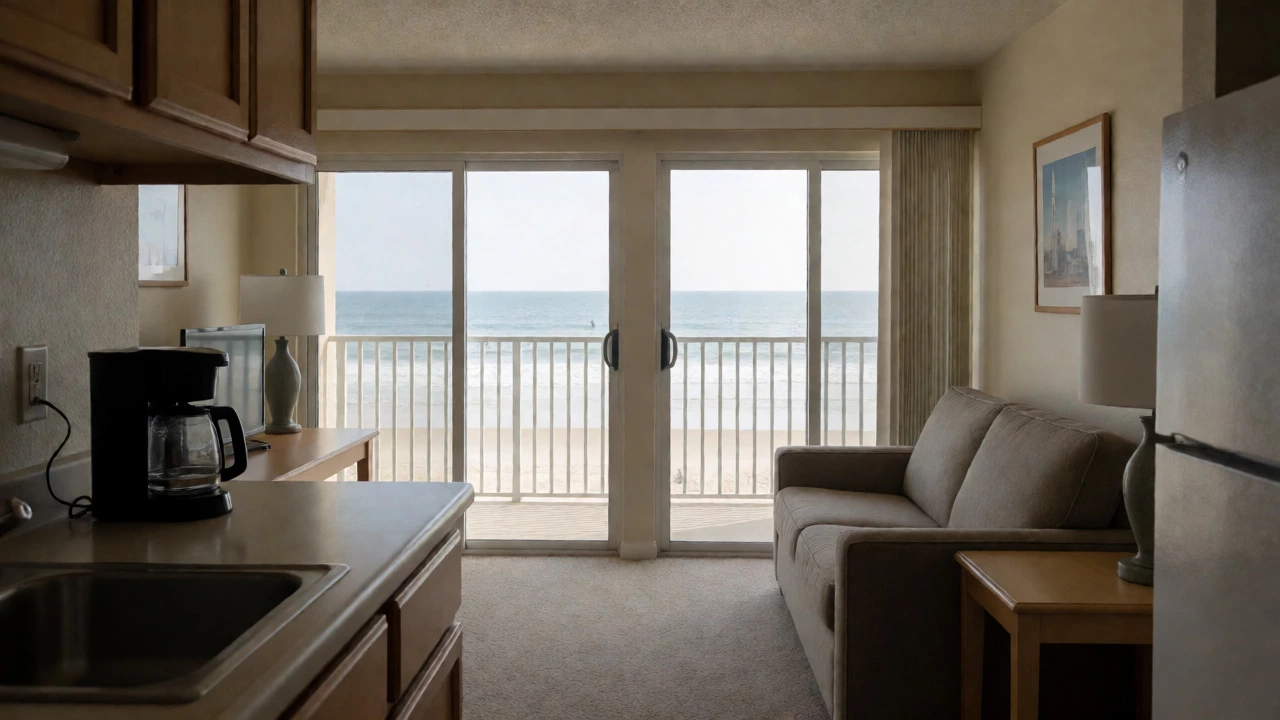
In Florida, especially in the Panhandle and Space Coast, renting a condo is often cheaper than a hotel room, particularly for groups or families. Look for properties with kitchens. Being able to cook breakfast and pack lunches saves hundreds over a week-long trip. Websites like Vrbo or Airbnb often list these units directly from owners, cutting out middleman fees.
For solo travelers or couples, extended-stay hotels like Residence Inn or Homewood Suites can be a good compromise. They offer kitchenettes and free breakfast, reducing your daily food spend while providing hotel-like services.
Frequently Asked Questions
Is Miami always the most expensive part of Florida?
Generally, yes. Miami, especially South Beach and Brickell, commands premium prices due to high demand, luxury branding, and limited space. However, other areas like Naples and certain parts of Key West can also be very expensive. Compared to the Panhandle or Northeast Florida, Miami is consistently the most costly option for accommodation and dining.
Which Florida city has the cheapest rent for long-term stays?
Cities in the interior and northern parts of the state, such as Ocala, Gainesville, and parts of Jacksonville, typically have the lowest rents. Coastal towns in the Panhandle like Pensacola also offer relatively affordable long-term leases compared to southern coastal cities. Always check current listings, as markets fluctuate.
Are flights cheaper to smaller Florida airports?
Not always, but often. Smaller airports like Sarasota-Bradenton (SRQ) or Punta Gorda (PGD) may have fewer direct flights, requiring connections that can increase total travel time. However, competition from budget airlines serving these airports can sometimes result in lower ticket prices compared to major hubs like Miami (MIA) or Orlando (MCO), especially during peak seasons.
What is the best time to visit Florida for low prices?
The shoulder seasons-late April to early June and September to November-are usually the best times for low prices. Winter (December to February) is peak season with high prices due to snowbirds. Summer (June to August) sees increased rainfall and higher humidity, leading to lower demand and better deals, though hurricane risk increases.
Do I need a car to explore cheap parts of Florida?
Yes, in almost all cases. Florida’s public transportation system is limited outside of dense urban centers like Miami and Orlando. Even in those cities, coverage can be spotty. Having a rental car gives you flexibility to find cheaper accommodations and dining options located away from tourist hotspots, which is essential for budget travel.