
Cheapest Vacation Spots for 2026: Affordable City Breaks and Destinations
 Apr, 27 2026
Vacation Budget Estimator 2026
*Daily estimates include budget accommodation, meals, and local drinks.
Estimated Total Stay Cost:
Based on current 2026 budget projections.
Quick Hits for Budget Travelers
- Southeast Asia: Unbeatable for street food and hostels.
- Eastern Europe: High-culture cities with low price tags.
- Central America: Great for nature and affordable guesthouses.
- The Balkans: Hidden gems with very low cost of living.
The Heavy Hitters for Low-Cost City Breaks
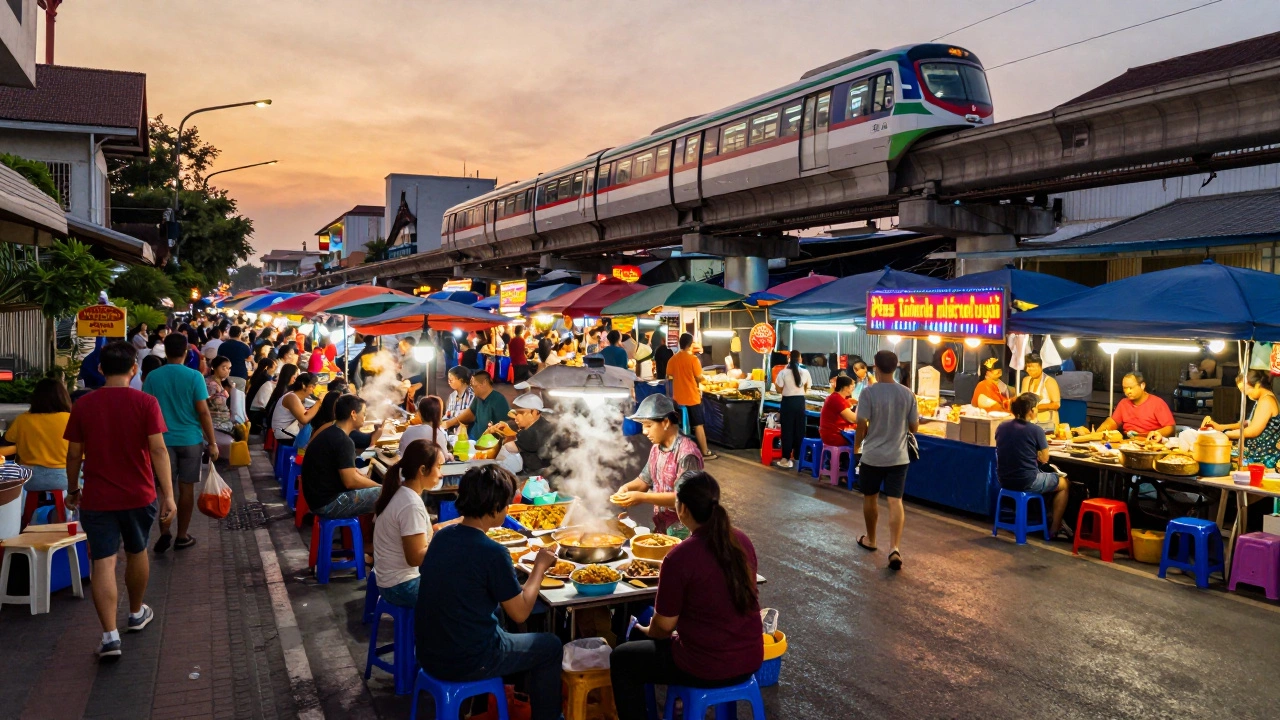
When we talk about the absolute cheapest spots, Bangkok is often the first answer. It's a city where you can get a world-class meal on a street corner for $2. The cost of living is so low that even mid-range hotels feel like a steal. You can spend a week exploring temples and markets without ever hitting a budget ceiling. The trick here is using the public transit like the BTS Skytrain instead of overpriced tourist taxis.
If you prefer something colder, Prague and Budapest are the gold standards for Eastern Europe. While Prague has become more popular (and slightly pricier), Budapest still offers incredible value. You can visit the thermal baths and eat hearty goulash for a fraction of what you'd pay in Paris. A huge pro tip for Budapest is sticking to the "ruin bars" in the Jewish Quarter-they're atmospheric, unique, and surprisingly cheap.
Then there is Hanoi in Vietnam. This is arguably the most affordable capital city in the world. From $1 coffee (egg coffee is a must) to hostels that cost less than a movie ticket, Hanoi is a dream for anyone on a shoestring budget. The city is walkable, though the traffic is chaotic, making it a great place to just wander and discover hidden alleys.
Comparing the Costs: Where Your Money Goes Further
To really see where the value lies, we have to look at the daily spend. This includes a bed in a decent hostel or a budget hotel, three meals, and one or two activities.
| City | Avg. Bed (Budget) | Daily Food | Local Beer/Coffee | Total Daily Est. |
|---|---|---|---|---|
| Hanoi | $12 - $20 | $8 - $15 | $1 - $2 | $25 - $40 |
| Bangkok | $15 - $25 | $10 - $20 | $2 - $4 | $30 - $50 |
| Budapest | $20 - $35 | $15 - $25 | $3 - $6 | $45 - $70 |
| Mexico City | $25 - $40 | $12 - $22 | $3 - $7 | $50 - $80 |
How to Actually Keep it Cheap
Picking a cheap city is only half the battle. If you spend your whole time in hotels that cater to Americans or Europeans, you're just paying "Western prices" in a "Cheap city." To keep costs down, you need to shift your habits.
First, eat where the locals eat. If a restaurant has a menu translated into five different languages and a picture of the food on a sign outside, it's a tourist trap. Look for the places with plastic stools and a crowd of locals. Not only is the food cheaper, but it's usually more authentic.
Second, use Hostels. I'm not just talking about 20-person dorms. Many modern hostels offer "pod" beds that give you privacy, or cheap private rooms. This is the fastest way to cut your biggest expense-accommodation-by 50% or more.
Third, leverage free activities. Almost every major city has "Free Walking Tours." These are led by locals who work for tips. It's the best way to get the layout of the city and learn the history without paying for a $100 private guide. In Mexico City, for example, wandering through the Bosque de Chapultepec is free and offers some of the best views and museums in the city.

Hidden Gems: The Under-the-Radar Spots
If you want to avoid the crowds and the rising prices of "Instagram-famous" spots, look at Albania. Specifically, Tirana. It's one of the cheapest capitals in Europe. You get Mediterranean vibes, great coffee culture, and incredibly cheap beer. Because it's not as heavily marketed as Croatia or Greece, the prices haven't skyrocketed yet.
Another great option is Georgia (the country, not the state). Tbilisi is a fascinating mix of old and new. The wine is world-famous and incredibly cheap, and the food-like Khachapuri (cheese bread)-is filling and costs pennies. Georgia is a prime example of a place where your currency has massive purchasing power.
Common Budget Travel Mistakes
Many people try to save money on the destination but blow it on the small stuff. The biggest culprit is the airport transfer. Taxis at the airport will always try to overcharge you. Use a ride-sharing app like Grab in Asia or Bolt in Europe to get a fair, locked-in price.
Another mistake is ignoring the local SIM card. Using a roaming plan from your home provider is a waste of money. Buy a local SIM at the airport or a convenience store. You'll get faster data for a fraction of the cost, which lets you use maps and translation apps to avoid getting lost and ending up in a pricey tourist area.
Finally, don't forget about travel insurance. It seems like an extra cost upfront, but one accident in a country without a great healthcare system can turn a "cheap vacation" into a financial nightmare. A basic policy is a small price to pay for peace of mind.

Planning Your Low-Cost Trip
To make this happen, you need a strategy. Start by tracking flights using tools that allow you to search for "Everywhere." Instead of picking a city and finding the price, find the cheapest flight and pick the city. Often, a $300 flight to a slightly less popular city can save you more than a week of budgeting on the ground.
Consider the "shoulder season." This is the period between the peak summer rush and the dead of winter. In Europe, this usually means May or September. The weather is still great, but hotels drop their prices to fill rooms. You can often find 30% discounts on accommodation just by shifting your trip by two weeks.
Is it safe to visit the cheapest vacation spots?
Generally, yes. Many of the most affordable destinations, like Thailand or Vietnam, are very welcoming to tourists. However, "cheap" doesn't mean "risk-free." Standard travel safety applies: keep your valuables secure, be aware of common tourist scams in high-traffic areas, and use reputable transport apps. Researching specific neighborhoods before you arrive is the best way to ensure you're staying in a safe area.
Do I need a lot of cash or can I use cards?
In budget destinations, cash is still king, especially for street food and local markets. While hotels and big malls take cards, you'll miss out on the cheapest experiences if you don't have local currency. I recommend using a travel-friendly debit card that offers low or no foreign transaction fees and withdrawing larger amounts from ATMs to minimize fee hits.
What is the cheapest month to travel?
Usually, November and February are the cheapest months globally because they fall between the major holiday peaks. However, this depends on the region. For Southeast Asia, avoid the "monsoon' season if you hate rain, but that's often when prices bottom out. For Europe, late autumn (October/November) offers the best deals on city breaks.
Are hostels really the only way to save on sleep?
Not necessarily. Guesthouses, "Boutique Hostels" with private rooms, and short-term apartment rentals (like Airbnb or local equivalents) can be very affordable. In cities like Mexico City or Bangkok, you can often find a clean, private studio for the price of a fancy hostel dorm in London. The key is to look for places owned by locals rather than international hotel chains.
How do I find the cheapest flights?
Use a combination of flight aggregators and the "incognito" mode on your browser to avoid price hikes based on your search history. Set up price alerts for your target destinations. Also, consider flying into a major hub (like Bangkok) and then taking a local budget airline or bus to your final destination; this is almost always cheaper than booking a direct flight to a smaller city.
Next Steps for Your Budget Adventure
If you're ready to book, start by auditing your current spending to see how much you can actually allocate to your trip. Create a "daily cap" based on the tables above. If you're a solo traveler, focus on hostels and social tours to meet people. If you're traveling as a couple, look for budget Airbnbs which often work out cheaper than two hostel beds.
For those who are totally new to this, try a "mini-budget trip" first. Pick a city in your own region that is known for being affordable. Practice using public transit, eating street food, and using free guides. Once you get the hang of the budget mindset, jumping on a plane to Hanoi or Tbilisi will feel like a breeze.