
Holiday House vs. Holiday Cottage: Key Differences Explained
 Jun, 29 2026
Holiday Cottage vs. House Finder
Tell us about your trip:
Result
Description goes here.
Tip: Always check floor plans and recent reviews to confirm specific features.
Select your preferences
Click "Find My Perfect Stay" to see if a Cottage or House suits you best.
You’re scrolling through booking sites, eyes glazed over by hundreds of photos. One listing says "Luxury Holiday House." The next one screams "Charming Holiday Cottage." They both have kitchens, beds, and Wi-Fi. So why do they have different names? And more importantly, which one will actually give you the break you need?
It’s a question that trips up even seasoned travelers. In the world of short-term rentals, terminology isn’t just marketing fluff-it usually signals specific structural features, locations, and vibes. If you book the wrong one, you might end up in a drafty stone box when you wanted a modern mansion, or vice versa.
Let’s clear up the confusion once and for all. Understanding the difference between a holiday cottage and a holiday house can save you from disappointment and help you pick the perfect base for your next trip.
The Core Definition: Size and Structure
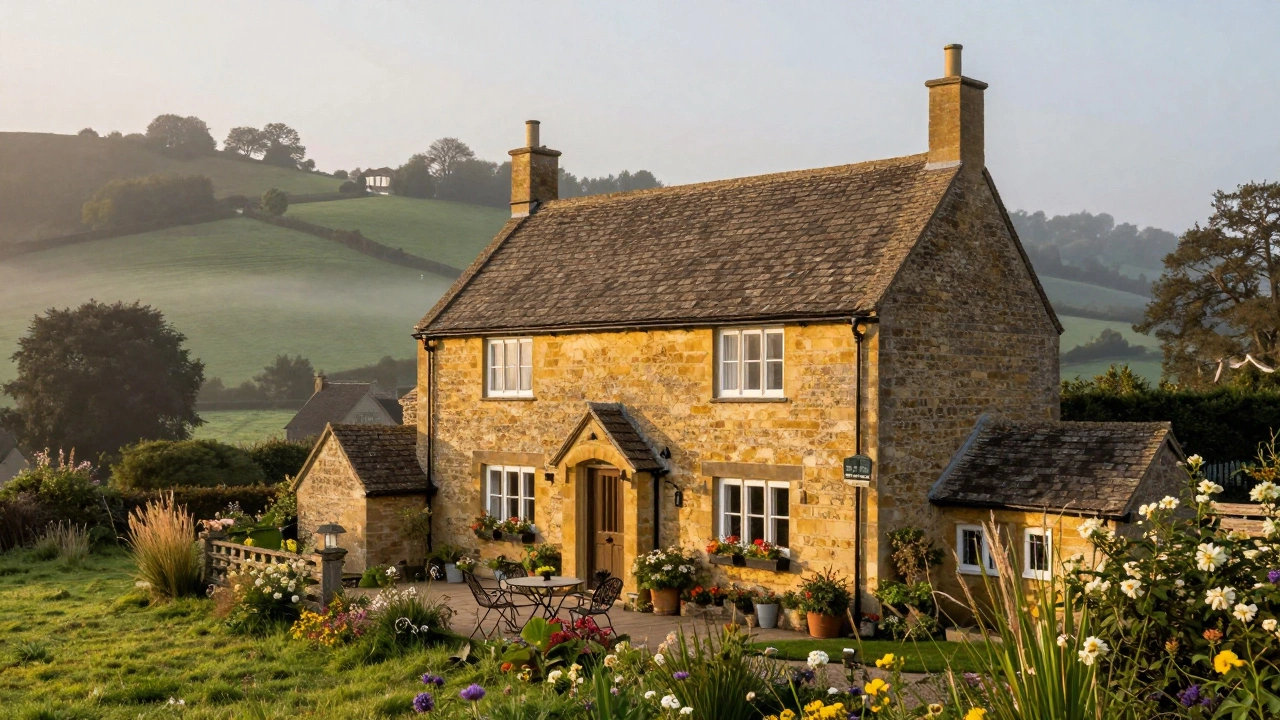
At its simplest level, the distinction comes down to size and architectural history. A holiday cottage is typically a smaller, standalone residential building, often with historical roots as agricultural or worker housing. Think of a converted barn, a former shepherd’s hut, or a small brick home tucked into a village green. These properties are usually single-story or have limited floor space. They are designed for intimacy.
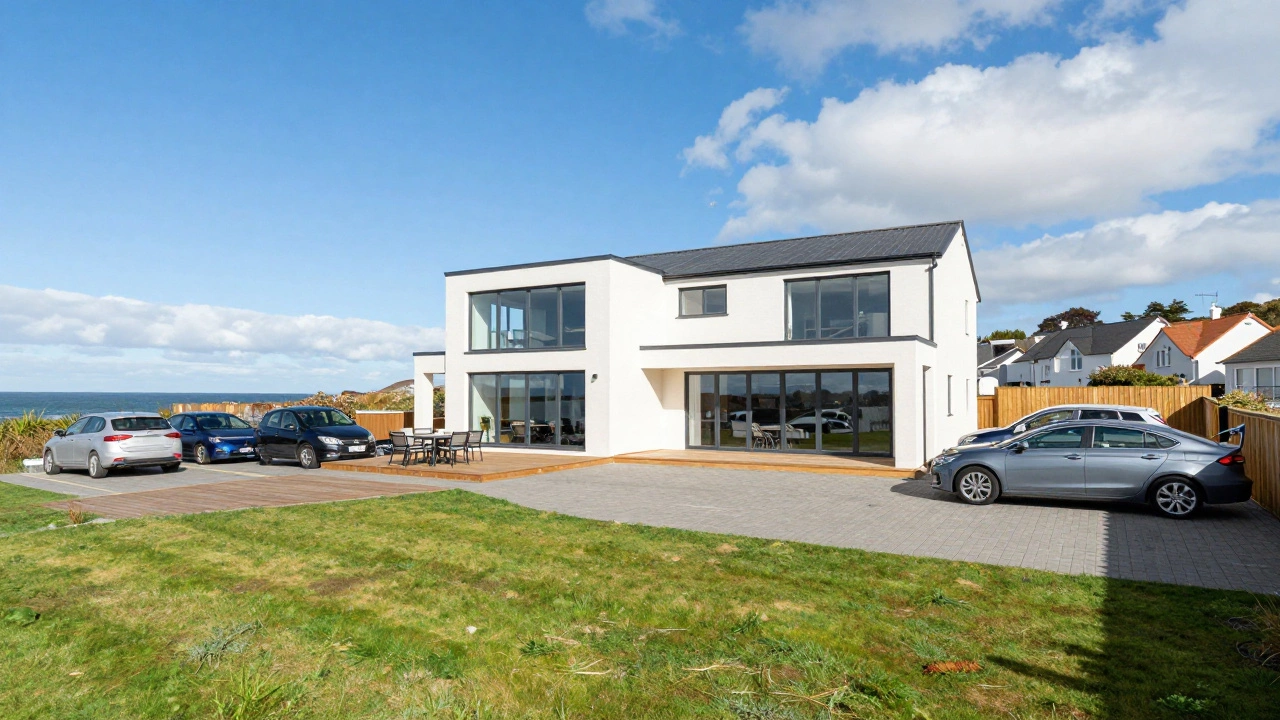
In contrast, a holiday house is a larger residential property used for temporary accommodation, often featuring multiple floors, several bedrooms, and more expansive living areas. A holiday house could be a detached villa, a semi-detached family home, or a large apartment-style unit. It is built for volume-more people, more rooms, more space to spread out.
If you are traveling with a partner or a small family of three, a cottage often feels cozy and complete. If you are bringing two families, grandparents, and a dog, a holiday house provides the necessary square footage to keep everyone happy without stepping on each other’s toes.
Location: Village Charm vs. Strategic Access
Where these properties sit matters just as much as what they look like inside. Holiday cottages are frequently found in rural settings. You’ll spot them in the Lake District, the Cotswolds, or the Scottish Highlands. They are often nestled in quiet villages, surrounded by fields, forests, or moorlands. The appeal here is seclusion. You want to hear birds, not traffic. You want to walk to the local pub, not drive past a shopping center.
Holiday houses, while also found in rural areas, are more likely to be located near towns, coastal resorts, or major attractions. Because they accommodate larger groups, owners often place them where access is easier. Think of a holiday house near Blackpool, Brighton, or a ski resort in the Alps. They are strategic bases for activity rather than retreats for silence.
This location difference affects your daily routine. In a cottage, your day might start with a slow coffee on a private patio facing a meadow. In a holiday house, it might start with coordinating car pools to a theme park or beach.
| Feature | Holiday Cottage | Holiday House |
|---|---|---|
| Size | d>Small to medium (1-3 bedrooms)Large (4+ bedrooms common) | |
| Architecture | Historical, rustic, converted structures | Modern, suburban, or traditional family homes |
| Location | Rural, secluded, village centers | Towns, coastal resorts, near attractions |
| Vibe | Cozy, intimate, romantic | Spacious, social, practical |
| Best For | Couples, small families, solo travelers | Large groups, multi-generational families |
Amenities and Comfort Levels
Don’t let the word "cottage" fool you into thinking you’ll be sleeping on straw. Modern holiday cottages are fully equipped with central heating, high-speed Wi-Fi, and smart TVs. However, due to their smaller footprint and older construction, they may lack certain amenities. There might not be room for a dishwasher, a washing machine, or a dedicated workspace. Outdoor space is often limited to a small patio or a shared garden area.
Holiday houses, being larger, almost always include full domestic appliances. You’ll find dishwashers, double ovens, and ample parking. Many holiday houses also feature larger gardens, BBQ areas, and sometimes even swimming pools or hot tubs. If you plan to cook elaborate meals for eight people, a holiday house kitchen will handle the load better than a cottage galley kitchen.
Accessibility is another factor. Older cottages, especially those converted from farm buildings, may have steep stairs, narrow doorways, or ground-floor bathrooms only. Holiday houses are more likely to have been built or renovated with modern accessibility standards in mind, though this varies wildly by property age.
Cost Considerations: Value vs. Price
Price per night is rarely the whole story. A luxury holiday cottage in a prime location can cost more per night than a standard holiday house in a less desirable area. However, when calculating value, consider the group size.
If you are two people, a holiday cottage is often cheaper overall because you aren’t paying for unused bedrooms. But if you are a group of six, splitting the cost of a holiday house among everyone might result in a lower individual price than booking three separate hotel rooms or two smaller cottages.
Also, look at hidden costs. Cottages in remote rural areas might require a car, adding fuel costs. Houses near town centers might offer free parking but higher nightly rates. Always check what’s included: bedding, towels, and cleaning fees can vary significantly between providers.
Who Should Choose Which?
Your choice should depend entirely on who you are traveling with and what you want to achieve.
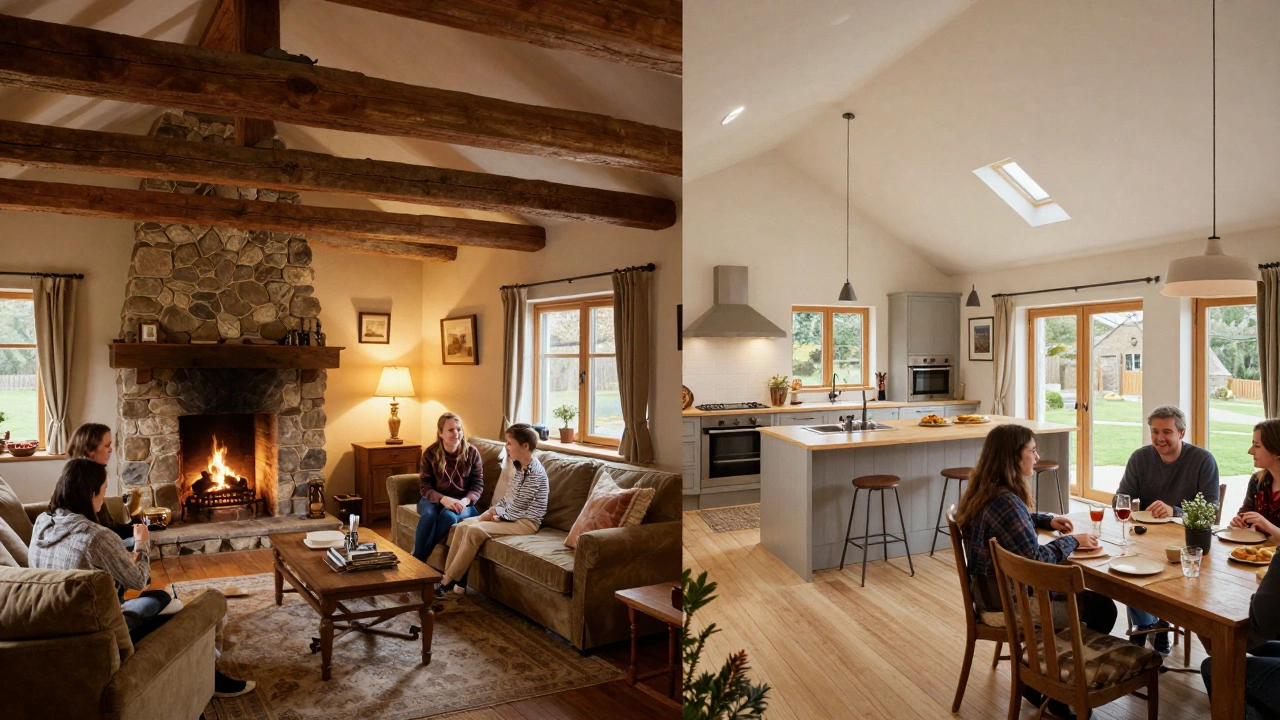
- Choose a Holiday Cottage if: You are a couple seeking romance, a small family wanting a quiet nature escape, or a solo traveler looking for character and charm. You prioritize atmosphere, history, and peace over space and amenities.
- Choose a Holiday House if: You are traveling with extended family, friends, or multiple couples. You need space for kids to run around, want to host a dinner party, or require specific amenities like a large kitchen or parking for multiple cars.
There is no "better" option, only the right fit for your specific trip. A cottage won’t feel cramped if you love coziness. A house won’t feel empty if you value privacy and separation.
Booking Tips to Avoid Disappointment
Photos can be deceiving. A "cottage" might look tiny in photos but have a massive loft conversion. A "house" might look grand but have a tiny backyard. Here’s how to verify:
- Check the floor plan: Reputable listing sites provide floor plans. Measure the square footage mentally. Does it match your needs?
- Read recent reviews: Look for comments about noise, heating, and actual space. Did previous guests mention feeling crowded? Or did they complain about echoing halls?
- Contact the owner: Ask specific questions. "Is there enough seating for four adults in the living room?" "Is the bathroom accessible from the bedroom?" Owners appreciate clarity and will often give honest answers.
- Verify the location: Use satellite view maps. Is the cottage truly isolated, or is it next to a road? Is the house really near the beach, or is it a 20-minute walk away?
Understanding these differences empowers you to make a confident choice. Whether you crave the snug warmth of a stone-walled cottage or the spacious freedom of a family holiday house, knowing what you’re getting ensures your holiday starts the moment you arrive-not after you unpack and realize you’ve made a mistake.
Are holiday cottages always smaller than holiday houses?
Generally, yes. Holiday cottages are typically defined by their smaller size, often having 1-3 bedrooms. Holiday houses usually have 4 or more bedrooms and significantly more square footage. However, some large converted barns labeled as cottages can rival small houses in size, so always check the specific details.
Which is more expensive: a holiday house or a cottage?
It depends on location and season. Per night, a luxury cottage in a popular destination like the Cotswolds can be very expensive. However, on a per-person basis, a holiday house is often cheaper for groups because the cost is split among more people. Always compare the total price against your group size.
Can I bring pets to both holiday houses and cottages?
Many of both types are pet-friendly, but cottages are statistically more likely to allow pets due to their rural settings and private outdoor spaces. Always confirm pet policies, including any extra fees or restrictions on breed and size, before booking.
Are holiday cottages suitable for families with young children?
Yes, but check for safety features. Some older cottages may have open fires, steep stairs, or fragile antique furniture. Look for listings that mention child-proofing, cots, and safe outdoor play areas. Holiday houses often have more space for children to move around safely indoors.
What is the difference between a holiday cottage and a cabin?
A cabin is typically constructed primarily of wood and is often found in forested or mountainous areas. A holiday cottage is usually made of brick, stone, or timber frame and has a more traditional residential appearance. Cabins are often simpler and more rustic, while cottages may have more historical character and finishes.