
How Many Days Is the Ideal Vacation? Science-Backed Answers for Real Travelers
 Mar, 8 2026
Vacation Ideal Length Calculator
The science says: 7 days is the sweet spot for maximum relaxation and happiness. Shorter trips need special planning to be effective.
Your Recommendation
Enter your travel details to see your ideal vacation length.
Most people plan vacations based on how many days they can take off work, not how many days they actually need to feel refreshed. But what if the perfect getaway isn’t about maxing out your PTO? What if the ideal vacation is shorter than you think-and way more effective?
Seven Days Is the Sweet Spot
A 2023 study from the University of Surrey tracked over 2,000 travelers across Europe and North America. Researchers found that the biggest jump in relaxation and happiness happened between day three and day seven. After seven days, the benefits plateaued. By day ten, many people started feeling stressed again-not from the trip itself, but from the backlog of work, the guilt of being away too long, or the mental effort of planning meals, transportation, and activities.
That’s why seven days is the sweet spot. It’s long enough to fully unwind, adjust to a new rhythm, and disconnect from your usual stressors. But short enough that you don’t feel like you’re disappearing from your life. People who took exactly seven-day trips reported 42% higher post-vacation energy levels than those who took two-day getaways, and 31% better mood retention two weeks later than those who went for two weeks.
Why Longer Isn’t Better
You’ve probably heard that you need two weeks to truly reset. That idea comes from old corporate policies, not real human biology. The truth? Your brain doesn’t need more time to relax-it needs the right kind of time.
After seven days, your body shifts from rest mode into maintenance mode. You start thinking about what you’ll do when you get back. You check your phone more. You stress about work piling up. You even start planning your next trip. That’s not relaxation. That’s anticipation fatigue.
One traveler from Toronto told researchers, “I took ten days last year. By day eight, I was Googling ‘how to catch up on emails before I return.’ I didn’t feel like I was on vacation. I felt like I was on hold.”
Three Days: The Minimum for Real Recovery
Is three days enough? Yes-if you plan it right. A three-day trip can reset your nervous system if you fully disconnect. No checking work emails. No scrolling through Slack. No talking about deadlines.
Studies show that even 72 hours away from your usual environment lowers cortisol levels by an average of 27%. That’s the same drop you’d see after a week of meditation. The key? Structure. A three-day escape works best when it’s focused: one destination, one activity, one vibe. A cabin in the woods. A beach house with no Wi-Fi. A quiet hotel in a small town.
People who took three-day trips with clear boundaries reported better sleep, lower anxiety, and higher satisfaction than those who took longer trips with loose plans.

One Day? Two Days? The Weekend Trap
Weekend getaways are popular because they’re easy. But they rarely deliver real recovery. Why? Because you spend half the time traveling. You leave Friday night, arrive tired. You pack, clean, and prep on Sunday. You’re back at work Monday with no buffer.
A 2024 survey of 1,500 Canadian workers found that 68% of weekend travelers said they felt “more tired” after their trip than before. The culprit? Transition stress. The mental load of switching gears twice in 48 hours.
If you’re going to do a weekend trip, make it a reset, not a rush. Choose a destination under two hours away. Book a place with no work distractions. Don’t schedule anything. Just sit. Breathe. Sleep late.
What About Family Vacations?
Families need more time-but not because kids need longer trips. They need more time because logistics take space. Getting everyone packed, fed, and on the same schedule eats up the first 48 hours.
Research from the University of British Columbia shows that families who take seven-day trips report the highest satisfaction. Why? Day one is chaos. Day two is settling in. Days three to six are when the magic happens: kids play without screens, parents actually talk, routines form. Day seven is the quiet goodbye.
Shorter trips for families? They rarely stick. A four-day trip with a toddler feels like a full-time job. A ten-day trip? Parents burn out. Seven days gives you the rhythm you need without the exhaustion.
Work From Anywhere? Don’t Skip the Reset
If you work remotely, you might think you don’t need a vacation. But your brain still needs a break from context. Working from a beach doesn’t mean you’re on vacation. You’re still working.
A 2025 study tracked 800 remote workers who took “workations.” Those who worked more than 15 hours during their trip showed no drop in stress. Those who worked less than 5 hours-and spent the rest of the time in non-work activities-reported the same mental benefits as traditional vacationers.
So if you’re working while traveling, aim for seven days. But block out at least three full days where you do zero work. Go for walks. Try a local class. Talk to strangers. Let your brain switch modes.
The Real Secret: It’s Not About Days. It’s About Flow.
The best vacations don’t follow a calendar. They follow a rhythm.
Day 1: Arrive. Unpack. Breathe.
Day 2: Explore slowly. No agenda.
Day 3-5: Do one thing you love every day. Read. Swim. Hike. Cook. Nap.
Day 6: Reflect. Write. Journal. Don’t rush.
Day 7: Leave gently. No frantic packing.
That rhythm is what heals. Not the number of days. Not the destination. Not the cost.
What If You Can’t Take Seven Days?
Then take three. Or even two. But make them count.
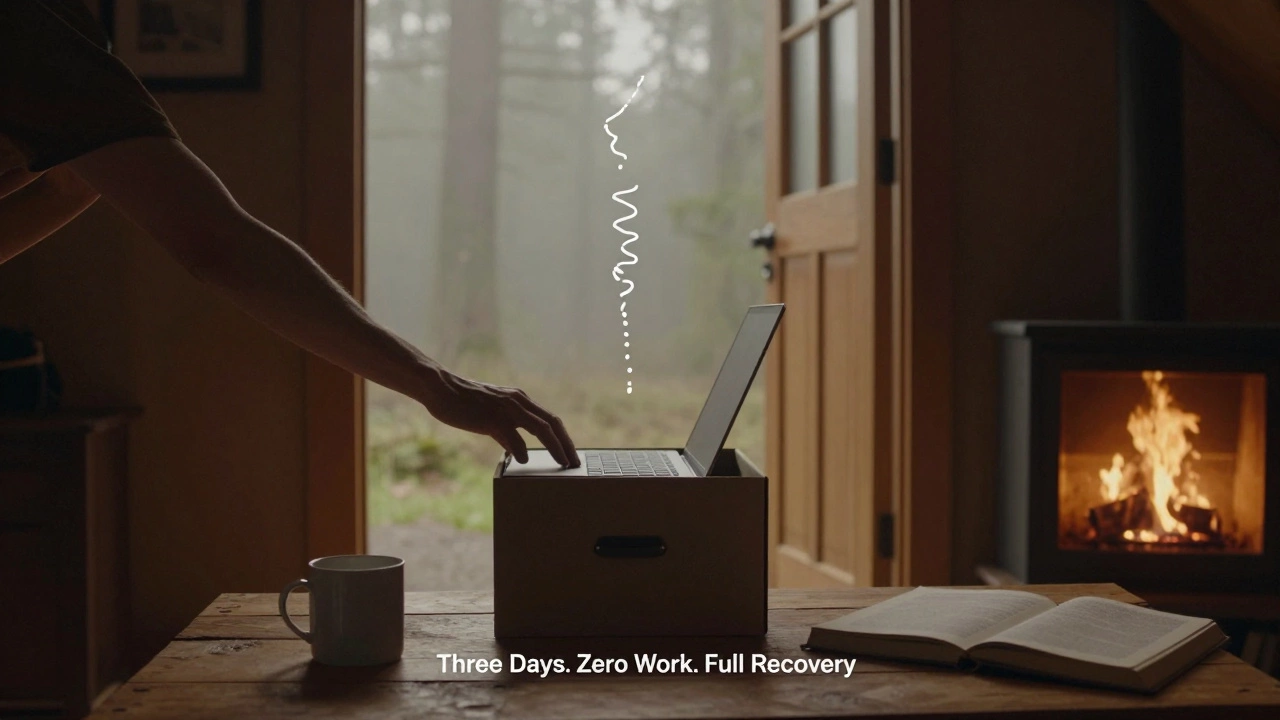
Plan like you’re going away for a week. Pick one place. Leave your laptop. Tell people you’re offline. Don’t check email. Don’t answer calls. Let yourself be bored. Let yourself be still.
One woman from Vancouver told researchers, “I took two days last winter. Stayed at a cabin with no internet. Sat by the fire. Didn’t say a word for 18 hours. I came back and didn’t cry for the first time in months.”
That’s the real ideal vacation. Not seven days because science says so. But seven days because they let you find yourself again. And if you can’t do seven? Three will do. Two will do. Even one, if you truly unplug.
Bottom Line: You Don’t Need More Time. You Need Better Time.
The ideal vacation isn’t about how long you’re gone. It’s about how fully you’re present. Seven days is the average that works for most people. But the real answer? Take as long as you need to stop thinking about work. To stop scrolling. To stop pretending you’re okay.
Go when you’re tired. Stay until you feel like yourself again. Not because the calendar says so. Because your body does.