
How Much Should a Trip Cost? A Realistic Budgeting Guide
 Apr, 5 2026
Trip Budget Estimator
Plan Your Expenses
Estimated Total
Quick Budgeting Cheat Sheet
Before we break down the math, here are some rough daily benchmarks to get your head in the game. These figures include food, local transport, and activities, but exclude long-haul flights and primary hotels.
- Budget / Backpacker: $30-$70 per day. Think hostels, street food, and free walking tours.
- Mid-Range: $100-$250 per day. This covers boutique hotels or Airbnbs, a mix of sit-down meals, and a few paid attractions.
- Luxury: $400+ per day. High-end resorts, fine dining, and private guided tours.
The Core Pillars of Your Trip Cost
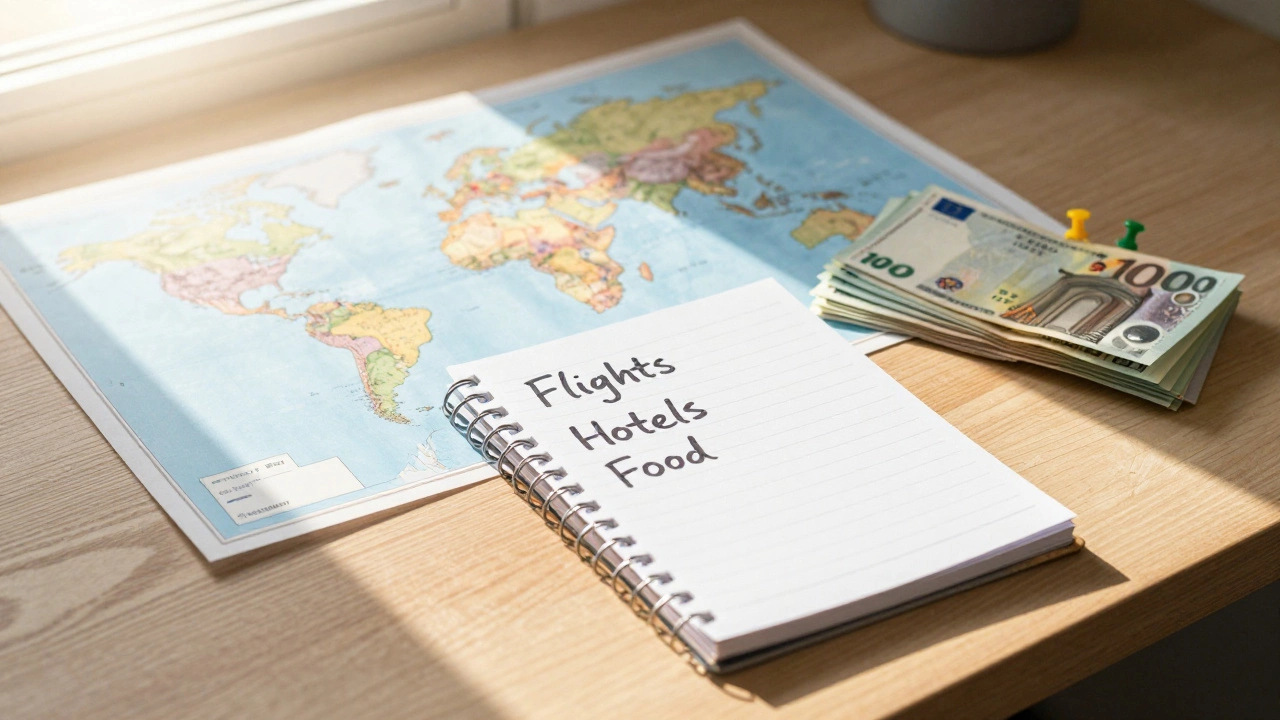
To figure out your total, you have to stop thinking about the trip as one big price tag and start looking at it as five distinct buckets. The first and often most volatile is Transportation is the cost of getting from your home to your destination and moving around once you arrive. For a long-haul flight to Europe or Asia in 2026, expect to pay between $800 and $1,500 for a round-trip economy ticket, depending on the season. If you are looking for holiday deals, booking 4-6 months in advance or using flexible date searchers can knock 20% off these prices.
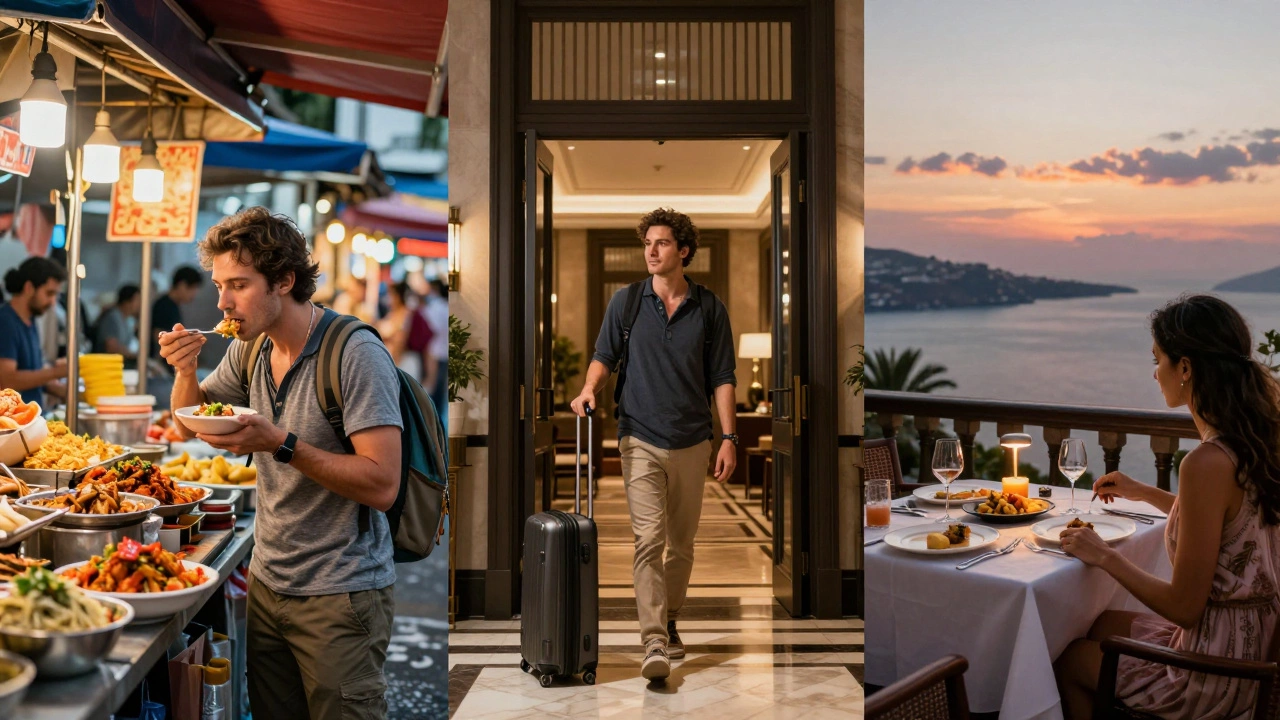
Next is Accommodation, which is the price of your nightly lodging, ranging from hostels to five-star hotels. This is where budgets usually break. A decent mid-range hotel in a city like London or New York will run you $150-$300 per night. If you switch to a highly-rated hostel or a budget guesthouse in a place like Thailand, that cost drops to $20-$40. The trick here is to decide how much of your day you actually plan to spend in your room. If you're sightseeing from 8 AM to 10 PM, spending $300 a night on a luxury bed is a waste of resources.
Then there is Food and Drink, which covers all daily meals, snacks, and beverages during a trip. Food costs vary wildly. In Japan, you can eat an incredible bowl of ramen for $8, but a cocktail in a rooftop bar in Singapore might cost $25. A good rule of thumb is to allocate 20-30% of your daily budget to food. To save, follow the 'one nice meal' rule: eat street food or grocery store finds for breakfast and lunch, and save your budget for a proper dinner.
Don't forget Activities and Sightseeing, which includes museum tickets, tour fees, and equipment rentals. A trip to Paris isn't complete without the Louvre, but those tickets add up. If you're visiting multiple museums, look for city passes. For example, many European cities offer a 3-day pass that bundles transport and entry to 10+ attractions, often saving you $40-$60 over individual tickets.
Finally, there is the Miscellaneous Fund, which is a safety net for unexpected expenses like emergency Ubers, pharmacy runs, or forgotten toiletries. Never travel without a buffer. A general rule is to add 10-15% to your total estimated cost. If you don't use it, you have extra cash for souvenirs or a fancy final dinner.
Comparing Costs by Destination Style
Not all destinations are created equal. Your dollar goes much further in some regions than others. To give you a concrete idea, look at how the same 'Mid-Range' style of travel changes based on the location.
| Destination Type | Average Daily Cost | Main Expense Driver | Saving Strategy |
|---|---|---|---|
| Southeast Asia (e.g., Vietnam) | $50 - $90 | Tours & Internal Flights | Eat local street food |
| Eastern Europe (e.g., Poland) | $80 - $130 | Accommodation | Use public transit |
| North America (e.g., USA) | $180 - $300 | Hotels & Dining | Rent a car, avoid city centers |
| Western Europe (e.g., France) | $200 - $350 | Dining & Sightseeing | Buy wine/cheese at markets |
How to Spot Real Holiday Deals
When you see a 'deal' online, it's rarely a gift. To find actual savings, you need to understand the timing. In 2026, the trend is 'shoulder season' travel. This is the window between the peak summer rush and the winter slump (usually May-June and September-October). During these months, hotels often drop prices by 30% to fill rooms, and the weather is still great.
Another way to lower costs is by using Dynamic Pricing knowledge. Airlines and hotels change prices based on demand. Using an incognito browser window prevents companies from raising prices based on your repeated search history. Also, consider 'hub-and-spoke' travel. Instead of staying in the most expensive city center, stay in a well-connected suburb. For instance, staying 20 minutes outside of central Tokyo via the subway can save you $100 per night without sacrificing much convenience.

Common Budget Traps to Avoid
Most travelers blow their budget on things they didn't plan for. The biggest culprit is the 'convenience tax.' This is the $10 bottle of water at the airport or the $60 taxi ride when a $5 bus is available. To avoid this, download an offline map and a local ride-sharing app before you land. Knowing the local fare rates prevents you from getting ripped off by opportunistic drivers.
Another trap is the 'all-inclusive' lure. While all-inclusive resorts seem like a way to cap spending, they often encourage you to stay inside the hotel. This means you miss out on authentic local experiences and may end up paying more for 'premium' alcohol or excursions that aren't actually included in the base price. If you enjoy exploring, a 'bed and breakfast' setup is almost always more cost-effective and rewarding.
Calculating Your Final Number
Ready to do the math? Use this simple formula to get your total trip estimate:
- Flight Cost (Round trip + baggage fees)
- Accommodation (Nightly rate × Number of nights)
- Daily Spend (Daily estimate × Number of days)
- Fixed Activities (Pre-booked tours or tickets)
- The Buffer (Sum of 1-4 × 0.15)
If this total is higher than your savings, don't cancel the trip. Instead, adjust the variables. Can you swap a hotel for a guesthouse? Can you move your dates to the shoulder season? Can you eat one less restaurant meal per day? Small tweaks in these areas can shave hundreds of dollars off the total without ruining the experience.
Is it better to budget per day or for the whole trip?
Both. Use a total trip budget to determine if you can afford the vacation, but use a daily limit to keep yourself disciplined while on the road. A daily limit prevents you from spending 50% of your funds in the first three days.
How much should I keep in a 'buffer' fund?
Aim for 10% to 20% of your total estimated cost. This covers everything from a lost phone charger to a sudden price hike in local transport or a medical emergency. It's better to come home with $200 left over than to run out of money two days before your flight.
Do travel insurance costs count toward the trip budget?
Yes. Travel insurance is a fixed cost, similar to your flight. While it feels like an extra expense, it's actually a budget protection tool. One medical emergency abroad can cost thousands, which would completely wipe out your savings.
How do I find the cheapest flights for 2026?
Use price tracking tools and set alerts. Be flexible with your destination-sometimes flying into a nearby major hub and taking a train or budget flight to your final destination is significantly cheaper than flying direct.
Are all-inclusive deals actually cheaper?
Only if you plan to spend most of your time at the resort. If you're someone who likes to explore the city, eat at local bistros, and visit museums, you'll pay for the all-inclusive package and then spend extra on outside activities, making it more expensive than a standard hotel.