
How to Cancel Last-Minute Holiday Plans Without Ruining Relationships
 Jun, 7 2026
Last-Minute Cancellation Protocol
Follow this protocol immediately after deciding you cannot attend your trip. Click through each step to generate the right actions and scripts.
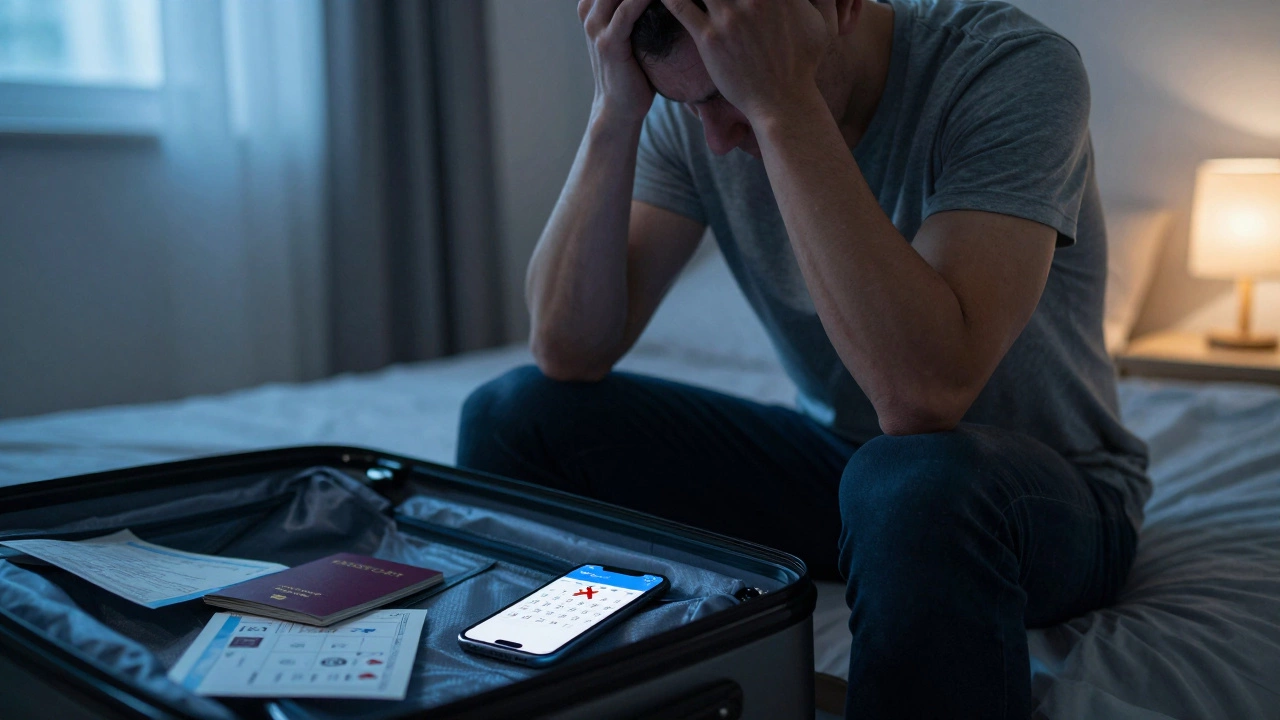
It happens to the best of us. You’ve booked the flights, packed the bags, and maybe even pre-paid for that sunset dinner in Santorini. Then, life throws a curveball. A sudden work crisis, a family emergency, or just plain exhaustion hits you twenty-four hours before departure. The panic sets in. Not just because of the money, but because of the people waiting for you. How do you tell your friends or partner you can’t make it without looking like the flaky friend everyone avoids?
Cancelling a Last Minute Holiday is more than a logistical headache; it’s a social minefield. People have invested time, emotion, and often their own savings into the shared experience. Your goal isn’t just to inform them; it’s to preserve the relationship while managing the fallout. This guide breaks down exactly how to handle the conversation, minimize financial damage, and ensure you’re invited on the next trip.
The Golden Rule: Speed Is Kindness
The moment you know you cannot go, you must act. There is no benefit to waiting until the day of departure. Every hour you delay reduces your companion’s ability to adjust their plans. If they were booking a rental car for two, they might be able to downgrade to one. If they were splitting a hotel room, they might find a cheaper single rate. By telling them immediately, you give them agency back in a situation where they feel powerless.
Do not text if you can avoid it. A phone call or a video message shows respect. Texting feels dismissive, especially for significant trips. If you are travelling with close friends or family, pick up the phone. If it is a large group tour, an email followed by a quick call to the organizer is appropriate. The medium matters as much as the message. It signals that you take their time and feelings seriously.
Crafting the Message: Honesty Over Excuses
When you speak, keep it simple. You do not need to provide a novel-length explanation for why you are cancelling. In fact, over-explaining can sound defensive. Stick to the facts. State clearly that you cannot attend, explain briefly why (if comfortable), and express genuine regret.
- Avoid vague excuses: Saying "something came up" sounds suspicious. Be specific enough to be credible, such as "I’ve been called back to work for a critical project" or "I’m dealing with a family health issue."
- Own the impact: Acknowledge that this is inconvenient for them. Say, "I know this ruins the plan we made, and I am truly sorry for letting you down."
- Don’t blame them: Even if you are stressed about the trip itself, never frame the cancellation as their fault. Keep the focus on your inability to attend.
If the reason is personal or medical, you are allowed to keep it private. You can say, "Due to unexpected personal circumstances, I won’t be able to join you." Most reasonable people will accept this boundary. Pushing for details usually leads to awkwardness, not understanding.
Handling the Financial Fallout
This is often the most stressful part. Money changes the dynamic of friendship quickly. If you have already paid for non-refundable elements-flights, hotels, tours-you need to address this proactively. Do not wait for them to ask, "What about my share?"
If you are responsible for costs they have already incurred, offer to reimburse them. For example, if you booked a villa and they paid you for their half, return that money immediately. If you are stuck with non-refundable tickets, consider offering to sell them. Check platforms like Viator or local travel groups to see if someone else can take your spot. If you cannot resell them, swallow the loss. Trying to split the cost of a trip you didn’t take is a surefire way to end friendships.
Check your travel insurance policy immediately. Many standard policies cover "trip interruption" due to illness or unforeseen events. If you bought comprehensive coverage, file a claim right away. Provide all documentation. This doesn’t fix the social awkwardness, but it alleviates the financial sting, which makes you less resentful and easier to talk to.
| Scenario | Your Action | Financial Responsibility |
|---|---|---|
| Non-refundable flight | Sell ticket or use airline credit | You absorb the loss unless insured |
| Shared accommodation deposit | Refund your share immediately | You pay your portion; they keep theirs |
| Pre-booked tour/activity | Contact provider for transfer/cancellation | You pay if non-refundable |
| Flexible booking | Cancel and rebook later | No cost to others |

The Apology That Actually Works
Saying "sorry" is mandatory, but it’s not enough. An effective apology acknowledges the specific harm done. It validates their disappointment. Instead of a generic "Sorry guys," try: "I know we spent weeks planning this, and I hate that I’m pulling out now. I value our time together, and I feel terrible about disrupting your plans."
Follow up with a gesture. Send a small gift card for coffee or dinner to the person who organized the trip. Offer to host a dinner when you return. These actions show that you are committed to repairing the breach. It demonstrates that the cancellation was about circumstance, not a lack of interest in them.
Managing Group Dynamics
If you are cancelling from a larger group, the dynamics shift. One person dropping out might not break the bank, but it can affect morale. Reassure the group that the trip should still happen. Encourage them not to let your absence ruin their experience. Say, "Please don’t cancel because of me. Go have the best time. I’ll be cheering you on from here."
If you are the organizer, the stakes are higher. You have likely made decisions based on group consensus. Admit your mistake openly. Take responsibility for any additional costs your change causes. Offer to reschedule the trip at your expense if possible. Leading by example in accountability builds trust, even in failure.

When to Consider Rescheduling
Not every cancelled trip is dead. If the reason for cancellation is temporary (e.g., short-term illness or a one-week work crunch), propose a concrete alternative. Don’t say, "Maybe next time." Say, "Can we aim for October instead? I’ll handle the booking then."
This keeps the connection alive. It shows you still want to share the experience. However, read the room. If they seem frustrated or tired of planning, drop the suggestion. Sometimes, the best gift you can give them is space to enjoy their holiday without the shadow of your absence hanging over them.
Learning From the Mistake
After the dust settles, reflect on why this happened. Was it poor budgeting? Overcommitment? Lack of flexibility in your calendar? Use this as a data point for future travels. Build buffer time into your schedule. Book refundable rates when possible. Buy travel insurance. These steps reduce the likelihood of repeating the scenario. Travel is supposed to be relaxing, not a source of anxiety and guilt. Preparing better protects both your wallet and your relationships.
Should I tell my friends the exact reason I can't go?
Only if you are comfortable sharing it. You owe them honesty, but not privacy invasion. A brief, truthful explanation like "work emergency" or "family issue" is sufficient. Avoid overly detailed stories that might sound like excuses. If it's a sensitive medical matter, "health reasons" is acceptable.
How soon after deciding to cancel should I notify my travel companions?
Immediately. The sooner they know, the more options they have to mitigate costs or adjust plans. Waiting increases their frustration and financial risk. Notify them as soon as the decision is final, even if it means calling late at night.
What if I have to pay for their non-refundable expenses?
If your cancellation directly causes them to lose money (e.g., you forced a specific non-refundable booking), you should offer to reimburse them. If they agreed to the terms knowing the risks, you may not be legally obligated, but morally, offering to split the loss preserves the friendship. Always check if you can resell your portion first.
Is it okay to cancel a holiday for mental health reasons?
Absolutely. Mental health is valid. You do not need to justify your need for rest or stability. Frame it as a personal health necessity. True friends will understand that you need to prioritize your well-being. Protect your peace; the trip can wait.
Can I get a refund for a last-minute cancellation?
It depends on your booking type and insurance. Non-refundable fares rarely offer cash refunds, but airlines may give credits. Travel insurance often covers cancellations due to illness, injury, or specific emergencies. Review your policy terms carefully and submit claims promptly with supporting documentation.