
How to Do a Cheap Holiday in Florida: Budget-Friendly Tips for 2026
 Feb, 19 2026
Florida Budget Calculator 2026
Your Florida Trip
Budget Tips
For off-peak travel, you can save 30-50% on accommodations and flights. Check the article for the best months to visit.
Staying in vacation rentals instead of hotels can save up to $400 per week for two people.
Public transit and bike rentals cost just $3/day in cities like Miami and Tampa.
Your Estimated Budget
Florida doesn’t have to cost a fortune. You can still soak up the sun, explore wildlife, and eat fresh seafood without draining your bank account. In 2026, the key to a cheap holiday here isn’t about skipping the fun-it’s about knowing where to look, when to go, and how to stretch every dollar. I’ve seen people pay $1,200 for a week-long Florida trip and others do the same for under $400. The difference? Strategy.
Travel Off-Peak
Florida’s peak season runs from December through March, especially around holidays. That’s when prices spike-hotels, car rentals, even ice cream cones cost more. Skip that. Aim for late April through early June, or September through October. The weather is still warm, the crowds are thin, and you’ll find hotel deals up to 50% cheaper. A beachside room in Clearwater that costs $200 a night in January might drop to $99 in May. Airlines drop fares too. Book flights mid-week (Tuesday or Wednesday) and you’ll save another 20-30%.
Stay Smart: Rentals Over Hotels
Hotels are convenient, but they’re not cheap. Instead, rent a vacation home or apartment through sites like Airbnb, Vrbo, or even local Facebook groups. Many owners offer weekly discounts. You’ll get a kitchen, which means you can cook breakfast and pack lunches instead of eating out every meal. A three-bedroom condo in Fort Myers Beach might cost $1,100 for a week, while three nights at a nearby hotel runs $600. Plus, you’ll have space for the whole group.
Free Beaches Are Everywhere
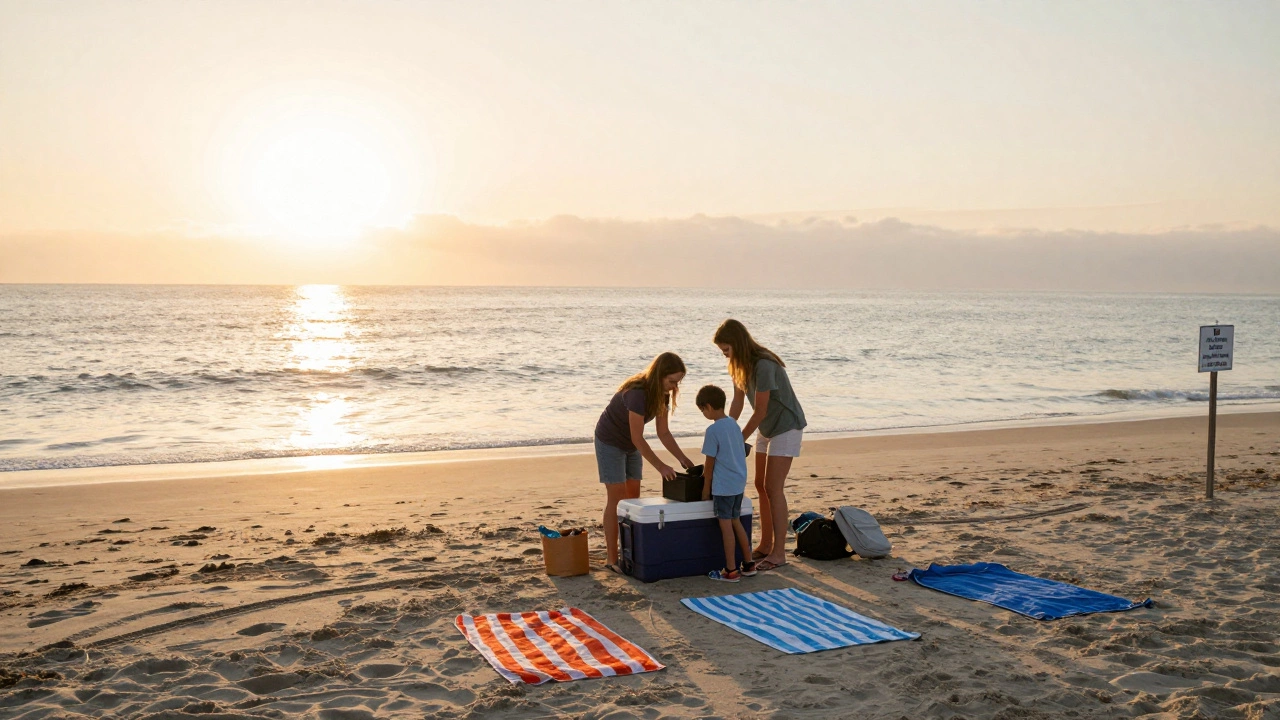
Florida has over 1,300 miles of coastline, and most of it is completely free. You don’t need to pay to get on the sand. Skip the overpriced beach clubs and head to public access points. Clearwater Beach, Panama City Beach, and Cocoa Beach all have free parking and public restrooms. Bring your own towel, chair, and cooler. You’ll save $15-$25 per person just by not buying a beach pass.
State Parks Are Your Best Friend
Florida’s state parks are underused gems. Entry costs just $5 per car for Florida residents, and $10 for out-of-staters. That’s it. You get hiking trails, kayaking, swimming in natural springs, and picnic areas. My favorite? Myakka River State Park near Sarasota. You can walk through a canopy bridge, see alligators from a safe distance, and kayak for free with your own gear. Weekday visits mean even fewer people. Pack sandwiches, fill a water bottle, and spend a whole day for less than $20.
Eat Like a Local
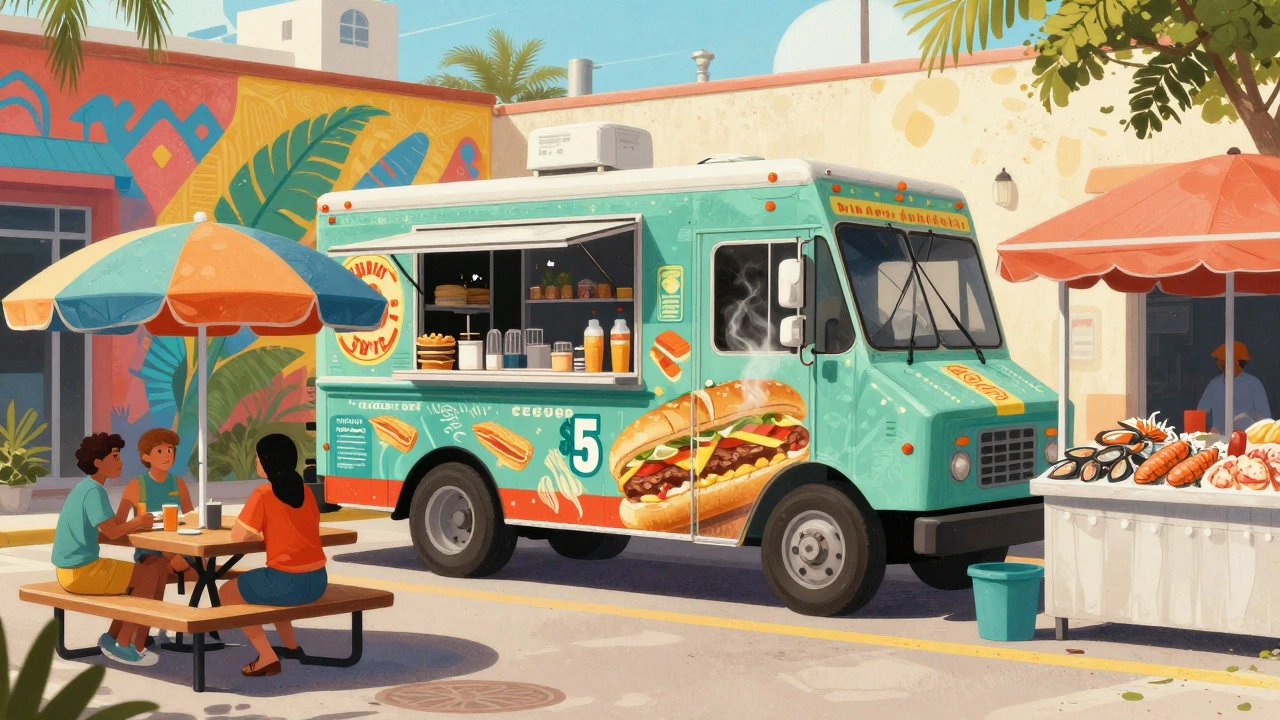
Forget tourist traps with $18 seafood platters. Look for food trucks, local diners, and grocery stores. In Miami, try the Cuban sandwiches from a corner bakery-$5 for a sandwich that’ll fill you up. In Jacksonville, stop by a seafood market like Fisherman’s Market and buy fresh shrimp or grouper to cook in your rental. You’ll pay $12 for enough to feed four. Even in Orlando, skip the theme park food. Head to Ivanhoe Village or Mills 50 for cheap eats. A full meal at a local spot? $10-$15. That’s half the price of a theme park buffet.
Use Public Transit and Bikes
Renting a car isn’t always necessary. In cities like Miami, Tampa, and Fort Lauderdale, public transit is decent and affordable. A day pass on Metrobus or Tri-Rail costs $3. In beach towns like St. Pete or Daytona, rent a bike for $10 a day. Many places have free trolley loops that run along the coast. Skip the rental car unless you’re heading deep into the Everglades. Even then, consider a one-way rental to save on return fees.
Free Attractions Are Hidden in Plain Sight
You don’t need to pay $100 for a theme park ticket. Florida has tons of free stuff. Visit the Kennedy Space Center Visitor Complex’s outdoor exhibits-free parking, free viewing areas, and you can watch rocket launches from a distance. In Tampa, the Henry B. Plant Museum offers free admission on the first Thursday of every month. In Fort Lauderdale, the Bonnet House Estate has free garden walks on Sundays. Check local event calendars. Many towns host free concerts, movie nights, and farmers markets in the spring. Bring a blanket and enjoy.
Plan Your Route Like a Pro
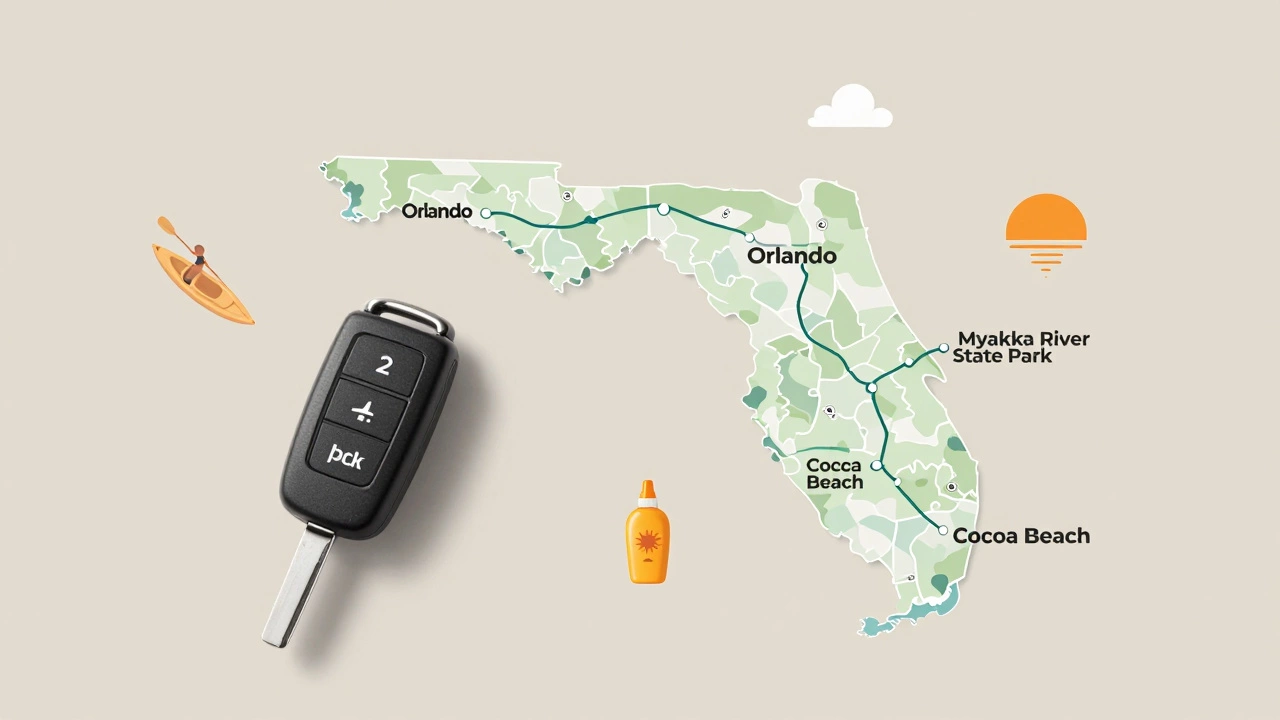
Don’t waste gas driving across the state. Cluster your stops. For example: spend three days in Orlando (free museums, parks), then drive 90 minutes to Cocoa Beach (free beach, surfing lessons), then head 45 minutes to Daytona Beach (free boardwalk, vintage cars). That’s three spots, one rental car, one gas fill-up. Avoid hopping between cities that are 200 miles apart. You’ll save hours and hundreds.
Use Discount Apps and Local Deals
Download the Florida Travel Pass app. It’s free and lists daily discounts on attractions, restaurants, and even kayak rentals. Also check Groupon and RetailMeNot for local deals. A $50 voucher for a dolphin-watching tour might drop to $25. A $30 museum pass might be half off if you book online. Always ask if there’s a student, senior, or military discount-even if you don’t think you qualify. Many places offer them quietly.
Bring the Right Gear
Don’t buy sunscreen, towels, or beach toys in Florida. They’re overpriced. Bring your own. A $5 bottle of sunscreen from home lasts longer than the $12 one at the gift shop. Pack reusable water bottles, a small cooler, and a foldable beach mat. You’ll save $50-$100 easily. And if you’re planning to hike or kayak, bring your own gear. Rentals cost $20-$40 per day. You don’t need to buy expensive equipment-thrift stores have decent used kayaks and snorkel sets.
What to Skip
Theme parks aren’t off-limits, but don’t buy multi-day passes unless you’re staying a week. One day at Disney or Universal is enough. Skip the $30 parking, $15 bottled water, and $25 souvenir shirts. Use the free shuttle buses. Bring snacks. Watch the fireworks from outside the park gates-free and just as good. Skip the guided airboat tours unless you’re going to the Everglades. You can rent a kayak for $15 and paddle through the same wetlands yourself.
Final Budget Breakdown
Here’s what a 7-day Florida trip can look like on a tight budget:
- Flights (round-trip from Atlanta): $180
- Accommodation (week-long rental): $450
- Car rental (5 days): $120
- Gas: $40
- Food (groceries + local eats): $200
- Activities (state parks, free events): $30
- Extras (souvenirs, snacks): $50
Total: $1,070 for two people. That’s under $75 per day. Doable. And you’ll still have time to swim, sunbathe, and watch the sunset without feeling broke.
Is Florida really cheap for tourists in 2026?
Yes-if you avoid peak season and tourist traps. Florida’s cost of living has gone up, but so have budget options. With smart planning, you can spend less than $1,000 for a week-long trip. The trick is staying in rentals, eating local, and skipping overpriced attractions.
What’s the cheapest time to visit Florida?
Late April to early June and September to October are the best. Temperatures are still in the 80s, humidity is lower, and prices drop sharply. Avoid Christmas, spring break, and July 4th. Those are the most expensive times.
Can I visit Florida without a car?
Yes, but only if you stick to cities like Miami, Orlando, or Tampa. Public transit works well there. You can also use ride-shares or rent a bike. But if you want to hit beaches, state parks, or small towns, a car is necessary. A one-way rental for a few days is cheaper than a full week.
Are Florida state parks worth it?
Absolutely. For $10 per car, you get hiking, swimming in crystal-clear springs, wildlife viewing, and picnic areas. Myakka River, Rainbow Springs, and Blue Spring State Park are all must-visits. You’ll spend less here than on one theme park ticket.
How much should I budget per day?
For two people, $150 per day is realistic on a budget. That covers lodging, food, transport, and a few activities. You can go lower-$100/day-if you cook most meals and stick to free attractions.
Next Steps
Start by picking your dates. Look at the calendar-avoid holidays. Then book your rental early. Search for deals on Airbnb and filter by "no cleaning fee" or "weekly discount." Once that’s done, map out your free stops: state parks, public beaches, local markets. Fill your cooler with snacks. Pack your swimsuit. And don’t overthink it. Florida doesn’t need to be expensive. It just needs to be planned.