
How to Get a Cheap Beach Day: The Ultimate Guide to Budget Sun and Sand
 Jun, 21 2026
Cheap Beach Day Cost Calculator
- Select options to see breakdown -
Picture this: the smell of salt in the air, the sound of waves crashing against the shore, and the warmth of the sun on your skin. Now picture the price tag on that experience. It doesn't have to be high. In fact, getting a cheap beach day is entirely possible if you know where to look and how to plan. You don't need to drain your savings account to enjoy the coast. With a bit of strategy, you can turn a seemingly expensive luxury into an affordable routine.
We often think that 'beach' equals 'expensive holiday package.' But the reality is much more flexible. Whether you are looking for a quick day trip from your home city or a longer weekend break by the sea, the principles of saving money remain the same. This guide will walk you through practical, tested methods to cut costs without cutting corners on fun.
The Power of Timing: When to Go Matters Most
The single biggest factor in the cost of a beach day is timing. Prices fluctuate wildly based on season, day of the week, and even the time of day. If you want to save money, you must be willing to bend your schedule slightly.
| Timing | Avg. Accommodation Cost (per night) | Crowd Level | Sun Reliability |
|---|---|---|---|
| Peak Summer (July-August) | £150 - £300+ | Very High | High |
| Shoulder Season (May-June, Sept-Oct) | £60 - £120 | Medium | Medium-High |
| Weekdays (Mon-Thu) | 40% cheaper than weekends | Low | Variable |
| Last Minute (24-48 hours prior) | Up to 50% off | Variable | Check forecast |
Consider the shoulder seasons. May, June, September, and October offer surprisingly warm weather in many coastal regions, especially in southern Europe or even parts of the UK. The crowds are thinner, which means you don't have to fight for a spot on the sand, and prices for accommodation and food drop significantly. A beach day in late September can feel just as relaxing as one in July, but it might cost half as much.
Weekdays are another goldmine. Most people work Monday through Friday, so demand plummets. Hotels and campsites often slash their rates to fill rooms. If you can take a personal day off or use a half-day leave, you unlock access to these lower prices. Even if you stay local, parking fees and entry charges at popular beaches are sometimes waived or reduced on weekdays.
Accommodation Hacks: Sleep Well, Spend Less
If your beach day involves an overnight stay, accommodation will likely be your biggest expense. However, traditional hotels are not the only option. In fact, they are often the most expensive.
- Camping: Nothing beats the beach atmosphere like waking up to the sound of waves right outside your tent. Many coastal areas have designated campgrounds that are affordable and eco-friendly. Bring your own gear, and you can spend as little as £10-£20 per night. Plus, camping sites often allow you to cook your own meals, saving even more.
- Hostels: Don't let the word 'hostel' scare you. Modern hostels are clean, social, and safe. They offer dormitory beds for a fraction of the cost of a hotel room. Many also have private rooms if you prefer some space. Hostels are great for solo travelers or groups who don't mind sharing common areas.
- House Swapping: Platforms that facilitate house swaps allow you to trade homes with someone else for a set period. This eliminates accommodation costs entirely. You just need to find a swap partner whose location matches your desired beach destination.
- Workaway or Volunteering: Some farms or guesthouses near the coast offer free accommodation in exchange for a few hours of work per day. This is ideal for longer stays rather than just a single day, but it's worth considering if you want to extend your beach time.
When booking, always compare prices across multiple platforms. Sometimes, booking directly with the property yields a better deal or perks like free breakfast. Look for deals that include kitchen facilities; being able to prepare your own sandwiches and salads is a massive money-saver compared to eating out for every meal.
Food and Drink: Eat Like a Local, Not a Tourist
One of the quickest ways to blow your budget is by buying food and drinks at the beach. Vendors near tourist spots charge premium prices for basic items. A simple sandwich and a bottle of water can cost three times what it would in a supermarket.
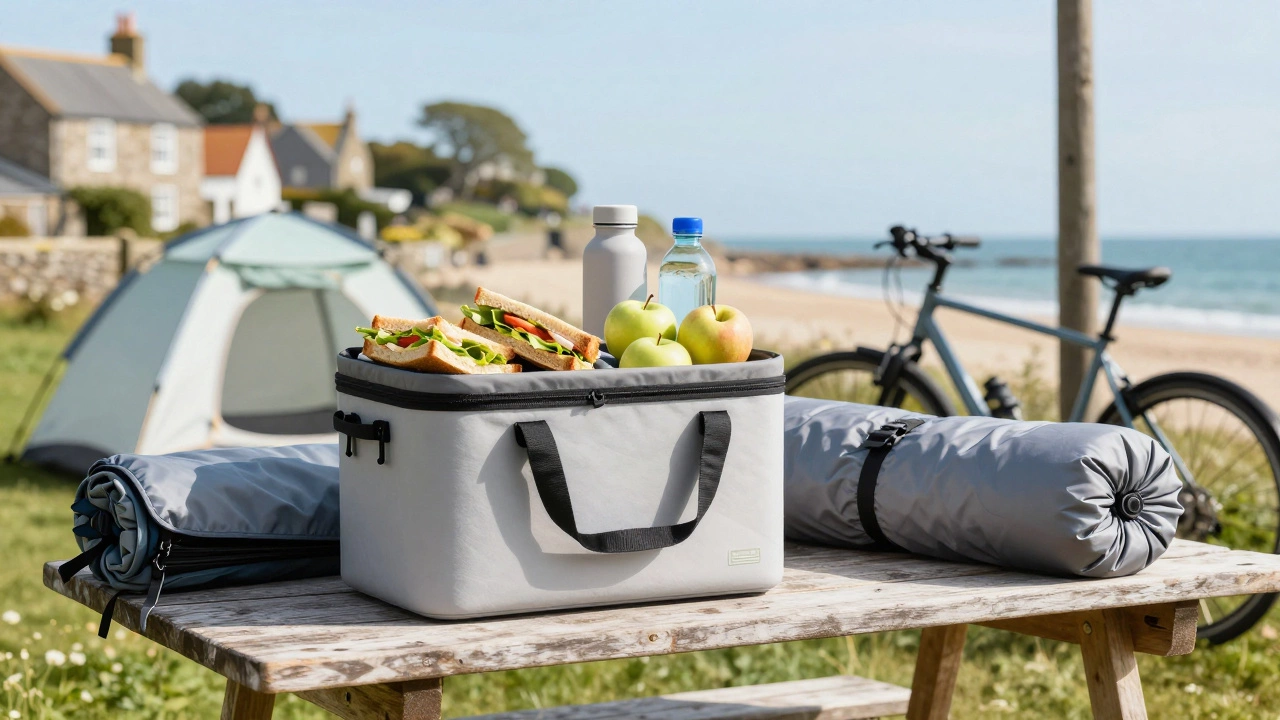
The solution? Pack everything. Invest in a good quality cooler bag and stock it with homemade snacks, fruits, sandwiches, and plenty of water. Not only is this cheaper, but it's also healthier and more environmentally friendly since you reduce plastic waste. If you're camping, bring a portable stove and cook fresh meals. Imagine grilling fish or vegetables right by the shore-it's an experience that enhances the trip rather than detracting from it.
If you do want to eat out, avoid the restaurants with tables facing the sea. These 'view premiums' are built into the price. Walk five minutes inland. You'll find family-run eateries that serve authentic, delicious food at reasonable prices. Locals know these spots, and following their lead is a surefire way to find value.
Transportation: Getting There Without Breaking the Bank
Getting to the beach can add up, especially if you rely on driving. Fuel costs, parking fees, and wear and tear on your car are real expenses. Consider alternative transport options.
- Public Transport: Trains and buses are often the cheapest way to reach coastal towns. Many regions offer day passes or group discounts. Check for rail cards or travel apps that bundle tickets. Plus, you don't have to worry about finding parking, which can be a nightmare and a costly ordeal in popular beach destinations.
- Carpooling: If you're driving, split the fuel and parking costs with friends or colleagues. Apps that connect drivers with passengers can help you offset costs if you're traveling alone.
- Cycling: For nearby beaches, cycling is an excellent option. It's free (after the initial bike purchase), healthy, and eco-friendly. Many coastal paths are dedicated cycle lanes, making the journey part of the adventure.
- Budget Airlines: For international beach days, budget airlines can offer incredibly cheap fares if you book in advance and travel light. Just remember to factor in the cost of getting from the airport to the beach, which can sometimes negate the savings.
Always check for park-and-ride schemes. These allow you to park your car further away from the beach hub and take a shuttle bus. Parking is usually cheaper, and you avoid the stress of navigating busy coastal roads.
Free Activities: Maximizing Fun Without Spending
A beach day isn't just about lying on the sand. There are countless free activities that make the experience richer and more memorable.
- Swimming and Wading: The ocean is free. Enjoy a swim, build sandcastles, or simply wade in the shallows. Bring a frisbee or a football for some games.
- Beachcombing: Walk along the shoreline and collect shells, stones, or driftwood. It's a meditative activity that connects you with nature.
- Hiking Coastal Trails: Many beaches are connected by scenic walking paths. Explore cliffs, caves, and hidden coves. These trails offer stunning views and exercise without any entrance fee.
- Photography: Capture the beauty of the sunset, the play of light on the water, or candid moments with friends. Your smartphone camera is all you need.
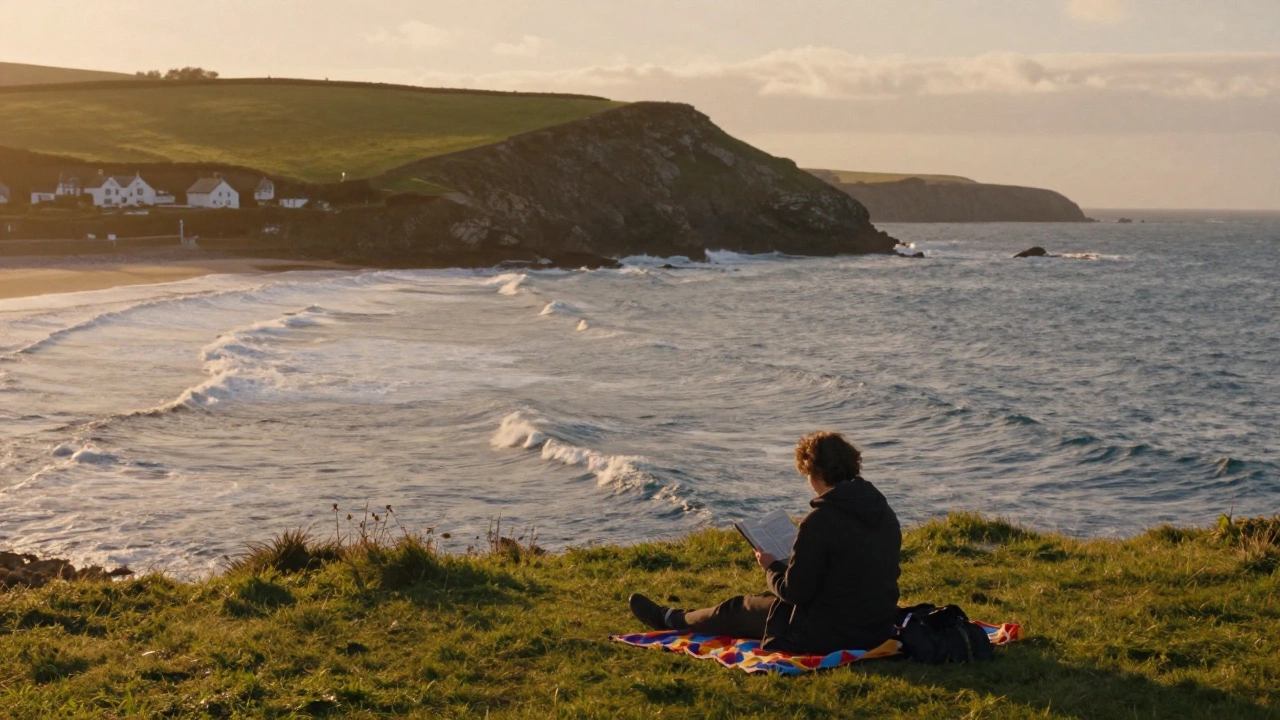
- Reading or Listening to Podcasts: Relax with a book or an audiobook. It's a peaceful way to spend hours while enjoying the ambiance.
Research local events. Many coastal towns host free festivals, concerts, or markets during the summer. These add cultural value to your trip without costing anything extra.

Packing Smart: Essentials for a Low-Cost Beach Day
Being prepared prevents unnecessary spending. Here is a checklist of essentials that will help you stay comfortable and save money:
- Sunscreen: Buy in bulk before your trip. Small bottles sold at beach kiosks are overpriced.
- Reusable Water Bottle: Stay hydrated without buying expensive drinks. Fill it up at home or public fountains.
- Beach Towel and Mat: Renting towels can add up. Bring your own.
- First Aid Kit: Include plasters, antiseptic wipes, and painkillers. Avoid paying for pharmacy visits for minor scrapes.
- Power Bank: Keep your phone charged for navigation and photos without hunting for outlets.
- Snacks and Lunch: As mentioned, pack your own food.
Don't forget a hat and sunglasses. Protecting yourself from the sun is crucial, and replacing damaged gear due to neglect is costly. Investing in durable, multi-use items pays off over time.
Hidden Gems: Finding Less Crowded, Cheaper Beaches
Famous beaches attract crowds and inflate prices. To find a truly cheap and relaxing beach day, look for lesser-known spots. These 'hidden gems' are often just a short drive or train ride away from popular hubs.
Use maps to explore coastal roads. Look for small inlets, rocky shores, or quiet bays. Ask locals for recommendations. They often know secret spots that aren't listed in guidebooks. These places may lack amenities like cafes or toilets, so self-sufficiency is key, but the trade-off is peace, quiet, and zero cost.
In the UK, for example, while Brighton and Bournemouth are pricey, smaller villages like Sidmouth or Whitby offer charm and affordability. In Europe, instead of Ibiza, consider mainland Spanish or Portuguese coasts. The vibe is similar, but the wallet stays happier.
Safety and Responsibility: The Cost of Carelessness
Finally, a cheap beach day should never compromise safety. Ignoring weather warnings or swimming in dangerous conditions can lead to medical emergencies, which are far more expensive than any prevention measure.
Always check tide tables and weather forecasts. Swim between flagged areas where lifeguards are present. Respect local regulations regarding fires, alcohol, and protected wildlife. Being responsible ensures that you and others can continue to enjoy the beach for years to come. Moreover, leaving no trace-packing out your trash-helps preserve the natural beauty that makes these trips worthwhile.
What is the cheapest way to spend a day at the beach?
The cheapest way is to go during the shoulder season or on a weekday, use public transport or cycle, pack your own food and water, and choose a free public beach with minimal amenities. Camping nearby can also reduce accommodation costs to almost zero if you already own gear.
Can I find cheap beach holidays in peak summer?
It is challenging but possible. Book well in advance, look for last-minute deals on apps, choose less popular destinations, and opt for budget accommodations like hostels or camping. Avoid renting cars or using private transfers.
Are there any hidden costs to watch out for?
Yes, common hidden costs include parking fees, equipment rentals (chairs, umbrellas), inflated food and drink prices, and entry fees for certain attractions. Always research these beforehand and plan to bring your own essentials.
Is it safe to swim at unknown beaches?
Not necessarily. Unknown beaches may lack lifeguards and warning signs. Always check local conditions, ask residents about safe swimming areas, and avoid swimming alone or after dark. Prioritize safety over cost.
How can I make a cheap beach day eco-friendly?
Use reusable containers, avoid single-use plastics, stick to marked paths to protect vegetation, pick up litter (yours and others'), and respect wildlife. Eco-friendly choices often align with cost-saving measures, like packing your own food.