
How to Relax on a City Break: A Stress-Free Guide
 Aug, 30 2026
City Break Relaxation Calculator
Your Travel Profile
Relaxation Potential
--Enter your details to see results.
We will analyze your inputs against the article's best practices.
Personalized Tips
Fill out your travel profile on the left to generate your relaxation strategy.
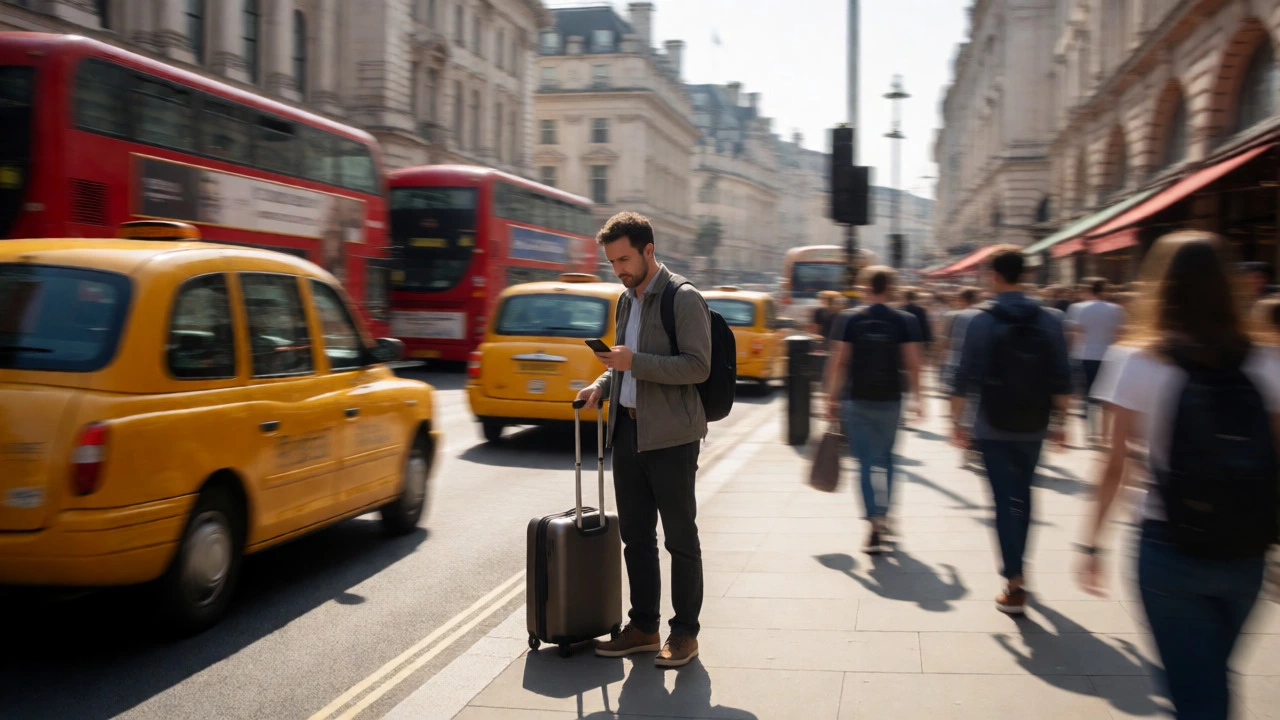
You just landed in a buzzing metropolis. Your phone is pinging with notifications from work, your itinerary is packed tight, and you’re already exhausted before you’ve even checked into your hotel. Sound familiar? Most people treat city breaks as a sprint rather than a stroll. They try to see everything, end up seeing nothing clearly, and return home needing another holiday just to recover from the first one.
The truth is, relaxing in an urban environment isn’t about finding a beach chair; it’s about shifting your mindset. It’s about trading FOMO (Fear Of Missing Out) for JOMO (Joy Of Missing Out). If you want to actually unwind during your next trip to London, Paris, or Barcelona, you need a strategy that prioritizes energy conservation over checklist completion. Here is how to reclaim your peace without sacrificing the experience.
Rethinking the Itinerary: The Rule of Three
Why do we feel stressed when traveling? Usually, it’s because we are trying to be tourists and locals simultaneously. You can’t rush through the Louvre in forty-five minutes and then claim to have "experienced" Paris. To relax, you must cut your plans by half. Then cut them again.
Adopt the "Rule of Three." Pick only three major activities for your entire trip. Maybe it’s one museum, one specific neighborhood walk, and one meal at a restaurant you’ve been dreaming about. Everything else? That’s bonus content. If you wake up feeling lazy, skip the museum. Go sit in a park instead. No guilt. When you remove the pressure to perform tourism, you start actually enjoying the sights.
- Morning: One high-value cultural site (museum, cathedral, gallery).
- Afternoon: Unstructured exploration of a single district.
- Evening: One good meal and early sleep.
This structure prevents decision fatigue. You aren’t standing on a street corner arguing with your partner about which of the fifteen nearby landmarks to visit next. You know exactly where you’re going, and more importantly, you know what you’re skipping.
Mastering Urban Micro-Relaxation
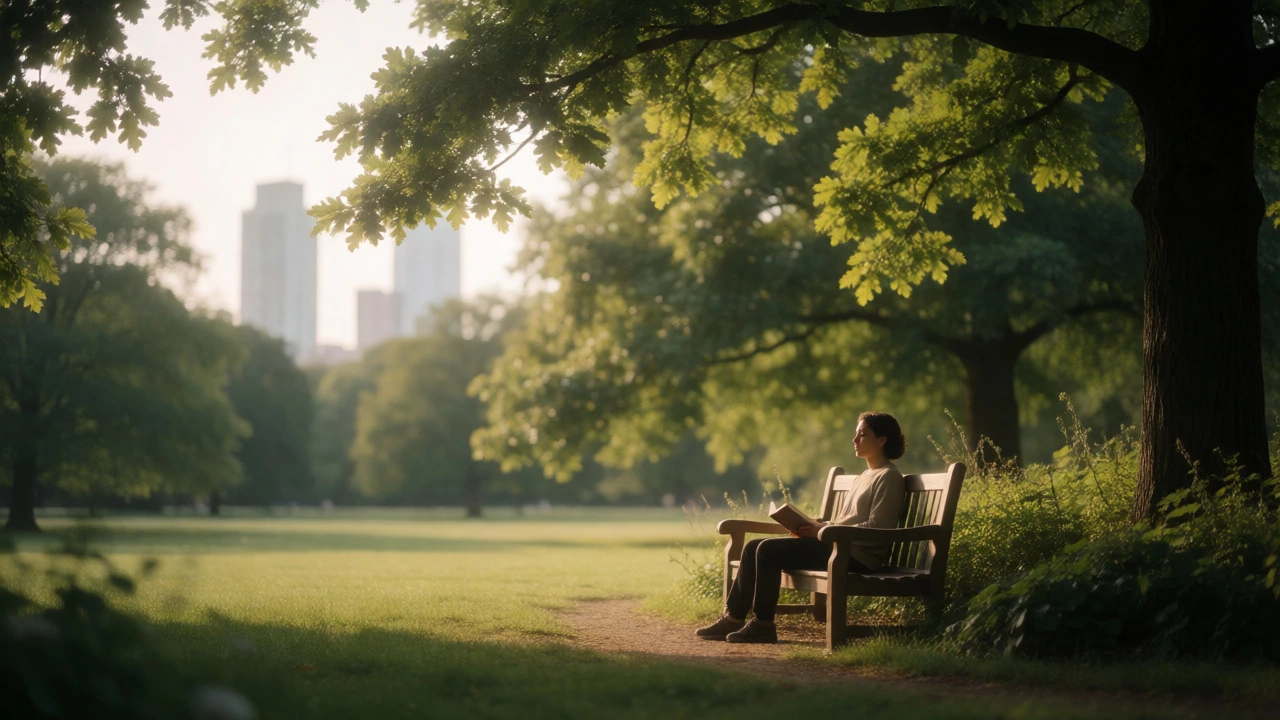
Cities are loud. Concrete amplifies noise, and crowds drain social battery fast. But cities also offer pockets of profound silence if you know where to look. You don’t need a spa resort to decompress; you need access to green space and quiet corners.
Before you arrive, spend ten minutes mapping out the nearest parks, libraries, or quiet cafés to your accommodation. In London, this might mean knowing that Hyde Park has quieter zones away from the Serpentine, while Regent’s Park offers botanical gardens that feel miles from the traffic. In New York, the New York Public Library reading rooms provide air-conditioned silence that costs nothing but a library card or visitor pass.
Use these spaces strategically. After two hours of walking, drop into a café not to check emails, but to watch people. Sit for twenty minutes. Do nothing. This micro-break resets your cortisol levels. It stops the frantic pace before it turns into burnout. Think of it as charging your mental battery between sightseeing sprints.
Digital Detox: Putting the Phone Down
Nothing kills relaxation faster than documenting every moment for Instagram. We often live our trips through a screen, worrying about lighting and angles instead of tasting the food or hearing the street musician. For a truly relaxing city break, implement a strict digital boundary.
Try the "Phone-Free Hours" rule. Choose two blocks of time each day-say, 9 AM to 11 AM and 6 PM to 8 PM-where your phone stays in your bag. Use a physical map if you’re worried about getting lost. Getting lost is part of the charm, anyway. When you aren’t scanning for the perfect photo op, you notice details: the pattern of cobblestones, the smell of baking bread, the way light hits a building facade. These sensory experiences are what stick in memory long after the photos fade.
If you must use apps for navigation, turn off notifications. Disable social media alerts. Remind yourself that the city doesn’t care about your engagement metrics. Your job right now is to be present, not to broadcast.
Eating Slowly in Fast Cities
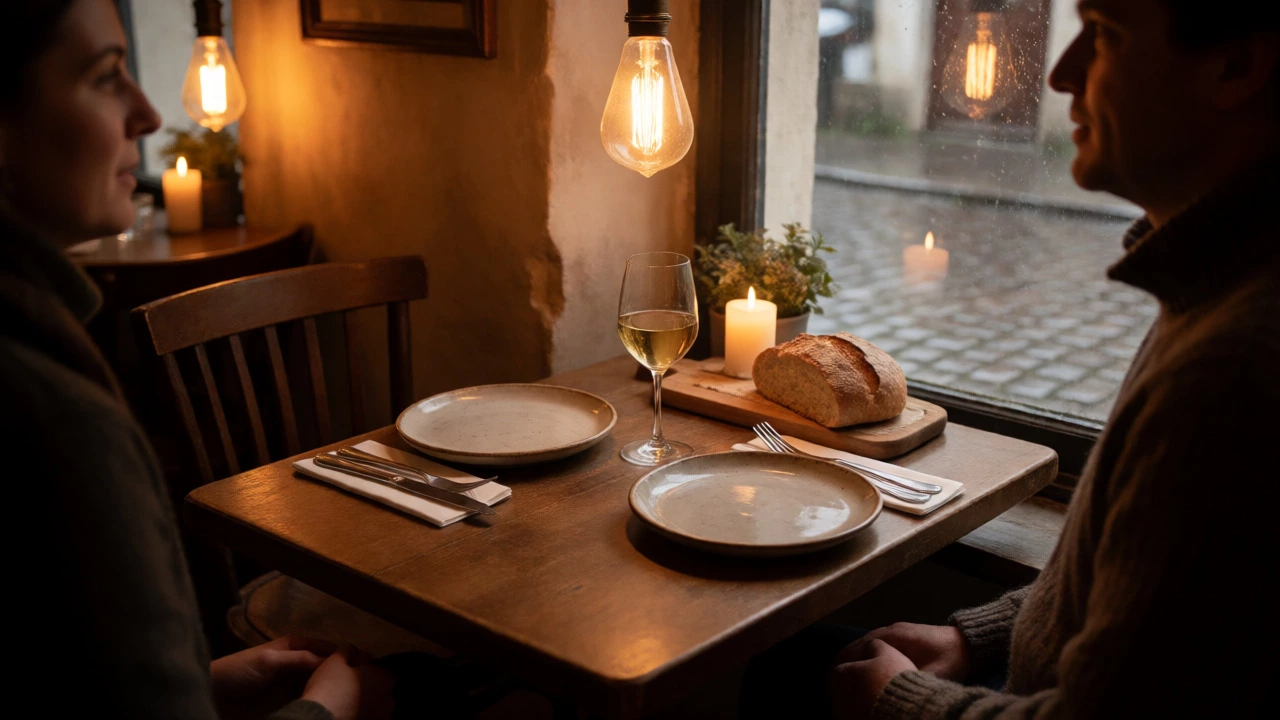
Food is usually the highlight of any trip, yet many travelers eat on the go, standing up, or rushing back to their next appointment. This is a mistake. Eating is a primary form of relaxation. It engages all five senses and forces you to slow down.
Avoid tourist traps with pictures of food outside the door. Instead, find places where locals linger. Look for small bistros or family-run spots with limited menus. Order slowly. Ask questions about the ingredients. Take your time chewing. In Italy, they call this dolce far niente, the sweetness of doing nothing. Apply this to your meals.
| Habit | Stressful Tourist Approach | Relaxed Traveler Approach |
|---|---|---|
| Location Choice | Main square, highest visibility | Side street, local foot traffic |
| Ordering | Quick snack to save time | Multi-course meal or shared plates |
| Pacing | Eat while walking/checking phone | Sit down, no devices, converse |
| Goal | Fuel up for next activity | Experience local culture |
When you commit to sitting down for an hour-long lunch, you automatically cancel other rushed plans. You create a buffer. You allow conversation to flow. You taste the wine. This shift transforms dining from a pit stop into a destination itself.
Choosing Accommodation for Rest, Not Just Location
We often book hotels based on proximity to attractions. "We’ll be right next to the Eiffel Tower!" sounds great until you realize you’re paying a premium for a room facing a noisy avenue with zero blackout curtains. If relaxation is your goal, prioritize sleep quality over central location.
Look for accommodations in slightly residential neighborhoods. You might need to take a 15-minute subway ride to get to the center, but you gain quiet streets, better coffee shops, and a chance to observe daily life. Check reviews specifically for keywords like "quiet," "dark," and "comfortable bed." Consider boutique hotels or well-reviewed apartments over massive chain resorts. Large hotels can feel impersonal and chaotic; smaller properties often offer personalized service and a calmer atmosphere.
Also, consider the amenities. Does the place have a balcony? A courtyard? Even a small outdoor space allows you to step out for fresh air without leaving your sanctuary. If you’re staying in a hostel, opt for a private pod or room rather than a dorm if budget allows. Sleep is the foundation of relaxation; compromise here, and the rest of the trip suffers.
Embracing Solitude and Solo Moments
Even if you’re traveling with friends or family, schedule solo time. Group dynamics require constant negotiation and energy management. Taking thirty minutes to wander alone lets you reset. You can move at your own pace, pause wherever you want, and think freely.
Use this time for low-stakes activities. Visit a free gallery. Walk along a riverbank. Browse a bookstore. The key is to choose activities with no exit cost. If you get bored, you leave. No tickets wasted, no group waiting. This autonomy is deeply restorative. It reminds you that you are in control of your experience, not being herded by an itinerary.
Practical Tips for Immediate Calm
Sometimes, despite your best planning, stress creeps in. Traffic jams, missed trains, rude interactions-it happens. Have a toolkit ready for these moments.
- Carry comfort items: Noise-canceling headphones are lifesavers on public transport. Bring a favorite tea bag or snack to ground yourself.
- Practice box breathing: Inhale for four counts, hold for four, exhale for four, hold for four. Do this while waiting in line for a museum ticket.
- Accept imperfection: If it rains, don’t rage. Buy an umbrella and enjoy the wet streets. They are emptier and more atmospheric.
- Limit alcohol: It seems relaxing, but poor sleep from too much wine will ruin the next morning. Drink water between glasses.
Remember, a city break is meant to be a recharge, not a depletion. By slowing down, choosing less, and engaging your senses, you transform a chaotic urban trip into a genuine escape. You’ll return home not just with photos, but with actual rest.
Is it cheaper to relax on a city break?
Often, yes. Relaxation-focused trips involve fewer paid attractions and more walking or free public spaces. By skipping expensive tours and rushed shopping, you reduce spending while increasing enjoyment.
How many days should a relaxing city break last?
Three to four nights is ideal. Two nights feels rushed, requiring immediate packing and unpacking. Five or more nights can lead to boredom unless you have a very deep interest in the city. Three nights allows for one full relaxed day and two half-days.
What is the biggest mistake people make on city breaks?
Over-scheduling. Trying to fit five major landmarks into one day leads to exhaustion and superficial experiences. Quality always beats quantity when seeking relaxation.
Do I need a car for a relaxing city break?
No. In most major cities, cars add stress due to parking difficulties and traffic. Walking and using efficient public transport is often faster, cheaper, and allows you to observe the city more closely.
How do I handle jet lag on a short city break?
Get sunlight immediately upon arrival. Avoid napping longer than 20 minutes. Stay hydrated and avoid heavy meals late at night. Plan lighter activities for the first day to allow your body to adjust.