
Is £500 a Lot of Money for a UK Staycation in 2026? A Realistic Budget Guide
 Jul, 5 2026
UK Staycation Budget Calculator
Trip Details
Estimated Breakdown
Input your trip details and click calculate to see if your £500 budget holds up.
Let’s be honest: £500 feels like a different amount of money depending on who you ask and where you are. In 2026, with the cost of living still settling into its new normal, that figure sits in an interesting spot. It isn’t enough to fly you to Dubai for a week of luxury, but it is certainly enough to have a genuinely memorable break if you know where to look. The real question isn’t just whether £500 is 'a lot'-it’s whether it’s enough for *you*.
If you’re planning a UK staycation is a domestic holiday within the United Kingdom, often chosen to save on travel costs and support local economies, £500 can actually go quite far. For a couple, it might mean a weekend away or a modest week in a smaller town. For a solo traveler, it could cover a solid five-day trip with some nice meals thrown in. But if you’re dragging two teenagers along, that same budget requires serious strategy. Let’s break down what £500 actually buys you in today’s market, so you can decide if it’s enough for your next escape.
What Does £500 Actually Buy You in 2026?
To understand if this is a 'lot,' we need to strip away the marketing fluff and look at the raw numbers. Prices vary wildly across the UK, but here is a realistic snapshot of what you can expect to pay for key components of a trip this year.
| Expense Category | Budget Option (£) | Mid-Range Option (£) | Notes |
|---|---|---|---|
| Accommodation | £40-£60 per night | £80-£120 per night | Camping vs. Boutique B&B |
| Transport | £30-£50 total | £100-£150 total | Train advance fare vs. Car fuel/parking |
| Food & Drink | £15-£25 per day | £40-£60 per day | Supermarket picnic vs. Pub meals |
| Activities | Free-£20 | £30-£50 | Nature walks vs. Guided tours |
As you can see, the gap between 'budget' and 'mid-range' is significant. If you stick to the budget column, £500 can easily cover a solo week or a couple’s long weekend. If you drift toward mid-range, that same £500 might only cover a three-night break for two people. The key is consistency. Mixing budget accommodation with mid-range dining will blow your budget faster than you think.
The Solo Traveler Advantage
If you are traveling alone, £500 is a very healthy budget. You don’t have to split hotel rooms or argue over dinner choices. You can book a single room in a city center hostel or a small guesthouse for around £50 a night. That leaves you with £350 for five nights of accommodation, plus plenty left over for food and fun.
Consider a trip to Edinburgh. While it’s pricey, you can find decent lodging outside the Old Town for reasonable rates. Walking around the Royal Mile is free. Eating at local chippy spots or buying groceries from a Tesco Metro keeps food costs low. With £500, you could spend four days exploring museums, hiking Arthur’s Seat, and enjoying a few pints without breaking a sweat. For a solo traveler, this budget allows for flexibility and spontaneity, which is half the joy of travel.
Couples: How to Make £500 Work for Two
For a couple, £500 is tight but doable if you choose your destination wisely. Avoid London, Edinburgh, and coastal hotspots like Cornwall during peak summer weeks. Instead, look at regions like Wales, Yorkshire, or Northumberland.
Here is a sample breakdown for a couple’s long weekend (3 nights):
- Accommodation: A cozy Airbnb or B&B in a rural area might cost £100 per night. Total: £300.
- Transport: Driving there saves money compared to train tickets for two. Fuel and parking: £50.
- Food: Cook breakfast and lunch, eat out for dinner twice. Total: £100.
- Buffer: £50 left for emergencies or a nice bottle of wine.
This works because you are controlling the biggest expense: accommodation. By avoiding hotels in city centers and opting for self-catering options, you cut costs significantly. Also, booking well in advance is crucial. Last-minute deals are rare now; early bird discounts are your best friend.
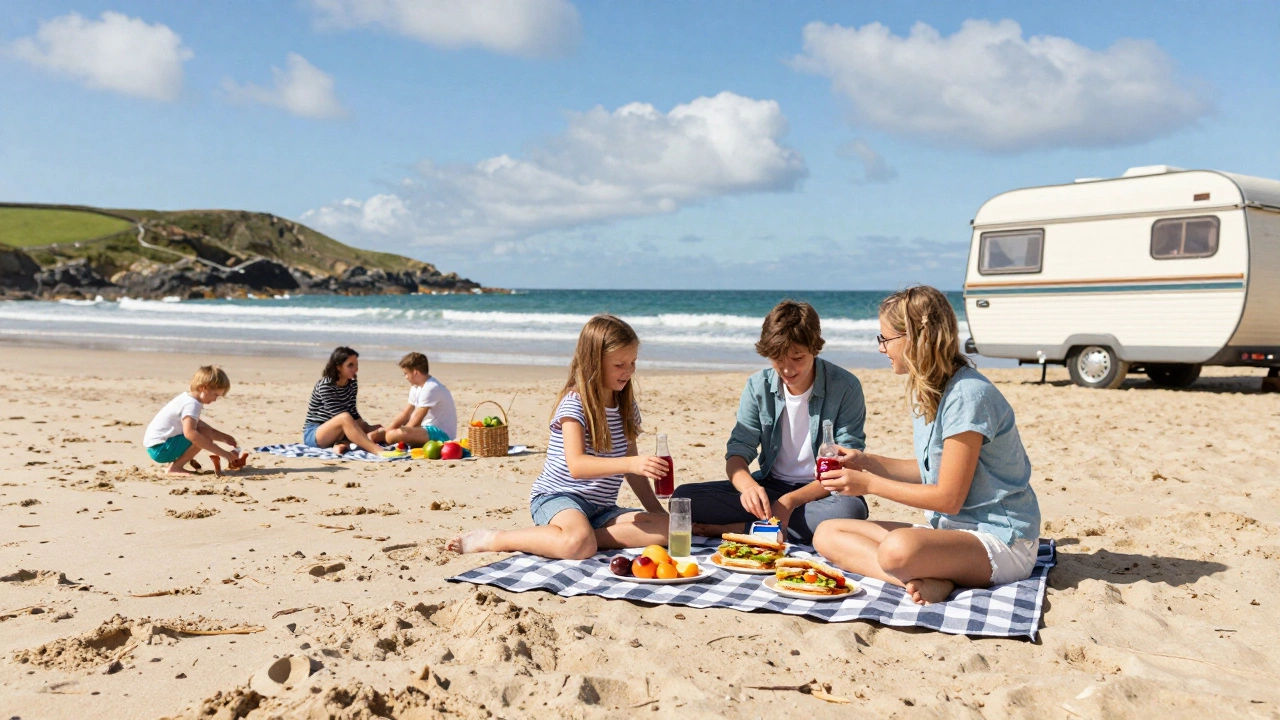
Families: The Challenge of Four
Now, let’s talk about families. If you have two kids, £500 is not a lot of money for a holiday. It’s barely enough for a short break unless you are camping or staying with relatives. Family-friendly hotels charge extra for children, and activities quickly add up. Theme parks alone can cost £100+ per person.
However, it’s not impossible. You just need to shift your mindset from 'holiday' to 'staycation adventure.' Consider these strategies:
- Choose Free Attractions: Many castles, beaches, and national parks have no entry fee. Places like Lake District offer endless walking trails that cost nothing.
- Pack Food: Kids get hungry. Instead of paying £15 for a family meal at a tourist trap, pack sandwiches, fruit, and snacks. Visit local markets for fresh produce.
- Stay Longer, Spend Less Per Day: A one-night trip might seem cheaper, but you spend more time traveling. A three-night stay allows you to settle in and reduce daily expenses.
With careful planning, a family of four could manage a three-day beach trip to Newquay or Bournemouth by booking a caravan site and bringing their own tents or sleeping bags. It won’t be luxurious, but it will be a memory maker.
Where to Go: Best Value Destinations for £500
Not all parts of the UK are created equal when it comes to price. Some destinations naturally stretch your budget further. Here are top picks for 2026:
- The Scottish Highlands: Yes, Scotland has a reputation for being expensive, but if you avoid Inverness and Glasgow, places like Thurso or Ullapool offer stunning scenery and affordable hostels. The main cost is getting there, so book train tickets months in advance.
- Wales: Snowdonia and Pembrokeshire are fantastic value. Accommodation is cheaper than similar areas in England, and many attractions are free. Plus, the food scene is excellent and reasonably priced.
- The North East England: Durham and Tynemouth are overlooked gems. You get historic architecture, great pubs, and easy access to the coast without the premium prices of York or Cambridge.
- Devon and Cornwall (Off-Season): Summer is expensive. But if you visit in May or September, you can find last-minute deals on cottages. The weather is often still good, and the crowds are thinner.

Hidden Costs That Kill Your Budget
Even with a solid plan, hidden costs can derail your £500 limit. Be aware of these common traps:
- Parking Fees: In popular towns, parking can cost £10-£20 per day. Always check if your accommodation includes free parking. If you’re driving, consider staying slightly outside the town center and walking in.
- Resort Fees/Cleaning Charges: Some Airbnbs add cleaning fees of £50-£100 on top of the nightly rate. Always look at the 'total price' before booking.
- Alcohol: A pint in a tourist hotspot can cost £7-£8. Limiting alcohol consumption or buying drinks from supermarkets can save you £50+ over a weekend.
- Activity Tickets: Don’t assume everything is free. Castles, museums, and guided tours often charge entry. Check websites beforehand and buy online discounts if available.
Tips to Stretch Your £500 Further
Want to make your money work harder? Try these pro tips:
- Travel Mid-Week: Monday to Thursday nights are significantly cheaper for accommodation. If you can take flexible leave, you’ll save big.
- Use Railcards: If you’re under 26, over 60, or traveling as a group, a railcard can save you 1/3 on train fares. It pays for itself after just two journeys.
- Cook Your Own Meals: Even if you book a hotel, look for ones with kitchenettes. Cooking breakfast and lunch can cut food costs by half.
- Leverage Local Knowledge: Ask locals where they eat. Tourist menus are marked up. Locals know the best value spots.
- Book Directly: Skip the OTAs (Online Travel Agencies) when possible. Booking directly with hotels or B&Bs often avoids service fees and allows for negotiation.
Conclusion: Is It Enough?
So, is £500 a lot of money for a UK staycation? For a solo traveler or a couple willing to compromise on luxury, yes, it’s plenty. It allows for comfort, exploration, and enjoyment without financial stress. For a family, it’s challenging but manageable if you prioritize experiences over amenities. The key is realistic expectations and smart planning. Don’t compare your trip to Instagram highlights. Focus on connection, relaxation, and discovery. With £500, you can absolutely create a wonderful memory.
Can I go on a UK staycation for £500 as a family of four?
Yes, but it requires careful planning. Focus on free activities like hiking and beaches, cook your own meals, and choose budget accommodation like camping or hostels. Avoid peak season and expensive cities. A three-day trip to a less touristy area is achievable.
What is the cheapest place to stay in the UK for a holiday?
Regions like Northumberland, Wales, and parts of Scotland offer lower accommodation costs. Hostels, campsites, and rural B&Bs are generally cheaper than city-center hotels. Booking in advance also secures better rates.
How much does a typical UK staycation cost per person?
A budget staycation can cost around £100-£150 per person for a long weekend, including accommodation, transport, and food. Mid-range trips may cost £200-£300 per person. Luxury options exceed £500 easily.
Is it cheaper to drive or take the train for a UK staycation?
Driving is usually cheaper for groups or families due to shared fuel costs. However, for solo travelers or couples, advance train tickets with railcards can be competitive. Consider parking fees when calculating driving costs.
When is the best time to book a UK staycation to save money?
Book at least 2-3 months in advance for the best deals. Traveling mid-week (Monday-Thursday) and off-season (May, September, October) significantly reduces costs compared to peak summer weekends.