
Is Airbnb Legal in the UK? What Hosts and Guests Need to Know in 2026
 Feb, 23 2026
UK Airbnb 90-Day Rule Calculator
Calculate if your Airbnb rental complies with UK short-term rental regulations based on your location and property type.
More than 1.2 million properties in the UK are listed on Airbnb. But if you're thinking of renting out your place for a weekend getaway or planning a stay in one of these homes, you need to know the rules. The short answer? Airbnb is legal in the UK - but only under strict conditions. It’s not a free-for-all. Local councils, housing laws, and even your mortgage lender can block you from hosting - or staying - without permission.
How UK Law Treats Short-Term Rentals
The UK doesn’t have one national law for Airbnb. Instead, rules change depending on where you live. In England, the big limit is the 90-day rule. If you’re renting out your entire home, you can only do it for 90 days a year without getting planning permission. That’s not 90 consecutive days - it’s 90 days total, across the whole year. Miss that limit, and you could face fines or even be forced to stop hosting.
This rule applies to properties in England that are the host’s main residence. So if you live in London and rent out your flat while you’re away on vacation, you’re capped at 90 days. But if you own a second home - say, a cottage in the Lake District - the 90-day rule doesn’t apply. You can rent that out year-round, as long as your local council allows it.
Wales and Scotland have different rules. Wales doesn’t have a national 90-day cap yet, but some councils like Cardiff and Swansea have introduced their own limits. Scotland lets local authorities set their own rules, and cities like Edinburgh have strict licensing systems. In Northern Ireland, there’s no national cap, but some councils require registration.
What About Your Mortgage or Lease?
Even if the council says yes, your bank or landlord might say no. Many mortgage agreements for residential properties ban short-term letting. If you’re caught renting out your home on Airbnb without telling your lender, they could demand full repayment of your loan. That’s not a hypothetical risk - banks have done this in real cases.
For renters, the situation is even clearer. Most tenancy agreements in the UK forbid subletting without written permission from the landlord. If you’re renting an apartment and trying to make extra cash by listing it on Airbnb, you’re breaking your lease. Landlords can evict you. Some have done just that - and taken legal action.
Do You Need a License?
In some areas, you need a license just to list a property. London is the most obvious example. Since 2022, all short-term lets in London must be registered with the city. You can’t even create a listing until you’ve been approved. The process costs £100 and takes 4-6 weeks. If you skip this step, your listing gets removed - and you could be fined up to £1,000.
Other cities are catching up. Manchester, Bristol, and Brighton have all started requiring registration or permits. In these places, you’ll need to prove your property meets safety standards: smoke alarms, fire doors, electrical safety certificates. It’s not just paperwork - it’s about safety.
What Happens if You Break the Rules?
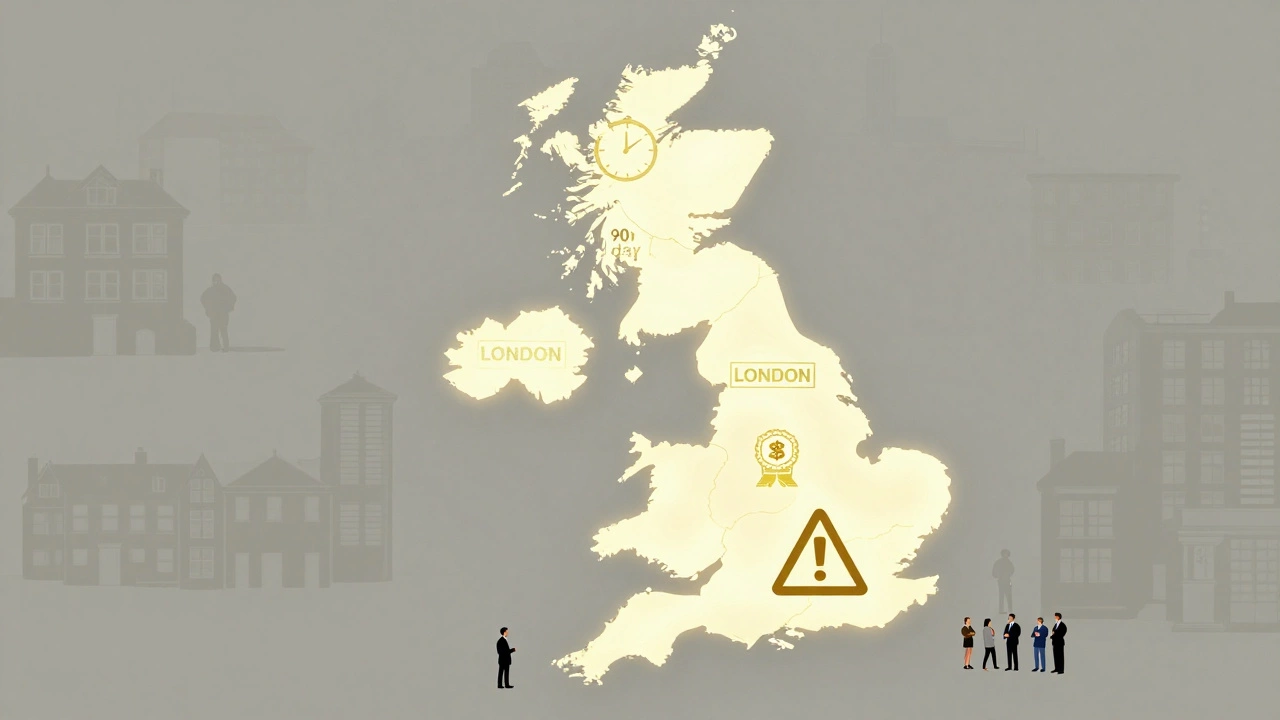
Enforcement is getting tighter. Councils now use software to scan Airbnb listings and flag properties that exceed the 90-day limit or don’t have permits. They cross-check with council tax records, utility usage, and even neighbor complaints.
Penalties vary. In London, a first offense might mean a £500 fine. Repeat offenders face £1,000 fines and possible court action. Some councils have gone further - like Oxford, which banned entire streets from short-term lets to protect housing for locals. If you’re a guest and stay in an illegal property, you won’t get fined - but you might be asked to leave mid-stay.
Guests: How to Tell if a Listing Is Legal
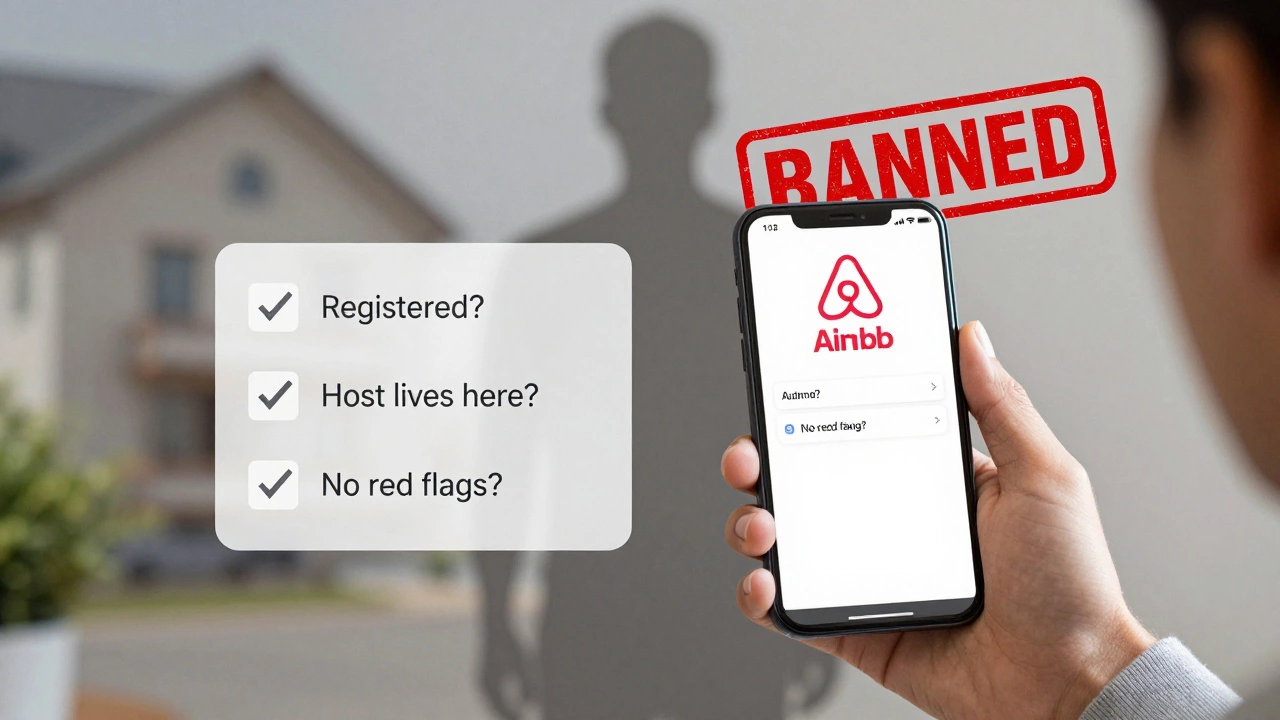
You don’t want to show up for your weekend escape only to find out the host is breaking the law. Here’s how to check:
- Look for a registration number on the listing. In London, it should say “Registered with the City of London” or similar.
- Check the host’s profile - do they mention they live in the property? If they say they’re a professional landlord with multiple units, that might be a red flag in a 90-day restricted area.
- Search the property’s address on your local council’s website. Many now have public registers of licensed short-term lets.
- Avoid listings with no reviews or that have been created in the last 30 days - they’re more likely to be unregistered.
If you’re unsure, message the host and ask: “Is this property registered for short-term letting under local council rules?” A legitimate host will have no problem answering.
What About Tax?
Hosting on Airbnb means you’re earning income - and the UK tax system takes notice. If you earn more than £1,000 a year from short-term lets, you must declare it to HMRC. You can use the Rent-a-Room scheme if you’re renting out a room in your main home - you get £7,500 tax-free. But if you’re renting out the whole property, that scheme doesn’t apply.
Failure to declare can lead to penalties of up to 100% of the tax owed - plus interest. HMRC has been using data-sharing agreements with Airbnb to track income. They know who’s earning what. Don’t assume you’re invisible.
Is Airbnb Still Worth It for UK Staycations?
Yes - if you follow the rules. The demand for short-term stays in the UK is stronger than ever. People want weekend escapes, city breaks, and countryside retreats. Hosts who comply with local laws are seeing steady bookings and higher prices. Guests who pick legal listings get better service, cleaner properties, and fewer surprises.
Here’s the bottom line: Airbnb isn’t illegal in the UK. But treating it like a loophole will cost you. Whether you’re hosting or staying, knowing the local rules isn’t optional - it’s essential.
Can I rent out my entire home on Airbnb in London?
Yes - but only for 90 days per year. London requires all short-term lets to be registered, and the 90-day limit applies to properties that are your main home. If you rent out your flat while you’re away, you can’t exceed 90 days total. Going over means fines and possible removal of your listing.
Do I need planning permission to use Airbnb?
It depends. If you’re renting out your main home for more than 90 days a year in England, you need planning permission. In some cities like Edinburgh or Brighton, you need a license regardless of usage. Always check with your local council - rules vary by area.
What happens if I’m caught breaking Airbnb rules?
You could face fines ranging from £500 to £1,000, have your listing removed, or be taken to court. In extreme cases, councils have banned entire streets from short-term lets. Guests won’t be fined, but they might be asked to leave early.
Can I use Airbnb if I’m renting my apartment?
Almost certainly not. Most tenancy agreements forbid subletting without written permission from your landlord. Even if your landlord says yes, your mortgage lender might not. Breaking your lease can lead to eviction.
Do I have to pay tax on Airbnb income?
Yes. If you earn more than £1,000 a year from short-term lets, you must declare it to HMRC. The Rent-a-Room scheme gives you £7,500 tax-free - but only if you’re renting out a room in your main home. Renting out the whole property doesn’t qualify for this allowance.