
Is it cheaper to holiday in UK or abroad? The real cost of UK staycations vs overseas trips in 2026
 Jan, 25 2026
UK Staycation vs. Overseas Trip Cost Calculator
When you’re planning a holiday in early 2026, the biggest question isn’t where to go-it’s whether to stay in the UK or fly abroad. On paper, a beach in Spain or a city break in Portugal seems like the obvious bargain. But when you add up every single cost-from flights and transfers to currency swings and hidden fees-the story changes. For many families and solo travelers, the UK isn’t just convenient. It’s cheaper. And here’s why.
The hidden costs of flying abroad
Let’s say you’re a family of four planning a week in Spain. You book a villa for £800. Flights? £600 total. Car hire? £250. Airport transfers? £120. That’s already £1,770 before you even buy a single meal or bottle of water.
Now add the extras: travel insurance that doesn’t cover flight delays (because your airline went bust last summer), airport parking that costs £70, and a £45 baggage fee because your suitcase weighs 23kg instead of 20kg. Then there’s the currency hit. The pound is still shaky against the euro. You thought you’d get 1.15 euros to the pound. You actually got 1.08. Suddenly, that £20 lunch costs you £21.30 in real terms.
And don’t forget the time. Two hours to get to the airport. Two hours for check-in and security. Another hour to get from the foreign airport to your hotel. That’s five hours just to start your holiday. Meanwhile, your UK staycation? You leave the house at 9 a.m. and are on the beach in Cornwall by noon.
What a UK staycation actually costs
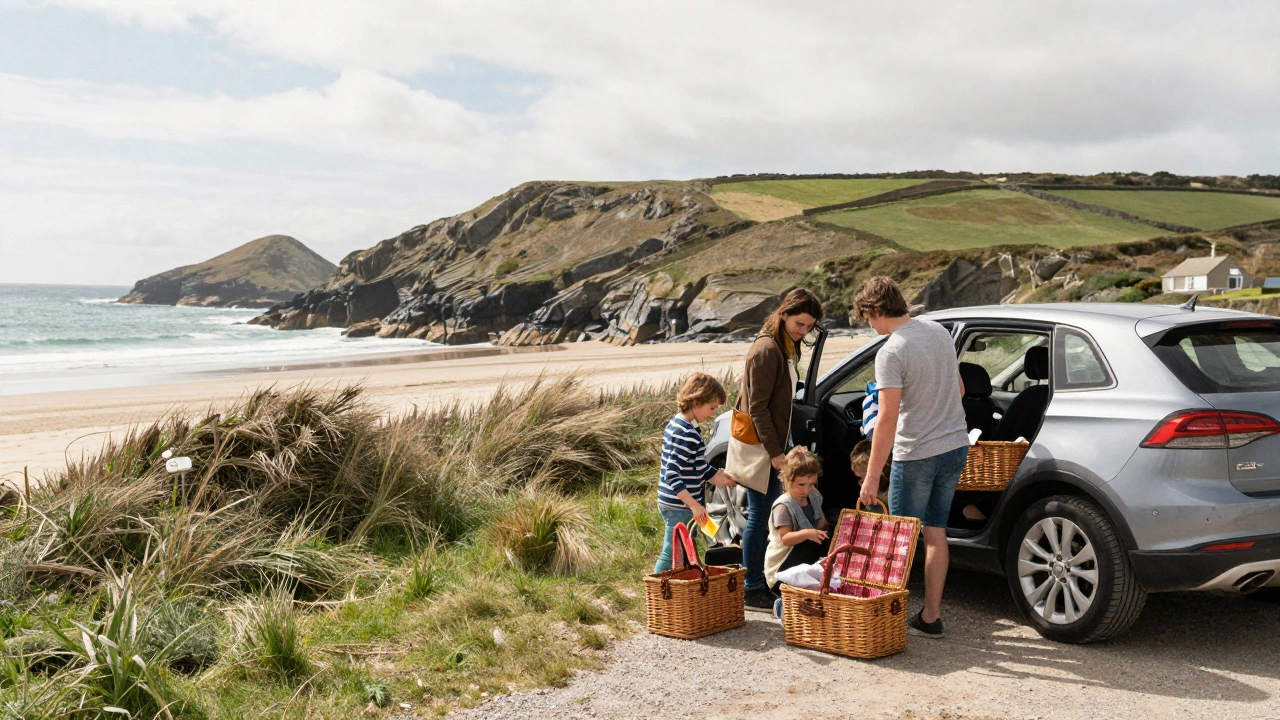
Same family. Same week. This time, you rent a coastal cottage in Pembrokeshire for £750. No flights. No baggage fees. No currency exchange. Your car’s already in the driveway. You pack a picnic, drive three hours, and arrive with your own snacks, toys, and sunscreen.
You spend £150 on local groceries, £80 on a day trip to the Brecon Beacons, £40 on a pub dinner, and £60 on a local attraction like a seaside aquarium. Total? £1,080. That’s £690 less than the Spain trip-and you didn’t have to worry about a delayed flight, lost luggage, or a hotel that doesn’t match the photos.
And here’s the kicker: UK accommodation prices haven’t skyrocketed like they have abroad. While Airbnb prices in Lisbon jumped 34% since 2023, UK holiday lets only rose 8%-and many are still below 2019 levels. Cottage rentals in Devon, the Lake District, and North Wales are offering early bird discounts to fill winter slots. You can find a 3-bedroom place with a hot tub for under £100 a night if you book ahead.

Food, transport, and activities: the real comparison
Abroad, you’re paying for everything in a foreign currency. A pint of beer in a Spanish bar? £5. A coffee? £3. A simple pasta dish? £14. In the UK? A pint in a pub in York is £5.50. A coffee? £3.25. A pasta dish? £12. The difference isn’t huge-but it’s the little things that add up.
Transport is where the UK wins hard. Train tickets from London to Edinburgh cost £65 if you book early. A bus from Manchester to the Lake District? £15. You can hop on a train, take a ferry to the Isle of Wight, or drive to the Scottish Highlands without ever needing to rent a car. In Italy, you need a car to get anywhere outside the city. In France, parking in a village costs €15 a day. In the UK, most coastal towns have free parking for holidaymakers.
Activities? The UK has free beaches, wild hiking trails, historic castles you can walk through for £5, and museums that cost nothing. The National Trust and English Heritage offer family passes for under £50 that cover dozens of sites. In Portugal, you pay €12 just to enter a historic monastery. In Greece, you pay €20 to see a single ancient ruin. The UK gives you more for less-and often for free.
When abroad still makes sense
Let’s be fair: there are times when going abroad is worth it. If you want to ski in the Alps, dive in the Red Sea, or eat authentic pasta in Bologna, you’ll need to fly. But those aren’t the holidays most people are thinking about when they ask, “Is it cheaper?”
For the average family looking for sun, sand, and relaxation, the UK has caught up. New beachside hotels in Bournemouth and Tenby have added pools, kids’ clubs, and evening entertainment. Glamping sites in Scotland now offer heated yurts with hot tubs. You can find self-catering cabins with Wi-Fi, smart TVs, and washing machines-no more hauling dirty clothes home.
And let’s not forget safety. No language barriers. No pickpockets. No worrying if your child wandered off near a busy street. No strange tap water. No need to buy bottled water because you’re afraid to drink the tap. In the UK, you can relax without second-guessing everything.

Real people, real savings
Emma, a single mum from Birmingham, took her two kids to a holiday park in Norfolk last summer. She paid £420 for five nights, brought her own food, and used the park’s free kids’ activities. Total spend: £510. Last year, she went to Portugal. Flights, hotel, transfers, and food: £1,950. She saved £1,440-and didn’t miss the beach one bit.
Mark and Lisa, retired teachers from Leeds, used to fly to Spain every year. This year, they rented a cottage in the Lake District. They walked the fells, visited local markets, and ate at the same pub every night. Their total spend? £890. Last year’s Spain trip? £2,100. They’re not going back. “We got more peace, more quiet, and more value,” Lisa says. “And no one asked us for a tip.”
The 2026 rule: UK first, abroad second
Here’s the new math for 2026: if your holiday budget is under £1,500 for a family of four, the UK is almost always cheaper. Even if you’re flying to Scotland or Northern Ireland, you’re still saving on flights, transfers, and currency loss. If your budget is £2,000 or more, then abroad might make sense-but only if you’re chasing something the UK can’t offer.
What’s changed? The UK didn’t get more expensive. Abroad got a lot more expensive. Flights are pricier. Insurance is harder to get. Tourist taxes are everywhere. Even the cheapest destinations now charge a “resort fee” or “tourism levy.” Meanwhile, the UK quietly improved its own offerings without the drama.
So if you’re wondering whether to book a flight or a cottage, ask yourself this: Do you really need to leave the country to have a great holiday? Or are you just used to thinking that way?
The answer might surprise you. And so might your bank balance.
Is a UK staycation really cheaper than going abroad in 2026?
Yes, for most families and couples. A typical UK staycation for a family of four costs between £900 and £1,300, including accommodation, food, and local activities. A comparable trip abroad-flights, transfers, hotel, meals, and currency loss-often hits £1,600 to £2,500. The UK wins on total cost, convenience, and predictability.
What’s the cheapest part of the UK to holiday in?
The cheapest places are often the least obvious. North Wales, the East Coast of England (like Skegness and Cleethorpes), and parts of Cumbria offer strong deals on self-catering cottages and caravan parks. You can find weekly rentals under £500 in off-season. Coastal towns like Whitby, Tenby, and Blyth have low tourist taxes and free parking. Avoid London, the Lake District in peak season, and Cornwall during school holidays if you’re budget-focused.
Do I need to rent a car for a UK staycation?
Not always. Many UK holiday spots are well-connected by train or bus. You can reach the Lake District from Manchester by train in 2 hours. The Welsh coast is accessible from Cardiff. Even the Scottish Highlands have regular bus services. But if you want flexibility to explore multiple towns or hike remote trails, a car is useful. Renting one for a week costs £120-£180, which is still cheaper than international airport transfers and parking.
Are UK holiday parks worth it?
Absolutely. Modern UK holiday parks like Haven, Butlins, and Parkdean now offer luxury lodges with kitchens, hot tubs, and kids’ clubs. Weekly rates start at £400-£700, which includes access to pools, entertainment, and free parking. You’re paying for convenience and safety-not just a bed. For families, this beats a hotel with a £15 breakfast fee and a £50 WiFi charge.
What about the weather? Isn’t the UK too rainy?
It rains less than you think. The south coast of England gets more sunshine than parts of southern France. And rain doesn’t ruin a staycation. You can visit museums, go to indoor pools, explore castles, or enjoy a pub lunch with a view. Many UK holiday homes have wood-burning stoves and cozy interiors. The weather is part of the charm-it’s not a dealbreaker.