
Is the UK a good place for tourists? Here's what really matters in 2026
 Jan, 1 2026
UK Travel Budget Calculator
Plan Your UK Adventure
Find out how much your domestic UK trip will cost based on your preferences.
Estimated Budget
* UK travel can be much cheaper than international destinations! This calculator shows you how to maximize your budget for authentic experiences.
More than 30 million tourists visited the UK in 2024 - and nearly half of them were British people taking a staycation. That’s not a fluke. It’s proof that the UK isn’t just a country you fly into for a week of castles and tea. It’s a place you can explore slowly, deeply, and without breaking the bank. Whether you’re from London or Leeds, Manchester or Middlesbrough, there’s something here that feels like a vacation - without the airport lines, the jet lag, or the exchange rate shock.
The UK doesn’t need to be exotic to be amazing
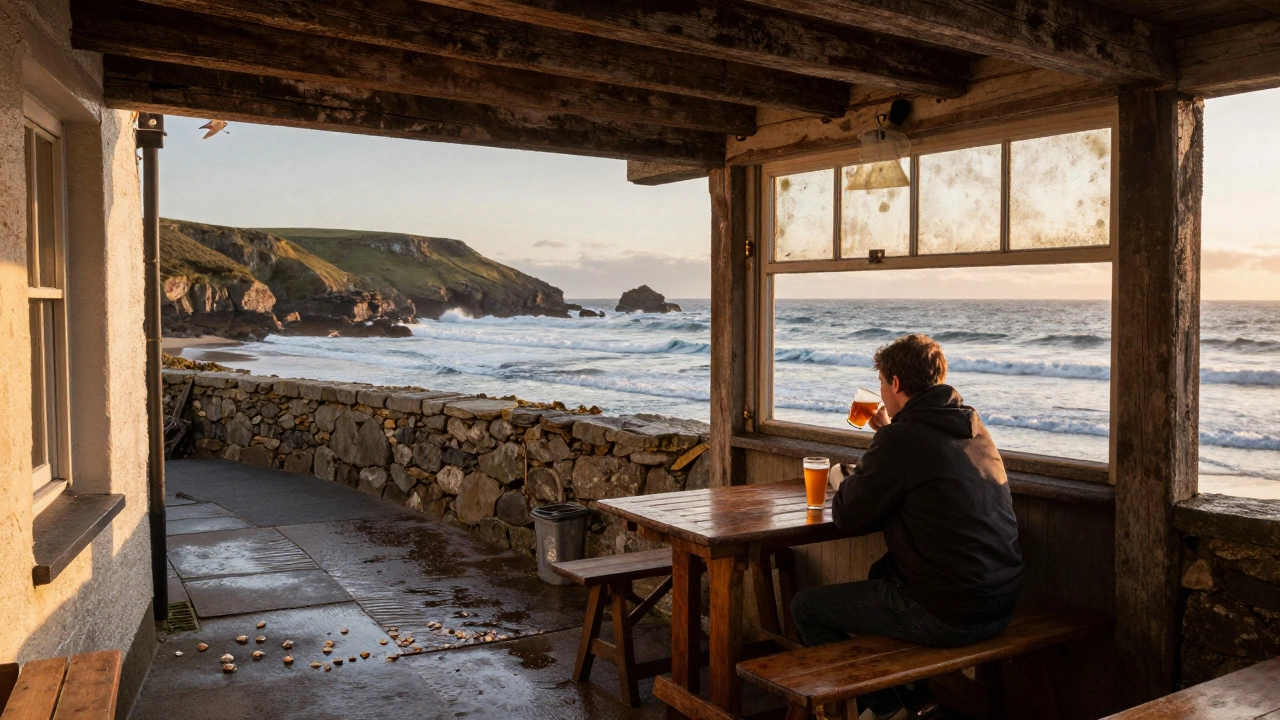
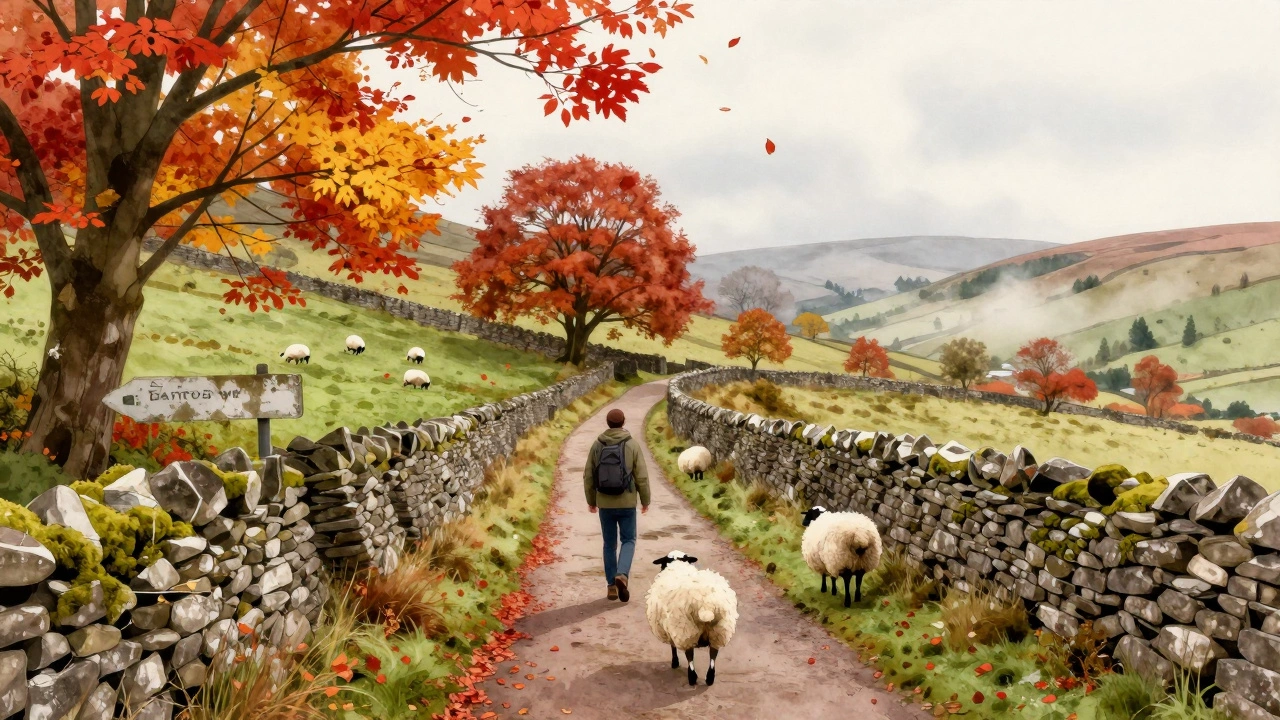
People think of the UK as a collection of postcards: Big Ben, the Loch, the Lake District. But the real magic isn’t in the landmarks. It’s in the quiet corners. The coastal pubs in Cornwall where the beer tastes like salt air. The market stalls in Liverpool selling handmade jam from local orchards. The old railway paths in Yorkshire turned into walking trails where you’ll see more sheep than people.
There’s no need to chase Instagram trends. You don’t need to wait for a sale on a flight to Bali. The UK has 15 national parks, 26 UNESCO World Heritage Sites, and over 400 miles of coastline you can walk without seeing another soul. In 2025, the National Trust reported a 22% jump in membership from people under 35 - not because they’re chasing history, but because they’re chasing peace.
It’s cheaper than you think
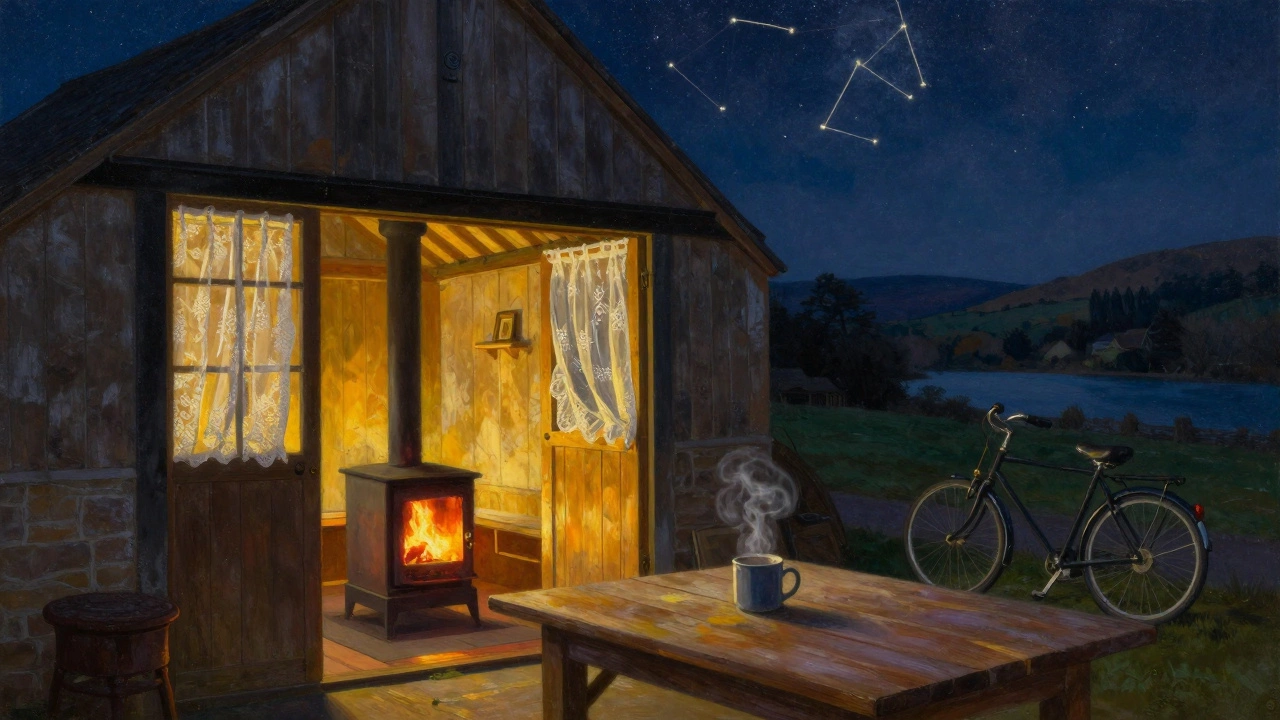
Let’s be real: flying to Spain or Portugal still costs less than a weekend in London. But if you’re already in the UK, why spend money on a flight when you can spend it on a proper meal? A pint of real ale in a 300-year-old pub in the Cotswolds costs £5.50. A train ticket from Birmingham to Manchester? £28 if you book early. A night in a converted barn with a wood-burning stove? £90 - and that’s with breakfast included.
Public transport is reliable. The train network connects nearly every town of interest. Buses run hourly in rural areas. And if you’re feeling adventurous, renting a car for a week costs less than £150 - and you’ll have the freedom to turn down a side road just because it looks interesting.
Seasons matter - and that’s a good thing
Winter in the UK isn’t a reason to stay home. It’s a reason to go somewhere warm inside. The Christmas markets in Edinburgh and Bath are packed, but not crowded. The lights in Hyde Park don’t blind you - they glow softly over frozen ponds. Snow in the Scottish Highlands means you can ski without the crowds of the Alps.
Spring brings bluebells in the Forest of Dean. Summer means long evenings on the beaches of Norfolk, where the sand is fine and the water is cold but worth it. Autumn? That’s when the cider farms open their doors and you can pick apples while the leaves turn red and gold.
There’s no bad time to visit. Just different experiences. And unlike tropical destinations where the weather is predictable, the UK’s unpredictability makes every trip feel personal. You’ll pack for rain - and then find yourself sitting under a clear sky in a field of wildflowers, wondering why you ever thought you needed a beach to relax.
The food is local, not touristy
Forget the £15 fish and chips wrapped in newspaper. The real UK food scene is in the small towns. The chippy in Penzance that uses line-caught haddock. The cheese shop in Cheddar that ages its wheels in caves. The bakery in Shrewsbury that bakes sourdough with barley flour from the next valley.
Supermarkets like Waitrose and M&S have local food sections that list exactly where each product came from. You can buy honey from a beekeeper in the Peak District, or a jar of pickled beetroot from a farm in Herefordshire. And if you’re lucky, you’ll find a farmer’s market on a Saturday morning where the stallholder remembers your name from last week.
Even the pubs have changed. No more greasy burgers and lukewarm lager. You’ll find craft beer brewed with hops from Kent, gin distilled with wild juniper from the Pennines, and whisky that’s been aged in oak barrels that once held sherry from Jerez.
It’s safe, easy, and welcoming
You don’t need to speak perfect English. Most people in the UK speak clearly and slowly to tourists. Signs are everywhere. Public restrooms are clean and free in train stations and parks. Hospitals treat visitors - even without insurance - for emergencies. The police are approachable. You can walk alone at night in most towns without worry.
And the people? They’re not the stereotypical stiff-upper-lip types you see in movies. They’re the barista who gives you a free biscuit because you looked tired. The bus driver who waits an extra minute because you were running. The old man in the village shop who tells you the history of the church you just passed - unprompted.
There’s no pressure to be loud or flashy. You can sit on a bench, read a book, and no one will hurry you along. That’s rare. And it’s worth more than any five-star hotel.
What you won’t find - and why that’s okay
The UK isn’t Disneyland. There are no themed rides, no giant animatronic dragons. You won’t find all-inclusive resorts where everything is handed to you on a tray. You won’t get a free cocktail every hour.
But you’ll find something better: authenticity. You’ll find a stone wall in the Lake District that’s been standing since the 1300s. A lighthouse on the Isle of Wight that’s been lit by hand for 180 years. A library in a village that still uses card catalogs.
The UK doesn’t sell you an experience. It lets you live one.
Where to go if you’ve never been
- Northumberland - Empty beaches, Roman ruins, and star-filled skies. The darkest night sky in England.
- Anglesey - A small island off Wales with 200 miles of coastal path and zero traffic lights.
- Derbyshire Dales - Rolling hills, hidden caves, and the village of Castleton, where you can tour a real lead mine.
- Isle of Skye - Dramatic cliffs, waterfalls, and a landscape that looks like it was painted by a dreamer.
- York - Medieval streets, a 1000-year-old cathedral, and the best chocolate shop in the country.
Don’t try to see it all. Pick one place. Stay three days. Walk. Eat. Talk to someone. Then go back next year and try another.
Why staycations in the UK are growing
After the pandemic, people stopped chasing distant places. They started valuing what was close. In 2025, UK residents spent £48 billion on domestic holidays - more than ever before. Why? Because they realized you don’t need to fly to feel like you’ve escaped.
You don’t need to go far to find wonder. You just need to slow down. And the UK, with its quiet lanes, its foggy mornings, its stubborn weather, and its stubborn charm, is one of the few places left where that’s still possible.
Is the UK safe for tourists?
Yes. The UK has low violent crime rates compared to most Western countries. Tourists are rarely targeted. Public spaces, including train stations and parks, are well-lit and patrolled. Emergency services are accessible, and most locals are helpful if you’re lost or need directions. Just use common sense - don’t leave valuables unattended, and avoid poorly lit areas late at night, especially in unfamiliar cities.
Do I need a visa to visit the UK as a tourist?
If you’re from the US, Canada, Australia, New Zealand, or the EU, you don’t need a visa for stays under six months. You’ll need a valid passport, and you may be asked to show proof of return travel and enough money for your stay. Always check the UK government website before you travel - rules can change, especially after Brexit.
Is public transport reliable in the UK?
In cities and between major towns, yes. Trains run frequently on popular routes like London to Edinburgh or Manchester to Liverpool. Buses are less frequent in rural areas but still operate daily. Apps like National Rail Enquiries and Google Maps give real-time updates. Delays happen - especially in winter - but they’re usually communicated clearly. For rural exploration, renting a car gives you the most flexibility.
Can I visit the UK on a budget?
Absolutely. Many national parks and museums are free to enter. Hostels and B&Bs cost £30-£70 a night. You can eat well for £10-£15 a meal at local cafes. Public transport passes, like the BritRail Pass, save money if you’re hopping between cities. And walking is free - and often the best way to discover hidden spots.
What’s the best time of year to visit the UK?
Late spring (May-June) and early autumn (September) are ideal. The weather is mild, crowds are smaller, and nature is at its best. Summer is great for coastal towns but busy. Winter is quiet and magical - perfect for cozy pubs and Christmas markets. Avoid August if you hate crowds; it’s peak holiday season for British families.
What to do next
Don’t wait for the perfect moment. The UK won’t wait for you. Book a weekend. Pick a town you’ve never heard of. Drive there. Walk without a map. Eat where the locals eat. Sleep in a place that doesn’t have a chain logo outside.
You don’t need to prove you’ve been somewhere exotic. You just need to prove you’ve been somewhere real. And the UK? It’s full of them.