
Is the UK Safe for Tourists in 2026? A Realistic Safety Guide
 Aug, 9 2026
UK Tourist Safety Risk Calculator
Select Your Travel Profile
Answer these questions to determine your vulnerability to common tourist risks.
Your Risk Assessment
Complete the profile and click calculate to see your personalized safety report.
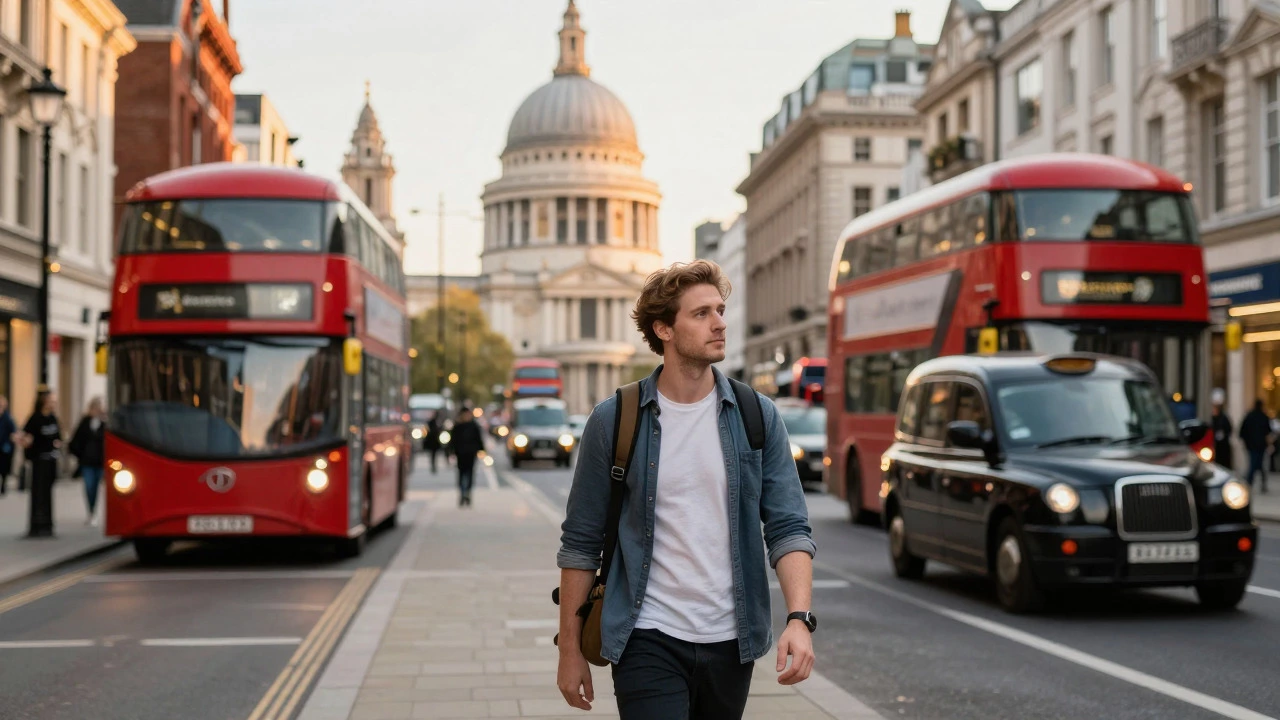
Walking down a cobblestone street in York or navigating the Tube in London, you might wonder if your valuables are secure. The short answer is yes, the United Kingdom is generally very safe for tourists in 2026. Most visits involve zero incidents, with millions of travelers enjoying museums, pubs, and countryside walks without a hitch. However, "safe" doesn't mean "risk-free." Like any major global destination, the UK has specific urban challenges that require awareness rather than fear.
If you are planning a trip this summer or autumn, understanding where the real risks lie will help you travel with confidence. We aren't talking about war zones or high kidnapping rates; we are talking about petty theft, transport scams, and situational awareness in crowded cities. This guide breaks down what to expect, how to protect yourself, and why your peace of mind shouldn't be held hostage by worst-case scenarios.
The Reality of Crime in Major Cities
Let's address the elephant in the room: big cities. London, Manchester, and Birmingham have higher crime statistics than rural villages. This isn't surprising; it’s true for New York, Paris, and Tokyo as well. The vast majority of crime reported in these areas is non-violent and targets tourists who look distracted or unprepared.
In 2025 and early 2026, police forces across England and Wales have focused heavily on reducing knife crime and gang violence, which primarily affects local communities and rarely spills over into tourist hubs like Westminster or the British Museum. For you, the visitor, the primary threat is opportunistic theft. Pickpockets operate in high-traffic zones such as Covent Garden, near Buckingham Palace, and on busy train lines. They rely on confusion, not force. If you keep your phone in an inner pocket and your bag zipped and in front of you, you are already safer than 90% of visitors.
Violent crime against tourists remains statistically low. You are more likely to suffer from jet lag or food poisoning than encounter physical aggression. Still, it pays to avoid poorly lit alleys late at night in unfamiliar neighborhoods. Stick to main roads, use licensed taxis or reputable ride-share apps, and trust your instincts. If a street feels empty and uneasy, cross to the other side. It’s not paranoia; it’s practicality.
Transportation Safety: Trains, Tubes, and Taxis
Getting around the UK is one of the highlights of visiting, but it also presents specific safety considerations. The National Rail network is extensive and reliable, but station platforms can be chaotic during rush hours. Always stand behind the yellow line, especially when trains are approaching. In major hubs like Waterloo Station or Euston Station, keep an eye on your belongings while queuing for tickets or waiting for connections.
The London Underground, affectionately known as the Tube, is generally safe day and night. However, late-night travel requires extra caution. Empty carriages can feel isolating, so sit near the driver’s cab if possible. There are emergency alarm buttons in every carriage, and staff are trained to respond quickly. During peak times, watch for pickpockets squeezing through crowds. A simple rule: never leave your phone or wallet in your back pocket.
When using taxis, always opt for black cabs or licensed minicabs booked via app. Unlicensed operators may overcharge or take longer routes. While rare, disputes over fares can escalate. Using services like Uber or Bolt provides a digital trail of your journey, adding a layer of security. In smaller towns, local taxi firms are usually family-run and trustworthy, but always agree on the price before getting in if there’s no meter.
Petty Theft and Scams to Avoid
You won’t find many complex cons targeting tourists in the UK, but basic scams persist. The most common is the "distraction technique." Someone might ask for directions, drop something, or spill a drink on you while an accomplice lifts your wallet. Stay alert in crowded markets like Camden Market or Borough Market. Keep your hands on your bags.
Another issue is card skimming. While contactless payments are ubiquitous and secure, always shield your PIN at ATMs. Use machines inside banks or shopping centers rather than standalone units on quiet streets. Some older ATMs have hidden cameras or devices that read chip data. If you notice anything unusual attached to the keypad, move along. Also, check your bank statements regularly. Many UK banks offer instant fraud alerts via app, which can save you headaches later.
Fake tour guides occasionally operate near major landmarks. They claim to offer free tours but demand hefty tips at the end. Look for official badges or book through reputable companies. Legitimate guided tours are clearly marked and often reviewed online. If someone approaches you aggressively offering services, a polite "no thank you" and walking away is the best defense.
| Risk Type | Likelihood | Impact | Mitigation Strategy |
|---|---|---|---|
| Pickpocketing | High (in cities) | Low-Medium | Use anti-theft bags, keep valuables hidden |
| Violent Crime | Very Low | High | Avoid isolated areas at night, stay aware |
| Card Skimming | Medium | Medium | Shield PIN, use bank ATMs, monitor accounts |
| Transport Scams | Low | Low | Use licensed taxis/apps, agree on prices |
| Political Protests | Medium | Low | Check news, avoid large demonstrations |
Health and Environmental Safety
Safety isn't just about crime. Health concerns play a significant role in travel comfort. The UK has excellent healthcare facilities, and the NHS (National Health Service) is world-class. However, as a tourist, you may need to pay for certain treatments unless you’re from a country with a reciprocal healthcare agreement. Travel insurance is non-negotiable. It covers medical emergencies, lost luggage, and trip cancellations. Don’t skip this step to save a few pounds.
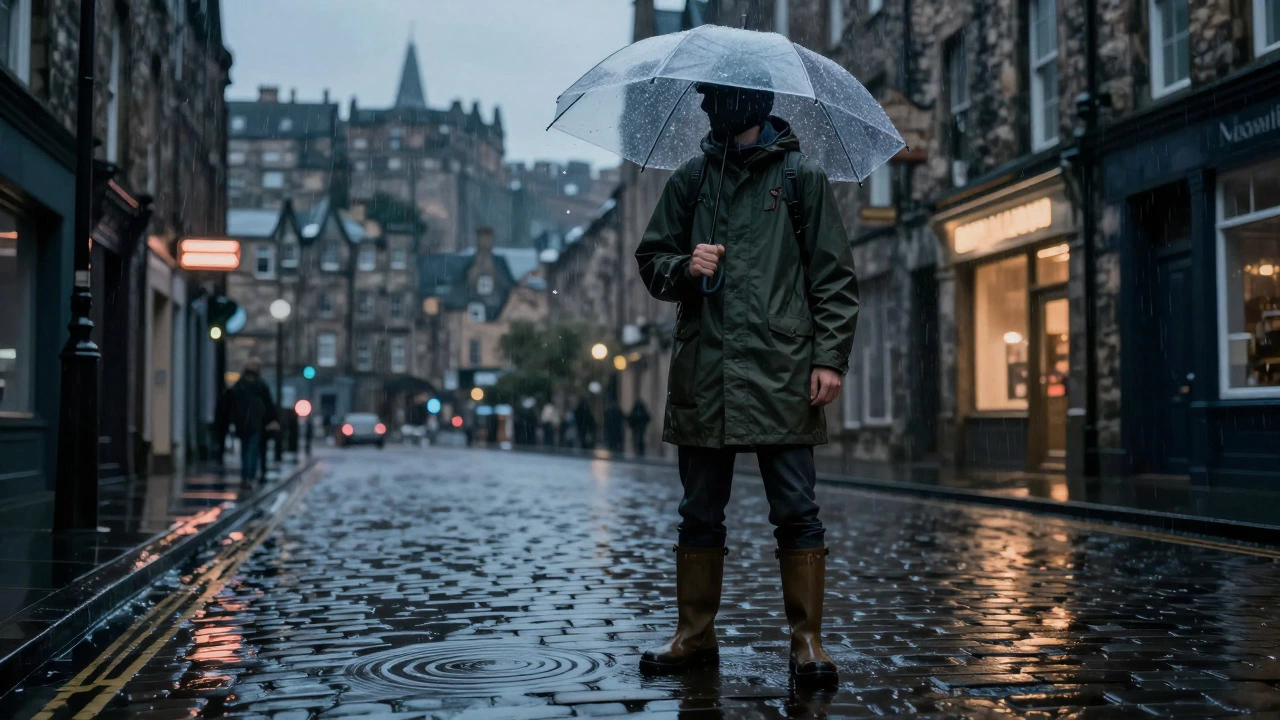
Weather can also pose risks. Rain is frequent, even in summer. Slippery pavements in historic cities like Edinburgh or Oxford can lead to falls. Wear sturdy, waterproof shoes. In winter, ice becomes a hazard. Check weather forecasts daily and dress in layers. Hypothermia is rare but possible if you’re caught out in cold, wet conditions without proper gear.
Food safety standards in the UK are among the highest globally. Restaurants undergo regular hygiene inspections, and ratings are publicly available. You can eat street food, pub meals, and fine dining with confidence. Allergies are taken seriously; always inform staff of dietary restrictions. Tap water is safe to drink everywhere, so carry a reusable bottle to stay hydrated and reduce plastic waste.
Protests and Civil Unrest
The UK has a long tradition of peaceful protest. Demonstrations occur regularly in London, Manchester, and other cities, often centered around political issues, climate change, or social justice. These events are generally orderly and protected by law. However, they can disrupt traffic and public transport. If you see a large crowd gathering, check local news to understand the context. Unless you intend to join, it’s wise to give protests a wide berth. Police presence ensures order, but accidents happen in dense crowds.
In 2025 and 2026, several major rallies were planned around environmental policies and housing rights. Most concluded without incident. Follow updates on Twitter or local news apps to avoid accidental entanglement. If you’re staying in central London, note that some tube stations close temporarily during large marches. Plan alternative routes or adjust your itinerary slightly. Flexibility is key to stress-free travel.
Emergency Contacts and Resources
Knowing who to call in an emergency gives you immediate peace of mind. Dial 999 for life-threatening situations requiring police, fire, or ambulance services. For non-emergency police matters, use 101. Both numbers work from mobile phones and landlines. English is widely spoken, but if you struggle, ask hotel staff or shopkeepers to help you make the call. They are accustomed to assisting tourists.
Your embassy or consulate is another vital resource. Register your trip with your home country’s foreign affairs office if possible. This allows them to contact you in case of natural disasters, civil unrest, or personal emergencies. Keep digital copies of your passport, visa, and insurance policy in a secure cloud folder. Physical copies should be stored separately from your originals. Losing documents is stressful but manageable with preparation.
Local tourist information centers are staffed by knowledgeable volunteers who can direct you to safe areas, recommend reputable businesses, and provide maps. Visit them upon arrival. They often have brochures on safety tips specific to the region. In cities like York or Bath, these centers are invaluable for navigating narrow, historic streets safely.
Tips for Staying Safe Without Stress
Safety doesn’t mean living in fear. It means being prepared. Here are actionable steps to enhance your security:
- Blend in: Avoid looking like a stereotypical tourist. Dress casually, walk with purpose, and minimize flashy jewelry or expensive cameras.
- Share your location: Use smartphone apps to share your live location with family or friends back home. It’s a simple habit that adds accountability.
- Stay connected: Buy a local SIM card or ensure international roaming works. Having data access lets you navigate, call for help, and research areas instantly.
- Trust your gut: If a situation feels off, leave. No museum exhibit or photo opportunity is worth compromising your safety.
- Learn basic phrases: Even though English is spoken everywhere, knowing how to say "help," "police," or "hospital" in different accents or dialects can bridge communication gaps in emergencies.
Remember, millions of people visit the UK annually without incident. The media often amplifies rare negative stories, creating a skewed perception of danger. By staying aware, respecting local norms, and taking basic precautions, you’ll enjoy a seamless and memorable experience. The UK offers rich history, vibrant culture, and friendly locals. Don’t let unfounded fears dim your adventure.
Is it safe to walk alone at night in London?
Yes, it is generally safe to walk alone at night in central London, especially in well-lit, busy areas like Covent Garden or Soho. However, avoid deserted parks or alleyways after dark. Stick to main roads, stay alert, and consider using a taxi or rideshare if you’re tired or unsure. Your safety depends largely on situational awareness.
Do I need travel insurance for the UK?
Absolutely. While the NHS provides emergency care, tourists may face charges for treatment unless covered by a reciprocal agreement. Travel insurance covers medical bills, lost luggage, flight delays, and trip cancellations. It’s a small cost for significant peace of mind, especially given potential healthcare expenses abroad.
Are pickpockets common in the UK?
Pickpocketing occurs mainly in crowded tourist hotspots like London’s West End, Oxford Street, and major train stations. It’s not rampant but is a persistent risk. Protect yourself by keeping bags zipped and in front of you, avoiding back pockets for wallets, and staying vigilant in dense crowds.
Is tap water safe to drink in the UK?
Yes, tap water in the UK is strictly regulated and safe to drink. It meets high quality standards and is tested regularly. Carrying a reusable bottle is eco-friendly and convenient. If you prefer bottled water, it’s widely available, but unnecessary from a health perspective.
What number do I call in an emergency in the UK?
Dial 999 for immediate emergencies involving police, fire, or ambulance services. For non-urgent police matters, call 101. Both numbers are free and accessible from any phone. Keep these numbers saved in your device before arriving. Hotel staff can also assist with contacting authorities if needed.