
The 10 Best Family Holidays: A Complete Guide to Unforgettable Breaks
 Aug, 2 2026
Family Holiday Matchmaker
Answer these three questions to find your perfect match.
The Classic Beach Getaway
Why it fits:
Beach trips offer low-stress environments where kids can burn energy while parents relax. It balances your need for relaxation with the flexibility toddlers require.
Pro Tips for this Trip:
- • Arrive early to claim spots near water.
- • Pack waterproof bags for phones.
- • Look for calm waters and shallow areas.
Key Benefits
Potential Challenges
Beware: Sunburn risk. Ensure plenty of sunscreen and shade are available.
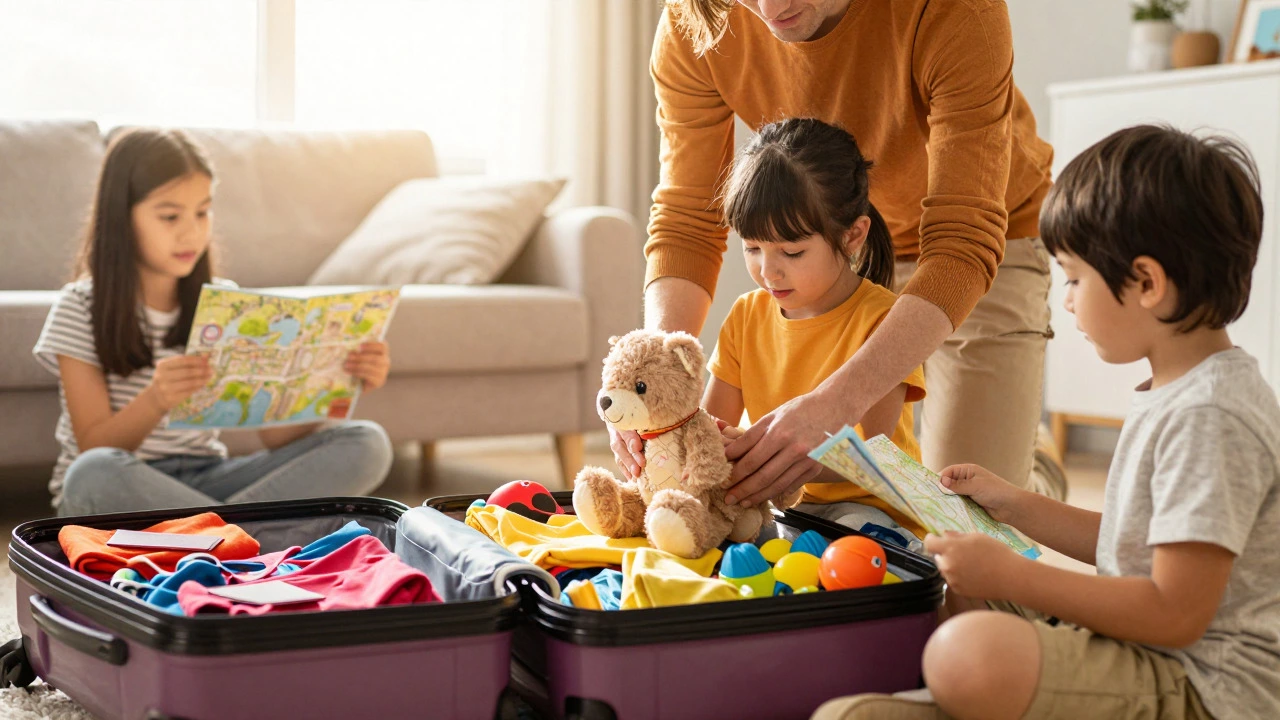
Picture this: you’re packing for a trip with your kids. You’ve got the passports, the snacks, and maybe even that one toy they refuse to sleep without. But instead of a relaxing getaway, you end up managing meltdowns at the airport and arguing over who gets the window seat. Sound familiar? Planning a family holiday can feel like juggling flaming torches while riding a unicycle. But it doesn’t have to be that way.
The truth is, there isn’t just one “best” family holiday. There are ten distinct types of trips that work beautifully for families, depending on your budget, your kids’ ages, and what kind of memories you want to make. Whether you’re looking for adrenaline-pumping adventures or slow-paced beach days, knowing these categories helps you pick the right fit before you book anything.
1. The Classic Beach Getaway
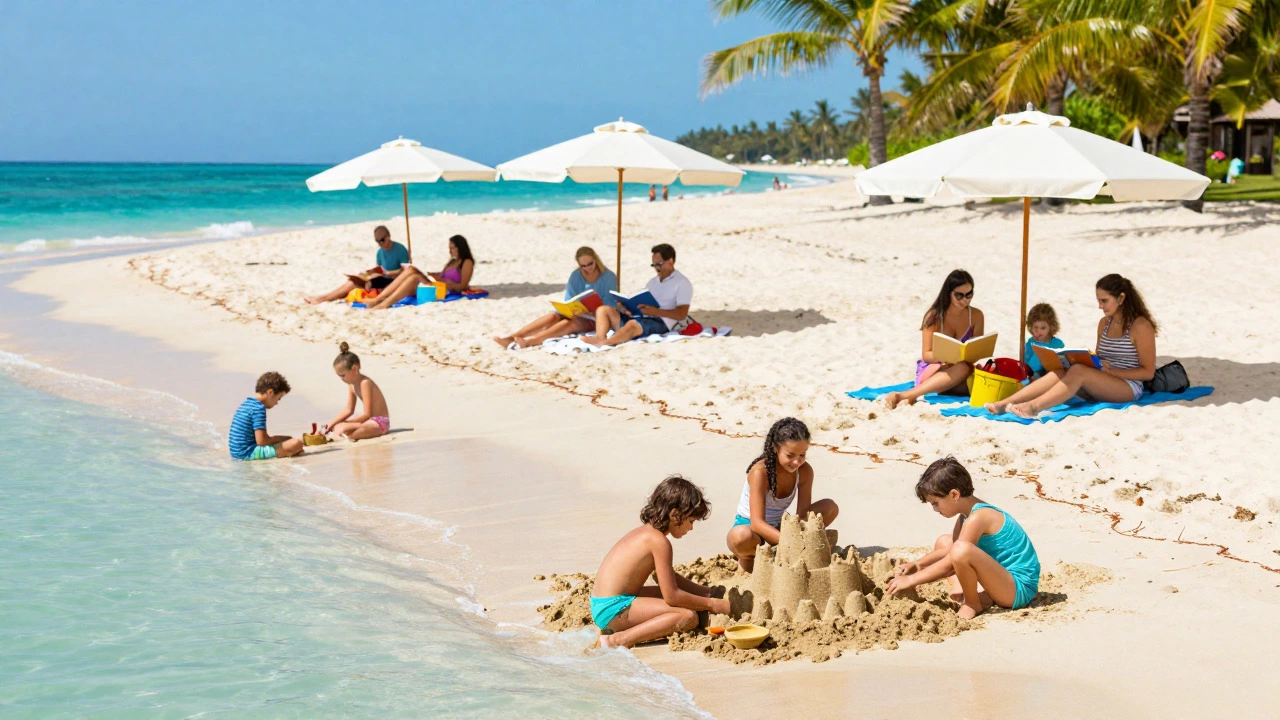
Let’s start with the obvious winner: the beach. Why? Because sand is nature’s playground. Kids dig holes, build castles, and generally burn off energy while parents read books under umbrellas. It’s the ultimate low-stress environment.
When choosing a beach destination, look for calm waters and shallow areas. Places like the Algarve in Portugal or the Costa del Sol in Spain offer gentle waves perfect for younger swimmers. If you’re closer to home, Vancouver Island’s Tofino offers rugged beauty but check the tide charts-some beaches are only accessible at low tide. Pack waterproof bags for phones and plenty of sunscreen. Pro tip: arrive early in the morning to claim a spot near the water; afternoon spots get crowded and hot.
2. The Theme Park Escape
If your kids love rides, characters, and sugar rushes, theme parks are non-negotiable. Disney World in Florida, Disneyland Paris, or Legoland Windsor aren’t just amusement parks; they’re immersive worlds designed to spark joy. Yes, they’re expensive. Yes, you’ll walk 20,000 steps a day. But seeing your child’s face light up when they meet Mickey Mouse? Priceless.
To survive a theme park trip, plan ahead. Buy tickets online to skip lines. Use single-rider queues if your kids are old enough (usually 12+). Eat breakfast inside the park-it’s cheaper than it looks and saves time later. Bring portable fans and refillable water bottles. And don’t try to do everything. Pick three must-do attractions per day and let the rest unfold naturally.
3. The Wildlife Safari Experience
Want to teach your kids about nature without boring them with textbooks? Go see animals in their natural habitat. Safaris in Kenya or Tanzania offer incredible wildlife viewing, but they’re not just for adults. Many lodges now offer kid-friendly programs where children track animals with rangers or learn about conservation efforts.
For a more accessible option, consider zoos or aquariums combined with nearby hiking trails. In Canada, Banff National Park lets you spot elk, bears, and bighorn sheep during hikes. Always carry binoculars and a field guidebook. Teach your kids to stay quiet and observe patiently-it builds focus and respect for wildlife. Remember: never feed wild animals, no matter how cute they seem.
4. The Cultural City Break
Cities can be overwhelming for kids, but they also offer endless learning opportunities. Museums, street performers, historic sites, and diverse food options keep everyone engaged. London, Tokyo, or Rome might sound intimidating, but break them down into small, manageable experiences.
In London, visit the Natural History Museum first-it’s free and full of dinosaur skeletons that wow every age group. Then head to Hyde Park for ice cream and boat rides. In Tokyo, explore Ueno Park and its zoo, then ride the subway to Asakusa for traditional snacks. Use public transport wisely: many cities offer family passes or discounts. Keep walks short and frequent. Let kids choose one activity each day-they’ll feel invested and less likely to complain.
5. The Adventure Outdoor Trip
Active families thrive on outdoor adventures. Hiking, kayaking, zip-lining, and rock climbing create bonding moments through shared challenges. National parks around the world cater to all skill levels. Yellowstone in the US, Plitvice Lakes in Croatia, or Fiordland in New Zealand offer stunning scenery and safe trails for beginners.
Start with easy hikes under five kilometers. Bring snacks, extra layers, and sturdy shoes. Teach kids basic safety rules: stay on marked paths, tell an adult if lost, and never touch unknown plants. Afterward, reward effort with campfire stories or s’mores. These trips build confidence and resilience-not just physical fitness.
6. The Relaxing All-Inclusive Resort Stay
Sometimes, you just need a break from cooking, cleaning, and scheduling. All-inclusive resorts handle meals, drinks, activities, and entertainment so you can actually relax. Popular chains like Club Med or Sandals offer kids’ clubs, pools, and organized games tailored to different ages.
Choose resorts with dedicated family wings or suites. Look for ones offering childcare services if you want some couple time. Check what’s included-some charge extra for premium drinks or excursions. Book directly with the resort for better deals and flexibility. Don’t expect luxury service everywhere; prioritize comfort and convenience over opulence.
7. The Historical Heritage Journey
History comes alive when you walk through ancient ruins or medieval castles. Sites like Machu Picchu in Peru, Petra in Jordan, or Stonehenge in England connect past and present in tangible ways. For younger kids, interactive museums or reenactment villages bring history to life without requiring long lectures.
Prepare your kids beforehand by reading simple books or watching documentaries together. Ask questions along the way: “What do you think people ate here?” or “How did they build this without machines?” Encourage curiosity rather than memorization. Take photos at key landmarks to revisit later. This type of trip fosters empathy and global awareness.
8. The Eco-Friendly Nature Retreat
Eco-tourism teaches sustainability while enjoying beautiful surroundings. Stay in eco-lodges powered by solar energy, eat locally sourced food, and participate in tree planting or beach cleanups. Locations like Costa Rica’s cloud forests or Norway’s fjords emphasize environmental responsibility.
Look for certifications like Green Key or EarthCheck when booking accommodations. Involve kids in recycling bins or composting systems. Explain why reducing plastic matters using real examples from your surroundings. These trips instill lifelong values about caring for our planet.
9. The Culinary Food Tour Holiday
Food brings families together-and exploring new cuisines is fun for all ages. From Italian pasta-making classes in Bologna to Thai street food tours in Bangkok, culinary holidays engage taste buds and minds alike. Even picky eaters often surprise themselves trying unfamiliar flavors.
Research local specialties ahead of time. Visit markets to sample fruits, cheeses, or spices. Join cooking workshops where kids help chop vegetables or knead dough. Try one new dish per meal-even if it’s scary at first. Celebrate bravery with stickers or points toward a prize. Food becomes adventure, not obligation.

10. The Slow-Paced Staycation
Not every holiday needs international flights. Sometimes, staying close to home reduces stress and costs significantly. Explore local attractions, national parks, or neighboring towns as tourists. Rent a cabin in the woods, book a glamping site, or simply spend quality time outdoors near your city.
Create a itinerary similar to traveling abroad: wake up early, pack lunches, visit museums, take scenic drives. Treat yourself like visitors-discover hidden gems you usually ignore. Staycations prove that memorable experiences don’t require distance; they require presence and intention.
| Holiday Type | Best Age Range | Avg Cost Level | Key Benefit | Potential Challenge |
|---|---|---|---|---|
| Beach Getaway | All Ages | Moderate | Relaxation & Play | Sunburn Risk |
| Theme Park Escape | 5-15 Years | High | Excitement & Wonder | Long Queues |
| Wildlife Safari | 6+ Years | Very High | Nature Education | Early Mornings |
| Cultural City Break | 8+ Years | Moderate-High | Learning Opportunities | Overstimulation |
| Adventure Outdoor Trip | 7+ Years | Low-Moderate | Physical Fitness | Weather Dependence |
| All-Inclusive Resort | All Ages | High | Convenience | Limited Local Culture |
| Historical Heritage Journey | 10+ Years | Moderate | Cultural Awareness | Boring for Young Kids |
| Eco-Friendly Retreat | 6+ Years | Moderate | Sustainability Values | Rudimentary Facilities |
| Culinary Food Tour | 8+ Years | Moderate | Taste Exploration | Picky Eaters |
| Slow-Paced Staycation | All Ages | Low | Stress-Free | Familiarity Boredom |
How to Choose the Right Family Holiday
Selecting the perfect trip starts with understanding your family’s unique dynamics. Are your kids energetic or laid-back? Do you prefer structured plans or spontaneous exploration? Budget constraints also play a huge role-don’t overspend chasing perfection.
Ask yourself these questions:
- What do my kids enjoy most?
- How much downtime do we need between activities?
- Can I afford this without financial stress?
- Will this experience benefit everyone equally?
Involve your children in decision-making. Show them pictures of potential destinations. Let them vote on two options. Ownership increases excitement and cooperation throughout the journey.
Common Mistakes to Avoid
Even experienced travelers make errors when planning family holidays. Here are pitfalls to dodge:
- Overpacking schedules: Leave room for rest. Exhausted kids = unhappy parents.
- Ignoring dietary needs: Research restaurants beforehand. Carry backup snacks.
- Skipping travel insurance: Medical emergencies happen. Protect your investment.
- Underestimating transit times: Allow extra hours for delays, especially with toddlers.
- Forgetting entertainment kits: Download movies, puzzles, or coloring books for flights/trains.
Flexibility is crucial. Plans change. Embrace detours-they often lead to unexpected joys.
Final Thoughts on Creating Lasting Memories
The goal of any family holiday isn’t perfection-it’s connection. Laughing together over spilled juice, marveling at stars above a tent, or sharing silence beside a lake creates bonds stronger than any souvenir. Focus on presence, not performance. Capture moments through photos, journals, or voice recordings. Revisit them years later-you’ll cherish those imperfect, authentic memories far more than flawless itineraries.
What is the best age for a first family holiday?
There’s no universal answer, but many experts suggest waiting until children are at least 2-3 years old. At this stage, they can sit still briefly, follow simple instructions, and begin forming lasting memories. However, if logistics allow (like visiting grandparents), infant trips can work too-with proper preparation.
How much should I budget for a family holiday?
Budget varies widely based on destination, duration, and style. As a rule of thumb, allocate $100-$300 per person per day for mid-range trips. Include flights, accommodation, meals, activities, and contingency funds. Track expenses monthly leading up to the trip to avoid last-minute panic.
Are all-inclusive resorts worth it for families?
Yes-if convenience matters most to you. They eliminate daily decisions about food, transport, and entertainment. Just verify what’s truly included and whether kids’ programs align with your children’s interests. Some resorts charge extra for premium amenities.
How do I keep young kids entertained during long flights?
Pack a variety of quiet activities: coloring books, sticker sheets, audiobooks, tablet games (downloaded offline), and small toys. Rotate items to maintain novelty. Schedule flight times around nap routines. Offer healthy snacks frequently to prevent hunger-related tantrums.
Should I involve my kids in choosing our holiday destination?
Absolutely! Giving them choices boosts engagement and reduces resistance. Present limited options (e.g., beach vs. mountains) and explain pros/cons simply. Their input ensures the trip meets everyone’s expectations, making cooperation smoother overall.