
The Most Mysterious Places in the UK: From Skara Brae to The Devil's Cauldron
 May, 3 2026
UK Mystery Destination Planner
Avebury & Wiltshire
Stone circles, ancient earthworks, and living villages inside monuments.
Skara Brae & Orkney
Preserved Neolithic settlement hidden under sand dunes.
Holy Island (Lindisfarne)
Tidal causeways, Viking history, and haunting legends.
The New Forest
Wild ponies, smugglers' tunnels, and misty rivers.
Yorkshire Mills
Industrial skeletons, urban exploration, and Victorian history.
Your Preferences
Best Time to Visit:
Critical Preparation:
Pro Tip:
There is a specific kind of chill that runs down your spine when you stand in a place where history doesn't just whisper-it screams. You don't need to fly overseas to find ruins that defy logic or landscapes that feel like they belong to another dimension. The United Kingdom is packed with spots that have baffled archaeologists, terrified locals for centuries, and inspired more myths than we can count. If you are planning a UK staycation but want something deeper than a pub crawl or a beach day, these are the places that will leave you questioning what you know about the past.
The Stone Circle That Defies Time: Avebury
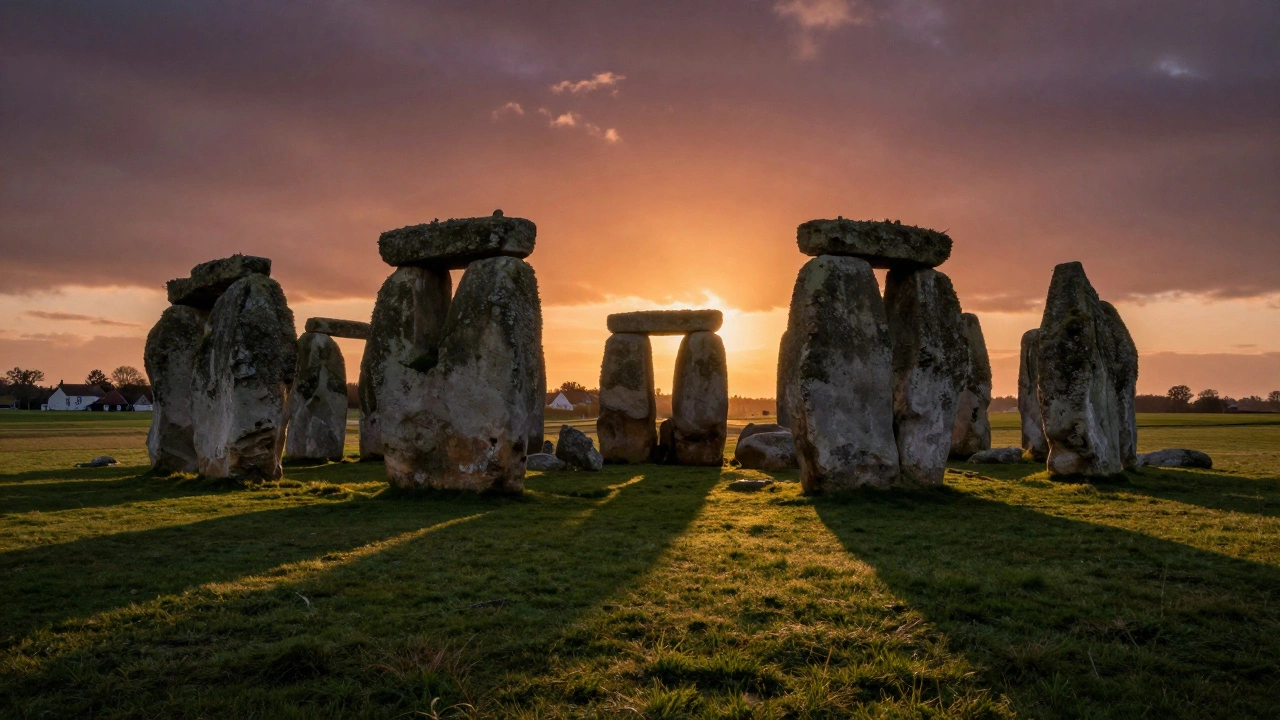
When people think of mysterious stone circles, they usually picture Stonehenge. But if you want true mystery, you need to go to Avebury in Wiltshire. Unlike Stonehenge, which sits isolated on a plain, Avebury is a living village built right inside the circle. You can walk through the largest prehistoric monument in Europe while someone sells you a cup of tea nearby. It creates a surreal contrast between the mundane and the monumental.
The stones here are massive. Some weigh up to 50 tons. How did Neolithic people move them without wheels or metal tools? We still don't have a definitive answer. The site dates back to around 2800 BC, making it older than the pyramids of Giza. As you wander through the henge, you'll notice the earthworks-a deep ditch and a high bank-that encircle the entire village. This wasn't just a temple; it was a statement of power and engineering that remains unexplained by modern standards.
Visitors often report feeling an intense sense of presence at Avebury. Whether you attribute this to the sheer scale of the stones or the local folklore about ghosts and fairies, the atmosphere is undeniable. To get the most out of your visit, go at sunset. The shadows stretch across the grass, and the stones seem to shift in position as the light fades. It’s free to access the main areas, though the West Kennet Long Barrow, a nearby burial chamber, requires a small fee. Plan to spend at least three hours here to truly absorb the weirdness.
The Underwater Mystery: Skara Brae
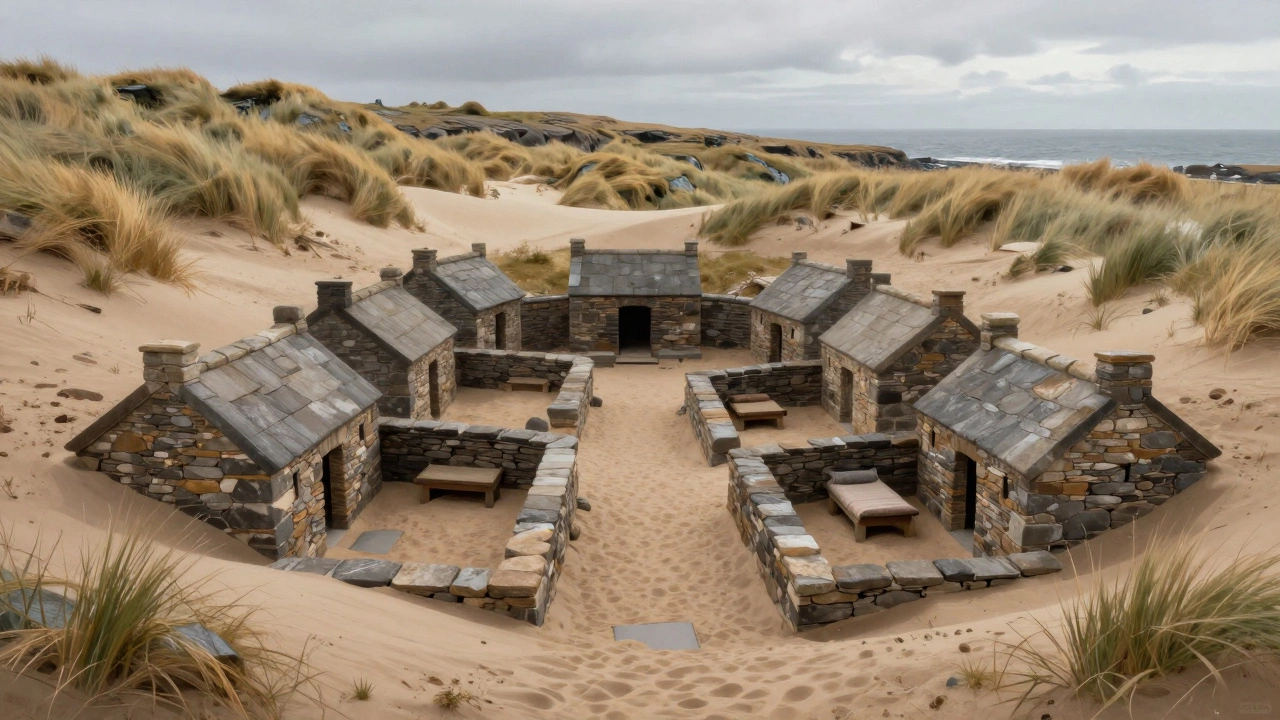
If you head north to Orkney, you’ll find Skara Brae, a Neolithic settlement that looks less like a ruin and more like a time capsule. Discovered in 1850 after a massive storm stripped away centuries of sand, this village has been preserved under dunes for thousands of years. It is one of the best-preserved stone houses in Northern Europe.
| Feature | Detail |
|---|---|
| Date | c. 3180 BC - 2500 BC |
| Location | Bay of Skaill, Mainland, Orkney |
| Preservation | Exceptional (sand-covered) |
| Mystery | Sudden abandonment cause unknown |
The mystery here isn't just how it was built, but why it was left behind. The houses are complete with stone beds, dressers, and hearths. There are no signs of violence or disaster. One theory suggests rising sea levels forced the inhabitants to flee. Another suggests a plague wiped them out overnight. Walking through the narrow passages connecting the ten houses feels claustrophobic and intimate. You can almost hear the breathing of the people who lived there five thousand years ago. In 2026, climate change discussions make this site even more poignant. It serves as a stark reminder of how fragile human settlements can be against nature.
To visit Skara Brae, you need to book tickets well in advance. The site is managed by Historic Environment Scotland, and they limit numbers to protect the structure. Combine your visit with the Ring of Brodgar, a nearby stone circle that feels equally otherworldly. The wind in Orkney is relentless, so pack layers. The isolation adds to the mystery-you feel like you’ve stepped off the edge of the map.
The Cursed Island: Holy Island of Lindisfarne
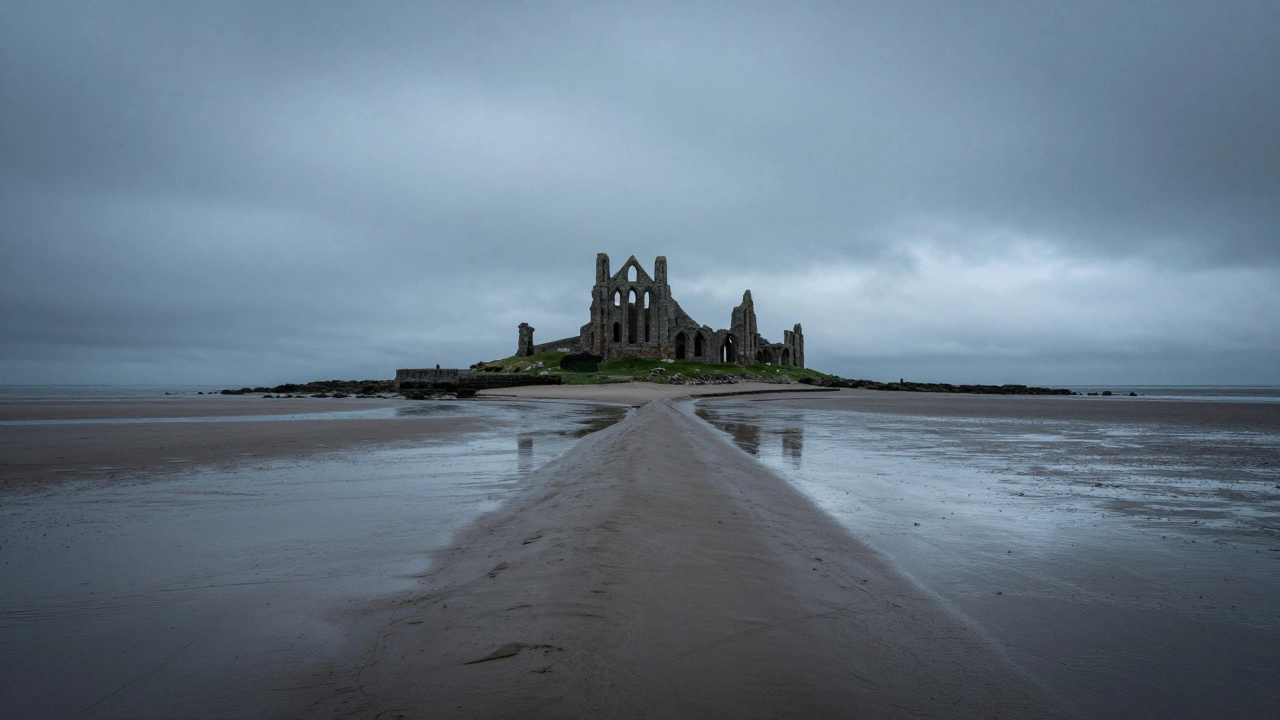
Lindisfarne, or Holy Island, is accessible only by tidal causeways from Northumberland. This means you can get stranded if you don’t check the tide tables. That physical barrier alone adds to its mystique. For centuries, this island was a center of Christian learning and art before Viking raids devastated it in 793 AD.
The Lindisfarne Gospels, created here in the 8th century, are considered one of the finest examples of Insular art. The intricate knotwork and vibrant colors suggest a level of sophistication that shocks visitors who expect rough medieval beginnings. But the island is also known for its ghosts. St. Cuthbert’s Priory is said to be haunted by the monk himself, who supposedly refused to let his body be moved. Local guides tell stories of apparitions seen near the priory walls at dusk.
The beauty of Lindisfarne lies in its blend of spirituality and danger. The castle overlooks the sea, a reminder of the island’s strategic importance. Walk the ramparts during low tide, and you’ll see the causeway stretching out like a finger pointing toward the mainland. It’s a place that demands respect. Don’t rush through it. Spend a night in one of the cottages on the island to experience the silence that falls when the tourists leave. The sound of the tides rushing over the sandbars is hypnotic and eerie.
The Dark Forest: The New Forest
Not all mysteries are ancient. Some are alive and kicking. The New Forest in Hampshire is home to herds of wild ponies, cattle, and deer that roam freely. These animals have been roaming since the forest was granted to William the Conqueror in 1079. They look tame, but they are not pets. Accidents happen every year when drivers fail to slow down.
The real mystery of the New Forest lies in its underground network. The area is riddled with smugglers’ tunnels and caves used during the Napoleonic Wars. When alcohol duties were high, locals tunneled miles beneath the surface to bring contraband into the region. Today, many of these tunnels are sealed, but explorers claim some remain open. The darkness inside is absolute, and the air is thick with damp earth. It’s easy to imagine the fear and excitement of those who ran these routes.
For a safe yet spooky experience, join a guided tour of the Beaulieu River. The waterways here are shrouded in mist, especially in early morning. Legends speak of a witch who drowned herself in the river, cursing anyone who disturbed her rest. While likely just folklore, the dense canopy and still water create an atmosphere ripe for imagination. Bring binoculars to spot the rare birds and keep your eyes on the road for the ponies. Their amber eyes reflect light in a way that feels uncanny at twilight.
The Industrial Ghost: Derelict Mills of Yorkshire
The Industrial Revolution left scars across the UK, but Yorkshire’s mill towns hold a special kind of melancholy. Buildings like the Dean Clough Mill in Hebden Bridge stand as skeletons of a bygone era. Once bustling with thousands of workers, these structures now echo with silence. Urban explorers flock to these sites, drawn by the decay and the stories trapped in the brickwork.
The mystery here is social rather than supernatural. What happened to the communities that relied on these mills? Many families lost everything when the industry collapsed. Walking through the empty floors of a derelict mill gives you a visceral sense of loss. The machinery is gone, but the stains on the floor and the graffiti on the walls tell a story of resilience and despair. Some buildings have been converted into apartments or museums, but others remain abandoned, slowly being reclaimed by nature.
If you want to explore safely, look for open days organized by heritage groups. Never trespass into unstable structures. The risk of collapse is real. Instead, focus on the preserved sites like Salts Mill in Bradford, which offers a glimpse into the lives of Victorian industrialists. The contrast between the opulent offices and the cramped worker quarters highlights the inequality that fueled the revolution. It’s a sobering reminder of the cost of progress.
Planning Your Mysterious Staycation
Visiting these places requires more than just a car and a map. You need preparation. First, check opening times. Many historic sites close early or have seasonal restrictions. Second, book accommodations locally. Staying in the region allows you to visit sites at different times of day, which changes their character completely. A stone circle at noon looks like a tourist trap; at dawn, it looks sacred.
- Pack appropriately: Weather in the UK is unpredictable. Waterproof jackets and sturdy boots are essential, especially for coastal sites like Skara Brae.
- Respect local customs: Many of these sites are private property or protected heritage zones. Do not climb on stones or dig in the ground.
- Engage with guides: Local knowledge adds depth. A guide can explain the nuances of folklore and history that brochures miss.
- Travel off-peak: Weekdays offer solitude. Crowds dilute the mysterious atmosphere you’re seeking.
Consider combining multiple sites in one trip. For example, pair Avebury with Silbury Hill, a man-made mound whose purpose remains debated. Or combine Lindisfarne with Bamburgh Castle, which dominates the coastline with its imposing silhouette. These pairings save time and deepen your understanding of the region’s history.
Is Avebury safer than Stonehenge?
Yes, Avebury is generally considered safer because you can walk among the stones freely. Stonehenge restricts access to the inner circle to protect the monument. However, always follow posted signs and avoid climbing on any rocks.
Can I visit Skara Brae without booking ahead?
No, bookings are mandatory due to limited capacity. Tickets sell out weeks in advance, especially during summer months. Check the Historic Environment Scotland website for current availability.
Are the New Forest ponies dangerous?
They are wild animals, not domesticated pets. They can kick or bite if provoked. Keep your distance, do not feed them, and drive cautiously, especially at dawn and dusk when visibility is poor.
What is the best time of year to visit these mysterious sites?
Spring and autumn offer fewer crowds and dramatic lighting. Winter visits can be hauntingly beautiful but require warm clothing. Summer is busy but provides longer daylight hours for exploration.
Do I need a guide to understand the history?
While not mandatory, guides enhance the experience significantly. They provide context that audio guides may miss, such as local legends and recent archaeological findings. Look for accredited guides from official tourism boards.