
The Nicest Towns to Visit in England: A Guide to Charm and Culture
 Jul, 19 2026
English Town Travel Planner
Select the town that matches your vibe to generate a personalized travel guide.
Bath
History & RomanceRoman baths, Georgian architecture, and Jane Austen vibes.
Bourton-on-the-Water
Nature & PeaceThatched cottages, river walks, and Cotswold charm.
St Ives
Art & CoastCornish beaches, vibrant galleries, and dramatic cliffs.
York
Medieval MysteryGothic cathedrals, The Shambles, and Viking history.
Oxford
Academia & CultureAncient colleges, libraries, and intellectual atmosphere.
Your Itinerary Plan
Suggested Highlights
Local Tips
Trip Snapshot
There is no single answer to the question of what the nicest town in England is. Beauty is subjective, after all. One traveler might crave the cobblestone romance of a medieval market square, while another seeks the rolling green hills of the countryside or the intellectual buzz of a university city. However, certain places consistently rise to the top of every bucket list. These are the spots that capture the very essence of English charm.
If you are planning a UK staycation or visiting for the first time, this guide breaks down the contenders for the title of "nicest." We will look at historic gems, coastal escapes, and cultural hubs so you can decide which vibe suits your travel style best.
The Crown Jewel of History: Bath
What makes Bath special is its layers of history. You can walk through the Roman Baths, seeing the original pools where people soaked over two thousand years ago. Then, just a few minutes away, you can stroll along the Royal Crescent, a masterpiece of Georgian architecture. It is rare to find a place where ancient Roman engineering meets 18th-century sophistication so seamlessly.
For many, Bath is the definitive "nice" destination because it balances grandeur with intimacy. The streets are pedestrian-friendly, and the cafes serve excellent tea alongside views of the Avon Gorge. If you love literature, this is also the home of Jane Austen, and her connection to the city adds a layer of romantic nostalgia to any visit.
Fairytale Cottages in the Cotswolds: Bourton-on-the-Water
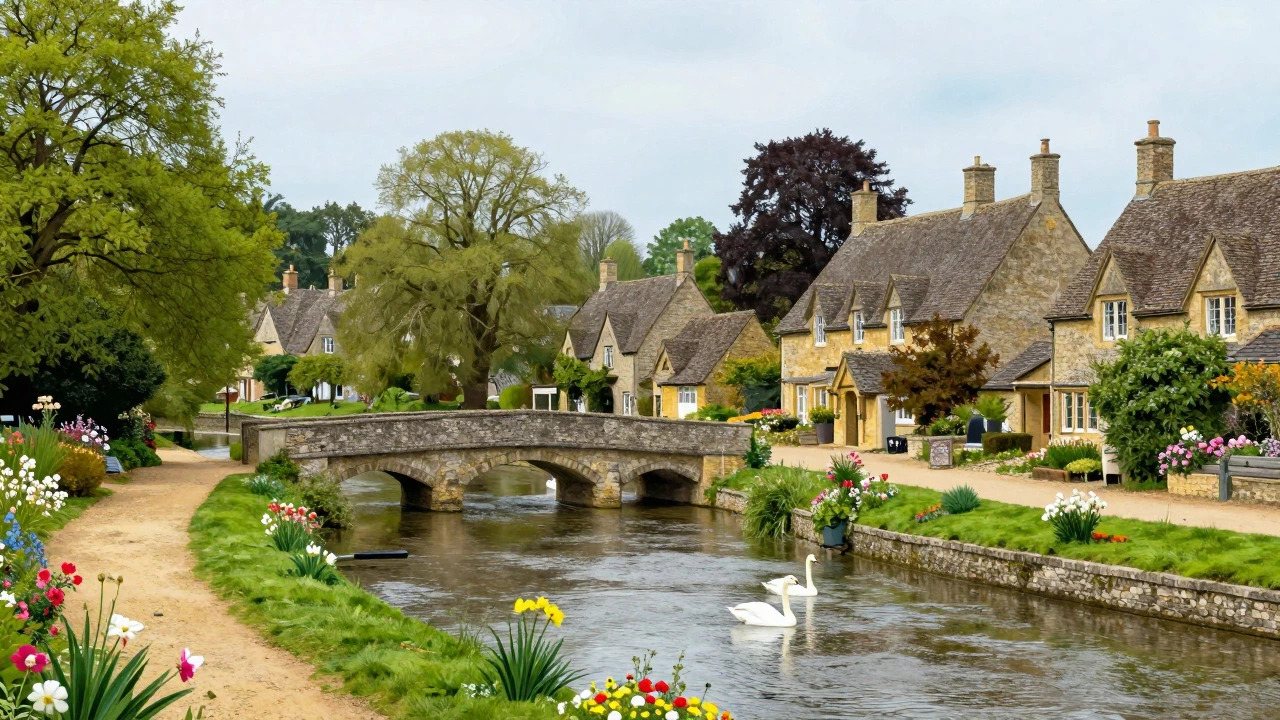
If your idea of "nice" involves quiet rivers, swans, and cottages with thatched roofs, then Bourton-on-the-Water is likely your winner. Often called the "Venice of the Cotswolds," this village in Gloucestershire is small enough to explore on foot in an afternoon.
The charm here lies in its simplicity. There are no skyscrapers or bustling shopping malls. Instead, you have the River Windrush winding through the center, crossed by elegant stone bridges. The architecture is strictly controlled to maintain its traditional look, meaning you won't see ugly modern intrusions. It feels like stepping into a postcard.
However, be aware that its popularity means it gets crowded. To truly enjoy the "niceness," visit early in the morning or late in the evening. The surrounding area offers hiking trails and farm shops, making it a perfect base for a relaxed weekend getaway focused on nature and slow living.
Coastal Elegance: St Ives
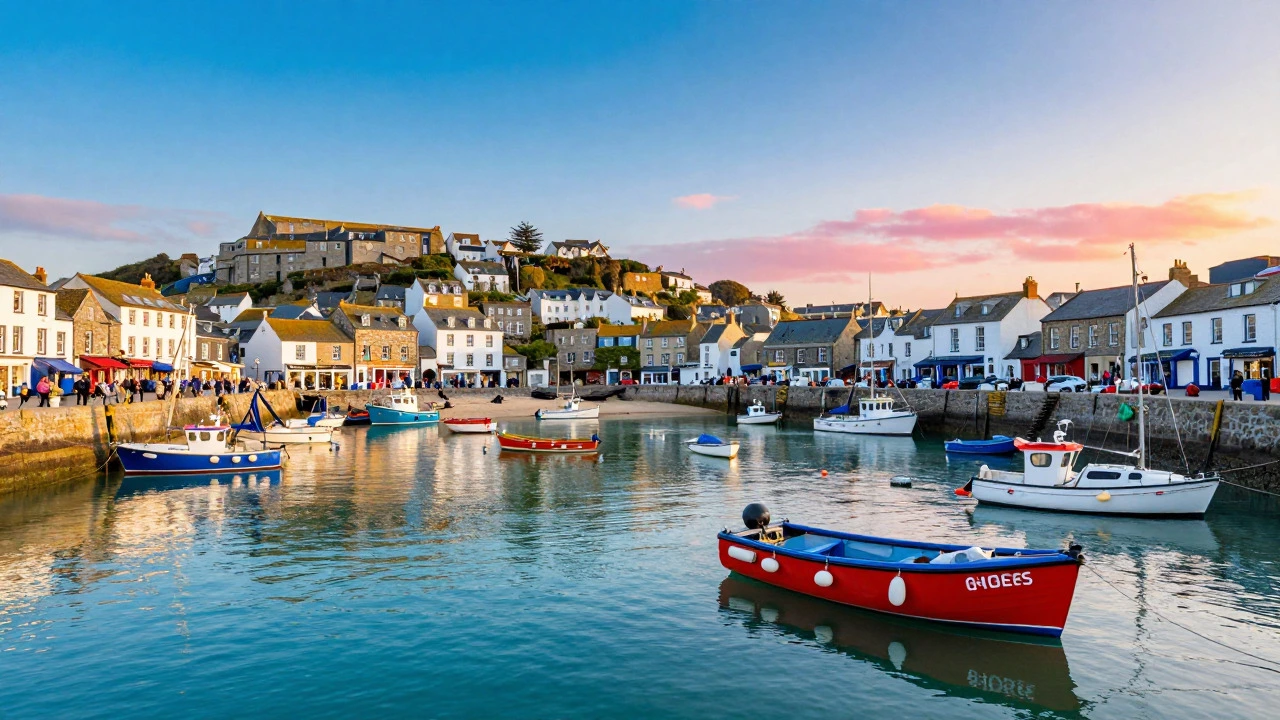
Not everyone wants hills and history; some prefer sand and sea. In that case, St Ives in Cornwall takes the crown. This is not just a beach town; it is an artistic hub that has attracted painters and writers for decades. The harbor is picturesque, filled with colorful fishing boats and yachts, while the cliffs offer dramatic views of the Atlantic Ocean.
St Ives feels vibrant yet laid-back. The narrow streets are lined with galleries, boutiques, and seafood restaurants. The light in Cornwall is famous among artists, and you can see why when you watch the sunset paint the sky in shades of pink and orange. It combines natural beauty with a creative energy that makes it feel alive.
Unlike some coastal resorts that fall silent in winter, St Ives retains a community spirit year-round. The Tate St Ives gallery ensures there is always something culturally stimulating to do, even if the weather turns rainy. For those who want a mix of relaxation and inspiration, this Cornish gem is hard to beat.
Medieval Mystery: York
While technically a city, York often feels like a large, fascinating town due to its compact, walled center. It offers a different kind of "nice"-one rooted in mystery, history, and gothic atmosphere. The Minster, one of the largest Gothic cathedrals in Northern Europe, dominates the skyline and leaves visitors awestruck.
Walking through the Shambles, a street so narrow that the upper stories of the buildings almost touch, transports you back to the Middle Ages. This was allegedly the inspiration for Diagon Alley in Harry Potter, adding a pop-culture twist to its historical significance. York is rich in stories, from Viking invasions to royal scandals, and these narratives are woven into the fabric of the city.
The food scene in York is also exceptional, with many independent eateries focusing on local produce. It is a place where you can spend days exploring museums, climbing the city walls, and wandering through hidden courtyards without ever feeling bored. If you enjoy deep history and atmospheric settings, York is a top contender.
Cultural Depth: Oxford
Oxford brings a different flavor to the table. As one of the oldest universities in the English-speaking world, the town is steeped in academic tradition. The colleges, with their cloisters and libraries, create an environment that feels both prestigious and peaceful. Punting on the River Cherwell is a classic activity, offering a gentle way to see the spires and gardens from below.
Oxford is "nice" because it is intellectually stimulating. You can visit the Bodleian Library, see where J.R.R. Tolkien wrote his works, or simply sit in a park and read a book surrounded by centuries of scholarship. The town is clean, well-maintained, and safe, with a diverse population of students and locals contributing to a dynamic social scene.
It is also a great base for exploring the wider region, including Blenheim Palace and the Chiltern Hills. For travelers who appreciate education, architecture, and a refined atmosphere, Oxford provides a sophisticated escape from the ordinary.
How to Choose the Right Town for You
Selecting the "nicest" town depends entirely on what you value most in a trip. Here is a quick comparison to help you decide:
| Town/City | Best For | Vibe | Key Attraction |
|---|---|---|---|
| Bath | History & Architecture | Elegant & Romantic | Roman Baths |
| Bourton-on-the-Water | Nature & Relaxation | Quaint & Peaceful | River Walks |
| St Ives | Art & Beaches | Bohemian & Bright | Harbor & Galleries |
| York | Medieval History | Gothic & Atmospheric | The Shambles |
| Oxford | Academia & Culture | Intellectual & Refined | University Colleges |
Practical Tips for Visiting
To make the most of your visit to any of these destinations, keep these tips in mind:
- Book Accommodation Early: Popular towns like Bath and St Ives fill up quickly, especially during summer and holidays. Secure your stay months in advance to get the best rates and locations.
- Use Public Transport: England has an extensive train network. Most of these towns are easily accessible from London via direct trains. Avoid driving if possible, as parking in historic centers can be difficult and expensive.
- Wear Comfortable Shoes: Cobblestones and uneven pavements are common in older towns. Good footwear will save your feet and allow you to explore more comfortably.
- Check Opening Times: Many attractions, especially smaller museums and galleries, may have reduced hours in the off-season. Verify schedules before you go to avoid disappointment.
- Support Local Businesses: Eating at family-run pubs and buying from local artisans helps preserve the unique character of these towns. It also gives you a more authentic experience than chain stores.
Conclusion
So, what is the nicest town in England? If you love grand history, choose Bath. For fairytale charm, head to Bourton-on-the-Water. Seek coastal artistry in St Ives, medieval mystery in York, or academic elegance in Oxford. Each offers a distinct flavor of English life, ensuring that no matter which you pick, you will leave with fond memories and a desire to return.
Is Bath better than York?
It depends on your interests. Bath is known for its Roman history and elegant Georgian architecture, offering a more refined and romantic atmosphere. York, on the other hand, excels in medieval history and gothic ambiance, with attractions like the Minster and The Shambles. Both are exceptional, but Bath appeals more to lovers of classical beauty, while York attracts those interested in darker, older history.
What is the safest town in England?
Many smaller towns in the Cotswolds and South Downs are considered very safe. Places like Stratford-upon-Avon and Canterbury also have low crime rates. Generally, tourist-focused areas with strong community presence tend to be safer. Always exercise standard precautions, but England is widely regarded as a safe destination for travelers.
Can you visit multiple nice towns in one trip?
Yes, absolutely. The train network makes it easy to hop between destinations. For example, you could start in Bath, take a short train ride to Bristol, and then continue to the Cotswolds. Planning a route that clusters nearby towns allows you to experience different vibes without spending too much time traveling.
When is the best time to visit English towns?
Spring (April to June) and early autumn (September to October) offer pleasant weather and fewer crowds compared to peak summer months. Summer is lively but busy, while winter can be cold and wet, though some towns like York have beautiful Christmas markets. Shoulder seasons provide the best balance of comfort and availability.
Are these towns expensive to visit?
Costs vary. London-adjacent towns like Oxford and Bath can be pricey, especially for accommodation. Coastal towns like St Ives also command higher prices during peak season. However, you can manage costs by eating at local pubs instead of tourist traps, using public transport, and visiting free attractions like parks and churches. Budget planning goes a long way.