
What Age Group Is G Adventures For? A Realistic Guide to Travelers
 Jul, 16 2026
G Adventures Trip Matcher
Answer these three questions to find the tour style that matches your energy and expectations.
Select your options and click "Find My Match" to see which tour style suits you best.
Picture this: you’re standing at the base of Machu Picchu, catching your breath after a steep climb. To your left is a twenty-something backpacker with a worn-out daypack. To your right is a retired teacher from Ohio checking her watch and smiling at the view. In front of you, a group of friends in their forties are debating whether to take the photo now or save energy for lunch. This isn’t a scene from a fantasy novel; it’s a Tuesday on a G Adventures tour.
If you’ve been eyeing an adventure holiday but worried about fitting in, you aren’t alone. The biggest question people ask before booking is simple: “Will I be the oldest person there? Or the youngest?” The short answer is that G Adventures caters to a massive range, roughly from early twenties to late seventies. But knowing the numbers doesn’t tell you what the vibe will actually feel like. Let’s break down who really shows up, which trips suit which ages, and how to pick the one that matches your energy level.
The Broad Spectrum: Who Actually Books These Trips?
When we talk about the average traveler, statistics can be misleading. Sure, the median age might hover around thirty-five to forty, but that hides the reality of two distinct waves. You have the younger wave-students, recent grads, and digital nomads looking for structure without sacrificing freedom. Then you have the older wave-empty nesters, retirees, and professionals seeking connection and safety in unfamiliar places.
G Adventures has mastered the art of blending these groups. Unlike luxury cruise lines that skew heavily toward sixty-plus, or hostels that cater exclusively to under-twenty-fives, G sits in the middle. They attract people who want to move. If you enjoy walking ten thousand steps a day, eating street food, and sleeping in basic but clean accommodations, you’ll fit right in regardless of the number on your passport.
- 20s to 30s: Often solo travelers or couples. They prioritize social interaction, nightlife access, and budget-friendly options. They are usually more flexible with sleep schedules and willing to try extreme activities.
- 40s to 50s: Frequently traveling as couples or small friend groups. They value comfort slightly more than pure adrenaline but still want authentic experiences. They often lead the group dynamics with maturity and local knowledge.
- 60s and above: Increasingly common, especially on slower-paced tours. They bring curiosity and patience. Many are retired and have the time to engage deeply with local cultures.
Decoding the Trip Types by Age Suitability
Not all G Adventures trips are created equal. The company uses specific labels to signal the intensity and style of each tour. Understanding these labels is the key to finding your peer group. If you choose the wrong label, you might find yourself hiking while others sit, or sitting while others hike.
| Tour Style | Physical Level | Typical Age Range | Best For |
|---|---|---|---|
| Active & Adventure | High (Hiking, biking) | 25-45 | Fitness enthusiasts, younger crowds |
| Classic | Moderate (Walking, light activity) | 30-60 | Balanced mix, first-time adventurers |
| Comfort Plus | Low to Moderate | 45-70+ | Those wanting better hotels, less packing/unpacking |
| Small Ship Cruises | Low | 50-80 | Relaxed pace, scenic routes, mature travelers |
| Youthful | Varies | 18-35 | Solo young travelers, party-goers, budget focus |
If you are in your twenties and book a “Comfort Plus” trip to Europe, you might find the evenings quiet and the hotels too formal. Conversely, if you are seventy and book an “Active” trek in Patagonia, ensure your knees can handle the daily descent. The label is your best friend here.
The Solo Traveler Factor: Why It Changes the Mix
A huge chunk of G Adventures’ demographic is solo travelers. This changes the dynamic significantly. When half the group is flying solo, the age gaps matter less because everyone is equally eager to make friends. The “single supplement” fee (which you pay if you don’t share a room) often attracts independent spirits who prioritize experience over cost-saving on accommodation.
For solo travelers in their thirties and forties, this is a goldmine. You get the safety of a guided group but the social fluidity of a hostel. For older solo travelers, it removes the loneliness that can sometimes plague independent travel. You wake up with built-in companions. The shared meals become instant networking events. Whether you are a twenty-two-year-old student or a fifty-five-year-old divorcee, the solo traveler lane is where the magic happens.
Are There Senior-Friendly Options?
Absolutely. And this is a growing segment. As life expectancy increases and health improves, the idea that “adventure” ends at retirement is outdated. G Adventures has adapted by offering tours with fewer transfers, higher-quality lodgings, and more downtime.
Look for trips labeled “Comfort Plus” or their small ship cruises. These itineraries avoid the midnight bus rides and rough camping conditions. Instead, they focus on cultural immersion, museum visits, and scenic drives. The physical demand is lower, but the intellectual and emotional engagement remains high. Many travelers in their sixties report feeling more comfortable on these tours than on traditional mass-market cruises, which often feel too rigid or isolated.
However, keep in mind that even “easy” trips involve walking. Cobblestone streets in Rome or uneven paths in Kyoto require stable footing. If you have mobility issues, check the detailed itinerary notes. They are transparent about stairs, distances, and terrain.
What About Young Adults and Students?
If you are under thirty, you might worry about being surrounded by retirees. Don’t. G Adventures has specific “Youthful” trips designed to keep the energy high and the costs low. These trips often include hostels, guesthouses, and budget-friendly hotels. The schedule is tighter, the activities are more intense, and the social scene is vibrant.
Even on non-youthful trips, young adults thrive. They bring energy, tech-savviness, and a willingness to try weird foods. Older travelers often appreciate the fresh perspective and enthusiasm that younger members bring to the group. It’s a symbiotic relationship. The young get wisdom and safety; the older get vitality and modern insights.

How to Choose the Right Trip for Your Life Stage
Picking a trip isn’t just about age; it’s about lifestyle compatibility. Ask yourself these three questions before you book:
- What is my physical baseline? Be honest. Can you walk five miles a day? Do you need air conditioning every night? If yes, lean toward Comfort Plus. If no, Active is fine.
- Do I want to meet people my age? If so, look at the “Who Travels On This Tour” section on the G Adventures website. They sometimes provide demographic breakdowns. Youthful trips guarantee a younger crowd. Classic trips offer a mix.
- What is my tolerance for discomfort? Adventure travel involves delays, basic toilets, and occasional rain. Younger travelers often roll with it. Older travelers might prefer the predictability of higher-end logistics. Match the trip style to your stress threshold.
Don’t let fear of mismatch hold you back. The beauty of small-group travel is that differences become conversation starters, not barriers. A shared struggle through a monsoon in Southeast Asia bonds a twenty-year-old and a sixty-year-old faster than any cocktail party ever could.
Real-World Examples: What to Expect
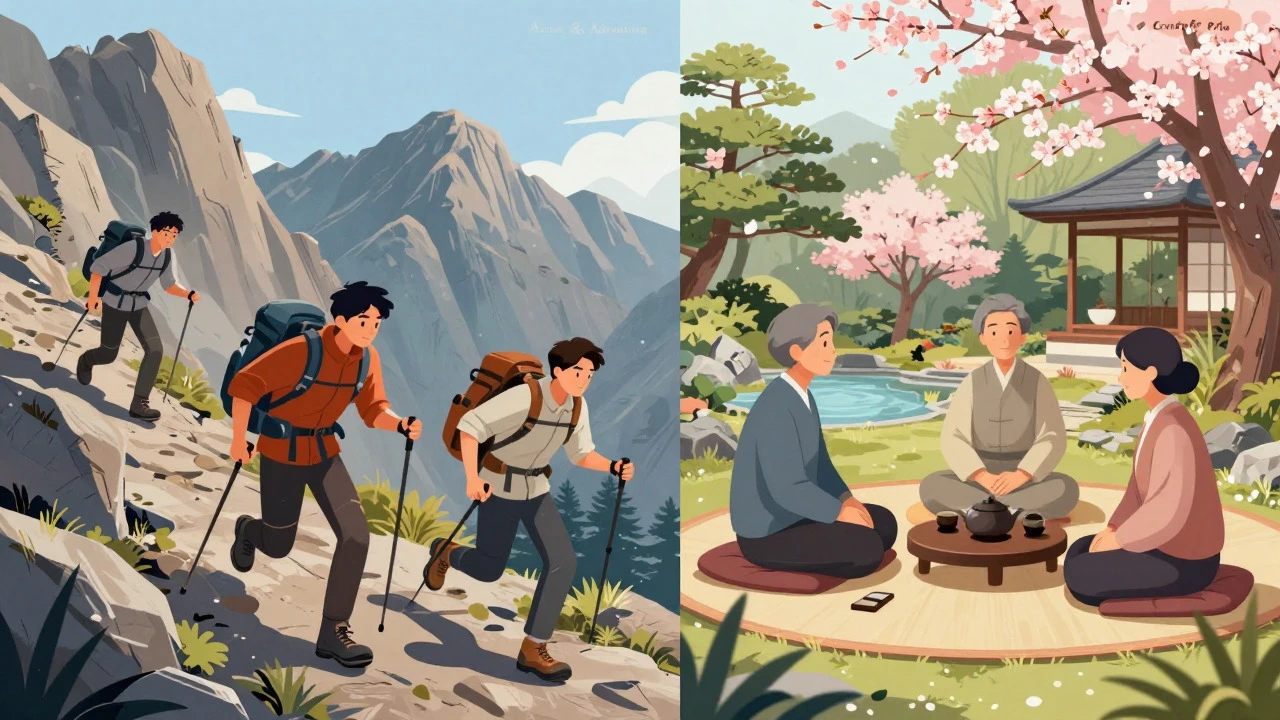
Let’s look at two contrasting scenarios. First, the “Machu Picchu Trek.” This is an Active trip. You will likely see a heavy concentration of travelers in their thirties and forties. Some twenty-somethings, few over fifties unless they are avid hikers. The vibe is energetic, competitive in a fun way, and focused on achievement.
Now, consider “Japan: Temples, Gardens & Sushi.” This is often a Classic or Comfort Plus trip. The age range widens significantly. You might have students on gap years alongside retired professors. The pace is slower, allowing for tea ceremonies and garden contemplation. The conversations shift from “how fast can we go” to “what does this mean.” Both are valid. Both are rewarding. Neither is wrong.
The key is alignment. Align your expectations with the trip label. Read reviews from travelers close to your age. Look at photos of previous groups. If the faces in the photos look like people you’d enjoy having dinner with, you’ve found your match.
Is G Adventures safe for solo female travelers?
Yes, G Adventures is widely considered one of the safest options for solo female travelers. The small-group format means you are rarely alone, and the local leaders are trained to handle safety protocols. Additionally, the demographic includes many other solo women, creating a supportive community. Always use common sense, secure your belongings, and follow your leader’s advice on local customs.
Can I travel with G Adventures if I am over 70?
Absolutely. Many travelers in their seventies and eighties join G Adventures annually. Focus on their “Comfort Plus” or “Small Ship Cruise” categories. These tours minimize physical strain while maximizing cultural exposure. Ensure you have travel insurance that covers your age and any pre-existing conditions, as this is required for booking.
Are there discounts for younger travelers?
Yes, G Adventures offers a “Youthful” discount for travelers aged 17-35 on selected trips. This can save you a significant amount, making adventure travel more accessible. Check the specific trip page to see if the youth rate applies, as it is not available on all itineraries.
What is the typical group size?
Groups are kept small, typically between 8 and 16 travelers. This intimacy allows for easier bonding across age groups and ensures that local leaders can cater to individual needs. It also prevents the “lost in the crowd” feeling common with larger bus tours.
Do I need to be physically fit for all trips?
No. Fitness requirements vary drastically by trip style. “Active” trips require good cardiovascular health and strength. “Classic” trips require moderate mobility. “Comfort Plus” trips are suitable for those with limited stamina, provided they can manage basic walking and transfers. Always review the “Trip Details” section for specific physical warnings.