
What Are the Three Types of Tour? A Guide to Guided Travel
 Sep, 17 2026
Tour Type Finder
Not sure which tour fits your trip? Answer these three quick questions to get a personalized recommendation.
Your Recommended Tour Type
Best For:
Average Group Size:
Pace & Cost:
Key Advantage:
You are standing in front of a historic cathedral or a bustling market square. You have two choices: wander aimlessly with a map that looks like it was drawn by a confused child, or hire someone who knows exactly where the best photo spots and hidden alleys are. That second option is a guided tour. But not all guided tours are created equal. Some are fast-paced bus rides where you barely see the sights; others are intimate walks where you might actually learn something about the local culture. If you are planning your next trip, understanding the three types of tour available can save you from boredom, bad food, and wasted money.
The Big Picture: Why Structure Matters
Before we break down the specific categories, let’s look at why this distinction exists. The tourism industry categorizes tours based on three main factors: transportation method, group size, and level of interaction. These variables dictate the price, the pace, and the experience. When you search for "tour," you are usually looking for one of three distinct experiences: the standard coach tour, the small-group walking tour, or the private custom tour. Each serves a different type of traveler with different needs.
| Tour Type | Best For | Average Group Size | Cost Level | Pace |
|---|---|---|---|---|
| Coach Bus Tour | First-time visitors, large groups, budget travelers | 20-50+ people | Low to Medium | Fast / Structured |
| Small-Group Walking Tour | Solo travelers, couples, history buffs | 6-12 people | Medium | Moderate / Interactive |
| Private Custom Tour | Families, VIPs, special interests, accessibility needs | 1-4 people (or family unit) | High | Flexible / Slow |
Type 1: The Coach Bus Tour
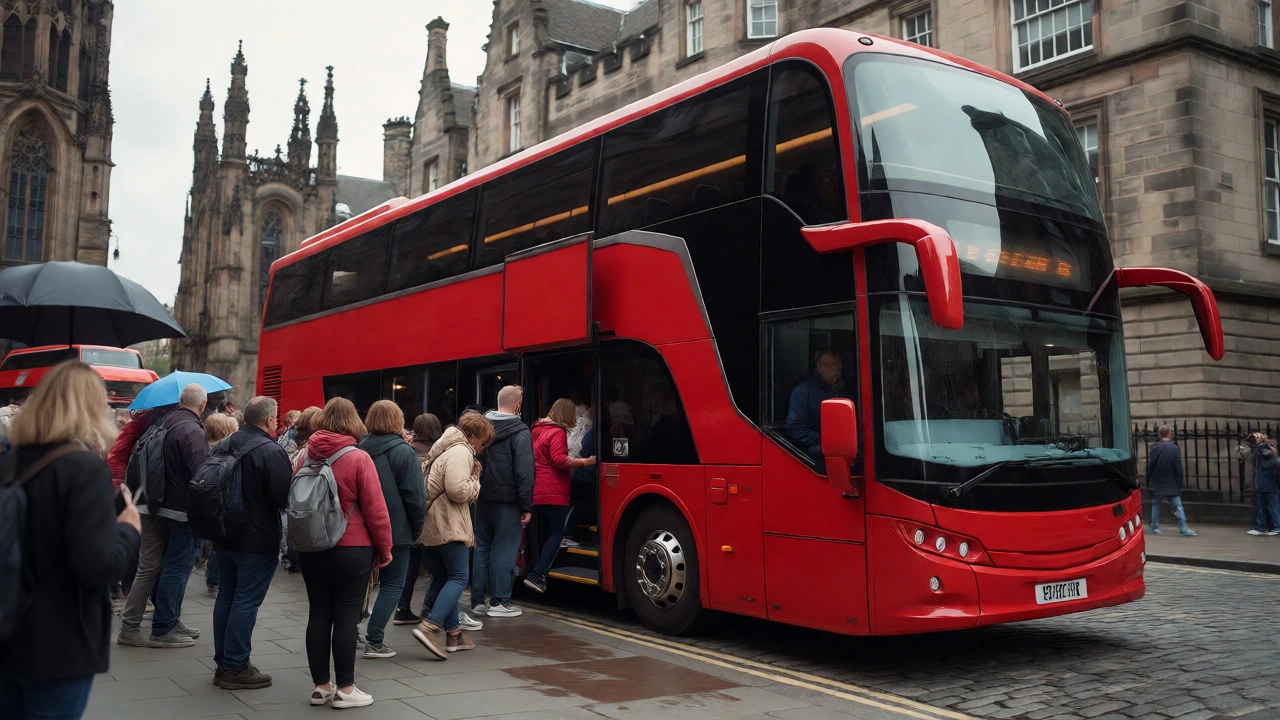
This is the classic image most people have when they hear "tour." You board a large vehicle, often a double-decker bus, and follow a set itinerary. These are operated by major companies like Gray Line or local municipal tourism boards. They are efficient, predictable, and generally affordable per person because the cost is split among many passengers.
The biggest advantage here is coverage. In a single day, a coach tour can get you from the city center to a castle thirty miles away, back to the museum district, and then to a harbor view. You do not need to worry about public transport schedules or getting lost. The guide speaks into a microphone, and everyone hears the same facts at the same time.
However, the drawbacks are real. You are stuck with the group’s pace. If you want to linger at a viewpoint for ten minutes but the group moves on, you wait. If the bus stops for a fifteen-minute bathroom break, you take fifteen minutes. There is little room for personalization. You cannot ask deep questions without holding up forty other people. Also, these tours often include mandatory stops at partner shops or restaurants where the tour operator gets a commission, which can feel less authentic.
When to Choose This:
- You are visiting a city for the first time and want an overview.
- You have limited mobility and prefer sitting over walking long distances.
- You are traveling with a large group of friends or extended family.
- Budget is your primary concern.

Type 2: The Small-Group Walking Tour
If you want to actually understand a place, this is the sweet spot. These tours typically involve fewer than twelve people and rely on foot traffic. They are often led by local historians, architects, or passionate residents rather than professional actors reading scripts. The vibe is conversational. You can stop, ask questions, and deviate slightly from the route if the group agrees.
Walking tours reveal the texture of a city. You notice the cobblestones, smell the street food vendors, and hear the ambient noise that buses filter out. Guides on these tours often know the stories behind the statues, not just the dates. For example, instead of saying "This church was built in 1750," a good walking guide will explain why the architect chose that specific stone or what scandal happened in the parish house next door.
The downside is physical exertion. These tours can last two to four hours and cover several kilometers. Weather becomes a factor-if it rains, you get wet. Also, availability can be tight during peak seasons. You often need to book weeks in advance. While more expensive than bus tours, they offer better value in terms of information density and memorable moments.
When to Choose This:
- You enjoy learning through storytelling and context.
- You are physically fit and enjoy walking.
- You want to meet other travelers in a social setting.
- You are interested in niche topics like food, ghost stories, or architecture.
Type 3: The Private Custom Tour
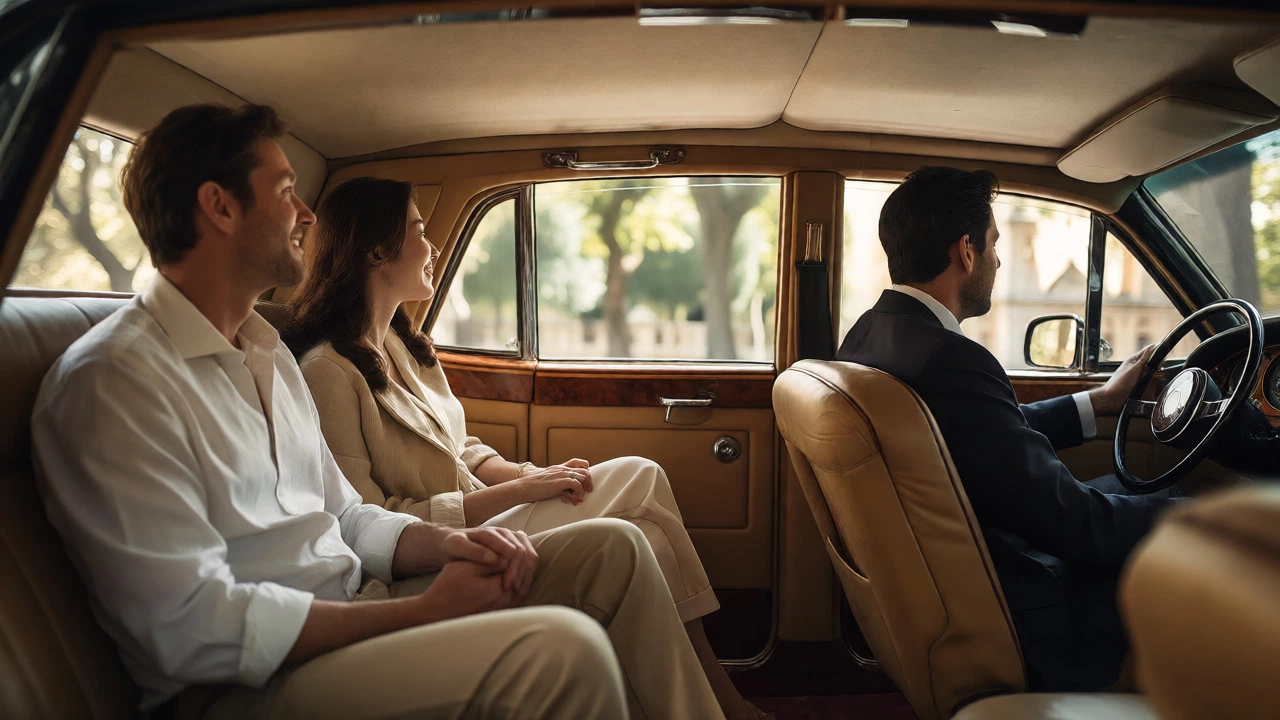
This is the premium tier. Here, you hire a guide exclusively for yourself or your party. It could be a couple, a family with young children, or a group of business colleagues. The guide adapts entirely to your preferences. Want to skip the boring monument and spend an hour in a vintage bookstore? Done. Want to start the tour at 9 AM instead of 2 PM? Easy.
Private tours are defined by flexibility and depth. The guide acts as a concierge, translator, and historian combined. They can handle logistics like ticket reservations, restaurant bookings, and even carrying bags. This is ideal for travelers with specific interests, such as wine tasting in Napa Valley or tracing genealogy roots in Ireland. You pay for the privilege of having no compromises.
The cost is significantly higher. You are paying for the guide’s entire time, regardless of how many people are in your group. However, if you split the cost among four adults, it can sometimes rival the price of two small-group tickets plus extra activities. The risk is finding a good guide. Since you are alone with them, a bad guide means a bad day with no escape hatch.
When to Choose This:
- You have very specific interests or academic goals.
- You are traveling with toddlers or elderly relatives who need breaks.
- You want luxury service and zero logistical stress.
- You require accessibility accommodations that standard tours don’t offer.
How to Decide Which Tour Fits Your Trip
Choosing between these three isn't just about money. It's about your energy levels and travel style. Ask yourself these three questions before booking:
- Do I want breadth or depth? If you want to see twenty landmarks in a day, choose the coach. If you want to truly understand one neighborhood, choose the walking tour.
- Can I handle physical activity? Be honest. If you hate walking in heat, do not book a three-hour walking tour. Book the bus or hire a private driver-guide who can park close to entrances.
- Am I okay with strangers? Small groups mean sharing space with six other people. If you prefer privacy, go private. If you like meeting new people, the small group is great.
Pro Tips for Booking Any Tour
No matter which type you choose, there are universal rules to ensure a good experience. First, check the cancellation policy. Many operators have strict 24-hour windows. Second, read recent reviews specifically mentioning the guide. A tour is only as good as its narrator. Third, dress appropriately. Wear comfortable shoes for walking tours and layers for bus tours where air conditioning can be freezing.
Also, consider the time of day. Morning tours often have better light for photos and smaller crowds. Evening tours might offer sunset views but can be colder or darker. Finally, tip your guide. In many countries, guides rely on tips as a significant part of their income. A small gesture goes a long way in ensuring they give you their best effort.
What is the difference between a guided tour and a self-guided audio tour?
A guided tour involves a live human leader who interacts with the group, answers questions, and manages the schedule. A self-guided audio tour uses a device or app to play pre-recorded commentary. Audio tours offer more flexibility in timing but lack the ability to ask questions or adapt to unexpected closures or weather changes.
Are small-group tours worth the extra cost compared to bus tours?
Generally, yes, if you value information and experience over mere sightseeing. Small-group tours allow for deeper engagement, access to smaller venues, and personalized attention. Bus tours are cheaper but often provide superficial information and rigid schedules. If you are a casual tourist wanting quick snapshots, the bus may suffice. For enthusiasts, the small group offers better value.
How early should I book a private tour?
For popular destinations or peak seasons, book at least 4-6 weeks in advance. High-quality private guides often have full calendars months ahead. Last-minute bookings are possible but limit your choice of guides and may incur higher fees due to urgency.
Do guided tours include entrance fees?
It varies. Coach tours often include major attraction fees in the package price. Walking tours rarely include museum entry fees unless specified as "skip-the-line" or combo tickets. Private tours usually exclude entry fees, allowing you to choose which sites to enter, though the guide can purchase tickets for you upon request.
What happens if it rains during an outdoor tour?
Most tours run rain or shine. Bring appropriate clothing. Heavy rain or severe weather alerts may cause cancellations, in which case operators typically offer a refund or reschedule. Always check the specific weather policy of the operator before booking.