
What Can You Do on a City Break? A Practical Guide
 Nov, 15 2026
City Break Itinerary Builder
Select activities to create your perfect day. Aim for a mix of culture, food, and rest as suggested in the article.
Your Day Plan
Selected Items
- No activities selected yet.
You book the flight. You pack your bag. Then you hit the wall: what can you actually do on a city break? It’s not just about checking off landmarks. If you spend all day queuing for photos at the Eiffel Tower or Big Ben, you’ll come home more tired than when you left. The secret to a great short trip is mixing the must-see sights with the local rhythm. Think of it as curating an experience rather than collecting stamps in a passport.
Master the Art of Slow Sightseeing
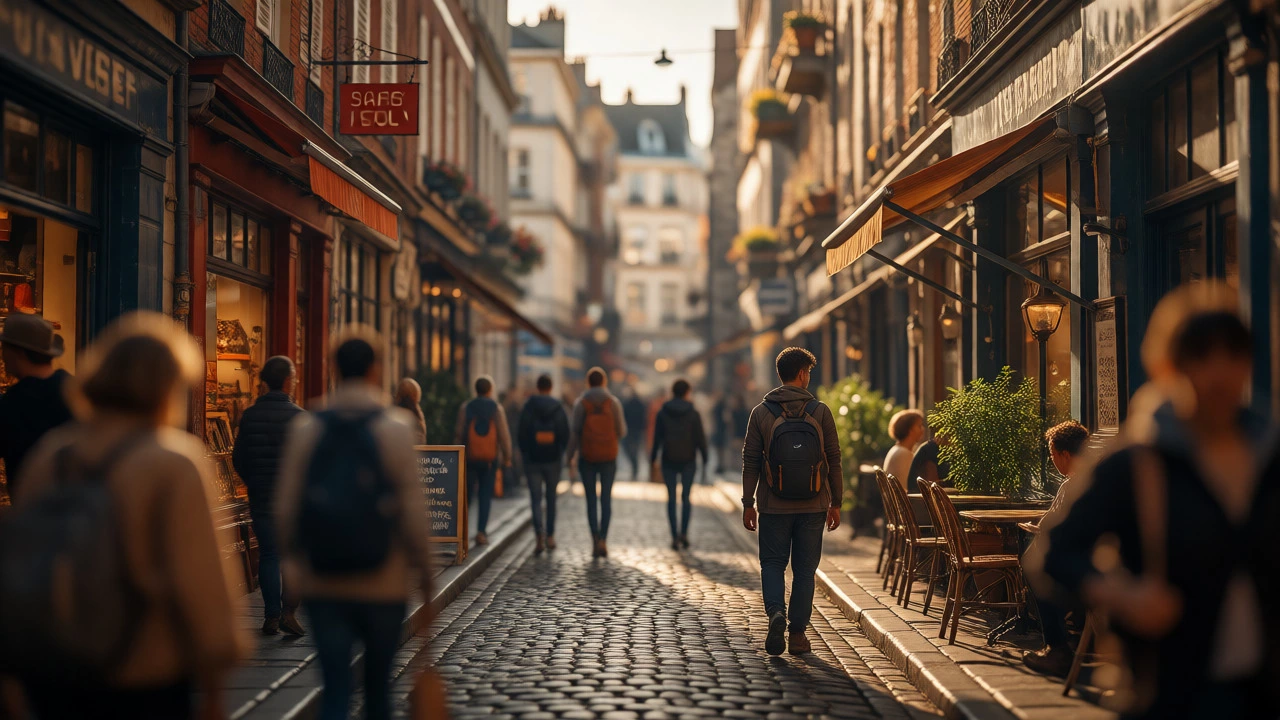
Most people rush. They try to see everything and end up seeing nothing. Instead, pick one neighborhood per day. This approach reduces transit time and lets you absorb the vibe. For example, if you are in London, don’t hop from Westminster to Camden to Shoreditch in four hours. Stay in one area. Walk the streets. Pop into shops that aren’t tourist traps.
This method works because cities reveal themselves in their daily routines. You might find a hidden courtyard garden behind a busy street or hear street musicians practicing in a quiet square. These moments rarely happen when you are sprinting between attractions. By slowing down, you turn a standard tour into a personal discovery.
Eat Like a Local, Not a Tourist
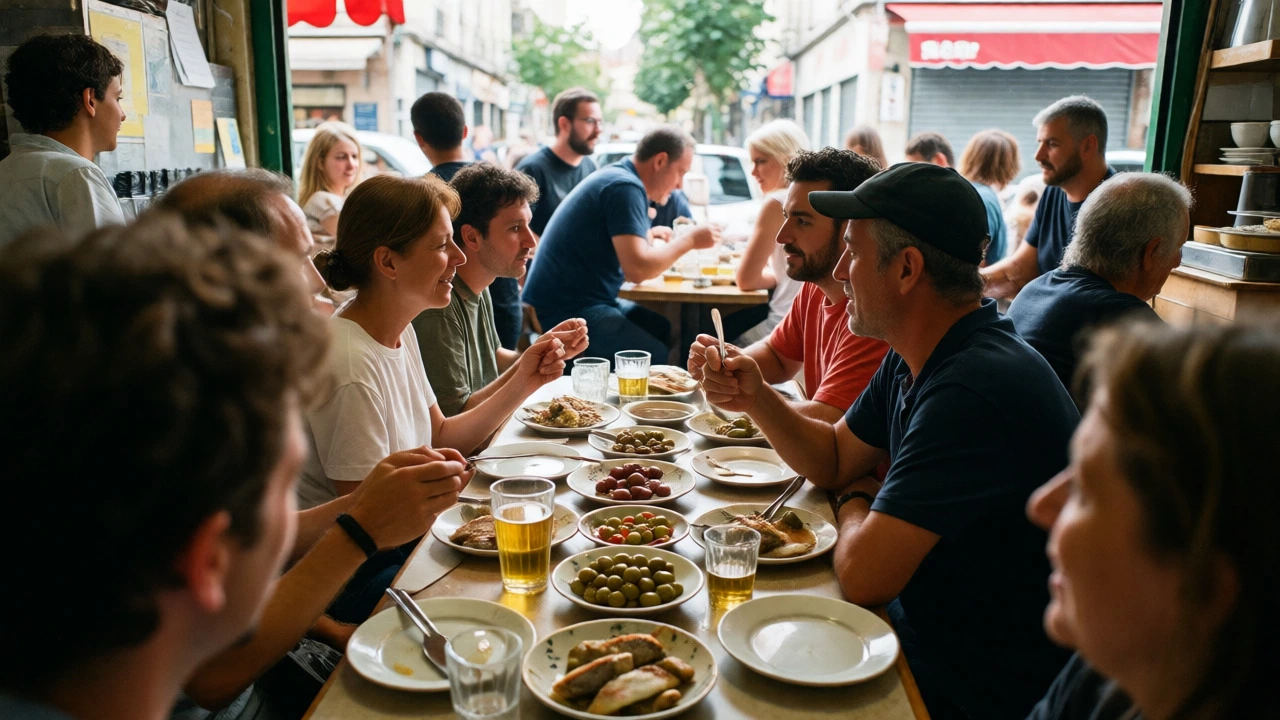
Food is the fastest way to understand a place. But avoid the restaurants directly next to major monuments. They overcharge and under-deliver. Look for places where locals eat lunch. In many European cities, this means looking for small chalkboards outside or menus written only in the native language.
Consider trying a specific local dish rather than ordering "safe" options like pizza or burgers. If you are in Barcelona, skip the tapas bar on La Rambla and find a bodega in El Born serving vermouth and olives. If you are in Tokyo, visit a standing sushi counter instead of a large chain. This isn’t just about taste; it’s about cultural immersion. Sharing a table with strangers often leads to conversations you wouldn’t have otherwise.
| Dining Type | Cost | Cultural Insight | Time Required |
|---|---|---|---|
| Tourist Trap | High | Low | Medium |
| Local Café | Low | High | Short |
| Fine Dining | Very High | Medium | Long |
| Street Food | Very Low | Very High | Variable |
Use Public Transport to See the Real City
Uber and taxis keep you isolated in a bubble. Public transport throws you into the mix. Riding the metro in Paris or the tram in Melbourne gives you a front-row seat to how residents live. You see the fashion, hear the languages, and observe the social norms.
Plus, it saves money. A three-day travel pass usually costs less than two taxi rides. Get a contactless card or download the local transit app before you arrive. Apps like Citymapper or Transit provide real-time updates, which is crucial when you are working with tight schedules. Don’t be afraid to get lost. Sometimes the wrong stop leads to the best park or market.
Find Free Cultural Experiences
You don’t need expensive tickets to enjoy culture. Many world-class museums offer free entry on certain days or evenings. The British Museum in London is free all the time. The Louvre in Paris is free on the first Saturday of the month after 6 PM (check current rules as they change). Even if you don’t go inside, architecture itself is free art.
Look for free walking tours. They operate on a tip basis, so you pay what you feel the tour was worth. Guides often share stories you won’t read in guidebooks-gossip about historic figures, hidden alleyways, and local legends. It’s a low-risk way to get oriented. Just book ahead, as these spots fill up fast.
Nightlife Isn’t Just Clubs
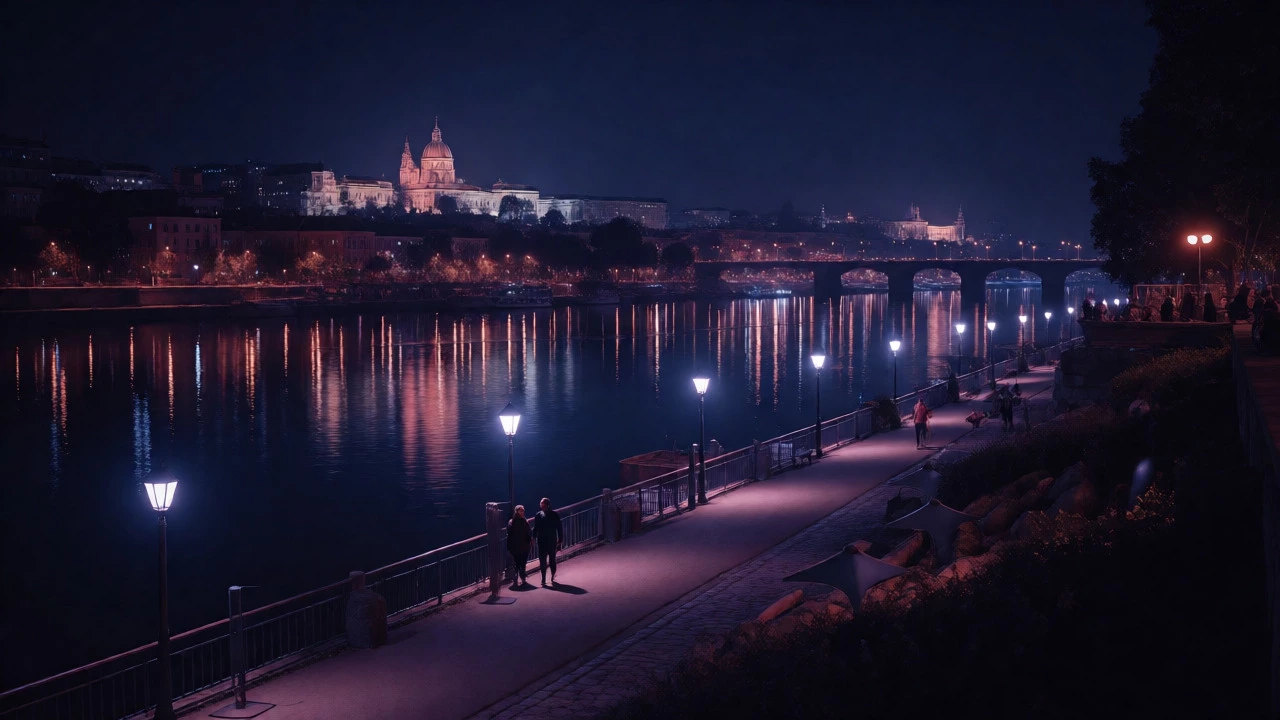
When the sun goes down, the city changes character. You don’t have to dance until 3 AM to enjoy it. Evening walks along riverbanks or through illuminated parks offer a different perspective. Cities like Prague or Budapest look dramatically different at night compared to daylight.
If you want social interaction, check out jazz bars, comedy clubs, or rooftop lounges. These venues attract a mixed crowd of tourists and locals. It’s easier to strike up a conversation here than in a loud nightclub. Also, consider attending a local sports game. Watching a football match in Liverpool or baseball in Boston provides an electric atmosphere that transcends language barriers.
Shop Beyond Souvenirs
Skip the keychains and fridge magnets. Buy something usable. A scarf from a local designer, spices from a market, or ceramics from a workshop. These items remind you of the trip every time you use them.
Visit flea markets or vintage shops. Berlin’s Mauerpark flea market or Paris’s Marché aux Puces de Saint-Ouen are treasure troves. You’re not just shopping; you’re hunting. The thrill of finding a unique item adds value to the purchase. Plus, you support small businesses rather than multinational chains.
Plan for Downtime
The biggest mistake travelers make is overscheduling. Leave half your itinerary blank. Use this time to sit in a café, people-watch, or nap. Jet lag and excitement drain energy quickly. If you push too hard, you’ll burn out by day two.
Find a park or a quiet library. Green spaces are vital in dense urban areas. Central Park in New York or Hyde Park in London offer respite from the noise. Sitting still allows your brain to process the new stimuli. You’ll return home refreshed rather than exhausted.
FAQs About City Break Activities
How many days is ideal for a city break?
Three to four days is usually the sweet spot. Two days feels rushed, while five or more can lead to diminishing returns unless you are exploring a massive metropolis like Tokyo or London. This duration allows you to cover major sights without feeling pressured.
Do I need to speak the local language?
No, but learning basic phrases helps significantly. Saying "hello," "please," and "thank you" in the local tongue shows respect and often gets you better service. Translation apps bridge the gap for complex interactions, but body language and smiles are universal.
Is public transport safe in most cities?
Generally, yes. Major global cities have robust and safe public transit systems. Standard precautions apply: watch your belongings in crowded areas and avoid empty train cars late at night. Research specific neighborhoods beforehand, as safety can vary within the same city.
What should I pack for a city break?
Prioritize comfort. Wear broken-in shoes; you will walk 10,000 to 15,000 steps a day. Pack layers for changing weather. Bring a portable charger for your phone, as you will use it for maps, tickets, and photos constantly. Keep your luggage light to navigate stairs and cobblestones easily.
How do I find authentic local experiences?
Ask hotel staff or bartenders for recommendations rather than relying solely on online reviews. Locals know the hidden gems. Additionally, explore residential neighborhoods away from the city center. You will find genuine cafes, bakeries, and shops that cater to residents rather than visitors.