
What Does CEO Stand for in G Adventures? The Real Role Explained
 Nov, 26 2026
G Adventures CEO Tipping Calculator
Estimate the appropriate tip for your Chief Experience Officer based on trip length and experience quality.
$50
Total for 10 days at $5.00/day
Total Group Pool (Optional)
$600
If everyone contributes equally for a joint gift/tip.
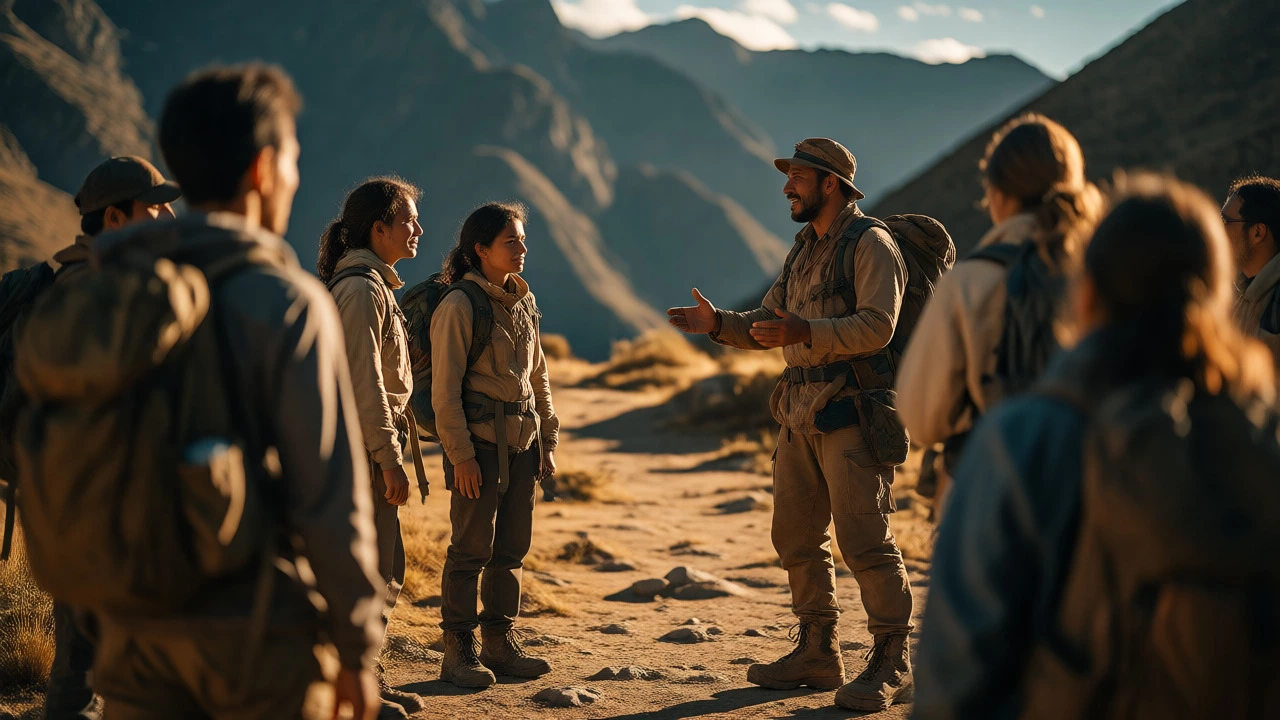
You are standing at a trailhead in Peru or waiting for a boat in Thailand. You have questions about the itinerary, safety concerns, or maybe you just want to know where to find the best local food. Who do you ask? In most travel companies, you might look for a guide. But if you booked with G Adventures is a Canadian-based adventure travel company known for its small-group tours and sustainable tourism practices, you will hear people talking about their "CEO." This isn't a corporate executive sitting in an office. It’s the person traveling with you.
This terminology often confuses first-time travelers. Is it a joke? A typo? No, it’s a deliberate choice that reflects how the company operates. Understanding what a CEO does-and doesn’t do-can significantly impact your experience on the road. Let’s break down exactly what this role entails, why they use the term, and how these individuals differ from traditional tour guides.
The Acronym Decoded: Chief Experience Officer
In the context of G Adventures, CEO stands for Chief Experience Officer. That’s right. It’s not Chief Executive Officer. While the actual CEO of the company runs the business from Toronto, the CEOs you meet on tour are frontline staff members responsible for your journey.
Why call them CEOs? The logic is simple but powerful. Traditional tour guides often act as lecturers. They talk *at* you, reciting dates and facts while you follow behind. A G Adventures CEO acts more like a host. They manage the vibe, solve problems on the fly, and empower you to make choices. They own the experience, hence the title. It shifts the dynamic from passive observation to active participation.
This distinction matters because it changes expectations. If you expect a history professor who dictates every minute, you might be disappointed. If you want a local friend who helps you navigate a foreign culture, you’re in the right place. The title sets the stage for a peer-to-peer relationship rather than a teacher-student one.
How a G Adventures CEO Differs from a Tour Guide
Many travelers assume all tour leaders are the same. They aren’t. There is a clear operational difference between a standard tour guide and a G Adventures CEO. Standard guides often work for multiple agencies and may stick rigidly to a script. Their primary job is information delivery.
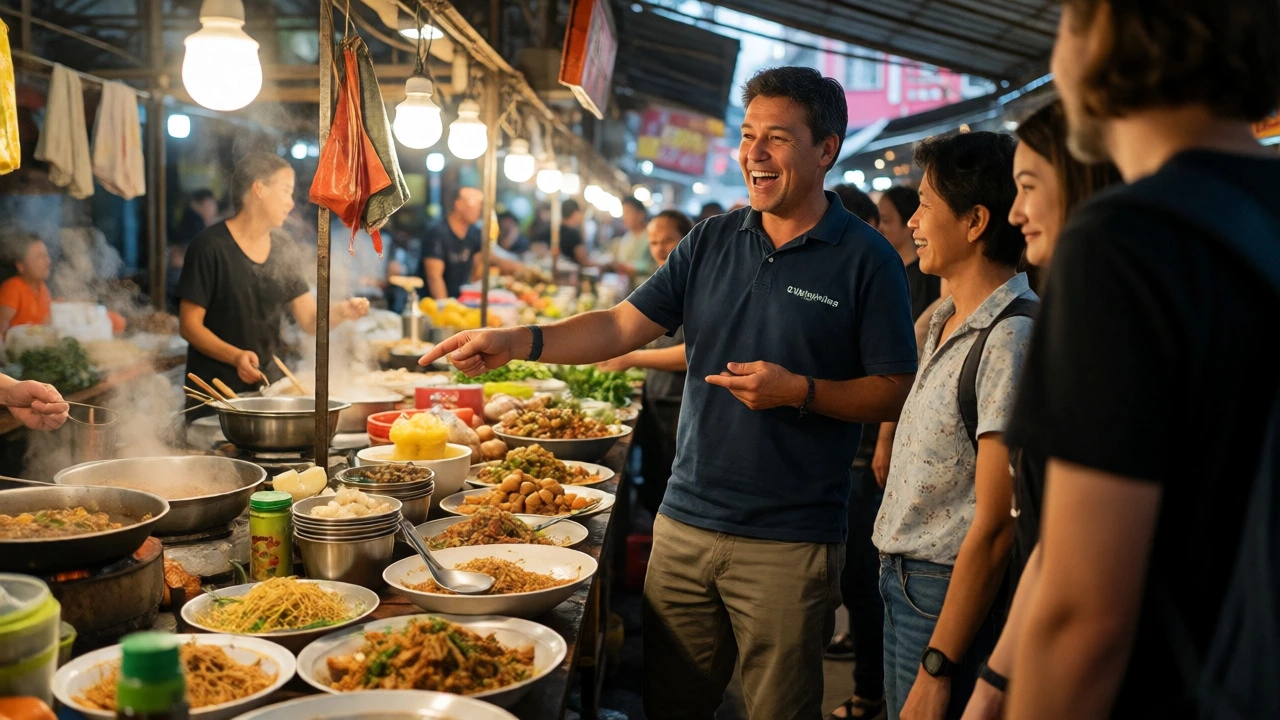
A CEO, however, focuses on logistics, morale, and flexibility. They handle the boring stuff so you can enjoy the fun stuff. Did the bus break down? The CEO handles the driver and the rescheduling. Are you hungry? The CEO knows which street stall serves safe, delicious noodles. They are trained to read the room. If the group is tired, they might suggest skipping a museum visit in favor of a coffee break. This autonomy is rare in mass-market travel.
| Feature | G Adventures CEO | Traditional Tour Guide |
|---|---|---|
| Primary Focus | Group dynamics & problem-solving | Historical facts & schedule adherence |
| Flexibility | High (adapts to group energy) | Low (follows strict itinerary) |
| Role Style | Facilitator / Local Friend | Lecturer / Director |
| Training | Specialized G Adventures certification | General tourism licensing |
| Interaction | Encourages independent exploration | Keeps group together constantly |
What Does a CEO Actually Do Day-to-Day?
Don’t let the fancy title fool you. Being a CEO is hard work. It involves early mornings, late nights, and constant vigilance. On a typical day, a CEO wakes up before the rest of the group. They check the weather, confirm transportation bookings, and scout out breakfast spots. They ensure that when you wake up, everything is ready to go.
During activities, they provide context but don’t overwhelm you. For example, if you are visiting Angkor Wat, a traditional guide might spend two hours listing kings and dates. A CEO might give you thirty minutes of key highlights and then say, "Now go explore. Meet me back here in two hours." This approach respects your intelligence and desire for personal space.
They also handle the social glue. Traveling in a group of strangers can be awkward. CEOs organize ice-breakers, suggest dinner plans, and mediate conflicts. If someone in the group is being rude or dominating conversations, the CEO addresses it discreetly. They protect the group harmony, which is crucial for small-group travel where you spend 10-14 days with the same people.
Are CEOs Local Experts?
This is a common question. Are the CEOs locals? Usually, yes. G Adventures prioritizes hiring local staff. This ensures authentic insights and supports the local economy. A CEO in Morocco is likely Moroccan. A CEO in Vietnam is likely Vietnamese. This local connection provides access to hidden gems that outside experts might miss.
However, language skills vary. Most CEOs speak English fluently, as it is the lingua franca of international travel. Some may speak additional languages depending on the route. If you book a specific "Local Leader" tour, the emphasis on cultural immersion is even higher. These leaders live in the region year-round and offer deep contextual knowledge that a transient expat guide couldn’t match.
It is worth noting that G Adventures has invested heavily in training programs. They run a dedicated CEO Academy. This isn’t just a weekend workshop. It covers emergency response, cross-cultural communication, and conflict resolution. So, while they are locals, they are also professionally trained hospitality experts.
Tipping Etiquette: How Much Should You Pay?
Since they are called CEOs, do you tip them like executives? Yes, but not like Wall Street bankers. Tipping is customary and appreciated. It acknowledges the extra effort they put into making your trip smooth.
A general rule of thumb is $5 to $10 USD per day, per traveler. For a 10-day trip, that means budgeting around $50-$100 total. If the CEO went above and beyond-perhaps organizing a surprise birthday dinner or helping you recover a lost passport-consider tipping on the higher end. Cash is king. Have small bills ready. In some countries, credit cards aren’t accepted for tips, and carrying change shows respect for the local currency norms.
Do not feel pressured to tip if the service was poor. However, remember that many factors affecting your trip (weather, traffic) are out of the CEO’s control. Judge them on their attitude, responsiveness, and care for the group, not on external mishaps.

Common Misconceptions About the Role
One major misconception is that CEOs are free labor. They are paid employees of G Adventures. Tipping is a bonus, not their salary. Another myth is that they are always young backpackers. While many are younger, experienced CEOs range in age from their 20s to their 60s. Experience brings better crisis management and deeper local networks.
Some travelers worry that CEOs lack authority. Can they actually help if something goes wrong? Absolutely. They have direct lines to G Adventures operations teams. If a hotel is substandard, they can escalate issues immediately. They are empowered to make on-the-ground decisions to keep the trip running smoothly.
Finally, don’t confuse them with the Trip Leader for larger coach tours. G Adventures primarily focuses on small groups (usually under 16 people). The intimacy of these groups allows the CEO to build genuine relationships. On massive 50-person tours, the leader is more of a manager; on a G Adventures tour, they are a companion.
Why This Model Works for Adventure Travel
Adventure travel is unpredictable. Flights get cancelled, roads get closed, and weather turns bad. A rigid guide panics. A CEO adapts. This resilience is the core value proposition of G Adventures. By empowering front-line staff with decision-making power, the company reduces stress for travelers.
Furthermore, the model fosters sustainability. Because CEOs are locals, money stays in the community. They support local businesses, hire local drivers, and promote eco-friendly practices. When you choose a tour led by a passionate local CEO, you are voting for a different kind of tourism-one that values human connection over scripted performances.
If you are considering booking a trip, pay attention to the reviews mentioning specific CEOs. Travelers often name-drop them. "Our CEO Maria made the trip special" is a common sentiment. This personal touch is what turns a vacation into a memorable life experience.
Is the CEO the same as the tour guide?
Yes and no. Functionally, they lead the tour, but philosophically they differ. A CEO focuses on facilitating the experience and group dynamics rather than just delivering historical lectures. They have more autonomy to adjust the itinerary based on group interests.
Do I need to tip my G Adventures CEO?
Tipping is customary and highly recommended. A standard guideline is $5-$10 USD per day per person. This amount acknowledges their hard work and local expertise. Always carry small cash denominations for ease of tipping.
Are G Adventures CEOs local residents?
In most cases, yes. G Adventures hires local leaders to ensure authentic cultural insights and to support the local economy. They undergo specialized training through the CEO Academy to handle logistics and group management effectively.
What happens if my CEO cancels last minute?
G Adventures maintains a pool of backup CEOs. If a cancellation occurs due to illness or emergency, another trained leader will step in. While you won’t have the same person, the company ensures continuity of service and quality standards.
Can I request a specific CEO for my trip?
Generally, no. Assignments are based on availability, language skills, and route expertise. However, if you have a specific health requirement or language preference, contact customer service during booking to see if accommodations can be made.