
What is a Beach Holiday? A Complete Guide to Sun, Sand, and Sea
 Nov, 2 2026
Beach Holiday Matcher
Not sure which type of beach holiday is right for you? Answer these quick questions to find your ideal coastal escape.
You’ve seen the photos. Blue water stretching to the horizon, white sand underfoot, and that specific smell of salt mixed with sunscreen. But what is a beach holiday really? It’s not just lying on a towel waiting for a tan. It’s a distinct type of leisure travel centered around coastal environments, designed for relaxation, recreation, or adventure right at the water’s edge.
If you’re trying to decide if this trip style fits your needs, you need to look past the postcard image. A beach holiday varies wildly depending on where you go, who you go with, and what you actually want to do. Are you seeking total silence in a secluded cove, or the buzz of a boardwalk arcade? Let’s break down exactly what this experience entails, so you can book with confidence rather than hope.
The Core Definition and Appeal
At its simplest, a beach holiday is a vacation where the primary focus is spending time on or near a sandy or pebbly shore adjacent to a sea, ocean, or large lake. Unlike city breaks, which revolve around museums, restaurants, and urban exploration, or mountain retreats focused on hiking and skiing, the beach holiday prioritizes proximity to water.
Why does this appeal persist globally? Science suggests it’s partly biological. The sound of waves triggers a parasympathetic response, lowering heart rates and reducing cortisol levels. This "blue mind" effect explains why people return year after year. You aren’t just visiting a location; you are engaging in a therapeutic environment. The routine shifts from checking emails to checking tides. The pace slows. For many, this mental decompression is the main product they are buying.
Types of Beach Destinations
Not all beaches are created equal. Understanding the categories helps you match your expectations with reality. If you book a rugged Atlantic coast expecting Caribbean calm, you’ll be disappointed. Here is how the major types differ:
| Destination Type | Best For | Typical Activities | Vibe |
|---|---|---|---|
| Tropical Islands | Luxury seekers, honeymooners | Snorkeling, spa treatments, sunset cruises | Relaxed, isolated, high-end |
| Mediterranean Coast | Families, culture lovers | Swimming, dining, historical tours | Social, vibrant, historic |
| Surf Towns | Active travelers, youth | Surfing, skateboarding, nightlife | Casual, energetic, bohemian |
| Rugged Coasts | Nature enthusiasts, hikers | Cliff walking, wildlife watching, photography | Wild, windy, scenic |
Tropical destinations like the Maldives or Bali offer shallow, warm waters ideal for beginners and families with young kids. Mediterranean spots such as Spain’s Costa del Sol combine swimming with easy access to cities, allowing for a hybrid holiday. Surf towns like Byron Bay in Australia or Hossegor in France attract those willing to brave cooler water for better waves and a laid-back community feel. Rugged coasts, like Oregon’s Cannon Beach or parts of Scotland, rarely offer swimming but provide dramatic scenery and solitude.
Planning Your First Coastal Trip
Booking a beach holiday requires different logistics than a city break. The weather is your biggest variable. In many regions, the "wet season" isn’t just rain-it’s humidity, mosquitoes, and rough seas. Always check local climate patterns before booking. For example, the Caribbean hurricane season runs from June to November, while Southeast Asia’s monsoon seasons vary by coast.
Accommodation choices also dictate the experience. Do you want an all-inclusive resort? These properties handle food, drinks, and often entertainment, removing decision fatigue. They are excellent for families with children or couples wanting zero stress. However, they can feel isolating. Alternatively, renting a beachfront apartment puts you in the local community. You’ll shop at markets, cook your own meals, and interact with neighbors. This approach is cheaper but requires more planning.
- Location Proximity: Decide if you need direct beach access (step out of your room onto sand) or if a short walk is acceptable. Direct access costs significantly more.
- Amenities: Check for showers, toilets, and lifeguard services. Not every beautiful beach has these facilities.
- Water Conditions: Look for flags or reports on currents. Rip currents are dangerous even for strong swimmers.
Activities Beyond Sunbathing
The stereotype says you lie on a towel for seven days. Reality says most modern beach holidays are active. Water sports have democratized. You don’t need to be an athlete to try them.
Stand-up paddleboarding (SUP) is popular because it’s stable and works on flat lakes or gentle ocean swells. It provides a full-body workout without the impact of running. Snorkeling offers a window into underwater ecosystems without requiring certification. In clear waters like Egypt’s Red Sea or Mexico’s Cancun, you can see coral reefs from the surface.
For land-based fun, beach volleyball remains a social staple. Many resorts organize leagues. If you prefer quiet, coastal hiking trails often run parallel to the shoreline, offering views without the crowds. Remember, the best activity depends on your energy level. Some people recharge by moving; others recharge by stopping. Both are valid.
Packing Essentials for Coastal Travel
Overpacking is common. Under-packing essentials is worse. Sand gets everywhere, and sun exposure is intense. Start with the non-negotiables.
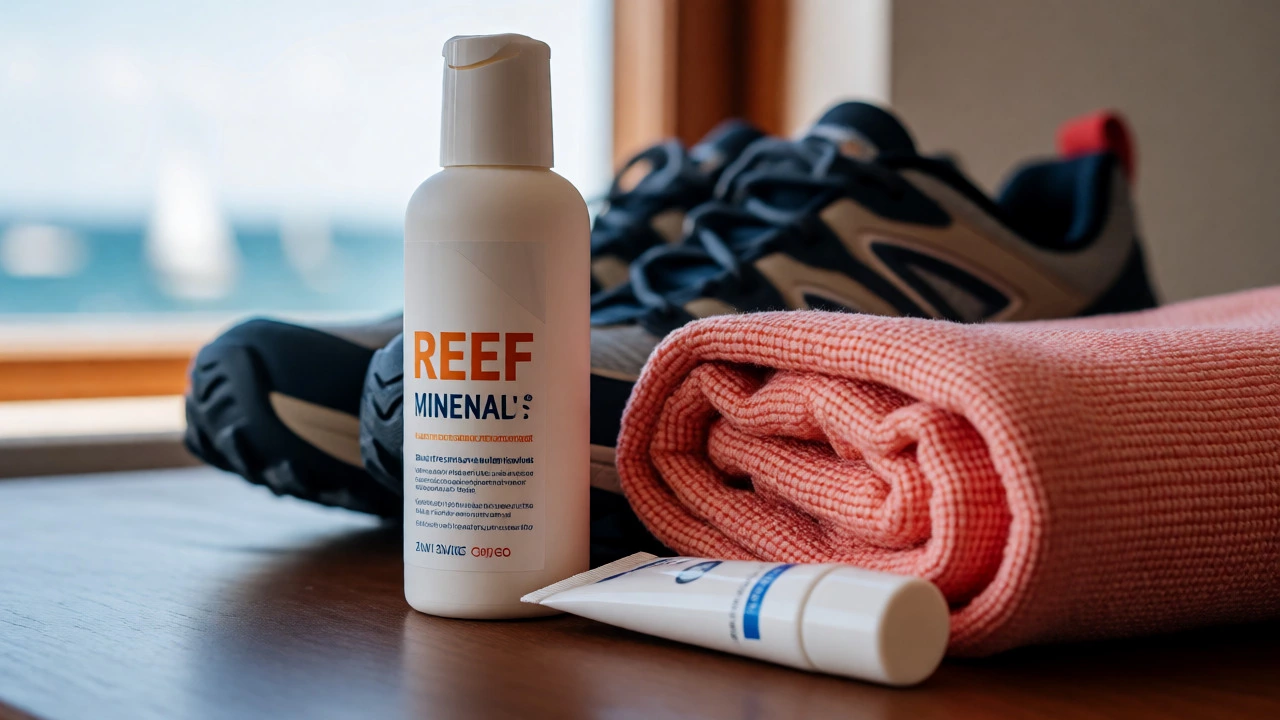
- Reef-Safe Sunscreen: Standard chemical sunscreens bleach coral. Look for zinc oxide or titanium dioxide formulas, especially in protected marine areas.
- Water Shoes: Sea urchins, sharp rocks, and hot sand make barefoot walking painful or dangerous in many locations.
- Quick-Dry Towels: Regular cotton towels hold sand and take forever to dry. Microfiber versions pack small and dry fast.
- Anti-Chafing Balm: Saltwater and sweat cause friction. Apply to thighs and underarms to prevent rash.
Leave behind heavy denim and formal wear. Linen and lightweight cotton breathe better in humid coastal air. Also, bring a waterproof bag for electronics. One splash can ruin a phone.
Common Misconceptions
People often confuse a beach holiday with a cruise stop. While both involve water, a cruise moves you between ports quickly. A beach holiday anchors you in one place. Another myth is that all beach holidays are expensive. Yes, luxury resorts cost thousands. But camping on designated coastal sites or staying in hostels in surf towns can be incredibly budget-friendly. Portugal’s Algarve region, for instance, offers affordable family stays compared to Western Europe’s French Riviera.
Also, consider the environmental impact. Mass tourism strains coastal ecosystems. Choosing eco-certified hotels, avoiding single-use plastics, and respecting wildlife guidelines help preserve these spots. Your holiday should leave the beach cleaner than you found it.
Is a beach holiday suitable for everyone?
Mostly yes, but mobility matters. Sandy terrain is difficult for wheelchairs or strollers unless there are boardwalks. Older adults may struggle with uneven ground. Check accessibility features before booking.
How long should a beach holiday last?
Five to seven days is ideal. The first two days are for settling in and adjusting to the heat. The middle days allow for true relaxation or activity. Shorter trips often feel rushed due to travel time.
Can I work remotely from a beach holiday?
Yes, but verify internet speed. Remote islands often have spotty Wi-Fi. Resorts usually offer reliable connections in lobbies or business centers. Avoid working directly on the sand due to glare and wind.
What is the safest time of day to swim?
Mid-morning to early afternoon when lifeguards are present and visibility is good. Early mornings may have jellyfish or low light; evenings reduce visibility for spotting hazards.
Do I need special insurance for water sports?
Standard travel insurance often excludes high-risk activities like scuba diving above certain depths or jet skiing. Check your policy exclusions and buy add-ons if needed.