
What is a Holiday Cottage? A Complete Guide to Self-Catering Rentals
 Jun, 14 2026
Holiday Cottage vs. Apartment Cost & Fit Calculator
Trip Details
Estimated Daily Rates (per night):
Additional Costs & Preferences:
Comparison Results
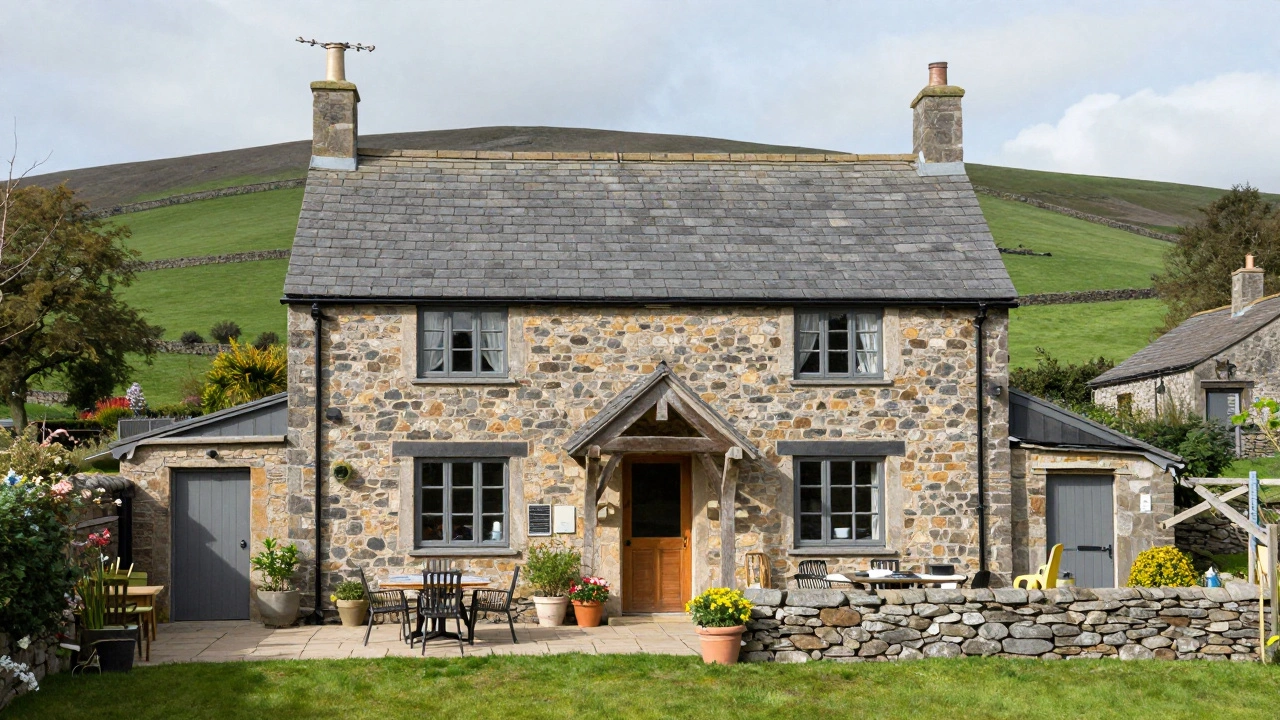
You’ve seen the photos. Rolling green hills, stone walls, a crackling fire in the corner, and a kitchen fully stocked with pots and pans. It looks like a home away from home, but you’re not sure if that’s exactly what it is. If you are wondering what is the meaning of holiday cottage, you aren’t alone. The term gets thrown around a lot in travel brochures, but the reality on the ground can vary wildly depending on where you are in the world.
At its core, a holiday cottage is a private property rented out for short-term stays, offering guests the independence of self-catering accommodation. Unlike a hotel room, which is often just a place to sleep, a cottage gives you an entire living space. You cook your own meals, set your own schedule, and usually have more room to spread out. But there is more to it than just having a fridge and a bed. Understanding what makes a true holiday cottage different from a generic Airbnb or a holiday apartment helps you pick the right spot for your next break.
The Core Definition: More Than Just a Rental
When people ask about the meaning of a holiday cottage, they are usually looking for a specific vibe as much as a functional description. In many parts of the world, particularly in the United Kingdom, Ireland, and Scandinavia, the word "cottage" carries weight. It implies a certain architectural style-often older, made of stone or timber, and nestled in rural or semi-rural settings.
A true holiday cottage typically stands alone. It isn’t part of a large block of flats or attached to other units. This separation is key. It means you have your own garden, your own driveway, and direct access to nature without walking through a lobby or sharing a hallway with strangers. For families with young children or groups of friends who value privacy, this standalone aspect is non-negotiable. You get the whole building to yourself, which changes the dynamic of the trip entirely. You are not just renting a room; you are renting a temporary home.
This definition also extends to the amenities. While a hotel provides housekeeping and room service daily, a holiday cottage operates on a self-catering model. You check in, unlock the door, and take over. The kitchen is your command center. Whether you are boiling pasta for a quick dinner or preparing a full Sunday roast, the space is designed for you to live in, not just pass through. This shift in responsibility-from being served to serving yourself-is the fundamental difference between a cottage and traditional hospitality.
Holiday Cottage vs. Holiday Apartment: What’s the Difference?
It is easy to confuse a holiday cottage with a holiday apartment, especially when booking online. Both offer self-catering options, both have kitchens, and both provide beds. However, the experience diverges significantly once you arrive. Here is how to tell them apart so you don’t end up with the wrong type of accommodation.
| Feature | Holiday Cottage | Holiday Apartment |
|---|---|---|
| Structure | Standalone building | Part of a larger complex or block |
| Privacy | High (no shared walls/entrances) | Medium (shared hallways/lifts) |
| Outdoor Space | Private garden or patio | Balcony or shared communal area |
| Location | Rural, countryside, coastal villages | Urban centers, resort complexes |
| Vibe | Relaxed, rustic, homely | Modern, convenient, social |
If you want to wake up and walk directly into a field or sit on a deck that no one else sees, you need a cottage. Apartments are great for city breaks or beach resorts where you spend most of your time outside anyway. But if the goal is to disconnect and immerse yourself in a quieter environment, the standalone nature of a cottage is unmatched. The lack of neighbors immediately above or below you reduces noise pollution and increases the sense of seclusion.
The Rise of the Staycation and Rural Retreats
The popularity of holiday cottages has skyrocketed in recent years, driven largely by the trend of staycations. Travelers are increasingly choosing domestic destinations over international flights, seeking quality time close to home. In places like the UK, the concept of the "rural retreat" has become a staple of leisure culture. People are trading airport queues for scenic drives, swapping hotel lobbies for country pubs.
This shift has changed how these properties are managed. Owners are investing heavily in comfort and connectivity. You won’t find dusty old furniture in modern holiday cottages. Instead, expect high-speed Wi-Fi (essential for remote workers), smart TVs, and premium bedding. The aesthetic often blends rustic charm with contemporary luxury-a trend sometimes called "glamping lite." Think exposed beams paired with underfloor heating, or a log burner alongside a Nespresso machine. This hybrid approach appeals to those who want the romance of the countryside without sacrificing modern conveniences.
For families, this model offers practical benefits too. Hotels charge extra for cribs, breakfasts, and late check-outs. A cottage allows you to buy your own groceries, eat at times that suit your kids, and use washing machines to handle dirty clothes mid-trip. It removes the friction points of traditional tourism, making longer stays more feasible and affordable per night compared to multiple hotel rooms.
Who Is a Holiday Cottage Best For?
Not every traveler needs a cottage. Solo business travelers might prefer the efficiency of a city hotel. Backpackers might opt for hostels. So, who actually benefits most from this type of accommodation? Here are the primary user profiles:
- Families with Children: Kids need space to run around, and parents need control over meal times and hygiene. A cottage provides a safe, enclosed environment where children can play in a private garden rather than wandering through public corridors.
- Pet Owners: Many hotels restrict pets or charge hefty fees. Holiday cottages are far more pet-friendly. They often come with fenced yards and nearby walking trails, allowing dogs to roam freely while owners relax indoors.
- Couples Seeking Romance: A secluded cottage in the woods or by the sea offers intimacy that a standard hotel room cannot match. The ability to cook a romantic dinner at home, followed by a bath under the stars, creates a unique atmosphere.
- Groups of Friends: Renting three hotel rooms splits the group. A large cottage with multiple bedrooms and a big living area keeps everyone together, fostering conversation and shared experiences.
- Digital Nomads: With the rise of remote work, long-term cottage rentals (weekly or monthly) allow professionals to work in inspiring environments without the distractions of an office or the isolation of a small apartment.
What to Expect: Amenities and Standards
When you book a holiday cottage, you are buying into a promise of completeness. The property should be fully equipped for daily living. This goes beyond basic necessities. Here is a checklist of what a well-maintained holiday cottage should include:
- Kitchen Essentials: Full-size refrigerator, oven, stove, microwave, kettle, toaster, coffee maker, and a complete set of cutlery, plates, glasses, and cooking utensils. You should not need to bring your own spatula.
- Linen and Towels: Bed sheets, duvets, pillows, bath towels, and hand towels should be provided and changed between guests. Some higher-end cottages offer turndown service, but it is not standard.
- Heating and Cooling: Reliable central heating or efficient wood burners for colder months. Air conditioning or fans may be available in warmer climates, though less common in traditional stone cottages.
- Entertainment: Smart TV with streaming services, board games, books, or outdoor equipment like BBQ grills and hammocks.
- Wi-Fi: Consistent, high-speed internet is now a baseline expectation, even in remote locations.
It is worth noting that standards can vary. In some regions, "cottage" might refer to a very basic cabin with minimal amenities. Always read the description carefully. Look for keywords like "fully equipped," "luxury," or "5-star rated" to gauge the level of comfort. Reviews from previous guests are your best tool for verifying these claims.
Booking Tips: Avoiding Common Pitfalls
Booking a holiday cottage requires a bit more diligence than snapping up a hotel room. Since you are dealing with private owners or management companies rather than a centralized chain, policies can differ. Here is how to ensure a smooth experience:
- Check the Check-In Process: Many cottages use self-check-in via lockboxes or smart locks. Confirm the instructions are clear and sent ahead of time. If you arrive late, make sure the owner is accessible for emergencies.
- Understand Cleaning Fees: Unlike hotels, cottages often charge a separate cleaning fee. This can range from $50 to $150 or more. Factor this into your total budget before booking.
- Read House Rules: Some cottages have strict rules about pets, parties, or smoking. Others require you to take out trash or strip beds before leaving. Ignoring these can lead to fines or poor reviews.
- Verify Location Accuracy: Photos can be misleading. Use maps to check proximity to attractions, grocery stores, and restaurants. A cottage might look secluded, but if it’s 30 minutes from the nearest supermarket, plan accordingly.
- Look for Cancellation Policies: Flexible cancellation is crucial for trips that might change due to weather or personal circumstances. Opt for bookings with free cancellation up to 48 hours before arrival when possible.
Finally, consider the season. Peak summer months mean higher prices and fewer availability. Shoulder seasons (spring and autumn) often offer better rates and milder crowds, while still providing beautiful scenery. Winter cottages can be magical if you enjoy snow sports or cozying up by the fire, but ensure the heating system is robust.
The Future of Holiday Cottages
The holiday cottage market is evolving. With sustainability becoming a major concern for travelers, many owners are retrofitting properties with solar panels, rainwater harvesting systems, and eco-friendly cleaning products. There is also a growing trend toward "workation" packages, where owners offer dedicated workspaces and extended stay discounts.
Technology plays a bigger role too. Virtual tours allow you to explore every corner of the cottage before booking, reducing the risk of disappointment. AI-driven recommendations help match travelers with properties based on their specific interests, whether that’s hiking, wine tasting, or stargazing.
As travel habits continue to shift towards slower, more meaningful experiences, the holiday cottage remains a top choice. It offers the perfect blend of freedom, comfort, and connection to place. Whether you are escaping the city for a weekend or relocating for a month, understanding what a holiday cottage truly means helps you make the right choice for your lifestyle.
Is a holiday cottage the same as a vacation rental?
Yes, broadly speaking. "Vacation rental" is the umbrella term for any privately owned property rented for short stays, including apartments, villas, and houses. A holiday cottage is a specific type of vacation rental, typically characterized by its standalone structure, rural location, and rustic charm.
Are holiday cottages cheaper than hotels?
For groups and families, yes. When you split the cost among several people, a cottage is often more affordable per person than booking multiple hotel rooms. Additionally, saving money on meals by cooking yourself adds up quickly. For solo travelers or couples, hotels might be cheaper unless you stay for a week or longer.
Do I need to clean the cottage before I leave?
Most professional holiday cottage operators include cleaning in the price and send cleaners after you leave. However, some budget listings or private owners may expect you to do light tidying, such as taking out trash and loading the dishwasher. Always check the house manual or listing details to confirm expectations.
Can I bring my dog to a holiday cottage?
Many holiday cottages are pet-friendly, especially those in rural areas. Look for filters labeled "Pets Allowed" on booking platforms. Be aware that there may be an additional pet fee, and you will likely need to follow rules regarding keeping dogs off furniture or restricting them to certain areas.
What is the minimum stay for a holiday cottage?
Minimum stays vary by owner and season. During peak holidays, you might need to book for at least three nights or a full week. Off-peak, some owners accept single-night bookings. Weekend breaks (Friday to Sunday) are very common. Always check the calendar availability and booking terms before reserving.
Are holiday cottages safe?
Generally, yes. Reputable providers adhere to safety regulations, including smoke detectors, carbon monoxide alarms, and secure locks. Reading recent guest reviews is the best way to assess safety and maintenance quality. Look for comments about cleanliness, responsiveness of the host, and overall security of the property.