
What Is a Short Vacation Called? The Real Name for Weekend Getaways
 Jan, 26 2026
Weekend Getaway Distance Calculator
Check Your Weekend Getaway Distance
Is your destination within the ideal 3-hour travel window? Perfect for a relaxing weekend getaway.
Why 3 Hours?
According to the article, the ideal weekend getaway should be under 3 hours travel time. This ensures you spend more time relaxing than traveling, creating a perfect reset. The article states: "If it takes half a day to get there, you've lost your weekend." This tool helps you find the right balance for your next escape.
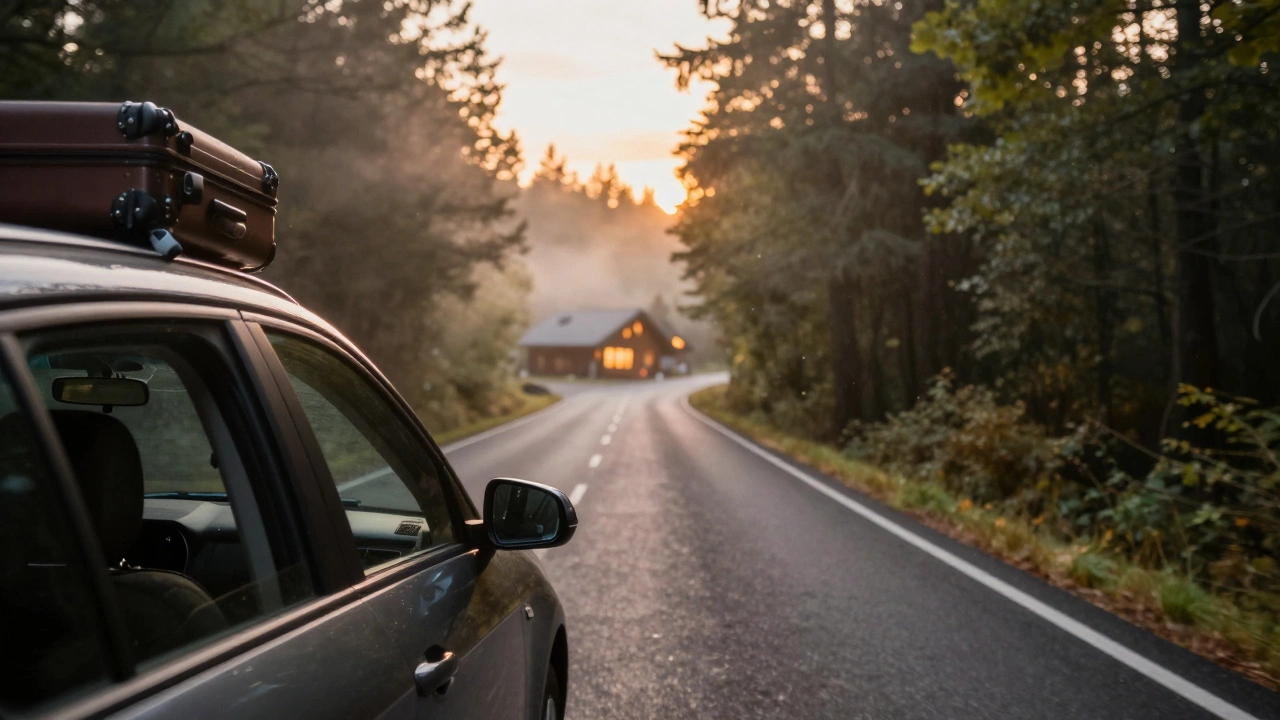
Ever planned a quick escape on Friday after work, packed a bag, and drove off before sunset-only to be back by Monday morning? That’s not just a trip. It’s not a vacation in the traditional sense. It’s something else entirely. And if you’ve ever tried to book one, you know searching for ‘short vacation’ doesn’t give you the right results. That’s because there’s a specific name for it.
It’s Called a Weekend Getaway
The most common, widely accepted term for a short vacation lasting two to four days is a weekend getaway. It’s not just a phrase marketers use-it’s how real people talk about it. You don’t say, ‘I’m taking a three-day vacation to Whistler.’ You say, ‘I’m doing a weekend getaway to Whistler.’
This isn’t just semantics. The term reflects how people actually live now. Most of us can’t take two weeks off. But we can squeeze out a Friday afternoon and Sunday evening. That’s the sweet spot. And the travel industry has built entire business models around it. Hotels offer Friday check-in specials. Train companies have ‘getaway fares.’ Even apps like Airbnb now have filters labeled ‘Weekend Getaways.’
Other Names You Might Hear
Depending on where you are or who you’re talking to, you might hear a few other terms. They all mean roughly the same thing, but they carry different vibes.
- Mini break - Common in the UK and Canada. Feels more relaxed, less flashy. ‘Let’s do a mini break to Victoria.’
- Quick trip - Casual, American slang. Often used when the destination is close. ‘We took a quick trip to Lake Tahoe.’
- Brief escape - More poetic. Used in travel blogs and magazines. Implies mental reset, not just sightseeing.
- Staycation - Only counts if you don’t leave your city. Staying home but treating it like a trip? That’s a staycation. Not a getaway.
Here’s the key difference: if you leave your usual environment-even just 90 minutes away-it’s a getaway. If you stay put, it’s a staycation. Mixing them up is a common mistake.
Why Weekend Getaways Are So Popular Now
Before 2020, long vacations were the norm. People saved up for two weeks in Spain or a month in Thailand. Now? The rhythm of life has changed. Burnout is real. Attention spans are shorter. And research from the University of British Columbia in 2024 found that people who take regular short breaks report 42% higher levels of daily well-being than those who wait for ‘the big trip.’
It’s not just about rest. It’s about control. A weekend getaway lets you pick the pace. No itinerary. No crowds. No pressure to ‘do it all.’ You can sleep in. You can sit by a lake with coffee and just breathe. That’s the real value.

What Makes a Good Weekend Getaway?
Not every nearby town works. A good one has three things:
- Distance - Under 3 hours by car or one train ride. If it takes half a day to get there, you’ve lost your weekend.
- Change of scenery - If you live in a city, go to the woods. If you live near the coast, head inland. Your brain needs to notice the difference.
- Low friction - No long bookings, no complicated reservations. You want to book it on a Tuesday and leave Friday.
Think of it like this: a weekend getaway isn’t about luxury. It’s about accessibility. That’s why places like Harrison Hot Springs in British Columbia, or Door County in Wisconsin, are packed every Friday night. They’re easy to reach. They feel different. And they don’t cost a fortune.
What Doesn’t Count as a Weekend Getaway
Some things people call ‘short vacations’ aren’t really getaways at all.
- Business trips - Even if you stay overnight, if you’re working, it’s not a getaway. You’re not resetting.
- Visiting family - Going to your parents’ house isn’t a vacation, even if you’re far away. There’s too much obligation.
- Long weekends with kids - If you’re packing strollers, dealing with tantrums, and following a strict schedule, it’s a family trip-not a getaway. Getaways are for adults who want silence.
The real getaway is the one where you don’t have to explain anything. You just show up, unwind, and leave without guilt.
How to Plan One Without Overthinking
Here’s how to do it in under 10 minutes:
- Open Google Maps and search ‘places to stay under 2 hours from [your city].’
- Look for places with ‘Friday check-in’ or ‘2-night minimum.’
- Filter for properties with free parking and a kitchen. You’ll save money and stress.
- Book it. No need to plan meals or activities. Just pick one thing you want to do-hike, read, soak in hot springs-and leave the rest open.
- Set your phone to Do Not Disturb after 7 PM Friday. That’s the rule.
That’s it. No spreadsheets. No itinerary. No Instagram mood board. Just leave. The best getaways are the ones you didn’t overthink.
Where to Go for a Quick Escape in 2026
Here are five places that still feel like escapes-even in 2026:
- Saltspring Island, BC - Ferries run hourly. No cars needed. Just walk, eat local cheese, and watch the sunset.
- Big Sur, California - One road, endless cliffs. Book a cabin with a hot tub. You won’t need Wi-Fi.
- Prince Edward County, Ontario - Vineyards, vintage shops, and quiet beaches. Less crowded than Niagara.
- Asheville, North Carolina - Art, craft beer, and mountain views. Walkable downtown. Great food trucks.
- Lake George, New York - Small-town charm. Boat rentals for $25 an hour. No crowds unless it’s July.
These places don’t need hype. They just work. And they’re always available on a Friday.
Why You Need This More Than You Think
Most people think they need a long vacation to recharge. But the science says otherwise. A 2025 study from the Journal of Occupational Health found that people who took a weekend getaway every 3-4 weeks had lower cortisol levels than those who took one long trip a year. The body doesn’t need two weeks off. It needs regular resets.
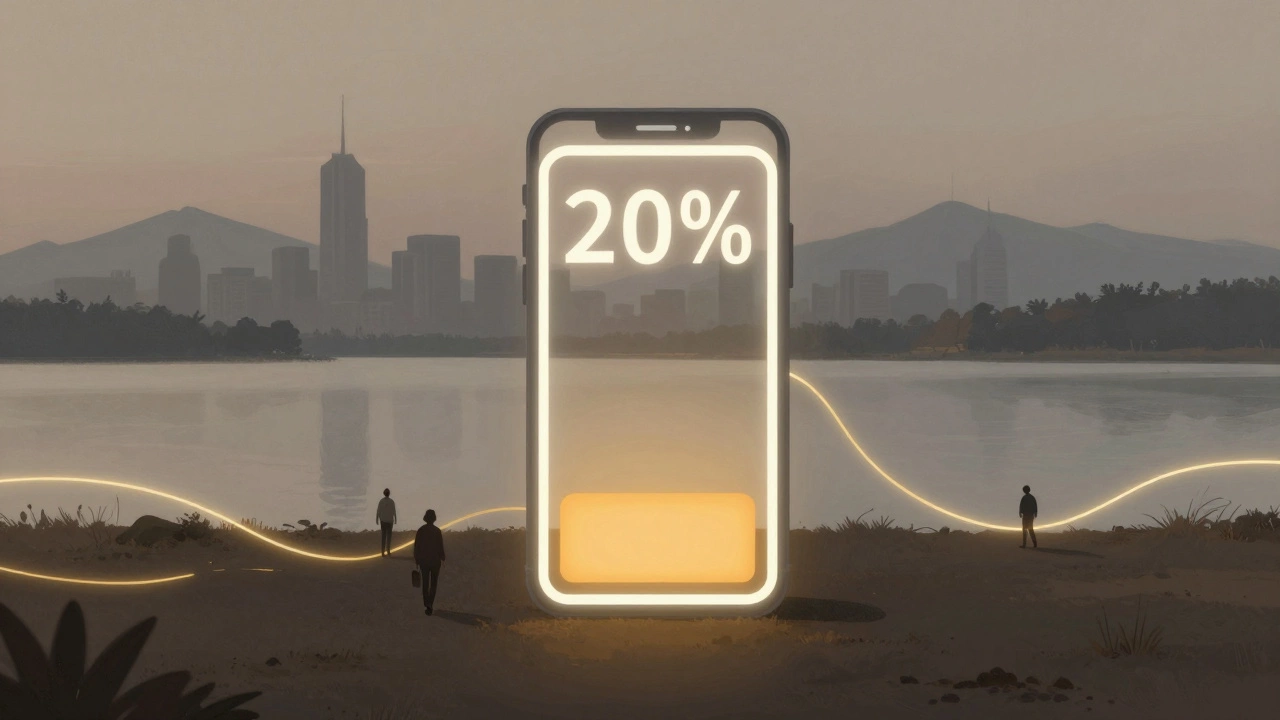
Think of your mind like a phone battery. You don’t wait until it hits 1% to charge. You plug it in when it’s at 20%. Weekend getaways are that 20% charge. They’re not a luxury. They’re maintenance.
And here’s the truth: you don’t need permission. You don’t need to wait for a holiday. You don’t need to save up. All you need is a Friday afternoon and the courage to say no to one more meeting.
What is a short vacation called?
A short vacation is most commonly called a weekend getaway. Other terms include mini break, quick trip, or brief escape-but these all refer to a trip lasting two to four days, typically over a Friday to Sunday window. It’s not a staycation (which means staying home) or a business trip. It’s a deliberate, short escape to reset.
Is a weekend getaway the same as a staycation?
No. A staycation means you stay in your own city or home and treat it like a vacation-maybe you go to a local spa or eat out more. A weekend getaway means you leave your usual environment, even if just for a few hours. The change of scenery is what makes it restorative.
How far should a weekend getaway be?
Ideally, it should be under 3 hours by car or one train ride. If it takes longer than that, you’re spending too much time traveling and not enough time relaxing. The goal is to arrive, unwind, and leave without feeling exhausted from the drive.
Do I need to book everything in advance?
Not necessarily. Many places offer last-minute deals, especially midweek. But you should book your accommodation ahead-especially on Friday nights. Activities like tours or restaurants can be planned on the spot. The best getaways are the ones with room for spontaneity.
Are weekend getaways expensive?
They don’t have to be. Many cabins, motels, and B&Bs offer Friday-Sunday rates that are lower than single-night prices. Cooking your own meals, avoiding tourist traps, and traveling off-season can bring the cost down to under $200 total. The real cost is time-not money.
Next Steps: Try Your First One
Don’t wait for the ‘right time.’ There won’t be one. Pick a Friday next month. Open your phone. Search ‘weekend getaways near me.’ Pick the one that looks quietest. Book it. Pack your bag. Leave your laptop. And don’t check email after 7 PM.
That’s not a vacation. It’s a reset. And you deserve it more than you think.