
What Is an Adventure Vacation? The Ultimate Guide to Active Travel
 Jul, 23 2026
Adventure Travel Readiness Quiz
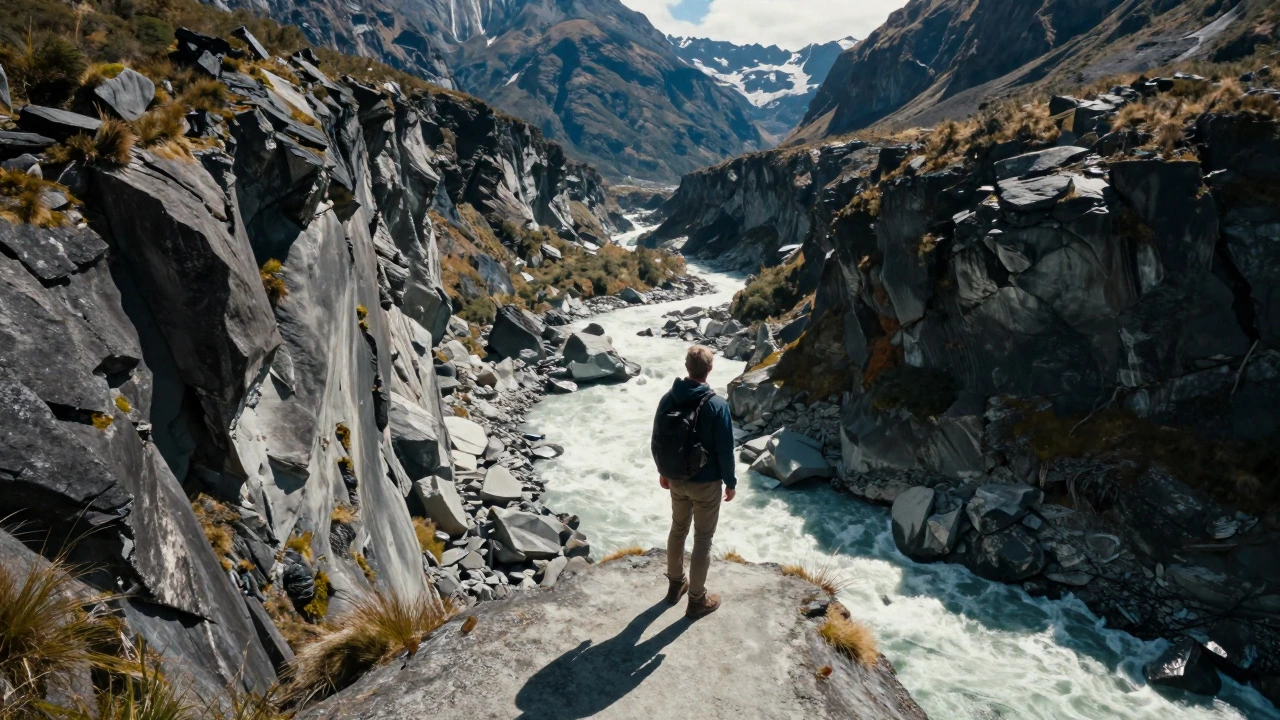
Picture this: you are standing at the edge of a cliff in New Zealand, a country renowned for its dramatic landscapes and extreme sports. Below you, a river rushes through a canyon. You have two choices. You can step back, take a photo, and head to the hotel pool. Or, you can jump off that ledge on a bungee cord, screaming all the way down. If you choose the second option, you are not just on holiday. You are on an adventure vacation.
But what exactly does that mean? Is it only for adrenaline junkies who want to break bones? Or is it something broader? Understanding the true definition of an adventure holiday helps you plan better, spend smarter, and actually enjoy the trip instead of dreading it.
The Core Definition of Adventure Travel
At its simplest, an adventure vacation is a type of tourism where the primary activity involves physical exertion, cultural immersion, or exploration of natural environments. It moves away from the passive "lie on the beach" model of traditional tourism. Instead, it requires you to participate.
The Global Adventure Travel Association (GATA), an industry body that sets standards for adventure tourism defines it as travel involving a combination of three elements:
- Physical Activity: Hiking, kayaking, skiing, or climbing.
- Cultural Immersion: Interacting with local communities in a respectful, meaningful way.
- Personal Challenge: Stepping outside your comfort zone to learn or grow.
You do not need all three for every trip, but at least one must be present. A weekend hiking trip in the mountains counts. A volunteer teaching trip in Vietnam, a Southeast Asian nation popular for cultural and eco-tourism counts. Even a self-guided cycling tour through Tuscany, a region in Italy known for wine and countryside cycling fits the bill if you are pushing yourself physically.
Types of Adventure Vacations
One of the biggest misconceptions is that adventure means danger. In reality, the spectrum is wide. Here is how the industry breaks it down:
| Type | Activity Level | Risk Factor | Example Activities |
|---|---|---|---|
| Eco-Adventure | Low to Moderate | Low | Jungle trekking, wildlife safaris, bird watching |
| Extreme Sports | High | High | Rock climbing, white-water rafting, skydiving |
| Cultural Exploration | Moderate | Low | Homestays, cooking classes, historical site hikes |
| Expedition Travel | Variable | Moderate | Polar cruises, desert crossings, high-altitude treks |
If you are new to this, start with eco-adventure. It offers the thrill of discovery without the need for specialized gear or athletic prowess. Think of walking through the rainforests of Costa Rica, a Central American country famous for biodiversity and eco-tourism. You are active, you are learning, and you are immersed in nature. That is the essence of modern adventure travel.
Why People Choose Adventure Over Relaxation
Why would anyone pay to get tired? Why hike up a mountain when you could sit by a pool?
The answer lies in psychology. Traditional vacations often leave people feeling refreshed but unchanged. Adventure vacations create what psychologists call "peak experiences." These are moments of intense joy, awe, or accomplishment that stay with you long after you return home.
Consider the concept of flow state. When you are kayaking down a rapid or navigating a complex trail, you are fully present. There is no room to worry about emails or bills. This mental clarity is addictive. Many travelers report that their most memorable moments come not from relaxation, but from overcoming a challenge.
Additionally, adventure travel fosters connection. When you struggle up a steep path together, bonds form faster than they do over cocktails. Group tours, in particular, leverage this dynamic. You share meals, stories, and hardships with strangers who quickly become friends.

Planning Your First Adventure Trip
Jumping into the deep end can be daunting. Here is a practical checklist to ensure your first adventure vacation is successful, safe, and enjoyable.
- Assess Your Fitness Honestly: Do not let marketing brochures fool you. If a trek says "moderate," check the elevation gain. Can you walk five miles with a backpack? If not, train beforehand. Start small.
- Choose the Right Destination: For beginners, countries with established infrastructure are best. Peru, a South American country offering accessible Machu Picchu treks has well-marked trails and support staff. Remote areas require more skill and preparation.
- Invest in Gear: You do not need the most expensive brand, but you need reliable equipment. Good boots prevent blisters. A quality rain jacket keeps you dry. Test everything before you go.
- Hire Local Guides: This is non-negotiable for safety and cultural respect. Local guides know the terrain, the weather patterns, and the etiquette. They also keep money in the local economy.
- Get Insurance: Standard health insurance often excludes "high-risk" activities. Make sure your policy covers hiking above a certain altitude or water sports. Check the fine print.
A common mistake is overpacking. Adventure travel requires mobility. Pack light. Use compression sacks. Bring versatile clothing that layers well. Remember, you will likely wash clothes on the road.
Safety and Sustainability
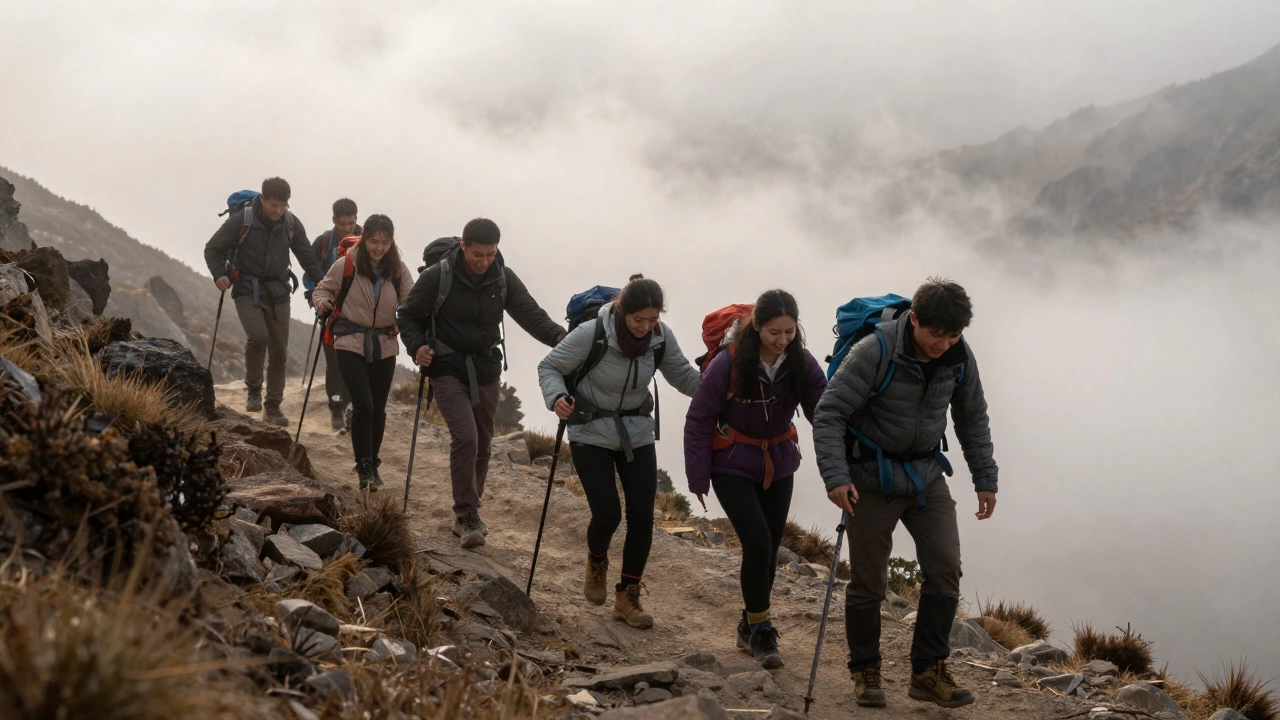
Adventure travel has a responsibility. The places we visit are fragile. Whether you are trekking in the Andes Mountains, a mountain range in South America prone to environmental impact from tourism or diving in the Great Barrier Reef, the world's largest coral reef system facing climate threats, your actions matter.
Follow the Leave No Trace principles. Carry out all trash. Stay on marked trails to protect vegetation. Respect wildlife distances. And perhaps most importantly, respect local cultures. Ask permission before taking photos. Learn basic phrases in the local language. Support locally owned businesses rather than international chains.
Safety-wise, always inform someone of your itinerary. If you are going off-grid, carry a satellite communicator. Weather changes fast in remote areas. Flexibility is key. Be willing to change plans if conditions look dangerous. No summit is worth a life.
Budgeting for Adventure
Adventure holidays can range from budget-friendly to luxury-priced. Here is how to manage costs:
- Travel Off-Season: Prices drop significantly during shoulder seasons. Weather might be slightly less predictable, but crowds are smaller.
- Book Activities Locally: Avoid booking expensive excursions through your hotel. Walk into local shops in towns near your destination. You often get better rates and support the community directly.
- Group Discounts: Joining a guided group tour can be cheaper than organizing solo, especially for transport and guide fees.
- Gear Rental: Unless you plan to do the activity frequently, rent specialized gear like kayaks or climbing harnesses at your destination.
For example, a week of trekking in Nepal can cost under $1,000 if you stay in teahouses and eat local food. The same trip with luxury lodges and private guides can exceed $5,000. Know your priorities.
Is Adventure Travel Right for You?
Not everyone wants to wake up at 4 AM to catch sunrise on a peak. And that is okay. But if you find yourself bored by standard resort packages, consider trying a mild adventure. A bike tour, a coastal hike, or a cooking class in a rural village can be your gateway.
The beauty of an adventure vacation is its adaptability. It grows with you. As you gain confidence, you can tackle bigger challenges. The goal is not to conquer nature, but to connect with it. To feel alive. To come home with stories that make your eyes light up when you tell them.
So, what is the meaning of adventure vacation? It is the choice to engage. To explore. To live fully while traveling. It is about trading comfort for experience. And for many, that trade is worth every penny.
Do I need to be an athlete to go on an adventure vacation?
No. Adventure travel comes in many forms. While some activities like rock climbing require fitness, others like wildlife safaris or gentle cultural walks are accessible to most people. Always check the difficulty rating and talk to the tour operator about your fitness level.
Are adventure vacations safe?
They are generally safe when planned correctly. Risks exist in any travel, but reputable operators follow strict safety protocols. Hiring local guides, wearing proper gear, and having travel insurance significantly reduce risks. Always research your provider's safety record.
How much does an adventure holiday cost?
Costs vary widely. Budget adventures in Southeast Asia or South America can start at $1,000 per week. Luxury expeditions to Antarctica or private guiding in Europe can cost $5,000 or more. Mid-range options in Eastern Europe or Mexico often fall between $2,000 and $3,500.
What should I pack for an adventure trip?
Essentials include sturdy footwear, moisture-wicking clothing, a daypack, sunscreen, insect repellent, a first-aid kit, and reusable water bottles. Layering is crucial for changing weather. Avoid cotton as it stays wet. Check specific requirements for your activity, such as helmets or wetsuits.
Can families go on adventure vacations?
Absolutely. Many destinations offer family-friendly adventure tours. Look for age-appropriate activities like junior ranger programs, easy hiking trails, or snorkeling lessons. Ensure the operator has experience with children and provides child-sized gear if needed.
Is adventure travel environmentally friendly?
It can be, if done responsibly. Eco-adventure tourism often supports conservation efforts and local communities. Look for operators certified by organizations like GSTC (Global Sustainable Tourism Council). Practice Leave No Trace principles and minimize plastic use.