
What Is the Best Adventure to Go On? Top 5 Real Adventures That Actually Change You
 Dec, 7 2025
Adventure Matchmaker
Discover which of these transformative adventures suits you best based on your preferences.
There’s no such thing as the best adventure-not really. Not if you’re looking for one single answer that works for everyone. But there are adventures that stick with you. The kind that make you laugh until your stomach hurts, push you past what you thought you could do, and change how you see the world. These aren’t just trips. They’re turning points.
Patagonia’s W Trek: Where the Wind Doesn’t Care If You’re Ready
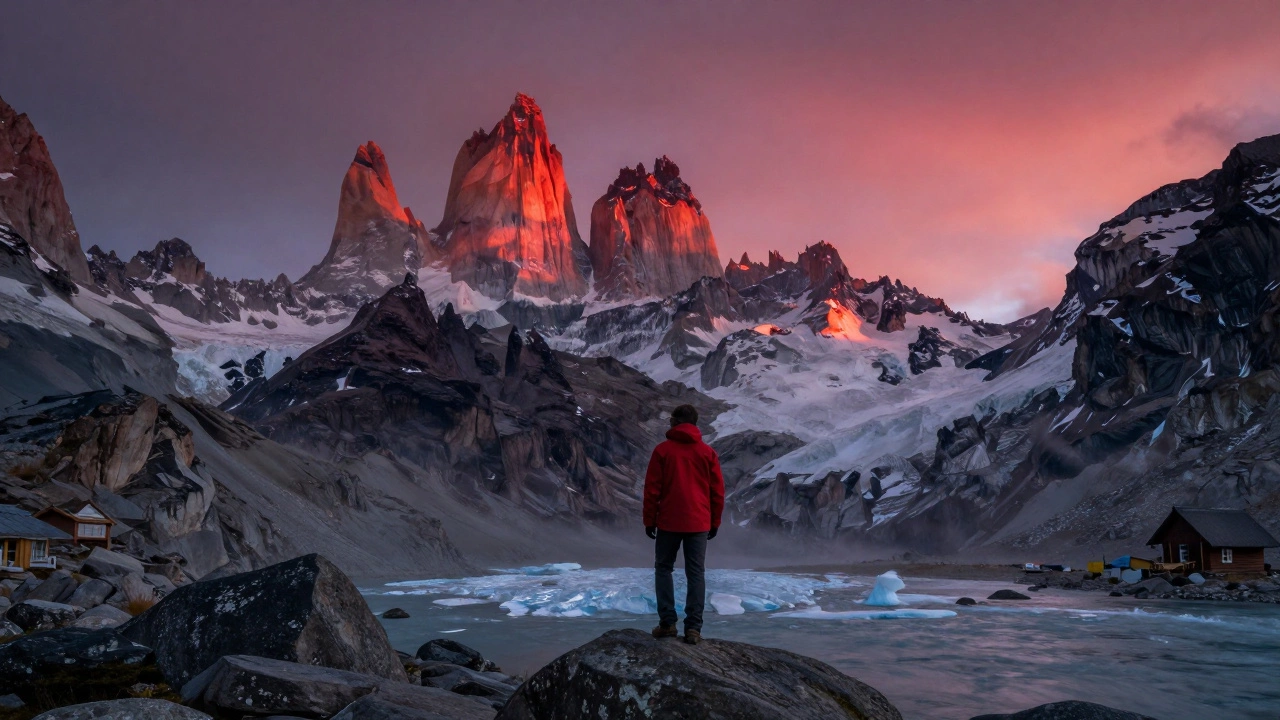
If you’ve ever watched a documentary about Patagonia and thought, That looks insane, you’re right. It is. The W Trek in Chile’s Torres del Paine National Park isn’t a hike. It’s a six-day battle with nature that rewards you with views you can’t find anywhere else. You’ll walk through valleys carved by glaciers, cross rickety bridges over icy rivers, and sleep in basic refugios where the wind howls like it’s trying to knock the tent down.
People think they’re ready for Patagonia. Then they get hit with 70 km/h winds that make it impossible to stand upright. One woman I met on the trail had packed three pairs of hiking boots. She lost two by day three. The third? She gave it to a guy from Argentina who’d torn his on a rock. That’s the thing about this place-it doesn’t care about your gear. It only cares if you keep going.
On the final morning, you hike to the base of the Torres. The sun rises behind them, turning the granite towers blood red. No photo does it justice. You just stand there, cold and tired, and realize you’ve seen something few people ever will.
Mount Kilimanjaro: The Climb That Breaks You Before It Builds You
Mount Kilimanjaro isn’t a technical climb. You don’t need ropes or ice axes. But that’s the trap. People think it’s just a long walk. It’s not. It’s a slow, brutal test of your body and mind. At 5,895 meters, it’s the highest free-standing mountain on Earth. Altitude doesn’t care how fit you are.
Most people fail not because they’re weak, but because they rush. The key? Go slow. The rule of thumb: climb high, sleep low. That means you hike 4-6 hours in the morning, then come back down to a lower camp to rest. It sounds counterintuitive, but it’s how your body survives.
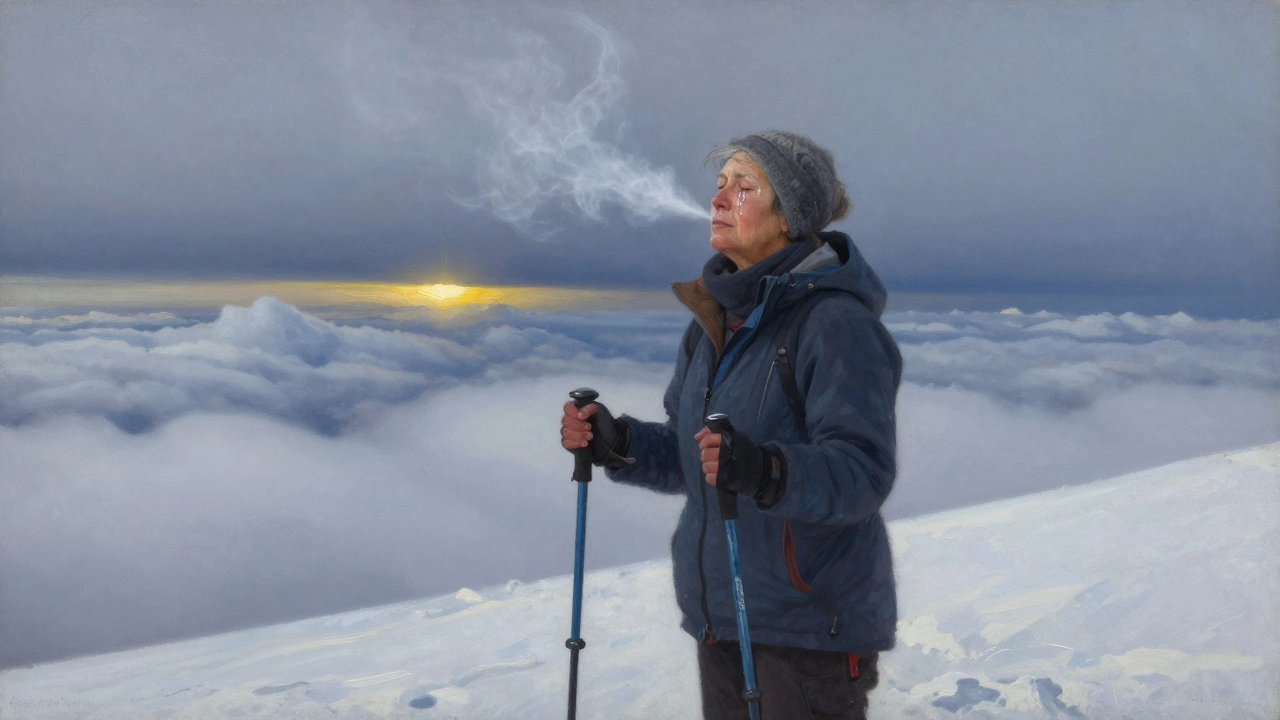
I talked to a 68-year-old retired teacher from Ohio who summited last year. She said the hardest part wasn’t the cold or the thin air-it was the silence. No phones. No music. Just your breath and your thoughts. She cried at the summit. Not from joy. From relief. She’d spent 10 years thinking she wasn’t strong enough to do it. She proved herself wrong.
Laos’ Nam Ou River: A Journey Down a River That Time Forgot
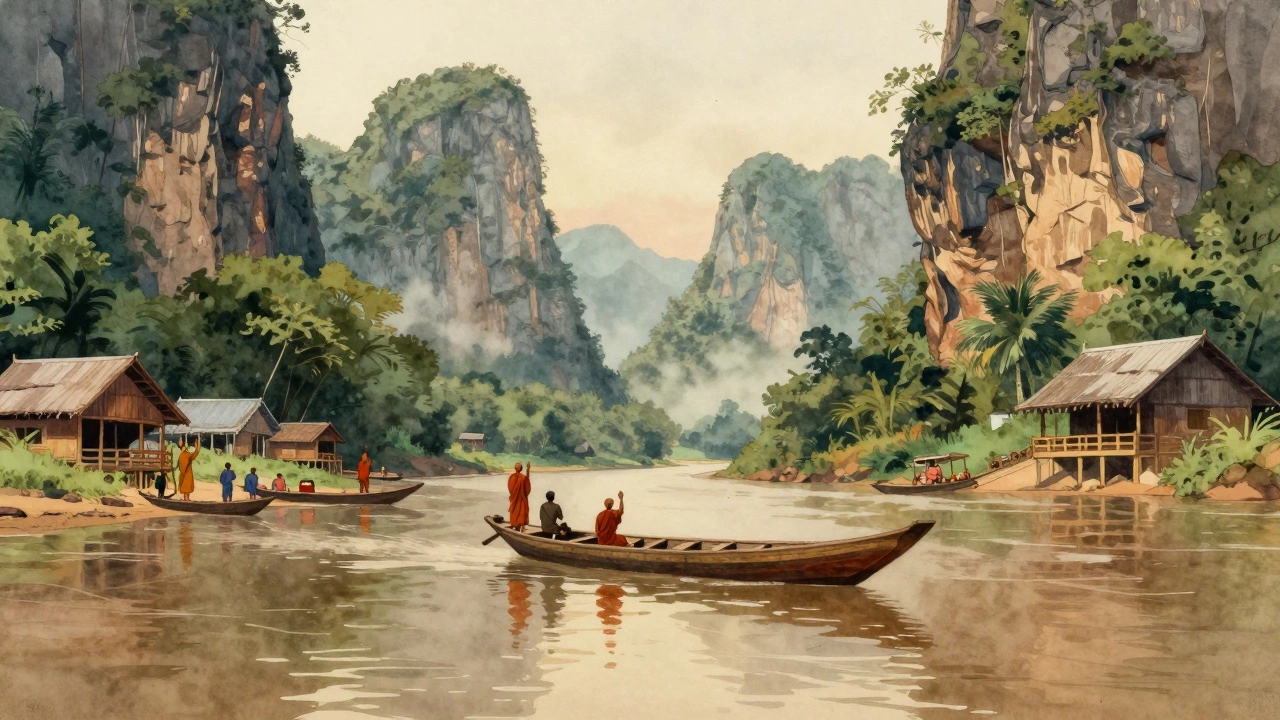
Not every adventure needs to be extreme. Sometimes, the most powerful one is the quietest. The Nam Ou River in northern Laos winds through jungle, limestone cliffs, and villages that haven’t changed in centuries. You travel by longboat, stopping at riverside hamlets where kids wave and elders offer sticky rice wrapped in banana leaves.
There’s no Wi-Fi. No maps. No set itinerary. You go where the current takes you. One day, you might help a family harvest rice. The next, you’ll sit on the bank while a monk chants prayers at a riverside temple. The rhythm is slow. The pace is yours.
What makes this adventure real isn’t the scenery-it’s the way it strips away your need to be productive. In a world that rewards speed, this trip forces you to sit still. And that’s harder than any mountain.
Greenland’s Ice Sheet: Walking on a Glacier That’s Vanishing
There’s a place on Earth where the ice is so thick, it’s been there for 125,000 years. Greenland’s ice sheet is shrinking fast-losing 270 billion tons of ice a year. But you can still walk on it. In late summer, guided expeditions take small groups onto the ice near Kangerlussuaq.
You strap on crampons and hike across a landscape that looks like a frozen ocean. Blue crevasses yawn beneath your feet. Meltwater rivers carve paths through the snow. You touch the ice. It’s colder than you imagine. And you realize: this isn’t just a glacier. It’s a living archive of Earth’s climate.
One guide told me, “You’ll never see this again. Not like this.” He wasn’t being dramatic. Scientists say the ice here could be gone in 50 years if emissions don’t drop. This isn’t just a trip. It’s a witness.
Thailand’s Northern Hills: Trekking With Hill Tribe Communities
North of Chiang Mai, the mountains rise steep and green. This is home to the Karen, Hmong, and Lahu people-communities that still live by traditions passed down for generations. A multi-day trek here doesn’t mean camping in the wild. It means staying in family-run homes, eating meals cooked over open fires, and learning how to make bamboo baskets or dye cloth with natural plants.
One night, I sat with a Karen elder who spoke no English. He poured me tea made from wild herbs and pointed to the stars. He didn’t say anything. But I understood: he was showing me his world. The next morning, his daughter walked me to the next village, carrying my pack. She didn’t charge me. She just smiled and said, “You’re our guest.”
This isn’t tourism. It’s connection. And it’s rare. Many of these villages are being pulled into the modern world. If you go now, you’re not just seeing a culture-you’re helping keep it alive.
So What’s the Best Adventure?
The best adventure isn’t the one that looks the coolest on Instagram. It’s the one that changes you. Maybe it’s the wind in Patagonia that teaches you humility. Or the silence on Kilimanjaro that makes you face your fears. Maybe it’s the slow river in Laos that reminds you to breathe.
Each of these trips demands something from you. Not money. Not fitness. Not gear. They ask for presence. For openness. For the willingness to be uncomfortable.
If you’re looking for the best adventure, stop searching for a destination. Start asking yourself: What do I need to feel alive? Then go find it.
Frequently Asked Questions
What’s the cheapest adventure you can do?
The cheapest meaningful adventure doesn’t require flying overseas. Hiking the Appalachian Trail for a week, camping in national parks, or biking through rural countryside can cost less than $500 and still change your perspective. It’s not about the price tag-it’s about the depth of the experience.
Do you need to be super fit for these adventures?
Not necessarily. You don’t need to be an athlete for most of these. Patagonia’s W Trek? You can do it at your own pace. Kilimanjaro? Slow and steady wins. The key is preparation-walking regularly for a few months, building endurance, and learning to carry a pack. Fitness helps, but grit matters more.
Is it safe to travel alone on these adventures?
Yes, if you plan smart. Solo travel works well on guided treks like Kilimanjaro or Greenland’s ice tours, where you’re with a group. For more remote trips like Laos’ Nam Ou River, book with a local operator who knows the area. Avoid going completely unguided into unfamiliar terrain. Trust your gut-if something feels off, it probably is.
When’s the best time to go on these adventures?
For Patagonia, go between November and March. For Kilimanjaro, January-February or September-October are best-dry and clear. Laos’ river is ideal from November to April when water levels are low and weather is mild. Greenland’s ice tours run June-August. Thailand’s hills are best November-February, avoiding monsoon season.
How do you choose between these adventures?
Ask yourself: Do you want to be challenged physically? Go for Kilimanjaro or Patagonia. Do you want to disconnect completely? Try Laos. Do you want to confront climate change firsthand? Greenland. Want to connect with people? Thailand. Pick the one that matches what you’re feeling inside-not what looks cool online.
What Comes Next?
If you’re thinking about one of these trips, start small. Don’t book a flight yet. Research one thing: a local guide or operator who’s been doing this for over 10 years. Read their reviews. Look for photos taken by past travelers-not stock images. Talk to someone who’s been. Ask them what they wish they’d known.
Then, pack light. Leave the fancy gear at home. Bring a good pair of shoes, a rain jacket, and an open mind. The rest? The adventure will provide.