
What Is the Most Adventurous Place in the World?
 Feb, 9 2026
When people ask what the most adventurous place in the world is, they’re not looking for a postcard. They want a place that tests your limits, changes your perspective, and leaves you breathless-not just from the view, but from the sheer rawness of it all. It’s not about luxury resorts or guided tours with bottled water. It’s about places where the map ends, the trail disappears, and you’re left with nothing but your grit and the elements.
Patagonia: Where the Wind Doesn’t Ask Permission
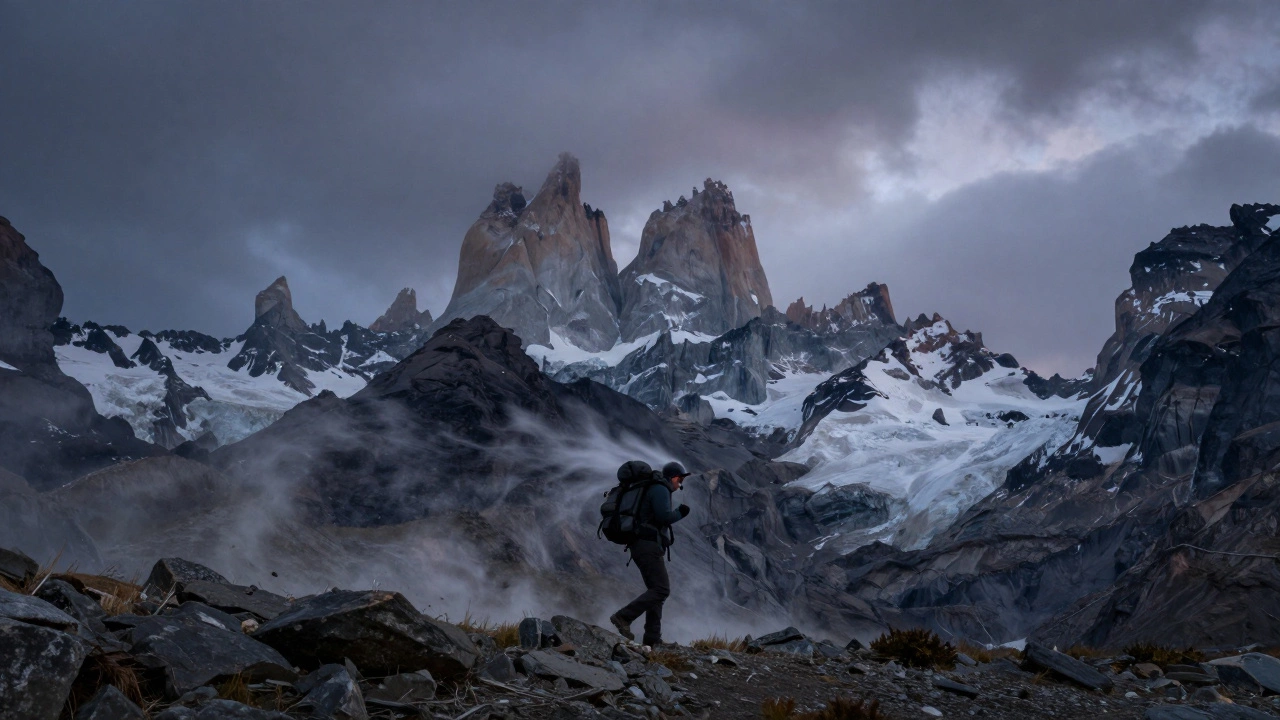
Patagonia, stretching across southern Chile and Argentina, isn’t just a destination-it’s a force. The wind here doesn’t blow; it howls. It rips through the Torres del Paine National Park like a living thing, bending trees, flipping tents, and making even seasoned hikers question their life choices. The granite spires of the Torres rise 2,500 meters straight out of glacial valleys, untouched by roads, crowds, or easy access. You hike for days with no cell service, carry your own food, and sleep under stars so bright they feel like they’re about to fall.
There’s no sign that says "Welcome to Adventure." There’s just the silence after a storm, the crunch of ice underfoot, and the moment you realize you’re one of maybe 50 people within a 100-kilometer radius. The W Trek takes five days. The Circuit takes eight. Most people turn back before the full loop. Those who finish? They don’t talk about it much. They just look different.
Nepal: The Mountains Don’t Care How Much You Paid
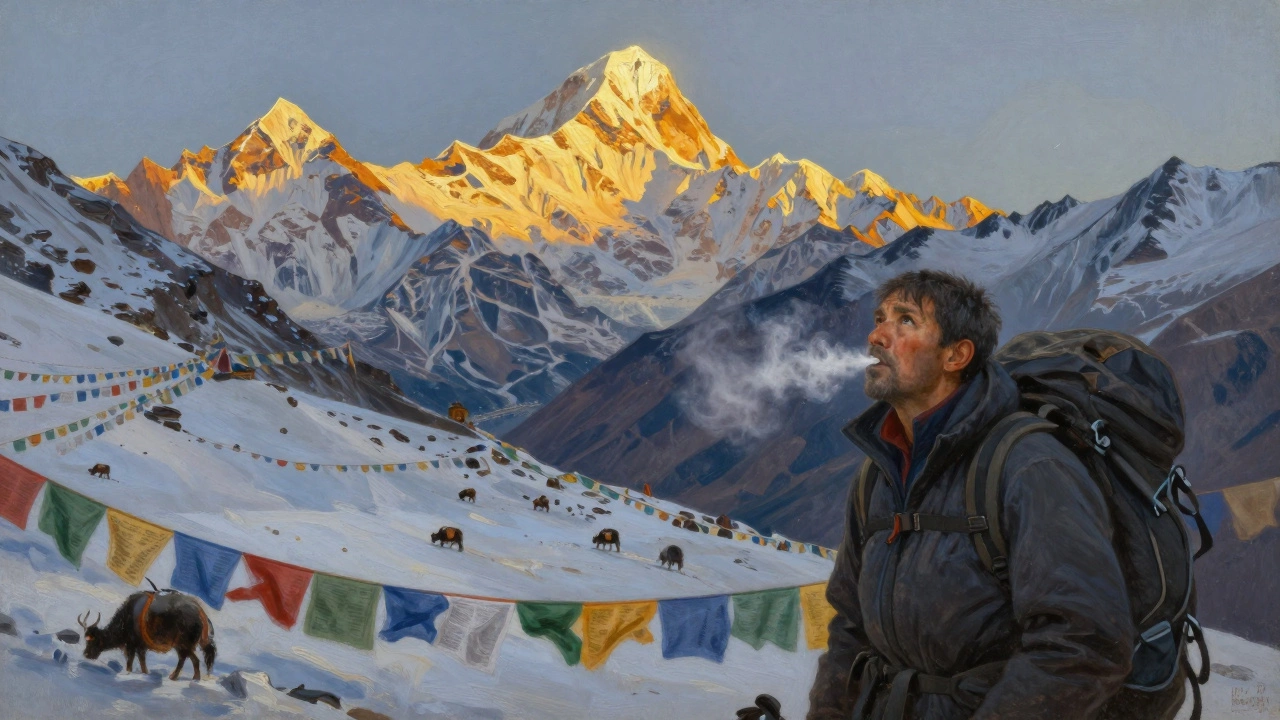
Nepal doesn’t sell adventure. It demands it. The Himalayas here aren’t scenery. They’re obstacles. The Annapurna Circuit? You cross the Thorong La Pass at 5,416 meters. At that altitude, your lungs feel like they’re filled with cotton. Your head pounds. Your legs turn to lead. And you’re doing it with a pack, no oxygen tanks, and a prayer.
Unlike Everest Base Camp, where crowds line the trail and teahouses serve hot chocolate with Wi-Fi, the Annapurna Circuit still feels wild. You pass villages where children wave with calloused hands, monks chant in stone monasteries, and yaks carry supplies up slopes so steep they look like they were carved by giants. You don’t summit anything. You just keep walking. And when you finally see the sunrise over Annapurna South, you don’t take a photo. You sit down. You cry. You don’t know why.
Papua New Guinea: The Last Uncharted Territory
Forget what you’ve seen in documentaries. Papua New Guinea isn’t filmed. It’s lived. This island nation has over 800 languages and more tribal groups than any other place on Earth. In the highlands, you trek for days through mist-covered valleys where tribes still practice traditional rituals, body painting, and ceremonial warfare that hasn’t changed in centuries.
The Kokoda Track, a 96-kilometer trail through jungle so thick you can’t see five meters ahead, is one of the toughest military hikes in history. Now, civilians walk it too. You cross rivers on rope bridges, sleep in bamboo huts, and carry your own supplies. There are no tourist signs. No first aid stations. Just you, your guide, and the weight of history beneath your boots.
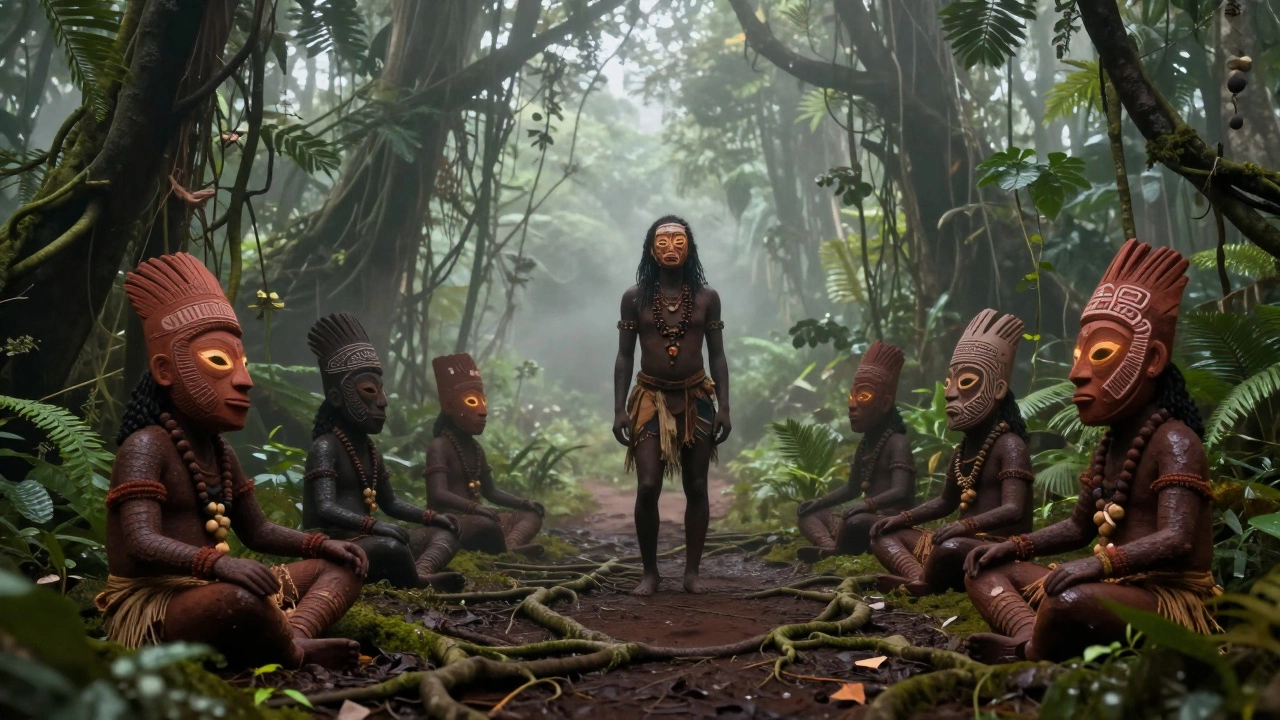
And then there’s the Asaro Mudmen. You don’t just watch them. You’re invited to sit with them. They don’t perform. They live. Their masks are made of clay from sacred rivers. Their dances tell stories older than colonial maps. To go here isn’t to visit. It’s to be changed.
Why These Places? Not Because They’re Beautiful
Many places are beautiful. Few are truly dangerous. The most adventurous places don’t have safety rails. They don’t offer refunds. They don’t care if you’re fit, rich, or experienced. They ask one question: Are you ready to be humbled?
Patagonia doesn’t reward you for your Instagram followers. Nepal doesn’t care if you’ve done ten marathons. Papua New Guinea won’t let you skip the climb because you’re tired. These places strip away everything that’s not essential. Your phone? Useless. Your brand-name gear? Doesn’t matter. What matters is how you react when the trail vanishes, the weather turns, and your body says "no."
Adventure isn’t about ticking boxes. It’s about discovering what you’re made of when there’s no one else around to help.
What Makes a Place "The Most Adventurous"?
It’s not about height, distance, or danger ratings. It’s about isolation, unpredictability, and cultural depth.
- Isolation: No Wi-Fi. No hotels. No rescue teams on standby.
- Unpredictability: Weather changes in minutes. Trails disappear. Guides can’t always predict what’s ahead.
- Cultural depth: You’re not just passing through-you’re stepping into a world that doesn’t exist for tourists.
Places like Patagonia, Nepal, and Papua New Guinea check all three. Most "adventure destinations" only check one. That’s why they’re not the same.
Who Should Go?
If you’ve done a weekend hike, taken a zip line tour, or followed a GPS trail on your phone-you’re not ready. Not yet.
This isn’t for people who want to "get away from it all." It’s for people who want to be remade by it all. You need:
- Physical endurance (you’ll carry 15+ kg for days)
- Mental resilience (you’ll face fear, loneliness, exhaustion)
- Respect for local cultures (no photos without permission, no assumptions)
- A tolerance for discomfort (no showers, no clean socks, no guarantees)
If you’re looking for a vacation, go to Bali. If you’re looking for a transformation, go where the map ends.
Final Thought: The Real Adventure Starts After You Return
People ask me what the most adventurous place is. I tell them Patagonia. Nepal. Papua New Guinea. But I don’t stop there.
The real adventure isn’t the trail. It’s what happens when you come home. You look at your life differently. You stop complaining about small things. You notice silence. You appreciate clean water. You don’t need to prove anything anymore.
That’s why these places aren’t just destinations. They’re turning points. And they’re waiting.
Is Patagonia the most dangerous place for adventurers?
Patagonia isn’t the most dangerous-it’s the most relentless. There are no bears, snakes, or violent terrain. But the wind, sudden storms, and remote trails make it unforgiving. Many get lost because they underestimate the weather. It’s not about risk-it’s about respect. You need to plan, pack for extremes, and never assume help is nearby.
Can I visit Papua New Guinea as a solo traveler?
Technically, yes-but it’s not recommended. The terrain is rugged, communication is limited, and cultural protocols vary by region. Most travelers go with local guides who know the routes, languages, and customs. Going solo increases risk significantly. If you’re serious, book through a reputable operator with deep local ties-not a generic tour company.
Do I need special permits for Nepal’s Annapurna Circuit?
Yes. You need two permits: the TIMS (Trekkers’ Information Management System) card and the ACAP (Annapurna Conservation Area Permit). Both cost under $50 total and are easy to get in Kathmandu or Pokhara. Don’t skip this. Rangers check them. No permit means no entry-and you’ll be turned back at checkpoints.
What’s the best time of year to go to these places?
Patagonia: November to March (summer in the Southern Hemisphere). Nepal: October to November (post-monsoon, clear skies). Papua New Guinea: May to October (dry season). Avoid monsoon, winter, or rainy seasons-conditions become deadly. Book early. Lodging and guides fill up fast.
Are these places safe for older adventurers?
Age isn’t the barrier-fitness is. People in their 60s and 70s have completed the Annapurna Circuit and parts of the Kokoda Track. But they train for months. They carry lighter packs. They go slower. They listen to their bodies. If you’re healthy, disciplined, and prepared, age doesn’t matter. If you’re not, no amount of experience will save you.