
What is the Most Expensive Month to Visit the UK? A Cost Breakdown
 Oct, 25 2026
UK Travel Cost Estimator
Select a month to see estimated relative costs for accommodation and flights compared to the annual average.
Estimated Cost Breakdown
Calculating...
Calculating...
Cost Legend
You’re staring at your calendar, trying to figure out when you can actually afford a trip to the United Kingdom. You’ve heard whispers that summer is pricey, but is July really worse than December? Or does the Christmas market magic in London come with a price tag that makes your eyes water?
Here’s the blunt truth: July is generally the most expensive month to visit the UK for the average traveler. This isn’t just anecdotal; it’s driven by school holidays, perfect weather, and global demand. But if you’re chasing specific events or luxury experiences, August can sometimes edge it out. The real question isn’t just "when is it expensive," but "why"-and more importantly, how you can dodge the worst of the bill without sacrificing the experience.
Why July Takes the Crown for Costs
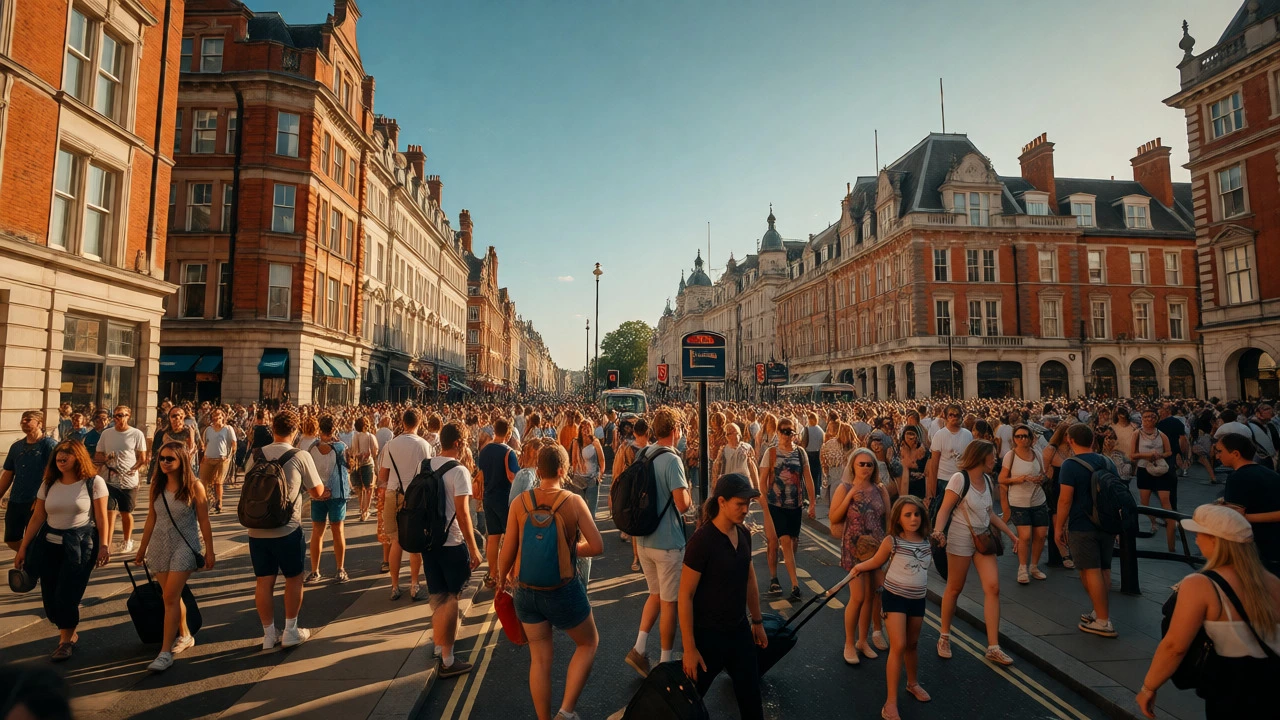
Think about why everyone wants to go somewhere in July. In the UK, this is prime time. The days are long (sunset after 9 PM in many places), the rain is statistically less likely, and schools are out. When supply meets this kind of massive demand, prices skyrocket. Accommodation rates in major hubs like London, Edinburgh, and Bath often double compared to shoulder seasons. If you’re booking a hotel room in central London for mid-July, you might be looking at £300-£500 per night for what would cost £150 in October.
It’s not just hotels. Flights from North America and Europe peak during this window. Airlines know that families are traveling together, so they pack planes full and raise fares. If you book a transatlantic flight for early July, expect to pay 40-60% more than you would for a late September departure. The compounding effect of high airfare plus premium lodging makes July the financial pain point for most visitors.
The Hidden Costs of Summer Travel
Beyond the obvious flight and hotel bills, there are sneaky expenses that inflate your budget in July. Popular attractions implement dynamic pricing or simply sell out, forcing you into pricier third-party ticket resellers. Imagine wanting to see the Tower of London or the British Museum’s special exhibitions. In July, you’re competing with thousands of others. If you miss the official booking window, you might end up paying a premium for guided tours that bundle entry fees with other add-ons you don’t need.
Dining also gets marked up. Restaurants near tourist hotspots know foot traffic is guaranteed, so they adjust their menus accordingly. A pint of beer in a pub near Covent Garden might cost £7-£8 in July, whereas the same pub in November might charge £5. It sounds small, but multiply that by three meals and drinks a day for a week-long trip, and you’re looking at hundreds of pounds extra just on food and drink.
Is August Ever More Expensive?
You might think August is worse because it’s still summer. For some regions, yes. The Scottish Highlands and coastal areas in Cornwall see their absolute peak in August due to local holiday schedules and international tourists flocking to beaches and hiking trails. If you’re planning a road trip through Scotland, August can be harder on your wallet than July because accommodation scarcity is extreme. Small B&Bs in places like Fort William or St Andrews might require two-night minimum stays at premium rates.
However, for city breaks, July usually remains the peak. Why? Because August sees a slight dip as European travelers return home for work, and North American families start heading back before the new school year. So while rural and coastal spots hit their ceiling in August, urban centers often start cooling off slightly in terms of price, though not necessarily in crowds.

The Christmas Exception: December’s Price Trap
Wait, didn’t we say July is the most expensive? What about Christmas? Here’s where it gets tricky. December is expensive, but it’s a different kind of expensive. You aren’t paying for sunshine; you’re paying for atmosphere. London’s winter markets, Edinburgh’s Hogmanay celebrations, and festive lights create a unique draw that commands high prices.
Accommodation in London around December 20th-26th can rival July rates. However, if you avoid the actual holiday weeks (Dec 24-26) and target early December, you can find deals that undercut summer prices significantly. The key is timing. Mid-December is cheaper than mid-July. Late December is comparable to July. So, if you want the festive vibe without the summer price shock, aim for the first two weeks of December.
Shoulder Seasons: Your Budget Lifeline
If July scares you, look at May and September. These are the sweet spots. The weather is often surprisingly good-May can be warmer than people expect, and September retains summer warmth without the humidity. Prices drop by 20-30% compared to peak months. You’ll get better availability for flights and hotels, meaning you can choose locations closer to city centers rather than settling for suburbs.
Consider this scenario: A week in London in July costs £2,500 for a couple (flights + hotel). The same itinerary in late September might cost £1,800. That £700 difference covers fancy dinners, theater tickets, or an extra day trip to Oxford. Plus, you’ll deal with shorter lines at attractions because the school holiday rush has ended.
| Month Category | Avg Hotel Rate/Night | Flight Demand | Crowd Level | Best For |
|---|---|---|---|---|
| Peak (July-August) | £250 - £450+ | Very High | Extreme | Families, Weather Seekers |
| Shoulder (May, Sept) | £150 - £250 | Moderate | High | Couples, Solo Travelers |
| Low (Jan-Feb, Nov) | £100 - £180 | Low | Low | Budget Travelers, City Breaks |
| Holiday Spike (Late Dec) | £200 - £400 | High | High | Festive Experience Seekers |

Regional Variations: Not All of the UK Is Priced the Same
London sets the baseline, but regional trends differ. The Lake District and Cornwall become incredibly expensive in August due to domestic tourism spikes. Brits themselves are on holiday then, driving up local demand. If you’re visiting these areas, book six months in advance for August, or shift to June or September.
Edinburgh has its own quirk: the Fringe Festival in August. During this time, accommodation prices triple. A standard £150 room becomes £450. If you’re not going for the festival, avoid Edinburgh in August entirely. Conversely, Cardiff and Belfast remain relatively affordable even in peak months, offering great value for city breaks outside the main tourist corridors.
How to Save Money Regardless of the Month
You can’t always control when you travel. Work schedules, family commitments, and school terms dictate dates. So how do you mitigate the July price hike?
- Book Early: For summer trips, lock in flights 4-6 months ahead. Last-minute deals rarely exist for peak summer.
- Stay Outside Zones 1-2: In London, staying in Zone 3 or 4 can save you £50-£100 per night. The Tube is fast; use it.
- Leverage Railcards: If you’re eligible, a Two Together Railcard saves 1/3 on train fares. This adds up quickly if you’re taking trips to Bristol, Manchester, or Brighton.
- Eat Like a Local: Avoid restaurants with photos of food on the menu. Walk two blocks away from major landmarks for authentic, cheaper meals.
Final Verdict: Timing Your Trip
So, is July the most expensive month to visit the UK? Yes, for the broad majority of travelers. It combines the highest demand for accommodation, flights, and activities. But "expensive" doesn't mean "bad." If you love energy, long evenings, and vibrant street life, the cost might be worth it. Just budget realistically.
If you’re flexible, shift your trip to May or September. You’ll keep 20-30% of your budget while enjoying similar weather and fewer crowds. And if you must travel in December, aim for early December to catch the festive spirit without the Christmas-week price surge. The UK is beautiful year-round; you just have to pick your battle with the calendar wisely.
Is August more expensive than July for UK travel?
Generally, no. July is typically the peak for international arrivals and overall demand. August can be equally expensive or higher in specific rural or coastal areas like Cornwall or the Scottish Highlands due to domestic holidaymakers, but for major cities like London, July usually holds the top spot for costs.
Which month is the cheapest to visit the UK?
January and February are typically the cheapest months, excluding the Chinese New Year period. November is also very affordable. You’ll face colder weather and shorter days, but accommodation and flight prices drop significantly, often by 30-50% compared to summer peaks.
Does the Edinburgh Fringe Festival affect prices in August?
Yes, massively. During the Edinburgh Fringe (August), accommodation prices in the city can triple. If you are visiting Edinburgh in August but not attending the Fringe, consider staying further out or choosing a different month, as the city becomes extremely crowded and expensive.
Are flights to the UK cheaper in the shoulder season?
Yes, flying in May, September, or early October can save you 20-40% on airfare compared to July and August. Airlines reduce capacity or lower prices to fill seats when leisure demand dips slightly after the peak summer rush.
Is Christmas time expensive in London?
Yes, especially between December 20th and January 2nd. Hotels and flights spike due to festive tourism. However, early December (before the 15th) offers a good balance of festive decorations and lower prices compared to the peak holiday week.