
What is the most touristy city in the UK? London vs. Edinburgh & Bath
 Jul, 27 2026
UK Tourist Crowd & Strategy Planner
London
The undisputed champion of volume.
Smart Travel Strategy
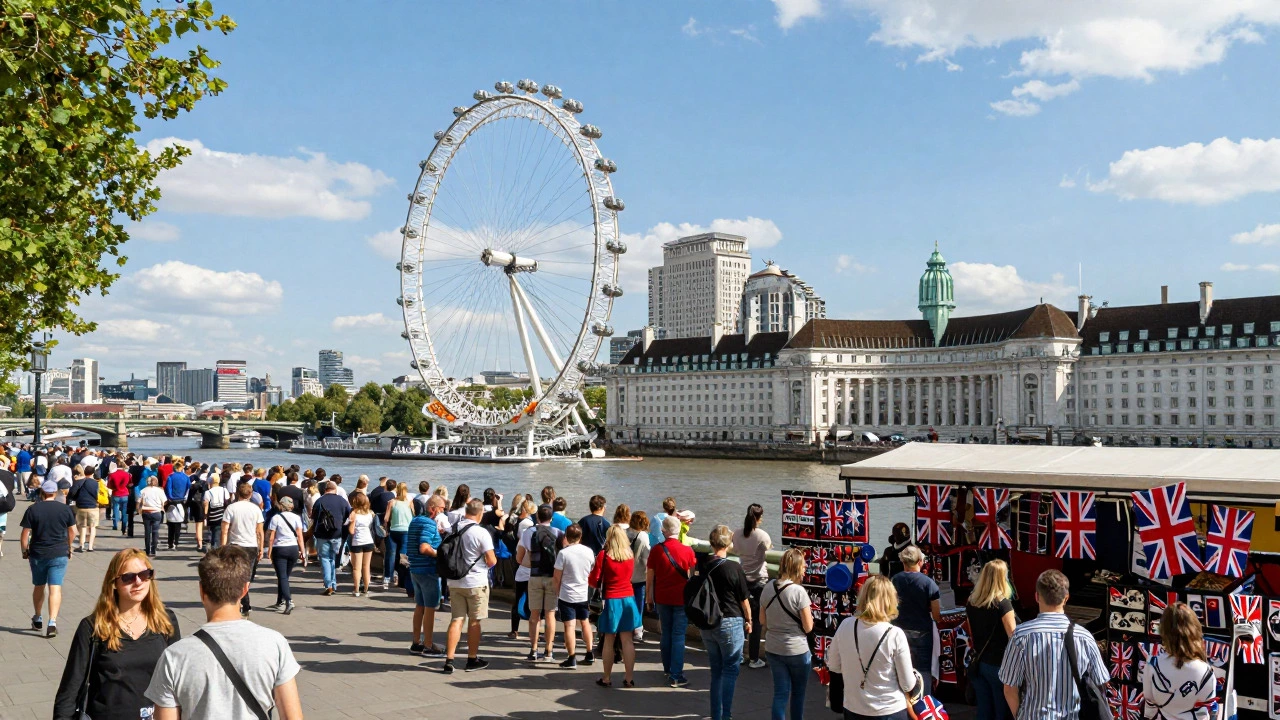
Walk down the South Bank on a sunny Tuesday in July, and you might feel like you’ve landed in Times Square rather than London. The queues for the London Eye stretch back for blocks. The souvenir shops sell the same plastic Union Jacks you can find in any airport duty-free from Tokyo to Toronto. If you are asking yourself what is the most touristy city in the UK, the answer usually screams your name before you even look at a map.
But here is the thing about "touristy." It’s not just about numbers. It’s about the vibe. It’s about how hard it is to find a table at a pub without speaking three languages, or how many selfie sticks are pointing at your head while you try to eat a fish and chips dinner. While London takes the crown for sheer volume, other cities like Edinburgh, Bath, and Oxford have their own unique flavors of being overwhelmed by visitors. Understanding this helps you plan better, avoid the worst crowds, and actually enjoy your trip instead of just surviving it.
The Undisputed Champion: London
If we are talking raw data, London is the capital of the United Kingdom and the world's most visited international city. In 2024, before the full effects of post-pandemic travel normalization settled, London welcomed over 19 million international overnight visitors. Add in domestic tourists-people from Manchester, Birmingham, or Glasgow coming up for the weekend-and that number explodes. By some estimates, total visitor spend hits £30 billion annually.
Why does London win this title so easily? It has everything. You have the historic heavy hitters like the Tower of London and Buckingham Palace. You have the cultural giants like the British Museum and the Tate Modern. Then you throw in West End musicals, Premier League football matches, and endless shopping districts from Oxford Street to Harrods. It is a magnet.
The downside? Congestion. The Tube (London Underground) during peak hours is an experience in itself. Finding accommodation near central zones means paying premium prices, often starting at £200+ per night for a basic double room in mid-season. But if you know where to go, you can escape the madness. Areas like Dalston, Peckham, or Hampstead offer a more local feel, with independent cafes and parks that don’t require a timed ticket entry.
The Historic Runner-Up: Edinburgh
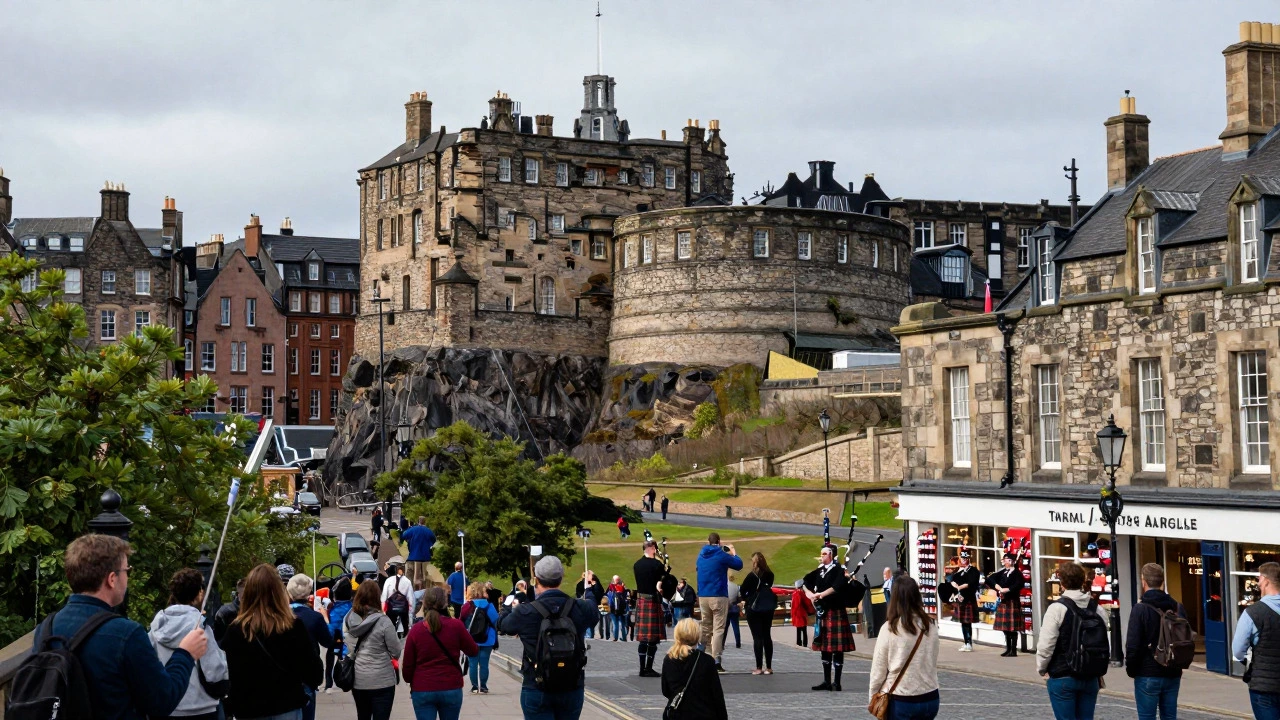
If London is the loud party, Edinburgh is Scotland's capital known for its medieval Old Town and Georgian New Town architecture. Edinburgh punches well above its weight when it comes to tourism density. The city center is compact, which means tourists get concentrated into very small areas. During the Edinburgh Festival Fringe in August, the population swells by hundreds of thousands. Hotels book out months in advance, and street performers outnumber locals on the Royal Mile.
Even outside of festival season, Edinburgh remains incredibly popular. The castle sits atop a volcanic rock, offering views that draw millions. The Royal Mile is essentially one long pedestrian zone packed with gift shops selling tartan kilts and bagpipes. It feels less like a living city and more like a theme park version of Scotland for many visitors.
However, Edinburgh has a charm that London lacks. The geography forces you to walk uphill, which naturally filters out some of the lazy crowd. Plus, the surrounding Highlands provide an easy escape if the city gets too intense. A day trip to Stirling or the Loch Lomond area can give you solitude within two hours of the city center.
The Compact Classics: Bath and Oxford
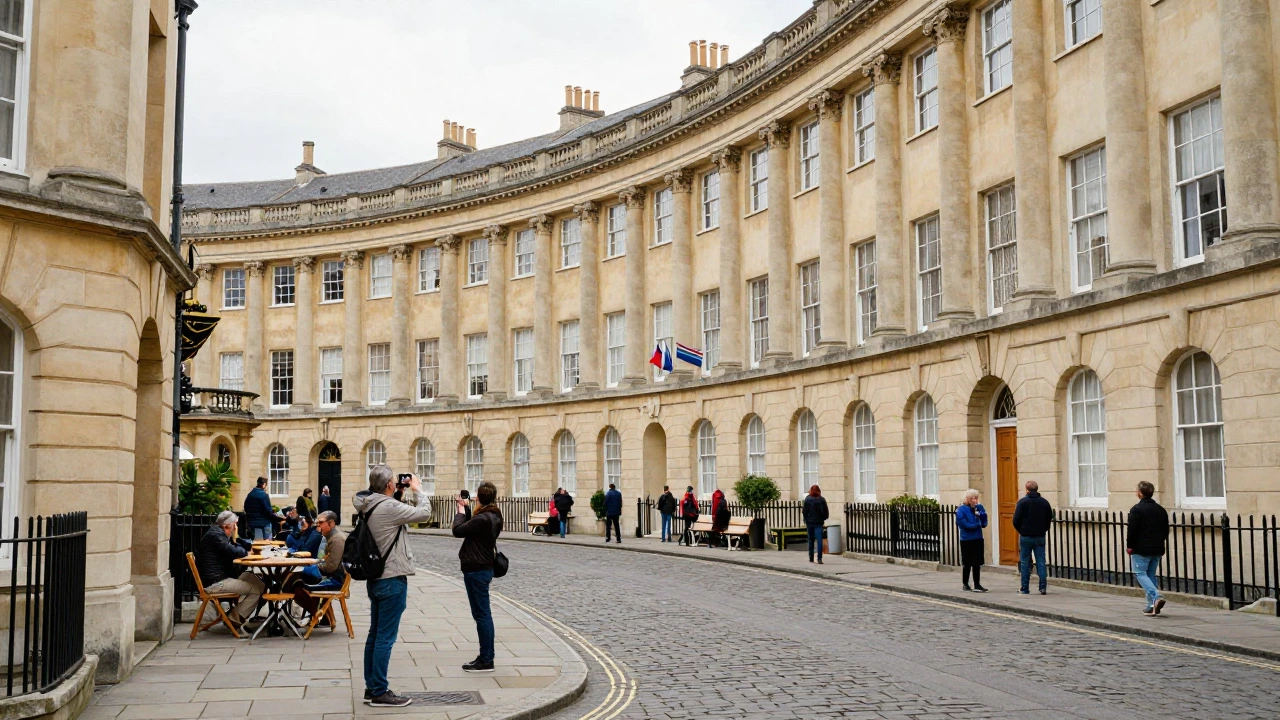
Sometimes, the most touristy places aren't the biggest. They are the ones where every single inch is designed for sightseeing. Take Bath is a UNESCO World Heritage site famous for its Roman baths and Georgian architecture. The entire city center is essentially a museum. The Roman Baths attract over 1 million visitors a year. The Abbey is right there. The Circus and the Royal Crescent are photo ops waiting to happen. Because the city is small, you cannot really "hide" from the tourist trail. Every cafe overlooks a landmark. Every street corner has someone taking a picture.
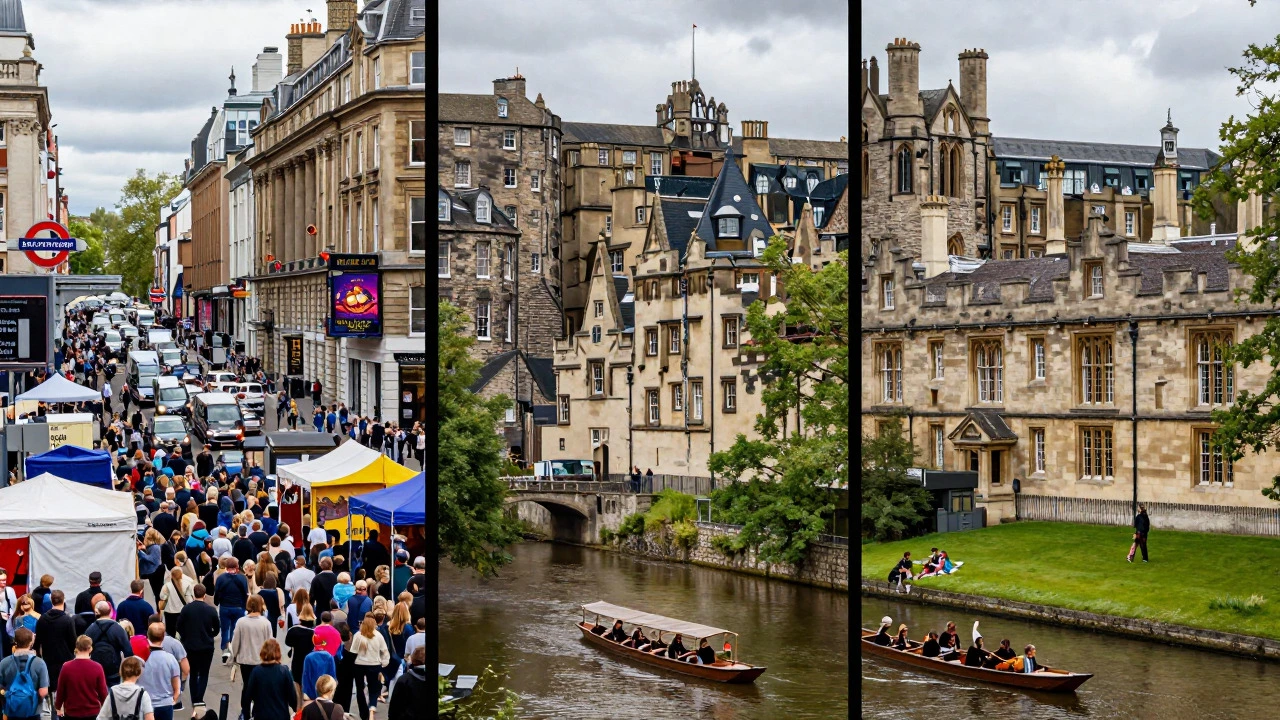
Oxford is a university city renowned for its historic colleges and academic heritage. operates similarly. Punting on the River Cherwell, visiting Christ Church College (where Harry Potter scenes were filmed), and wandering through Bodleian Library grounds are standard itineraries. The student population mixes with tourists, creating a vibrant but crowded atmosphere. Bookshops line every street, and the pressure to visit specific "Harry Potter" locations creates bottlenecks in narrow medieval lanes.
Comparison of Tourist Density
| City | Annual Visitors (Approx.) | Peak Season | Main Draw | Crowd Level |
|---|---|---|---|---|
| London | 19M+ International | June - September | Museums, Landmarks, Shows | Very High |
| Edinburgh | 5M+ | August (Fringe) | Castle, History, Festivals | High (Extreme in Aug) |
| Bath | 2.5M+ | May - September | Roman Baths, Architecture | Medium-High |
| Oxford | 2M+ | Summer Holidays | Universities, Colleges | Medium |
| Cambridge | 2M+ | Summer Holidays | Universities, Punting | Medium |
How to Navigate the Crowds
Knowing which cities are the most touristy doesn't mean you should avoid them. It means you need a strategy. Here is how seasoned travelers handle the heat.
- Book Ahead, Always: For major attractions like the Tower of London, Westminster Abbey, or the Roman Baths, buy tickets online weeks in advance. Walk-up tickets are often sold out or come with prohibitive wait times.
- Go Early or Late: Most tour buses arrive between 10 AM and 2 PM. Visit landmarks at opening time (usually 9 or 10 AM) or after 5 PM. The light is better for photos, and the crowds thin out significantly.
- Explore Side Streets: In London, step away from Oxford Street into Soho's side alleys. In Edinburgh, leave the Royal Mile and head up Calton Hill or explore Leith. In Bath, walk past the main drag to the Holburne Museum area.
- Use Public Transport Wisely: In London, use contactless payment or Oyster cards to avoid ticket queue hassles. In smaller cities like Bath, walking is often faster than dealing with parking nightmares.
- Consider Shoulder Seasons: May and October offer milder weather and fewer crowds compared to the peak summer months. You still get long daylight hours, but the hotel rates drop, and restaurants have tables available.
Hidden Gems: Less Touristy Alternatives
If the idea of fighting through crowds makes you break out in a sweat, consider these alternatives that offer similar vibes without the headache.
- York instead of Edinburgh: York has a magnificent cathedral, a well-preserved medieval wall, and Jorvik Viking Centre. It’s historic and charming but generally less chaotic than Edinburgh during non-festival times.
- Bristol instead of London: Bristol offers incredible street art, a vibrant music scene, and proximity to Glastonbury and the Avon Gorge. It feels edgier and more local-focused than London’s polished tourist traps.
- St Andrews instead of Bath: If you like history and architecture, St Andrews in Scotland offers ancient ruins, golf heritage, and coastal beauty with a fraction of the tourist traffic.
Final Thoughts on UK Tourism
So, what is the most touristy city in the UK? London takes the trophy by a mile. But the experience depends entirely on how you navigate it. A city isn't ruined by tourists; it's ruined by poor planning. By understanding where the crowds gather and when they disperse, you can turn a potentially stressful trip into a memorable adventure. Whether you are drawn to the grandeur of London, the mystery of Edinburgh, or the elegance of Bath, preparation is your best friend.
Is London always crowded?
London is busy year-round, but peak congestion occurs from June to September. Winter months (November to February) see fewer tourists, though Christmas markets bring crowds to specific areas like Covent Garden and Hyde Park.
Which UK city is least touristy?
Cities like Newcastle, Sheffield, and Leeds receive far fewer international tourists compared to London or Edinburgh. They offer authentic local culture, great food scenes, and easier access to nature without the massive tourist infrastructure.
When is the best time to visit Edinburgh?
If you want to avoid the extreme crowds of the Fringe Festival, visit in April, May, or September. The weather is mild, and hotels are more affordable. Avoid August unless you specifically want the festival experience.
Are UK museums free?
Many major museums in the UK, including the British Museum, National Gallery, and Tate Modern in London, are free to enter. However, special exhibitions may charge fees, and donations are appreciated.
How do I avoid pickpockets in touristy cities?
Keep valuables in front pockets or zipped bags. Be cautious on crowded public transport like the London Tube. Use hotel safes for passports and extra cash. Stay aware of your surroundings in high-traffic areas like Piccadilly Circus or the Royal Mile.