
What Is the Most Visited Place in the UK? Top Attractions Revealed
 Nov, 5 2026
UK Attractions Finder
Discover which UK attraction suits your travel style. Filter by your tolerance for crowds, budget preferences, and preferred location.
You might guess it’s the Tower of London or perhaps the bustling streets of Piccadilly Circus. But if you look at the raw data from recent years, the answer surprises a lot of people. The title of most visited place in the UK doesn’t always go to a single building. It often goes to an entire area or a free attraction that draws millions through sheer accessibility and cultural weight. Understanding this isn’t just trivia; it helps you plan smarter trips. If you’re tired of fighting crowds at overhyped spots, knowing where the real traffic flows lets you find your own quiet corners.
Let’s break down what actually counts as "visited" and why the numbers shift depending on who is counting. Are we talking about paid entry sites? Free museums? Or natural landscapes? This distinction matters because it changes your strategy for avoiding queues.
The Data Behind the Crowds
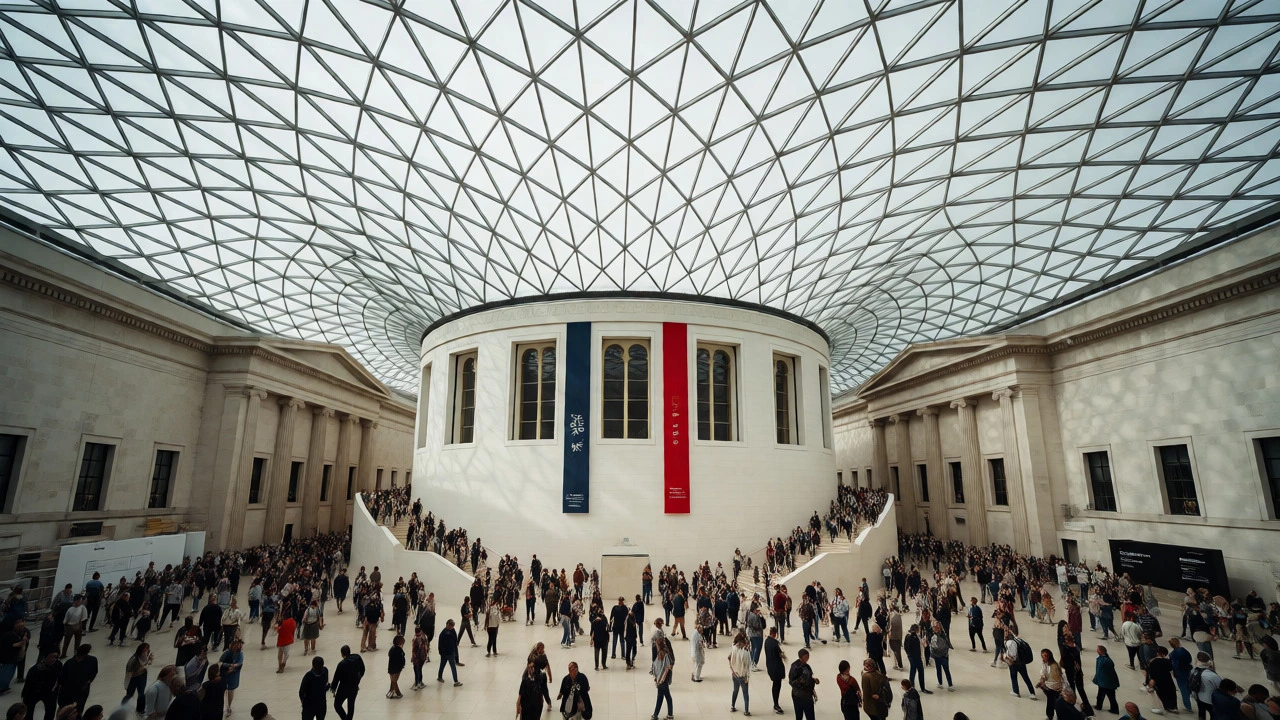
When experts talk about visitor numbers, they usually rely on data from organizations like VisitBritain or specific venue reports. For decades, one name has dominated the conversation: the British Museum in London. With approximately six million visitors annually, it consistently tops lists for ticketed or counted entries. But here’s the catch-it’s free. That changes the dynamic completely compared to a site like Alton Towers, which requires a ticket.
If we narrow it down to paid attractions, the landscape shifts. Places like the Eden Project in Cornwall or the Roman Baths in Bath often compete for top spots outside London. However, if you include open-access areas, London itself wins by default. Millions walk through Covent Garden or along the South Bank every day without ever buying a ticket. So, when someone asks what the most visited place is, they are usually asking about a specific landmark, not a whole city.
| Attraction Name | Type | Approx. Annual Visitors | Entry Cost |
|---|---|---|---|
| British Museum | Museum | 6 million+ | Free |
| Tower of London | Historic Castle | 3 million+ | Paid |
| Eden Project | Garden/Eco-attraction | 1.5 million+ | Paid |
| Alton Towers | Theme Park | 2 million+ | Paid |
| Natural History Museum | Museum | 5 million+ | Free |
Why London Dominates the Numbers
It’s no secret that London skews the data. The capital holds the highest concentration of major attractions in the country. When you combine the British Museum, the National Gallery, the Tate Modern, and the London Eye, you get tens of millions of visits in a small geographic radius. This density creates a feedback loop. Tourists come for one big thing, see others nearby, and add them to their itinerary. If you live elsewhere in the UK, visiting London feels like entering a different universe of crowd management.
But don’t let London scare you off. The key is timing. Most of these top spots have peak hours between 11 AM and 3 PM. Arrive at opening time or late afternoon, and you’ll feel like you have the place to yourself. The infrastructure in London supports this high volume with extensive public transport, but it also means you’re competing with tour groups. Always check if your hotel offers early access perks.

Beyond the Capital: Regional Heavyweights
Outside of London, the race for the most visited spot gets interesting. In Scotland, Edinburgh Castle is the undisputed king. It sits on an extinct volcano overlooking the city, offering views that are worth the climb alone. With around two million visitors a year, it’s busy, but it’s manageable if you book tickets online in advance. The castle isn’t just a ruin; it’s a well-preserved fortress with the Scottish Crown Jewels inside. That draw is powerful.
In Wales, St Davids claims the title of the smallest city in Europe. While its cathedral is stunning, the real draw for many is the coastal path and the rugged beauty of Pembrokeshire. These aren’t "counted" visitors in the same way museum-goers are, but the footfall on the national parks trails rivals any urban attraction. If you prefer nature over history, places like Snowdonia (now Eryri) see massive traffic, especially during summer weekends.
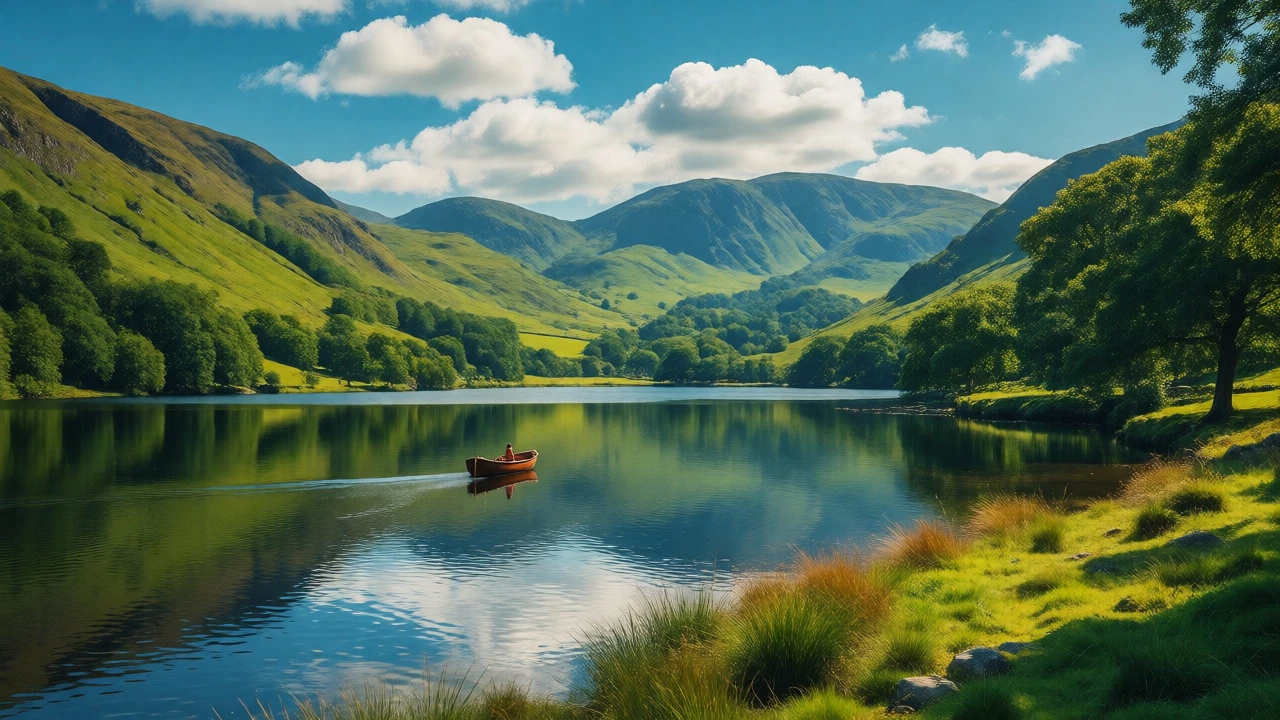
England’s regions have their own champions too. The Lake District National Park attracts over 15 million visitors annually. Yes, fifteen million. That makes it arguably the most visited "place" in the UK if you define a place as a region rather than a building. People drive there for hiking, boating, and Beatrix Potter connections. The challenge here isn’t getting in; it’s finding parking. Plan for shuttles or pre-booked spaces.
The Rise of Experience-Based Tourism
Modern travelers are changing what counts as a visit. We’re moving away from passive sightseeing toward active experiences. This explains why theme parks like Alton Towers remain so popular despite being expensive. Families want engagement, not just observation. Similarly, immersive exhibitions at venues like the Natural History Museum draw huge crowds because they offer Instagram-worthy moments and interactive learning.
This shift affects how you should plan your staycation. If you’re looking for the "most visited" vibe, you need to decide if you want the energy of a crowd or the solitude of a hidden gem. High visitor numbers can signal quality, but they also signal wait times. Sometimes, the second-most visited place offers 90% of the experience with 10% of the hassle. Consider alternatives like the V&A Museum instead of the British Museum if you love design, or the York Minster instead of Westminster Abbey for Gothic architecture without the London price tag.
How to Beat the Crowds at Popular Spots
You don’t have to avoid the most visited places entirely. You just need to be strategic. Here are three tactics that work:
- Off-Peak Travel: Visit in January or February. Many attractions close for maintenance in winter, but those that stay open are eerily quiet. The weather is grayer, but the experience is richer.
- Shoulder Seasons: Late September and October offer mild weather and fewer school holidays. The autumn colors in places like Kew Gardens make it worth the trip.
- Local Passes: If you’re staying in one area, buy a city pass. It often includes skip-the-line access. At the Tower of London, this saves hours. Check if your accommodation provides discounted entry codes.
Also, consider the time of day. Museums are quietest right after opening or an hour before closing. Theme parks are emptiest on weekdays during term time. Don’t assume Saturday is best for everything; sometimes Monday is better because tourists fly out on Sunday.
What This Means for Your Next Trip
Knowing the most visited places helps you calibrate expectations. If you go to the British Museum expecting silence, you’ll be disappointed. Go expecting buzz, international chatter, and the thrill of seeing world-class artifacts alongside thousands of others. Embrace the energy. Conversely, if you seek peace, head to the Cotswolds villages or the Cairngorms. They won’t top the visitor charts, but they will top your relaxation list.
Ultimately, the "best" place isn’t the busiest one. It’s the one that fits your travel style. Use the popularity data as a map of what’s available, then choose your route based on whether you thrive in crowds or flee from them. The UK is diverse enough to offer both extremes within a few hours’ drive.
Is the British Museum really the most visited attraction?
Yes, among ticketed or specifically counted tourist attractions, the British Museum consistently ranks first with around six million annual visitors. However, if you count open-access areas like central London streets or national parks, the numbers are much higher and harder to track precisely.
Which paid attraction has the most visitors in the UK?
The Tower of London is typically the most visited paid attraction, drawing over three million visitors each year. Other strong contenders include Alton Towers and the Eden Project, depending on the year and new exhibits.
Are UK museums free to enter?
Many major national museums, including the British Museum, the Natural History Museum, and the National Gallery, are free to enter. Special exhibitions often require a separate ticket. Regional museums may charge a small fee.
What is the most visited place outside London?
This varies by category. For historic buildings, Edinburgh Castle leads. For natural areas, the Lake District National Park receives the highest footfall. For theme parks, Alton Towers in Staffordshire is a top contender.
Do visitor numbers affect ticket prices?
Not directly, but high demand allows operators to implement dynamic pricing. Peak dates often cost more. Booking in advance almost always secures a lower rate than buying on the day at popular sites.