
What Is the Nicest Month in Florida for Beach Holidays?
 Mar, 19 2026
Florida Beach Weather Score Calculator
How Do Your Preferences Match Florida's Beach Months?
Select what matters most to you and see which month offers the best beach experience.
How It Works
We calculate a score for each month based on your preferences. Higher scores mean better match for your needs.
10 = Perfect match 8 = Great 6 = Good 4 = Needs compromise 2 = Not recommended
Your Best Match
How Other Months Compare
Florida isn’t just a state-it’s a weather paradox. One day you’re shivering in a hoodie, the next you’re in flip-flops and sunglasses, soaking up sun on a white-sand beach. So when’s the *real* best time to go? If you’re asking about the nicest month in Florida for beach holidays, the answer isn’t complicated: March. But here’s why that’s true, and why you might want to think twice.
Why March Wins
March is the sweet spot. Temperatures hover between 68°F and 78°F, the humidity hasn’t kicked in yet, and the ocean is still warm from winter sun-usually around 70°F, which feels perfect for swimming. You won’t be sweating through your swimsuit by noon, and you won’t need a wetsuit to step into the water. The crowds? Still thin. Spring breakers show up late March, but early March is quiet. You’ll find empty stretches of Clearwater Beach, calm waters in Destin, and no line at the ice cream truck on Siesta Key.Rainfall? Barely. March averages less than 2.5 inches across the state. Compare that to July, where you’ll get nearly 7 inches in a single month. And don’t forget bugs. No mosquitoes yet. No gnats swarming your face. You can walk barefoot on the sand without checking your legs for bites.
Even the sun is kinder. In March, the UV index is moderate. You still need sunscreen, sure-but you’re not getting scorched by noon. By May, the sun’s angle is brutal, and the heat builds fast. By August? You’re choosing between air-conditioned malls and the beach.
What About April?
April is close. Warmer, yes. But it’s also the start of the tourist rush. Prices jump. Hotels fill up. The water gets a little murkier from runoff, and the humidity starts creeping in. You’ll still have great days, but the magic of March is slipping away. April feels like the beginning of summer. March feels like summer’s quiet cousin who shows up just long enough to remind you why you love it.Why Not Winter?
December and January? Great if you hate heat. The air is crisp, the beaches are empty, and you can find deals everywhere. But here’s the catch: the ocean is cold. Around 60°F in the Panhandle, 68°F down in Miami. Most people won’t swim. You’ll see locals walking the shore, but tourists? They’re lounging poolside, not diving into the waves. And the sun sets early. By 6 p.m., it’s dark. That’s not beach weather-that’s winter vacation with a view.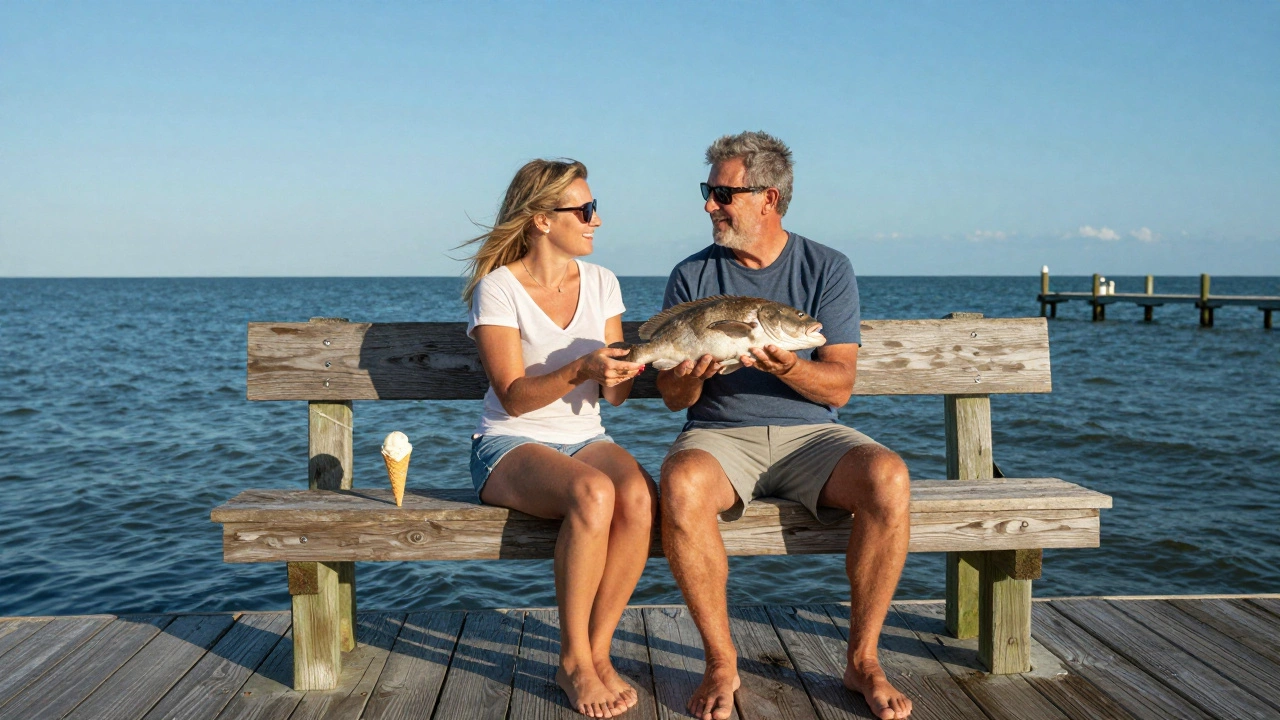
What About Summer?
June through August? Don’t. Not if you care about comfort. Florida summers are humid, heavy, and wet. The heat index regularly hits 105°F. Rain comes in sudden, violent bursts-sometimes twice a day. Thunderstorms roll in without warning. The ocean? Warmer, yes-85°F-but it’s also full of jellyfish and red tide blooms. You’ll spend half your time under a cabana, waiting for the storm to pass. And don’t forget: hurricanes. Not every year, but enough to make you check the forecast every morning.What About Fall?
September and October? Tempting. The crowds thin, prices drop, and the ocean is still warm. But here’s the truth: hurricane season peaks in September. Even if you dodge a direct hit, you’ll get heavy rain, rough surf, and canceled plans. October is better, but the humidity lingers. You’ll still be sweating through your shirt at 7 a.m. And the bugs? Back in full force.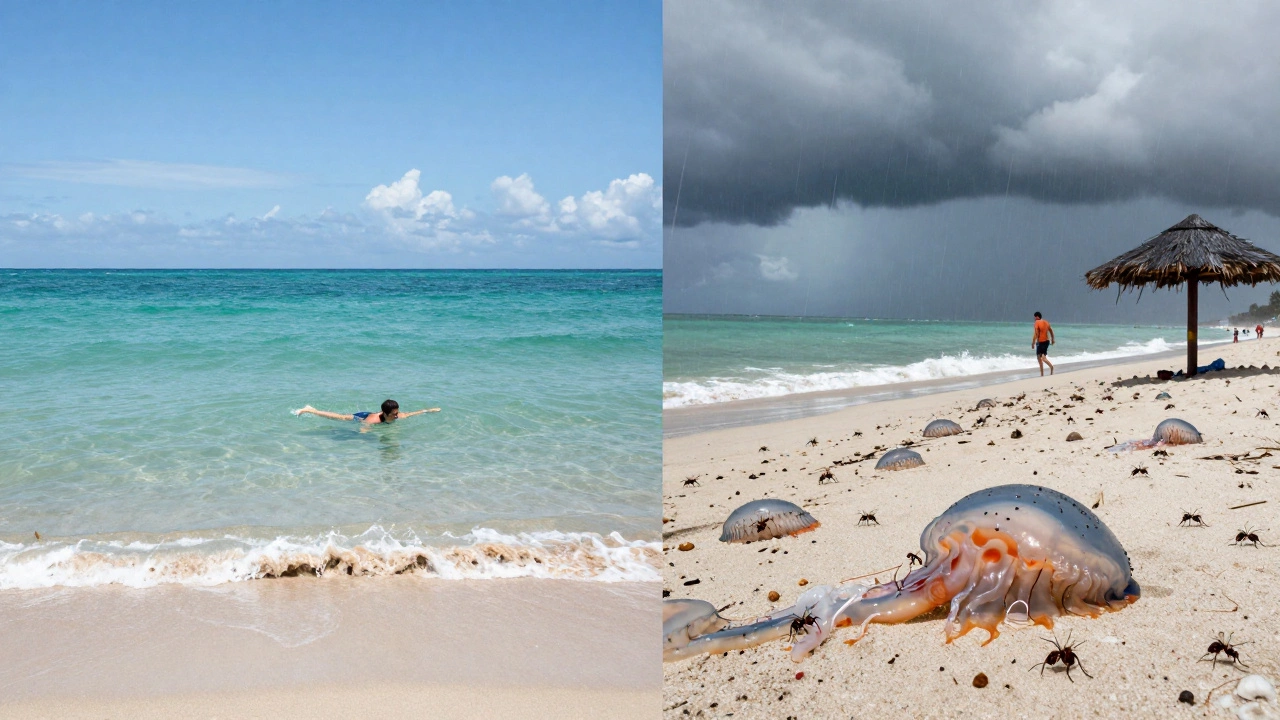
Real People, Real Experiences
I talked to a couple from Ohio who come every year. They’ve been to Florida for 12 years straight. Their rule? Always arrive the first week of March. "We used to go in April," she told me. "But last year, we got soaked on the third day. This year? We had eight straight sunny days. Swam every afternoon. Ate fresh grouper on the pier. Didn’t see a single umbrella in the sand."Another family from Michigan said they tried November. "We thought it’d be nice," he said. "Turns out, it was just cold. We spent three days in the hotel because the wind off the Gulf was brutal. We didn’t even get in the water."
What If You Can’t Go in March?
If March doesn’t work for you, here’s your backup plan:- Early April: Still good. Book early. Watch the weather.
- Late October: Riskier, but cheaper. Only go if you’re flexible and okay with rain.
- November: Only if you don’t care about swimming. Great for walking, biking, and quiet beaches.
Anything after mid-April? You’re trading comfort for sun. Anything before late February? You’re trading sun for cold water.
The Bottom Line
March isn’t just the nicest month-it’s the only month where Florida delivers everything: warm sand, warm water, low humidity, no bugs, minimal rain, and no crowds. It’s not the cheapest. It’s not the hottest. But it’s the most balanced. You don’t have to choose between comfort and sunshine. You get both.If you’re planning a beach holiday in Florida, aim for March. If you miss it, April is okay. Everything else? You’re just surviving the weather.
Is March the cheapest time to visit Florida?
No, March isn’t the cheapest-it’s actually one of the more expensive months because of demand. The best deals are in late fall (October-November) or early spring (February). But if you’re looking for the best value, March wins because you get perfect weather without paying peak-season prices. You’re trading a little extra cost for zero hassle.
Can you swim comfortably in Florida in February?
In South Florida-Miami, Fort Lauderdale-you might manage a quick dip if you’re tough. The water averages 70°F. But anywhere north of Tampa, the ocean is below 65°F. Most people find that too cold for more than a splash. It’s not beach weather-it’s walking-on-the-sand weather.
What’s the worst month to visit Florida for the beach?
August. It’s hot, humid, and wet. You’ll get thunderstorms every afternoon. The water’s warm, but red tide and jellyfish are common. Mosquitoes are everywhere. And hurricane season is in full swing. If you want to avoid discomfort, skip August entirely.
Do I need a rental car in Florida in March?
Yes, especially if you want to explore beyond the main beach towns. Public transit is limited outside cities like Miami or Orlando. A rental gives you freedom to find quiet beaches, local seafood shacks, and hidden state parks. Plus, parking is easy in March-no need to circle for an hour like you would in July.
Is Florida crowded in March?
It depends. Early March? Quiet. Mid-March? Spring breakers start showing up, especially in Panama City Beach and Fort Lauderdale. If you want peace, aim for the first two weeks. If you don’t mind a bit of energy, late March is fine-just book everything early.