
What is the Prettiest Part of England? Top Scenic Destinations for Your UK Staycation
 Jul, 2 2026
Find Your Perfect English Destination
Ask ten people what the prettiest part of England is, and you’ll likely get ten different answers. Some will swear by the jagged cliffs of Cornwall, while others will point to the honey-colored stone villages of the Cotswolds. There is no single objective winner because beauty here is subjective. It depends on whether you crave wild, windswept drama or quiet, pastoral charm.
However, if we look at visitor numbers, landscape awards, and sheer visual impact, a few regions consistently rise to the top. These aren’t just postcard backgrounds; they are places with distinct personalities, history, and ways of life. For anyone planning a UK staycation in 2026, knowing which region matches your travel style is key. Let’s break down the contenders for the title of England’s most beautiful place.
The Dramatic North: The Lake District National Park
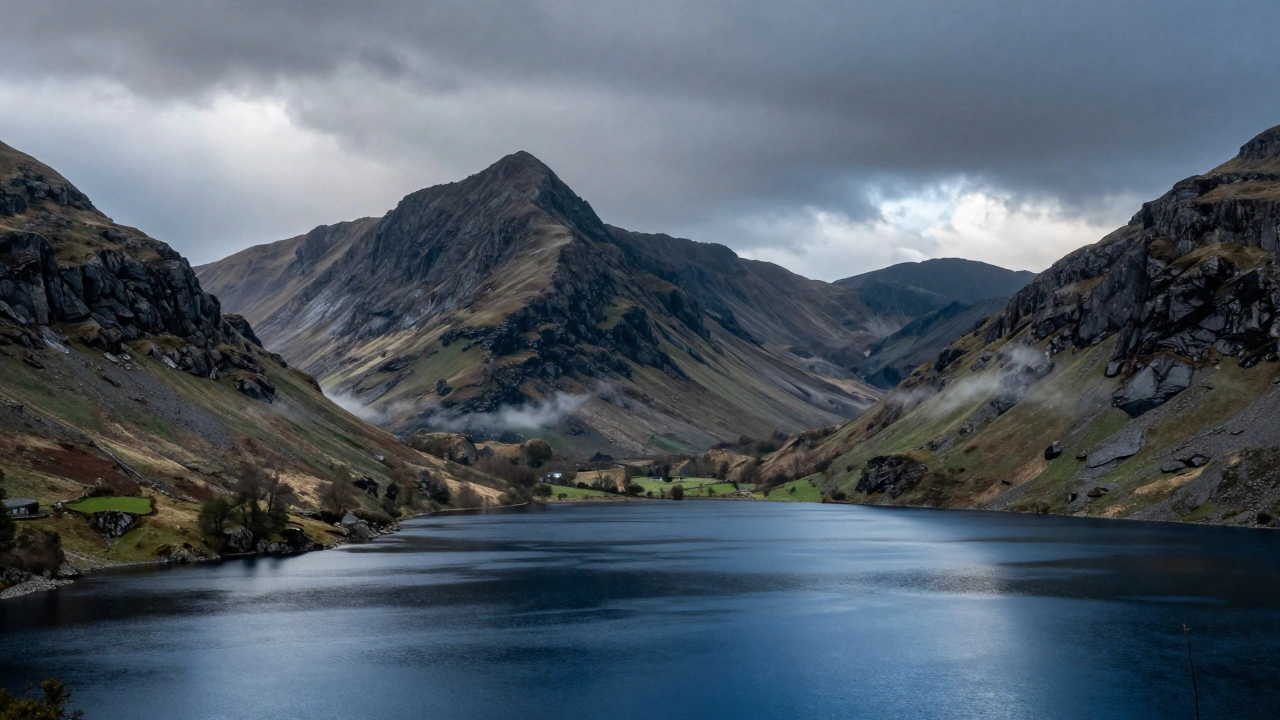
If you want mountains, deep lakes, and moody skies, the Lake District is a mountainous region in Cumbria known for its rugged landscapes and literary heritage is hard to beat. Located in northwest England, this national park was the first of its kind in the country, established in 1951. It covers over 2,292 square kilometers of fells (mountains), valleys, and thirteen major lakes.
The beauty here is raw and imposing. Scafell Pike, the highest peak in England, dominates the skyline. Below it, lakes like Windermere and Derwentwater reflect the changing light with startling clarity. This isn’t gentle scenery; it’s dramatic. The weather shifts rapidly, creating misty mornings that burn off into brilliant sunsets. For hikers, it’s a paradise. The Westmorland Coast Path and the many fell walks offer challenges for all levels.
But the Lake District isn’t just about hiking. It has a deep cultural layer. William Wordsworth and Beatrix Potter both lived here, drawing inspiration from the landscape. You can visit their homes, now museums, to understand how the environment shaped their work. In summer, the area gets crowded, especially around Bowness-on-Windermere. If you prefer solitude, head to the northern fells or the eastern edges near Penrith, where the crowds thin out significantly.
- Best for: Hikers, nature lovers, and those who enjoy dramatic, mountainous terrain.
- Key sights: Scafell Pike, Lake Windermere, Beatrix Potter’s Hill Top.
- Tip: Book accommodation early. July and August are peak seasons, and prices spike.
The Quintessential Village: The Cotswolds
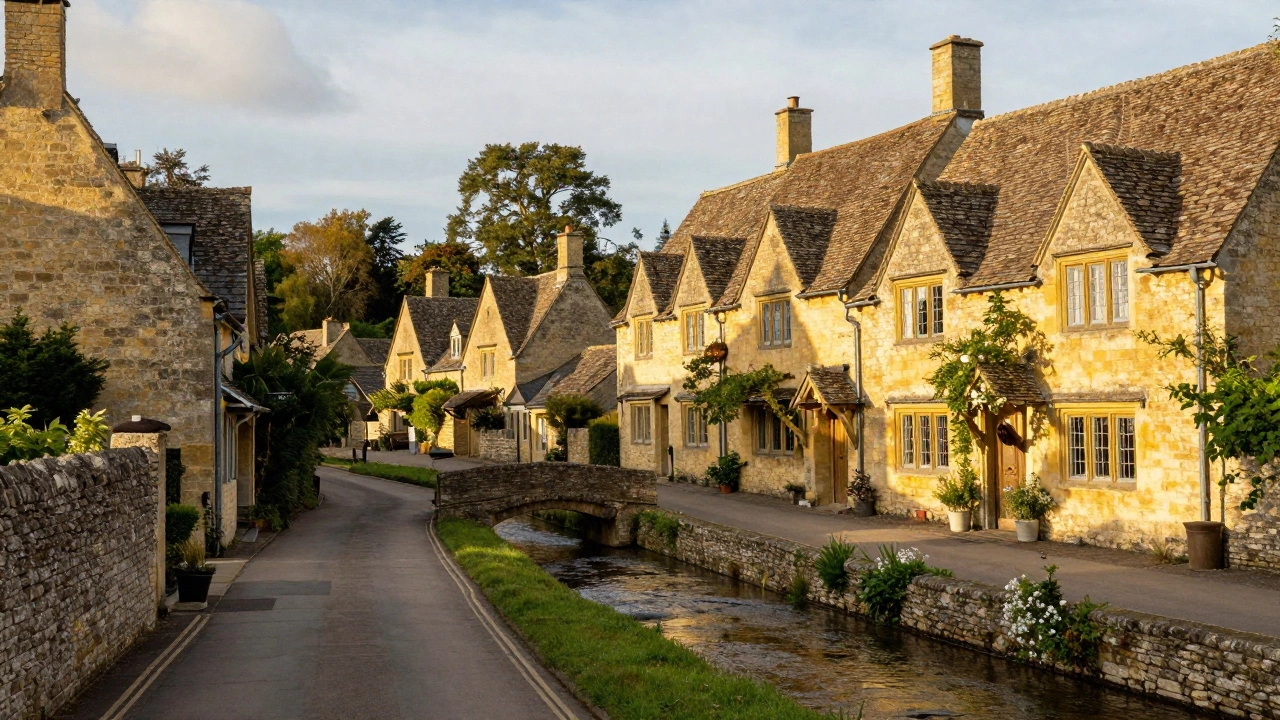
Move south and east, and the landscape softens. The Cotswolds is an area of rolling hills and picturesque villages in southwest England, famous for its honey-colored limestone buildings offers a completely different kind of beauty. This is the England of storybooks. The defining feature is the local stone, a warm, golden limestone that turns entire villages into shades of amber and cream. Bath, Cheltenham, and Stroud form the urban anchors, but the magic lies in the small settlements between them.
Villages like Bourton-on-the-Water, Castle Combe, and Bibury feel frozen in time. Narrow lanes wind past dry-stone walls and thatched cottages. The River Windrush flows gently through Bourton, crossed by low stone bridges that create perfect photo opportunities. This area is less about physical exertion and more about leisurely exploration. You can spend an afternoon wandering through antique shops in Stow-on-the-Wold or enjoying a pint in a historic pub in Broadway.
The appeal of the Cotswolds is its accessibility. It’s within driving distance of London and Birmingham, making it a popular weekend escape. However, this popularity brings traffic. On sunny weekends, the narrow roads can become bottlenecks. To avoid frustration, consider using local bus services or cycling. The Cotswold Way, a 102-mile long-distance footpath, offers a quieter way to see the countryside without dealing with cars.
| Feature | Lake District | Cotswolds |
|---|---|---|
| Landscape Type | Mountains, Lakes, Moors | Rolling Hills, Villages, Valleys |
| Primary Activity | Hiking, Boating | Cycling, Sightseeing, Shopping |
| Architecture | Rustic Stone, Slate Roofs | Honey-Colored Limestone, Thatch |
| Crowd Level | High in Summer | Very High on Weekends |
The Wild South West: The Cornish Coast
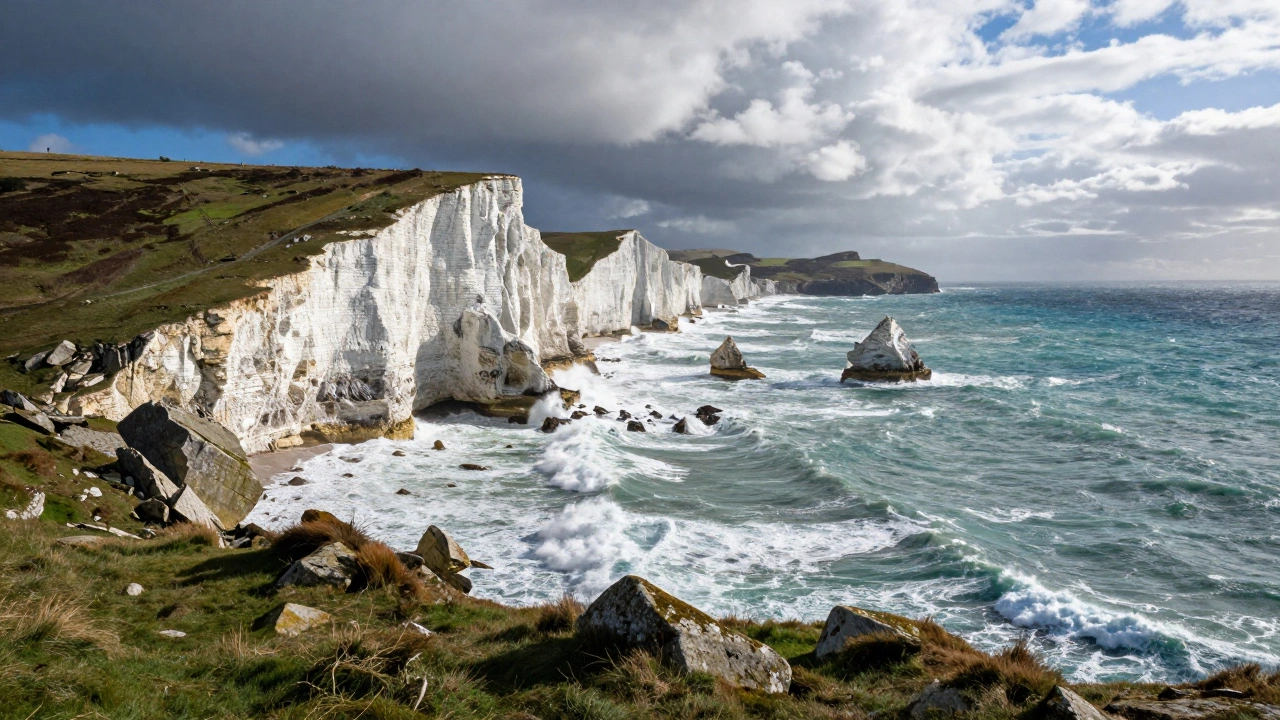
For those who prefer salt spray to fresh water, Cornwall is a peninsula in southwest England known for its rugged coastline, sandy beaches, and maritime history takes the crown. The Cornish Coast Path stretches over 630 miles, winding along cliffs that drop sharply into the Atlantic Ocean. Land’s End, the westernmost point of mainland Britain, marks one end of this dramatic journey. Here, the landscape is shaped by wind and wave, creating caves, stacks, and hidden coves.
The beaches in Cornwall are world-class. Perranporth offers wide sands and powerful waves, ideal for surfing. Polzeath and Fistral Beach provide family-friendly options with calmer waters. Beyond the beach, the interior features tin mining ruins and lush gardens like Trelissick and Trebah. The contrast between the harsh coast and the green interior is striking.
Cornwall has a strong sense of identity, often feeling more distinct from the rest of England than other regions. The local dialect, cuisine (think pasties and crab), and traditions add depth to the visual appeal. In 2026, sustainability is a growing focus, with many businesses adopting eco-friendly practices. Visitors are encouraged to respect the fragile coastal ecosystems and support local enterprises.
- Best for: Beach lovers, surfers, and those seeking a mix of relaxation and adventure.
- Key sights: Land’s End, Eden Project, St Michael’s Mount.
- Tip: Rent a car. Public transport exists but is limited in rural areas.
The Historic Heart: York and the Yorkshire Dales
Heading north again, but further inland, we find Yorkshire Dales is a national park in northern England characterized by limestone dales, dry stone walls, and historic market towns. While the city of York itself is stunning with its medieval Shambles street and massive cathedral, the surrounding Dales offer a quieter, more rustic beauty. The landscape is defined by steep-sided valleys carved by rivers over millennia.
The architecture here is distinctive: black-and-white timber-framed houses and robust stone barns. Towns like Grassington and Hawes serve as gateways to the trails. Hardraw Force, one of the tallest waterfalls in England, plunges down a cliff face in a display of natural power. The Dales are also famous for their cheese, particularly Wensleydale and Swaledale, which you can sample at local dairies.
This region appeals to those who appreciate history intertwined with nature. Roman roads crisscross the landscape, and ancient barrows dot the hillsides. The pace of life is slower here. It’s a place to disconnect, walk long distances, and enjoy simple pleasures like a hearty meal in a village pub. The weather can be cooler than in the south, so packing layers is essential even in summer.
The Hidden Gem: The Peak District
Often overlooked in favor of the Lake District or Cotswolds, the Peak District is England’s first national park, located in the Midlands, featuring a mix of gritstone moorlands and limestone dales deserves serious consideration. Divided into Dark Peaks (gritstone) and White Peaks (limestone), it offers two distinct landscapes in one park. Bakewell, a charming town with a famous tart, sits at the gateway to the White Peaks.
The Peak District is incredibly accessible from major cities like Manchester and Sheffield. This proximity means it’s busy, but the vastness of the park allows you to find quiet spots easily. Castleton, nestled in a valley, features underground caves and the Mam Tor hill, known as the “Shivering Mountain” due to landslides. The variety here is its strength: you can hike up Kinder Scout in the morning and explore a Victorian mill in the afternoon.
For budget-conscious travelers, the Peak District offers good value. Accommodation ranges from hostels to luxury hotels, and food options are plentiful. The region is also a hub for outdoor activities beyond hiking, including rock climbing and mountain biking. If you’re looking for a balance between convenience and scenic beauty, this is a strong contender.
How to Choose Your Destination
Selecting the prettiest part of England depends on what you value most. Do you want active adventures or relaxed strolls? Are you drawn to water or stone? Here’s a quick guide to help you decide:
- Identify your primary interest: If it’s hiking, choose the Lake District or Yorkshire Dales. If it’s culture and villages, pick the Cotswolds. For beaches, go to Cornwall.
- Consider travel logistics: How far are you willing to drive? The Peak District is closest to the Midlands and North. Cornwall requires a longer journey but rewards with unique scenery.
- Check the season: Summer is peak season everywhere. Spring and autumn offer fewer crowds and mild weather, though some attractions may have reduced hours.
- Book in advance: Popular areas like the Cotswolds and Lake District fill up quickly. Secure your accommodation and rental car early to avoid disappointment.
Each of these regions offers a unique slice of English beauty. The best way to experience them is slowly. Don’t try to see everything in one trip. Pick one region, immerse yourself in its rhythm, and let the landscape speak for itself. Whether you’re standing on a clifftop in Cornwall or wandering a cobblestone street in York, you’ll find that England’s beauty is not just seen-it’s felt.
Is the Lake District better than the Cotswolds?
It depends on your preferences. The Lake District is ideal for hikers and those who love dramatic, mountainous scenery. The Cotswolds are better for people who enjoy quaint villages, gentle walks, and historic architecture. Neither is objectively "better," but they cater to different tastes.
When is the best time to visit England for scenery?
Late spring (May-June) and early autumn (September-October) offer the best balance of good weather and fewer crowds. Summer is vibrant but busy, while winter can be dark and wet, limiting outdoor activities.
Do I need a car to explore these regions?
A car is highly recommended, especially for Cornwall, the Lake District, and the Yorkshire Dales. Public transport is limited in rural areas. The Cotswolds and Peak District have better bus connections, but a car still offers more flexibility.
Are these destinations expensive?
Costs vary. The Cotswolds and Lake District tend to be pricier due to high demand. Cornwall can be expensive in peak season but offers budget options outside main tourist hubs. The Peak District and Yorkshire Dales generally offer more affordable accommodation and dining.
Which region is best for families?
The Cotswolds and Cornwall are excellent for families. The Cotswolds offer easy walks, interactive museums, and safe villages. Cornwall provides beaches, wildlife parks, and family-friendly attractions like the Eden Project. Both regions have plenty of child-oriented amenities.