
What Is the Second Most Visited Paid Tourist Attraction in the UK?
 Nov, 19 2026
UK Paid Attraction Planner
Discover which paid attraction suits your travel style and estimate the cost of your visit. Note that this tool focuses strictly on commercial ticketed experiences, excluding free institutions like the British Museum.
| Attraction | Est. Visitors | Base Ticket* | Total Est. |
|---|
Recommendation Analysis
You probably know who wears the crown when it comes to UK tourism. The British Museum is usually number one, but here’s the twist: it’s free. If you’re looking for the most visited paid attraction, that’s a different beast entirely. And if you think it’s the Tower of London or Stonehenge, you might be surprised.
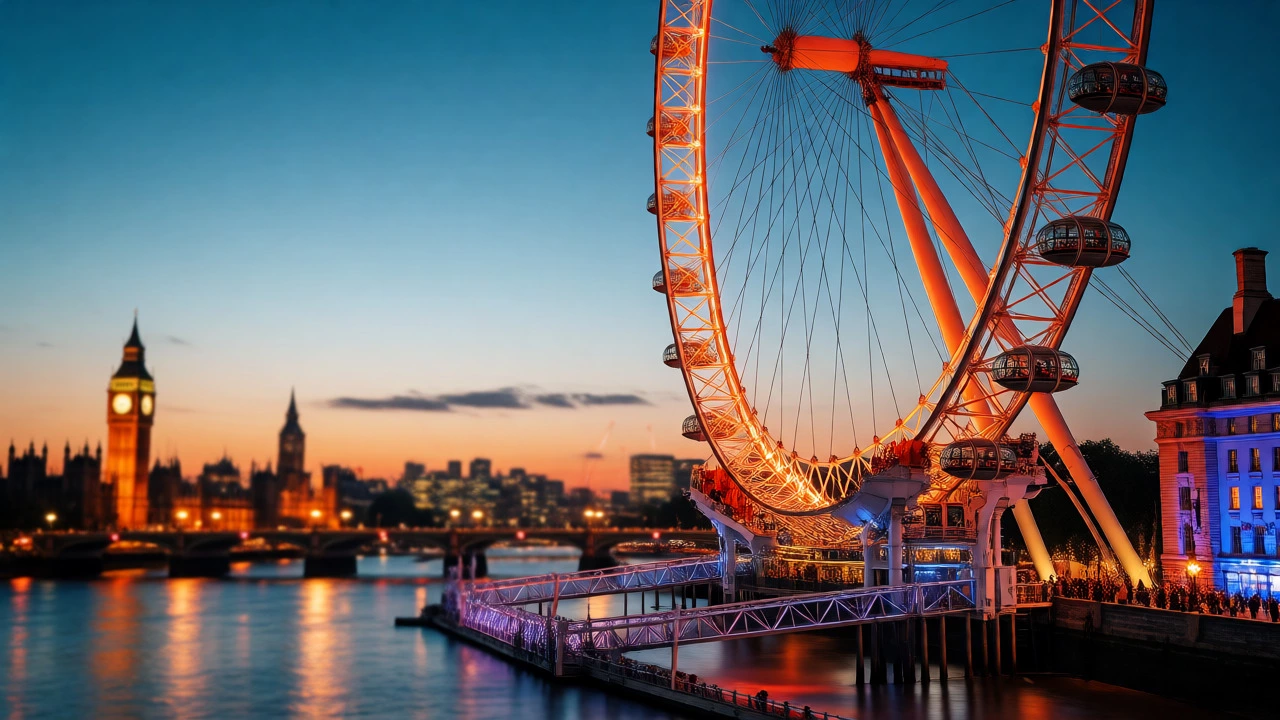
The answer? It’s the London Eye, a giant cantilevered observation wheel on the South Bank of the River Thames. While the Tower of London often fights for the top spot among historical sites, recent visitor numbers consistently place the London Eye as the second most visited paid attraction in the country, trailing only behind major theme parks like Alton Towers or Legoland in some years, and sometimes swapping places with the Tower depending on how you count "paid" versus "donation-based." But in strict commercial terms, the Eye is the undisputed king of ticket sales.
Why the London Eye Tops the List
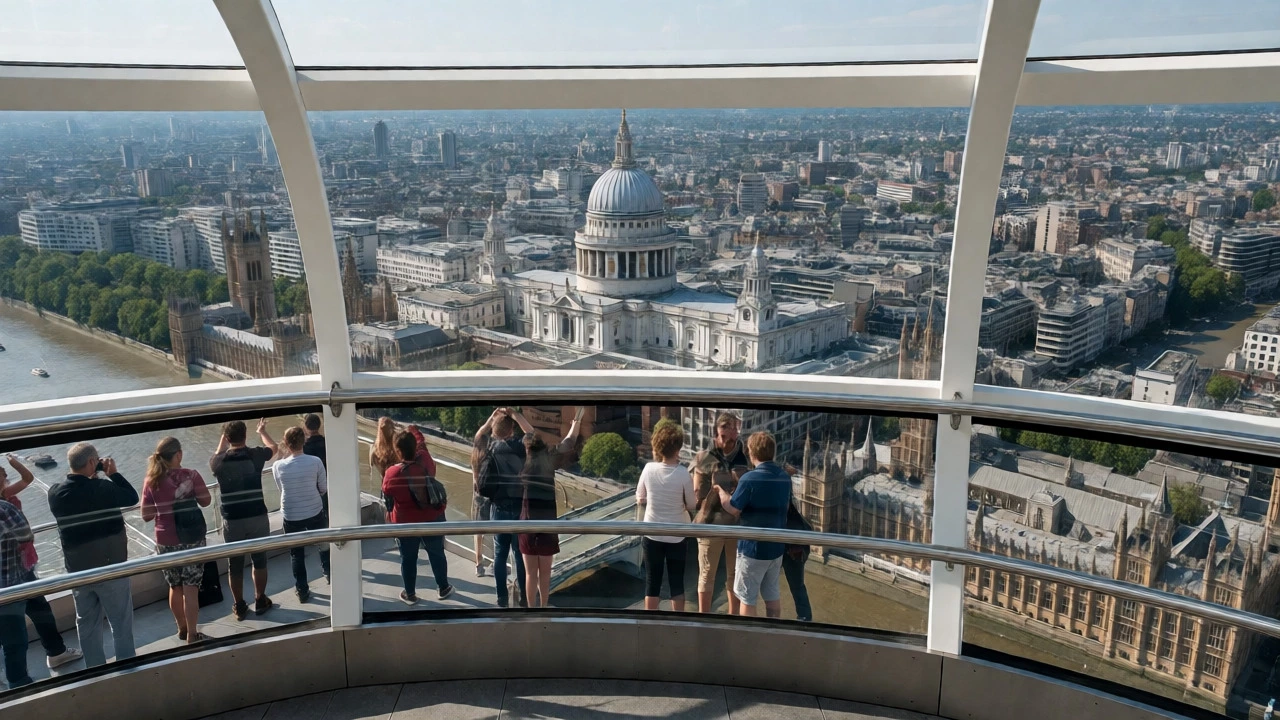
It’s not just about height. It’s about accessibility and instant gratification. Unlike the Tower of London, which requires hours of walking and reading plaques, the London Eye gives you a payoff in 30 minutes. You step into a glass capsule, rise 135 meters above sea level, and get a panoramic view of the entire capital. For tourists with limited time, this efficiency is gold.
According to data from the Association of Leading Visitor Attractions (ALVA), the London Eye regularly attracts over 3 million visitors annually. That’s more than many national museums that charge entry fees. Why? Because it’s visible from everywhere. You can’t miss it. It dominates the skyline near Westminster Bridge, making it an irresistible impulse buy for anyone walking along the river.
| Attraction | Location | Estimated Annual Visitors | Type |
|---|---|---|---|
| Alton Towers Resort | Staffordshire | ~2.5 - 3 million | Theme Park |
| London Eye | London | ~3 - 3.5 million | Observation Wheel |
| Tower of London | London | ~2.8 - 3 million | Historical Castle |
| Legoland Windsor | Windsor | ~2 - 2.5 million | Theme Park |
| Warwick Castle | Warwickshire | ~1.5 - 2 million | Historical Castle |
The "Paid" Distinction Matters
Here’s where things get tricky. Many people assume the British Museum or the National Gallery are the top attractions. They are, but they don’t charge admission. In the UK, cultural institutions often rely on government funding and donations. This skews the rankings if you include them. When we filter strictly for businesses that require a ticket to enter, the landscape shifts dramatically toward entertainment and experiential tourism.
This distinction is crucial for your budget planning. If you’re doing a UK staycation, knowing which attractions are truly paid helps you allocate funds better. You might spend £30 on a museum donation, but that’s optional. On the London Eye, a standard ticket starts around £30-£40 per adult. There’s no way around it. You pay to play.
How It Compares to the Tower of London
The Tower of London is often cited as the most popular historic site, but its visitor numbers have fluctuated due to pandemic closures and ongoing renovations. Before 2020, it was neck-and-neck with the Eye. Now, the Eye has pulled ahead slightly in consistent annual traffic.
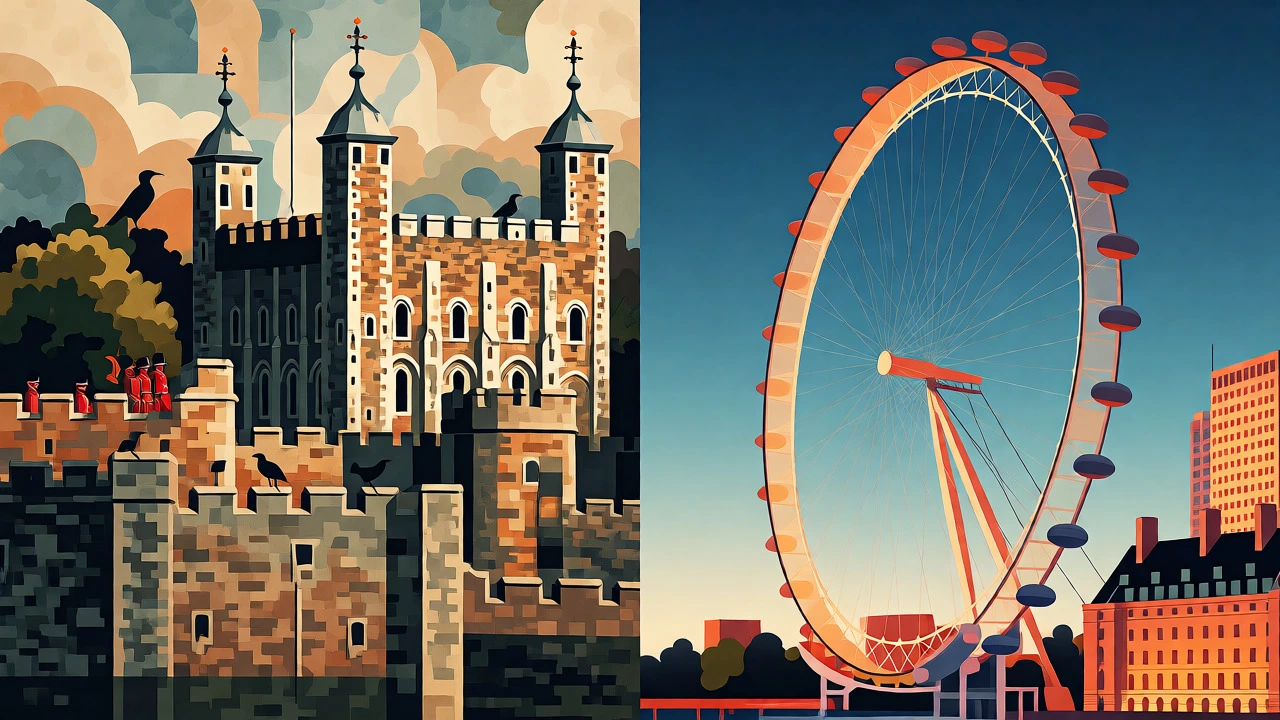
Why does this matter? Because the experiences are totally different. The Tower is educational, dense, and historically heavy. You need at least two hours to do it justice. The Eye is visual, quick, and Instagram-friendly. Families with young kids often prefer the Eye because it’s less physically demanding. History buffs will still flock to the Tower, but the general tourist demographic-especially international visitors-leans toward the spectacle of the Eye.
If you’re trying to decide between the two for a weekend trip, ask yourself: Do I want to learn about Beefeaters and Crown Jewels, or do I want a breathtaking photo op? Both are worth it, but they serve different travel styles.
Beyond London: The Rise of Regional Attractions
While London dominates the paid attraction scene, regional spots are gaining ground. Places like Edinburgh Castle and York Minster see massive footfall, but they rarely crack the top five in pure ticket sales compared to the big London players.
However, theme parks outside London are serious contenders. Alton Towers in Staffordshire and Legoland in Windsor consistently draw millions. These aren’t just for kids; adults go for the thrill rides and seasonal events like Scarefest or Christmas markets. If you live in the Midlands or the South East, these might actually be easier to visit than London itself, avoiding the city’s congestion charges and expensive hotels.
For those staying in Scotland, Edinburgh Castle is the top paid attraction north of the border, attracting nearly 2 million visitors a year. It’s iconic, yes, but it doesn’t match the sheer volume of the London Eye. This highlights how centralized UK tourism remains-London pulls in the majority of international and domestic tourist spending.
Tips for Visiting the Second Most Popular Paid Spot
So, you’ve decided to ride the London Eye. Here’s how to avoid wasting money and time:
- Book online in advance: Walk-up tickets are significantly more expensive. Booking 24 hours ahead can save you up to 20%.
- Go early or late: Midday queues are brutal. Aim for the first slot of the day or after 6 PM for sunset views. Sunset slots cost extra but are worth it for the lighting.
- Consider the Fast Track: If you’re short on time, the Fast Track ticket lets you skip the main queue. It’s pricey, but if you only have three days in London, time is money.
- Check weather conditions: The capsules are open-air until you close the door, but rain and wind can ruin the experience. Check the forecast before booking a premium sunset slot.
Also, note that the London Eye isn’t always open year-round without interruption. Maintenance closures happen, usually in January or February. Always check their official schedule before planning your trip.
Is It Worth the Hype?
Honestly? Yes, but manage your expectations. It’s a tourist trap, sure. But it’s also genuinely impressive engineering. Seeing the Houses of Parliament, Big Ben, and St Paul’s Cathedral all in one glance is a unique perspective you won’t get from street level. Plus, the ride is smooth-you barely feel the movement.
Compare this to other paid attractions. Some zoos or smaller museums feel underwhelming for the price. The London Eye delivers exactly what it promises: a view. No hidden costs, no confusing exhibits, no long walks. It’s straightforward tourism.
If you’re visiting during peak season (July-August), expect crowds. Even with fast-track tickets, the surrounding area gets packed. Consider combining it with a nearby attraction like the Sea Life London Aquarium or a Thames River Cruise to make a full afternoon out of it.
Final Thoughts on Planning Your Visit
Knowing that the London Eye is the second most visited paid attraction helps you understand its popularity-and its pitfalls. It’s popular because it’s easy, visible, and visually rewarding. But that same popularity means queues and higher prices.
For your next UK staycation, weigh the value. If you love history, skip the Eye and spend three days at the Tower. If you want a quick win and great photos, book the Eye. Either way, you’re engaging with one of the most significant pieces of modern tourism infrastructure in the country.
Is the London Eye the most visited paid attraction in the UK?
Yes, in recent years, the London Eye has consistently ranked as the most visited paid attraction in the UK, surpassing historical sites like the Tower of London in annual ticket sales. However, some large theme parks like Alton Towers occasionally rival it depending on the specific metrics used (e.g., total entries vs. individual tickets).
Why isn't the British Museum on the list?
The British Museum is the most visited attraction in the UK overall, but it is free to enter. Since it doesn't require a mandatory ticket purchase, it falls outside the category of "paid" attractions. Rankings for paid attractions exclude free museums and galleries.
How much does it cost to visit the London Eye?
Standard adult tickets typically range from £30 to £40 if booked online in advance. Prices increase for walk-up tickets, family bundles, and premium options like Fast Track or Champagne experiences. Children's tickets are discounted, and there are often special rates for residents or students.
Which is better for families: London Eye or Tower of London?
It depends on your children's ages and interests. The London Eye is quick, exciting, and visually stimulating for all ages, including toddlers. The Tower of London offers deeper engagement for older children interested in knights, dungeons, and stories, but it requires more walking and attention span. For very young kids, the Eye is often less stressful.
Are there any hidden costs at the London Eye?
There are no hidden entry fees once you buy a ticket. However, souvenirs inside the exit shop are expensive, and adding extras like a champagne toast or a private capsule significantly increases the cost. Also, remember that transport to the location (Tube, bus, taxi) is separate and can add up in central London.