
What Is the Strongest Currency in the World Right Now?
 Dec, 29 2025
Currency Value Calculator
Calculate Your Travel Budget
See how much your money is worth in strong currencies and where it stretches the farthest for your next trip.
Top 5 Strongest Currencies
Oil wealth, low inflation, stable central bank
Fixed to USD, strong financial sector
Oil exports, limited money supply
Fixed to IMF basket, economic stability
Global reserve status, strong institutions
Where Your Money Goes Farthest
Enter your budget to see where it goes farthest.
Your budget is worth £0 in Kuwaiti dinar, but...
Key Insight: The strongest currency doesn't mean best value. Your money stretches further in destinations with weaker currencies.
What Your Money Can Buy
Thailand
45,000 baht
20 nights beachfront bungalow, street food for weeks, spa day
Portugal
1,180 euros
8 nights Lisbon, train passes, seafood dinners
Turkey
34,000 lira
15 nights in Cappadocia with hot air balloon ride
Kuwait
3,800 dinars
4 nights luxury hotel, meals, desert tour
Maldives
$2,000 budget
1 week mid-range resort
Sri Lanka
$2,000 budget
2 weeks private villas, daily spa treatments
When you’re planning a holiday and looking for the best deals, knowing which currency is strongest can save you hundreds-or even thousands-of pounds. Right now, the Kuwaiti dinar holds the title of the world’s strongest currency. It’s not just a fluke of the market; it’s built on decades of stable oil exports, low inflation, and smart central bank policies. For travelers, that means one Kuwaiti dinar buys more than most other currencies ever could-over 3.25 US dollars as of late 2025.
Why the Kuwaiti Dinar Leads the Pack
The Kuwaiti dinar isn’t strong because it’s rare. It’s strong because Kuwait’s economy doesn’t rely on guesswork. The country has one of the largest proven oil reserves in the world, and its government uses that wealth to keep its currency stable. Unlike countries that print money to cover debts, Kuwait’s Central Bank keeps tight control over inflation. In 2025, inflation hovered around 2.1%, one of the lowest in the Middle East. That stability makes the dinar a safe haven for investors and a powerhouse for travelers.Compare that to the US dollar, which has seen volatility due to interest rate swings, or the euro, which struggles with regional economic imbalances. The dinar doesn’t fluctuate wildly. It doesn’t need to. It’s backed by real, tangible wealth-and that’s why it holds its value so well.
How This Affects Your Holiday Spending
If you’re planning a trip abroad and your home currency is the British pound, knowing where your money goes furthest matters. Right now, £1 buys you about 3.8 Kuwaiti dinars. That means if you’re heading to Kuwait for a luxury beach resort or a desert safari, your pound stretches further than it would in most European capitals. But here’s the twist: the strongest currency doesn’t always mean the cheapest destination.Kuwait itself is expensive. Five-star hotels, private transfers, and fine dining cost more than you’d pay in Bali or Portugal. So while the dinar is strong, it doesn’t automatically mean you’re getting a bargain. The real win comes when you travel to countries with weaker currencies. For example, in Thailand, one Kuwaiti dinar equals over 120 Thai baht. If you’re exchanging pounds to baht, you’re getting more bang for your buck than if you were exchanging into dinars.
Top 5 Strongest Currencies in 2025
Here’s what the top five look like as of December 2025, ranked by value against the US dollar:| Rank | Currency | Value Against USD | Key Reason for Strength |
|---|---|---|---|
| 1 | Kuwaiti Dinar (KWD) | $3.25 | Oil wealth, low inflation, stable central bank |
| 2 | Bahraini Dinar (BHD) | $2.65 | Fixed to USD, strong financial sector |
| 3 | Omani Rial (OMR) | $2.60 | Oil exports, limited money supply |
| 4 | Jordanian Dinar (JOD) | $1.41 | Fixed to IMF basket, economic stability |
| 5 | British Pound (GBP) | $1.27 | Global reserve status, strong institutions |
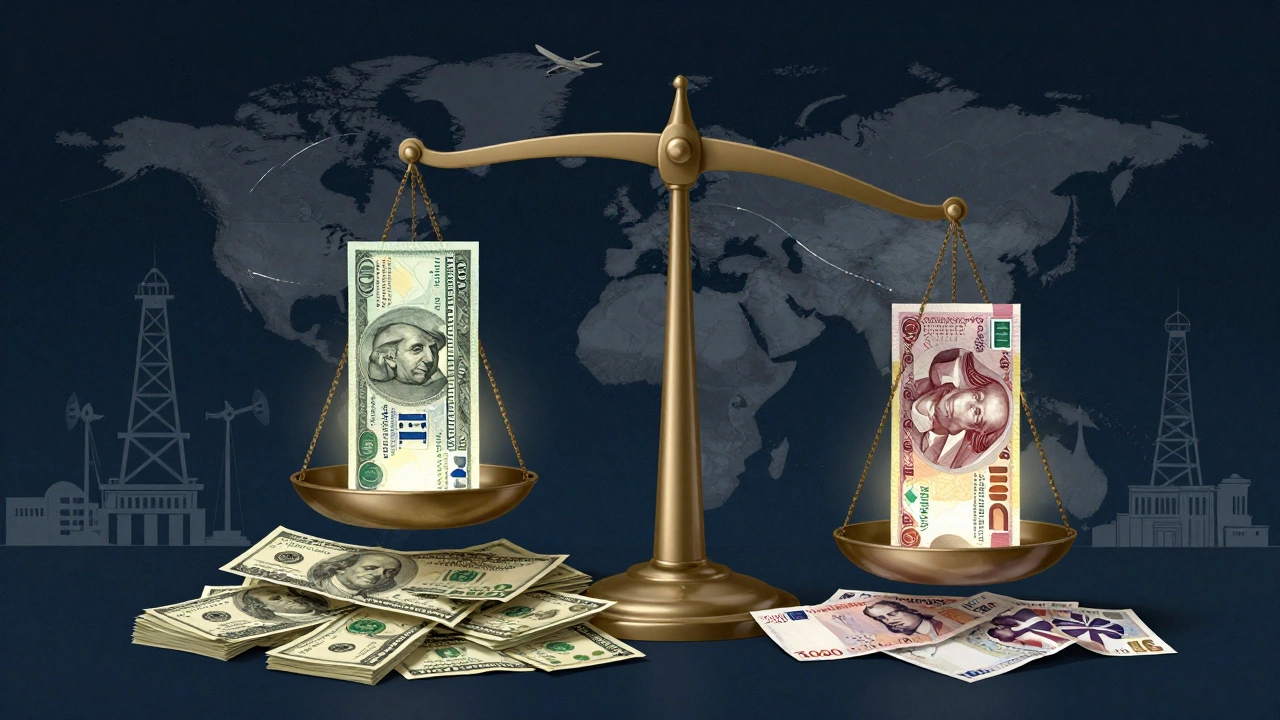
Notice something? The top three are all Gulf states with oil-based economies. The pound makes the list because of history and trust, not raw economic power. If you’re shopping for holiday deals, you’re better off focusing on destinations where the local currency is weak compared to yours-not where it’s the strongest.
Where Your Money Goes Farthest
Let’s say you’re a UK traveler with £1,000 to spend. Here’s what that buys you in different places:- Thailand: 45,000 baht - 20 nights in a beachfront bungalow, street food for weeks, and a spa day.
- Portugal: 1,180 euros - 8 nights in Lisbon, train passes, and seafood dinners.
- Turkey: 34,000 Turkish lira - 15 nights in Cappadocia with hot air balloon ride included.
- Kuwait: 3,800 dinars - 4 nights in a luxury hotel, meals, and a desert tour.
Even though the dinar is the strongest, your pound doesn’t stretch as far there as it does in Southeast Asia or Eastern Europe. That’s the key insight: the strongest currency doesn’t equal the best value for travelers. What matters is the exchange rate between your home currency and the destination’s currency.
When Strong Currencies Are a Problem
If you’re planning to visit Kuwait, you’ll pay more. A simple coffee costs around 1.2 dinars ($3.90). A taxi ride across town? 5 dinars ($16). That’s not cheap. And if you’re using a credit card, you’ll often pay a 3% foreign transaction fee on top. So even though the dinar is strong, your spending power in Kuwait is lower than in, say, Mexico or Indonesia.Strong currencies like the dinar or the Bahraini dinar are great for locals and investors. But for tourists? They’re a reminder that luxury doesn’t always mean savings. The real holiday deals come from places where the economy is growing, but the currency hasn’t caught up yet.

What You Should Do Next
Don’t chase the strongest currency. Chase the best exchange rate for your budget.- Use a currency converter app like XE or Wise before booking anything.
- Watch for seasonal dips-some currencies drop just before peak travel season, giving you a buying window.
- Pay in local currency, not your home currency. Always. Your card’s exchange rate is usually better than the hotel’s.
- Consider destinations where the local economy is recovering but hasn’t yet rebounded in price. Vietnam, Georgia, and Colombia are great examples right now.
If you’re looking for a luxury escape with real value, skip Kuwait. Head to Bali instead. Or try Georgia-where a five-star hotel with mountain views costs less than £50 a night. That’s the power of a weak currency working for you.
Why This Matters for Holiday Deals
Holiday deals aren’t about flashy discounts or last-minute sales. They’re about understanding where your money has the most power. A £2,000 budget in the Maldives might get you a week in a mid-range resort. The same budget in Sri Lanka? Two weeks, private villas, and daily spa treatments.The strongest currency in the world doesn’t give you the best deal. The smartest currency move is knowing which ones are weak, stable, and ready to bounce back. That’s where the real savings hide.
Is the Kuwaiti dinar the best currency to carry when traveling?
No. The Kuwaiti dinar is strong, but it’s not practical for travelers. You can’t easily spend it outside Kuwait, and few places accept it. Instead, carry US dollars or euros-they’re widely accepted and easy to exchange. Use your home currency (like pounds) to buy local currency at your destination for the best rate.
Why is the British pound on the top 5 list if it’s not the strongest?
The pound is ranked fifth because it’s still a global reserve currency with deep financial backing. It’s not as strong as the dinar, but it’s more stable than most. Its position reflects trust, history, and global use-not raw purchasing power. For travelers, it’s useful because it’s widely accepted, but it doesn’t give you the same value as weaker currencies like the Thai baht or Turkish lira.
Should I wait for the dinar to drop before planning a trip to Kuwait?
Unlikely. The Kuwaiti dinar rarely drops. It’s pegged to a basket of currencies and tightly managed. If you want to visit Kuwait, plan based on your budget, not exchange rate hopes. You’re better off saving money by choosing a destination with a weaker, more flexible currency.
What’s the best way to get the best exchange rate for my holiday?
Use a no-fee travel debit card like Wise or Revolut. They use the real market rate without hidden markups. Avoid airport exchange kiosks-they’re the most expensive. Withdraw cash from ATMs in your destination using your card, and always choose to be charged in local currency, not pounds.
Are there any countries with currencies stronger than the pound?
Yes. The Kuwaiti dinar, Bahraini dinar, and Omani rial are all stronger than the pound. But again, strength doesn’t mean better value. A stronger currency often means higher prices. You’ll get more for your pound in places like Vietnam, Mexico, or Poland than you will in Kuwait or Bahrain.