
What Is the UK's Number One Holiday Destination?
 Jan, 4 2026
UK Holiday Budget Calculator
Calculate your estimated holiday costs for Cornwall or other popular UK destinations. Based on 2025 data from Visit Cornwall and UK tourism reports.
Cost Comparison
The most visited UK destination with 300+ miles of coastline and 80+ beaches.
The second most popular UK destination with stunning mountains and lakes.
Estimated Costs for Your Trip
- Accommodation (self-catering)
- Meals (local pubs)
- Activities & Transport
- TOTAL ESTIMATED COST
Every year, over 120 million domestic trips are taken in the UK. But only one place consistently pulls ahead as the favorite - Cornwall. It’s not just the beaches. It’s not just the food. It’s the mix of wild coastlines, quiet villages, and a vibe that makes people want to come back year after year. In 2025, Cornwall welcomed 11.4 million visitors, beating out the Lake District, the Scottish Highlands, and even Brighton. It’s not a fluke. It’s the result of decades of quiet growth, smart investment, and locals who refuse to let tourism ruin what makes the place special.
Why Cornwall Wins Every Time
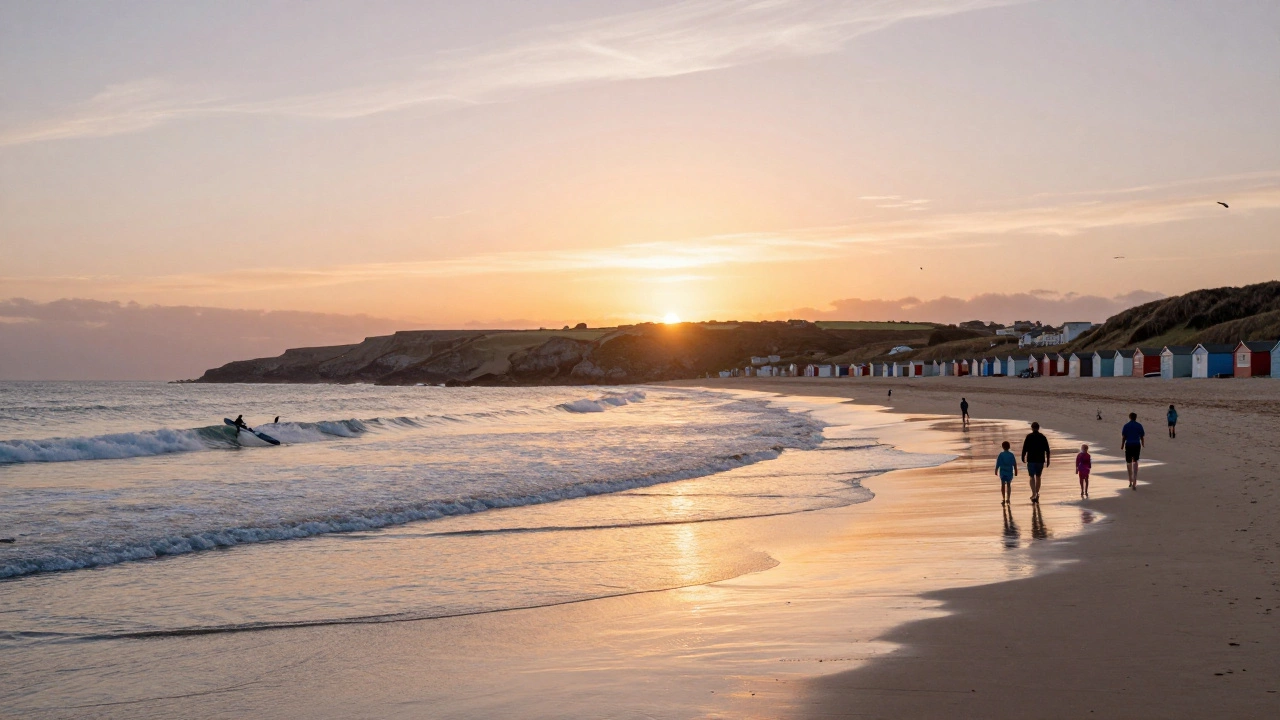
Cornwall doesn’t try to be everything. It doesn’t have skyscrapers or theme parks. It doesn’t need them. What it has is 300 miles of coastline, more than 80 beaches, and a weather pattern that’s surprisingly reliable for the UK. In 2024, the average summer temperature in Newquay hit 19.3°C - higher than London’s. That’s not an accident. It’s geography. The Gulf Stream warms the waters, and the cliffs block the worst of the wind.
People don’t just go to Cornwall to swim. They go to walk the South West Coast Path. They go to surf at Fistral Beach. They go to eat fresh crab at a harbor-side shack and watch the tide roll in. In 2023, a survey by Visit Cornwall found that 68% of visitors said they chose the area because it felt "real" - not staged, not crowded in a bad way, not overpriced.
The Numbers Don’t Lie
Cornwall’s lead isn’t close. In 2025, it had 2.1 million more overnight stays than the Lake District, which came in second. Brighton, often thought of as the UK’s beach capital, only pulled in 5.8 million visitors - less than half of Cornwall’s total. Even the Peak District, with its hiking trails and cozy pubs, saw just 7.9 million visitors.
What’s driving this? Family trips. Couples. Retirees. And increasingly, young people who’ve had enough of city life. A 2024 study by the University of Exeter found that 43% of UK holidaymakers under 35 chose Cornwall because they wanted to disconnect - no Wi-Fi, no rush, no noise. Many booked places with no mobile signal on purpose.
It’s Not Just the Beaches
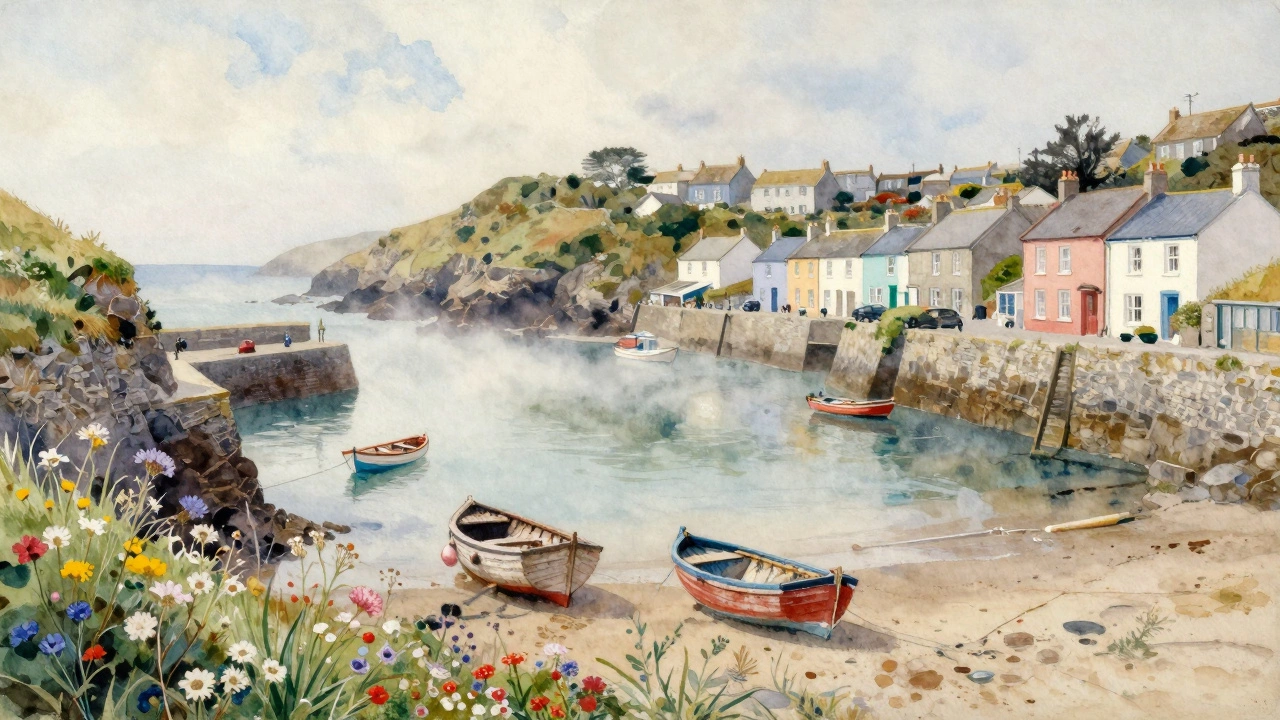
Cornwall’s magic isn’t just in the sand. It’s in the tiny towns tucked into coves. St Ives, with its art galleries and pasty shops. Padstow, where Rick Stein’s seafood empire started and still thrives. Boscastle, where the harbor looks like it was carved out of a fairy tale. These places don’t feel like tourist traps. They feel like places people actually live.
There are over 1,200 independent food businesses in Cornwall - more per capita than any other region in England. The average meal at a local pub costs £14.50. In London, that same meal would be £22. And the fish? It’s caught that morning. The vegetables? Grown in soil that’s been farmed for 500 years.
What Makes It Different From Other UK Destinations
Compare Cornwall to the Lake District. The Lakes are beautiful. But they’re busy. In 2024, 42% of visitors said they felt overcrowded on popular trails. In Cornwall, even at peak season, you can find a quiet cove if you walk 15 minutes off the main path.
And while places like Blackpool and Bournemouth feel stuck in the 1970s, Cornwall has quietly evolved. New surf schools, eco-cabins, and local breweries have opened without losing the soul. The old fishing boats still dock at Mevagissey. The miners’ cottages still stand in Zennor. The difference? Now they’re home to artists, writers, and remote workers - not just holidaymakers.
When to Go, Where to Stay
The best time to visit? Late May to early September. July and August are busy, but not unbearable. If you want quiet, go in June or September. The water’s still warm, the crowds are thin, and the prices drop by 30%.
Where to stay? Don’t book a chain hotel. Book a converted chapel in Tintagel. A seaside cabin in Polperro. A family-run B&B in Looe. There are over 14,000 self-catering properties in Cornwall - most run by locals. Airbnb and Booking.com have listings, but the best ones aren’t on those sites. Ask around. Talk to the pub owner. They’ll point you to the place they stayed last summer.
What to Do - Beyond the Obvious
Yes, surf. Yes, walk the coast. But here’s what most guidebooks miss:
- Visit the Eden Project in early spring - the biomes are less crowded, and the plants are just starting to bloom.
- Take a ferry from Fowey to Dartmouth - it’s a 45-minute ride through one of England’s most beautiful estuaries.
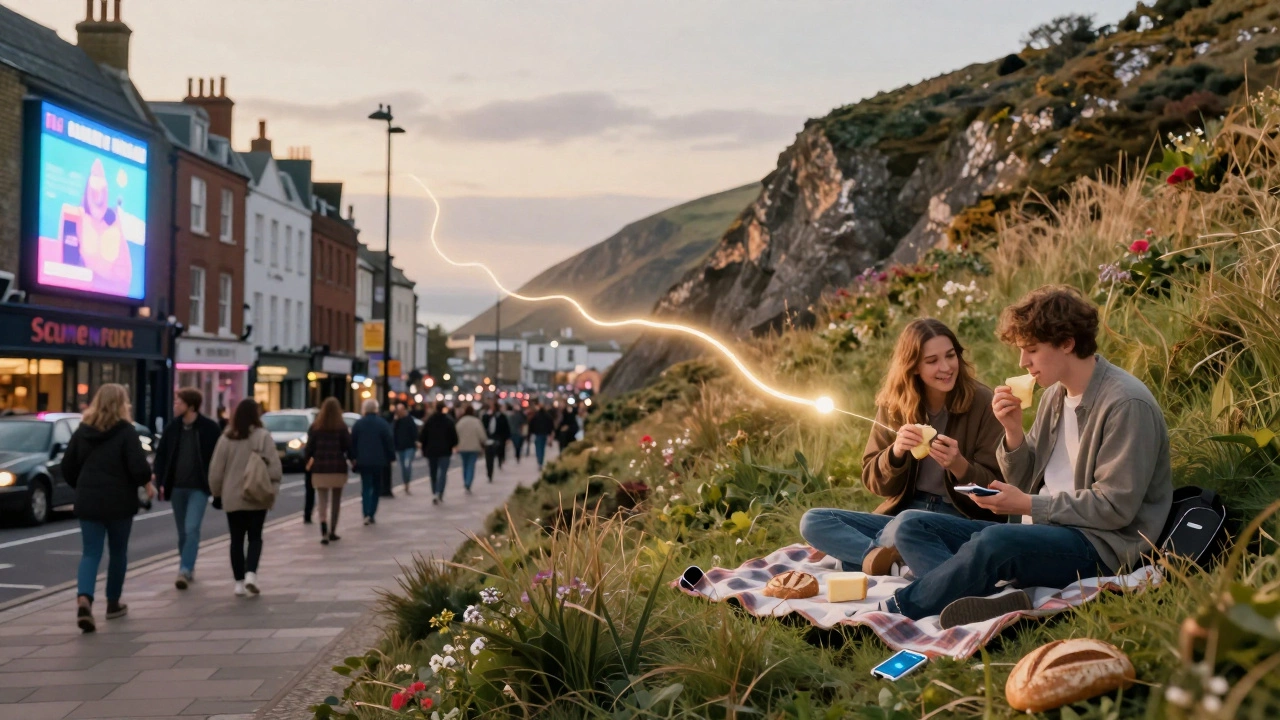
- Go crabbing off the pier in Newlyn at sunset. Bring a bucket and a bit of bread. Kids love it. Adults forget their phones.
- Find a local farm shop. Buy a Cornish Yarg cheese, a jar of honey from a beekeeper in St Agnes, and some sourdough from the bakery in Wadebridge. Eat it on the beach with no plates.
Why It Won’t Be Dethroned Soon
Cornwall has no big corporate owners. No hotel chains trying to build resorts on the cliffs. No cruise ships docking in Falmouth. The local council has strict planning rules - no new large developments without community approval. That’s why the skyline still looks the same as it did in 1985.
Other places try to copy it. The Cotswolds added "artisanal" cafes. The Isle of Wight launched a "Cornwall-style" beach festival. But none of it sticks. Cornwall doesn’t market itself. It just exists. And people keep coming back because it feels like home - even if you’ve never been there before.
In 2026, the numbers will be even higher. More people are working remotely. More families are choosing short breaks over long-haul flights. And Cornwall? It’s ready. Not because it’s flashy. But because it’s real.
Is Cornwall the most visited place in the UK?
Yes. In 2025, Cornwall received 11.4 million visitors - more than any other UK destination. It outpaces the Lake District, the Scottish Highlands, and even popular coastal towns like Brighton and Blackpool. Its lead comes from a mix of natural beauty, affordable stays, and a strong local culture that resists over-tourism.
When is the best time to visit Cornwall for a quiet holiday?
Late May to early June or September are ideal. The weather is still warm enough for beach days, the water is above 15°C, and tourist crowds have thinned. Prices for accommodation drop by up to 30% compared to July and August. You’ll find empty parking spots, shorter lines at cafes, and locals who actually have time to chat.
Are there good beaches in Cornwall?
Over 80 beaches, and most are free to access. Fistral Beach in Newquay is famous for surfing. Porthcurno has crystal-clear water and a hidden cove. Gyllyngvase in Falmouth is perfect for families with kids. Many are Blue Flag certified, meaning they meet strict standards for water quality and safety. You won’t find plastic on these shores - local clean-up groups make sure of it.
Is Cornwall expensive for a UK staycation?
It can be, but it doesn’t have to be. A week-long stay in a self-catering cottage averages £600-£900 in peak season - cheaper than a similar stay in London or the Lake District. Meals at local pubs cost £12-£18. Public transport is affordable, and many beaches and walking trails are free. The key is avoiding luxury resorts and booking directly with local owners.
Can you get good food in Cornwall?
Absolutely. Cornwall has over 1,200 independent food businesses. You’ll find award-winning pasties, fresh crab straight off the boat, locally brewed cider, and artisan cheeses made from milk from nearby farms. Rick Stein’s restaurants are popular, but the best meals are often at small family-run spots with no website - ask a local where they eat on their day off.
If you’re looking for a holiday that doesn’t feel like a holiday - where the pace slows, the air smells like salt and wild thyme, and you come home feeling rested, not exhausted - Cornwall is still the answer. It’s not the flashiest. But it’s the one that stays with you.