
What Island Not to Visit? 7 Beach Destinations to Skip in 2026
 Feb, 1 2026
Everyone wants a perfect beach day: soft sand, clear water, no crowds. But not every island delivers that. Some places used to be hidden gems. Now they’re packed, polluted, or just plain disappointing. If you’re planning a beach holiday in 2026, skip these seven islands. They’re not worth your time, money, or peace of mind.
Cozumel, Mexico
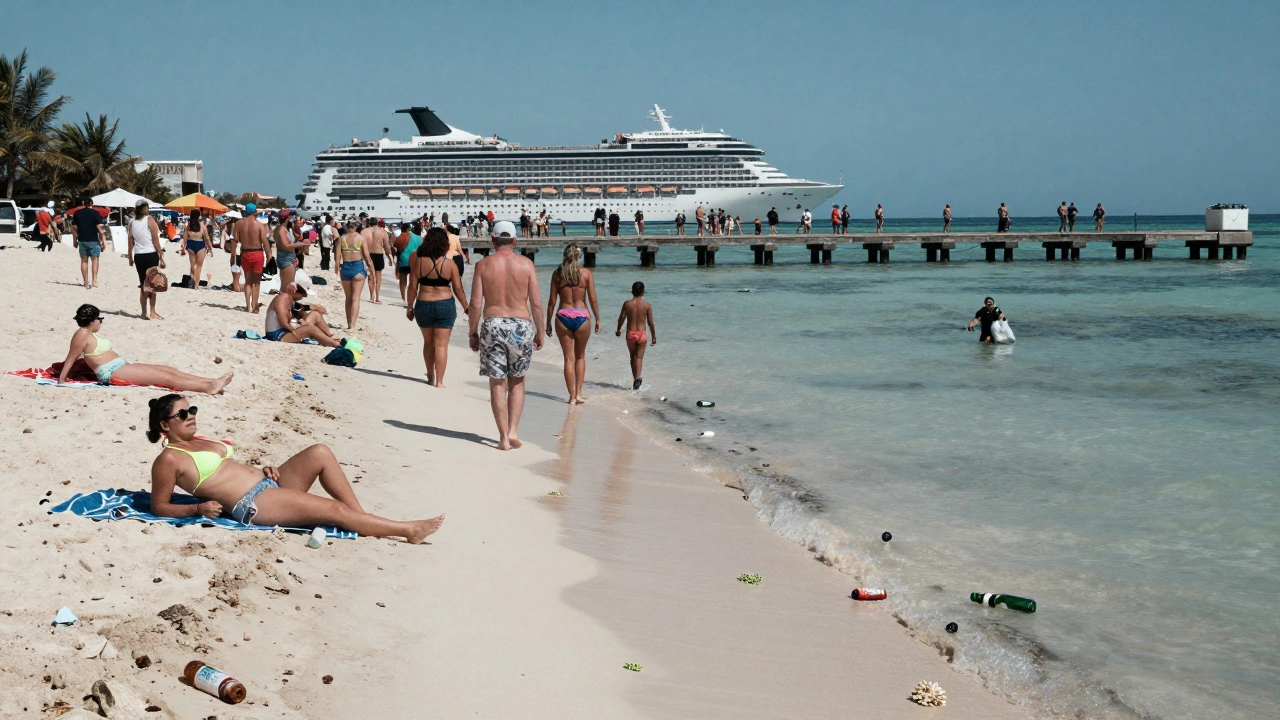
Cozumel used to be a quiet Caribbean escape. Now, it’s a cruise ship parking lot. On peak days, over 10,000 tourists flood the island at once. The main beach, Playa San Francisco, turns into a sidewalk with sunbathers shoulder-to-shoulder. Snorkeling spots near the pier are choked with plastic bottles and broken coral. Local dive shops report a 60% drop in fish populations since 2020. The water looks blue from a distance, but up close, it’s murky. And don’t expect authentic Mexican culture-most restaurants cater to cruise passengers with overpriced tacos and frozen margaritas. You’re paying for a postcard, not a real experience.
Phuket, Thailand
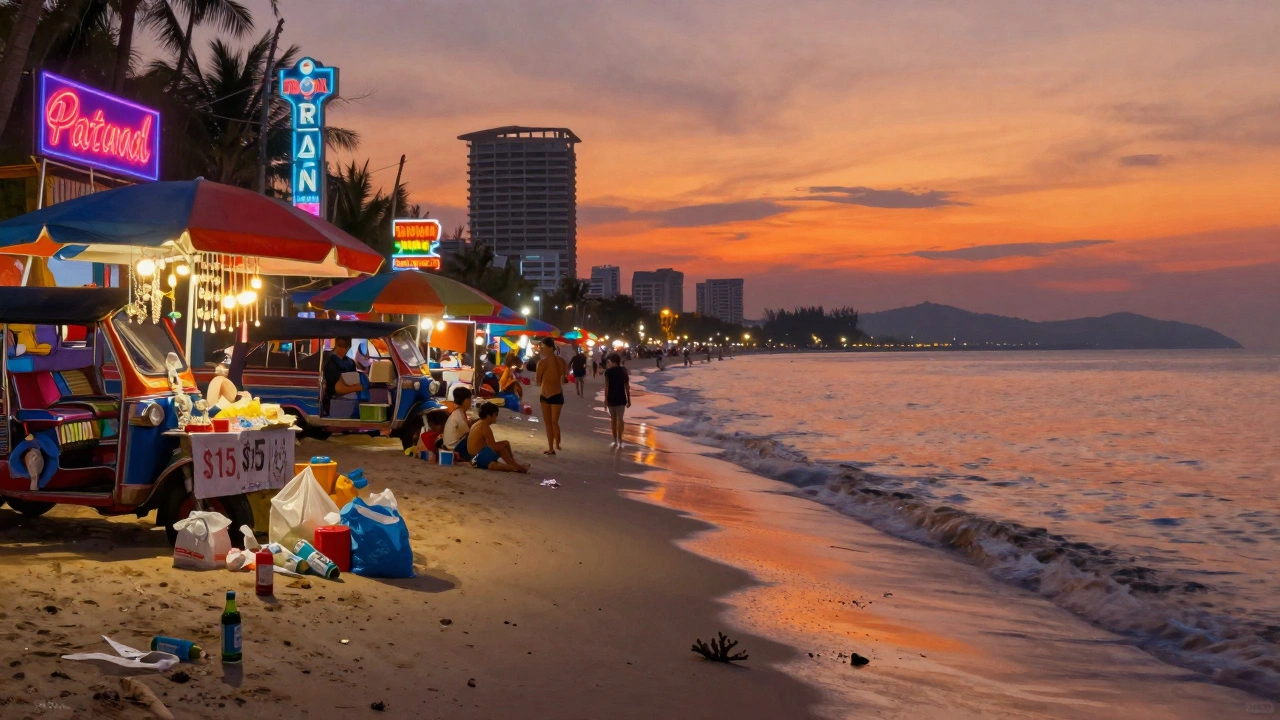
Phuket’s beaches are famous, but the reality is brutal. Patong Beach is a neon-lit carnival with go-go bars, tuk-tuk drivers yelling, and vendors shoving fake jewelry in your face. Even the so-called "quiet" beaches like Kata and Karon get packed by 10 a.m. The water quality? Bad. A 2025 study by Thailand’s Pollution Control Department found sewage levels 12 times higher than safe limits near popular beach resorts. Plastic waste washes ashore daily. Locals say the reef near Coral Island is dead in places. And the price? A basic beach chair and umbrella now costs $15. You’re not relaxing-you’re paying to be herded like cattle.
Mykonos, Greece
Mykonos isn’t a beach island anymore. It’s a party cruise stop with sand. The famous Paradise Beach and Super Paradise Beach are basically open-air nightclubs with towels. Music blares from dawn until 2 a.m. Sunbathers wear headphones just to sleep. The beaches are narrow, the sand is coarse, and the water is often cloudy from boat traffic. In summer, you’ll pay €50 just to sit on a towel. Most visitors leave after one day, never seeing the real Mykonos-the quiet villages, the fishing harbors, the local tavernas. The island is now run by Instagram influencers and luxury clubs. If you want a beach, go to Naxos or Paros instead. They still feel like Greece.
Barbados
Barbados has beautiful beaches, sure. But the island is running out of space. The west coast beaches, like Crane Beach, are now gated resorts with $400-a-night hotel access only. Public beaches are shrinking. The government has started charging $15 entry fees to protect the shoreline-but it’s too little, too late. The coral reefs are bleaching. A 2024 marine survey found 70% of the reef around Carlisle Bay is dead or dying. The water used to be crystal clear. Now, it’s often green with algae blooms from runoff. And the prices? A simple lunch on the beach costs $30. The charm is gone. What’s left feels like a luxury theme park with a beach attached.
Maldives (Main Tourist Islands)
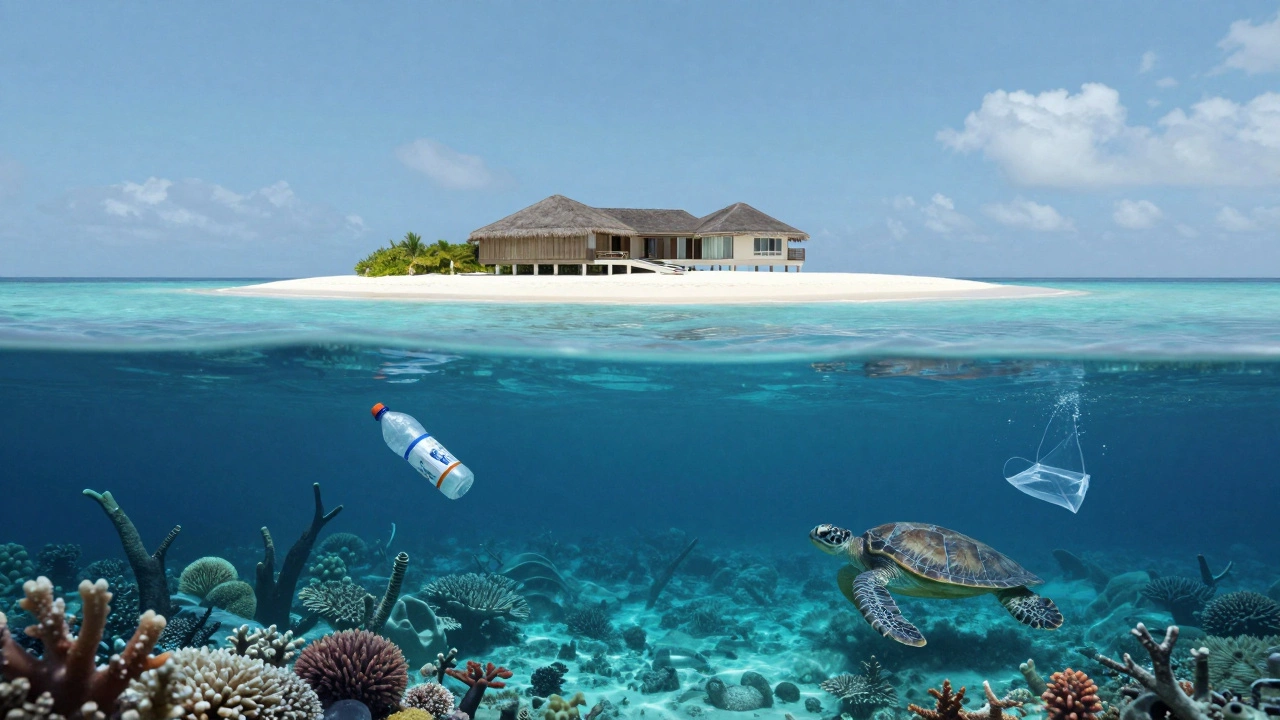
The Maldives sounds like paradise. But the reality? You’re stuck on a single island resort, surrounded by ocean, with no way to explore. Most resorts are on tiny, man-made islands with no local culture, no real town, no market. You can’t walk anywhere. You can’t taste local food unless you pay for a $200 “cultural experience.” The water is warm, yes-but the coral is dying fast. A 2025 report from the Maldives Marine Research Centre showed 85% of shallow reefs have lost their color since 2020. And the plastic? It’s everywhere. Even the luxury resorts use single-use plastic bottles. You’re paying $1,000 a night to sit on a beach that’s slowly disappearing. And you can’t even leave your resort without a boat ride that costs extra.
Orlando’s Beaches (Florida)
Wait-Orlando doesn’t have beaches? Technically, no. But thousands of people book "Orlando beach vacations" because they think Disney World is near the coast. The closest real beaches-Daytona, Cocoa Beach, Clearwater-are 70-90 minutes away. Most visitors don’t realize this until they’re stuck in traffic on I-4. The beaches themselves are crowded, with parking costing $20 and lifeguards watching over mostly teens with loud speakers. The water is often brown from runoff after rain. And the sand? Fine, but it’s full of broken glass and cigarette butts near the boardwalks. If you want a beach, go to the Florida Keys or Panama City Beach. Don’t waste a day driving to a beach you didn’t even know was far away.
Majorca, Spain
Majorca’s beaches are gorgeous. But the north coast, especially around Magaluf and Palma Nova, is a party zone with zero chill. Beaches here are lined with bars that blast music until 4 a.m. Locals have stopped using the beaches. Families avoid them. The water is warm, but it smells like beer and sunscreen. In 2025, the Spanish government fined 14 beach clubs for illegal construction and noise violations. The sand is worn down from overuse. And the cost? A simple sandwich and drink on the beach runs €25. The island is still beautiful if you go to the south or east-Sóller, Deià, or the Tramuntana mountains. But if you’re looking for a quiet beach, skip the tourist traps. They’ve turned paradise into a nightclub with sand.
What to Do Instead
There are still quiet, clean, real beach islands out there. Try: Sardinia’s Costa Smeralda off-season, the Azores’ Flores Island, or the Philippines’ Palawan (outside El Nido). These places have beaches, culture, and space. You can swim without stepping on someone’s towel. You can eat local food for $5. You can hear the waves instead of a DJ. Don’t just chase the Instagram hotspots. Do a little research. Talk to locals. Look for places where the beach is part of life-not a product.
Final Warning
Over-tourism isn’t just annoying. It’s destroying ecosystems. Coral reefs, sea turtles, and mangroves are vanishing because too many people want the same perfect photo. Your vacation shouldn’t cost the planet. Next time you book a beach trip, ask: Is this place still alive? Or is it just a shell?
Why should I avoid these islands even if they look beautiful online?
Beautiful photos don’t show the crowds, pollution, or damaged ecosystems. Many of these islands are now overrun by tourists, with water quality down, coral dying, and local culture erased. What looks like paradise on Instagram is often a commercialized, overpriced, and environmentally strained zone.
Are these islands completely closed to visitors?
No, they’re not closed. But they’ve changed. What was once a peaceful escape is now a high-pressure, expensive experience. If you go, expect long lines, high prices, and limited access to natural areas. You’re not just paying for a beach-you’re paying to navigate a tourist machine.
What’s the best time to visit a beach island to avoid crowds?
Go during shoulder seasons-late spring or early fall. Avoid holidays, school breaks, and peak summer months. Islands like Sardinia or the Azores are much quieter in May or September. You’ll get better prices, clearer water, and real local service.
How do I find authentic, uncrowded beaches?
Look for islands with limited flights or no cruise ship ports. Talk to local guides, not just travel blogs. Check government environmental reports on water quality. Avoid places with more hotels than residents. The quieter the island feels on Google Maps street view, the better.
Is it ethical to visit these islands at all?
It’s not about avoiding all tourism-it’s about being smarter. If you visit, stay longer, spend money with local businesses, and respect the environment. Don’t buy single-use plastics. Don’t walk on coral. Don’t litter. Your choices matter more than your destination.