
What Makes an Adventure Traveller? The Mindset Behind the Gear
 May, 17 2026
Adventure Traveler Mindset Quiz
Your Key Traits:
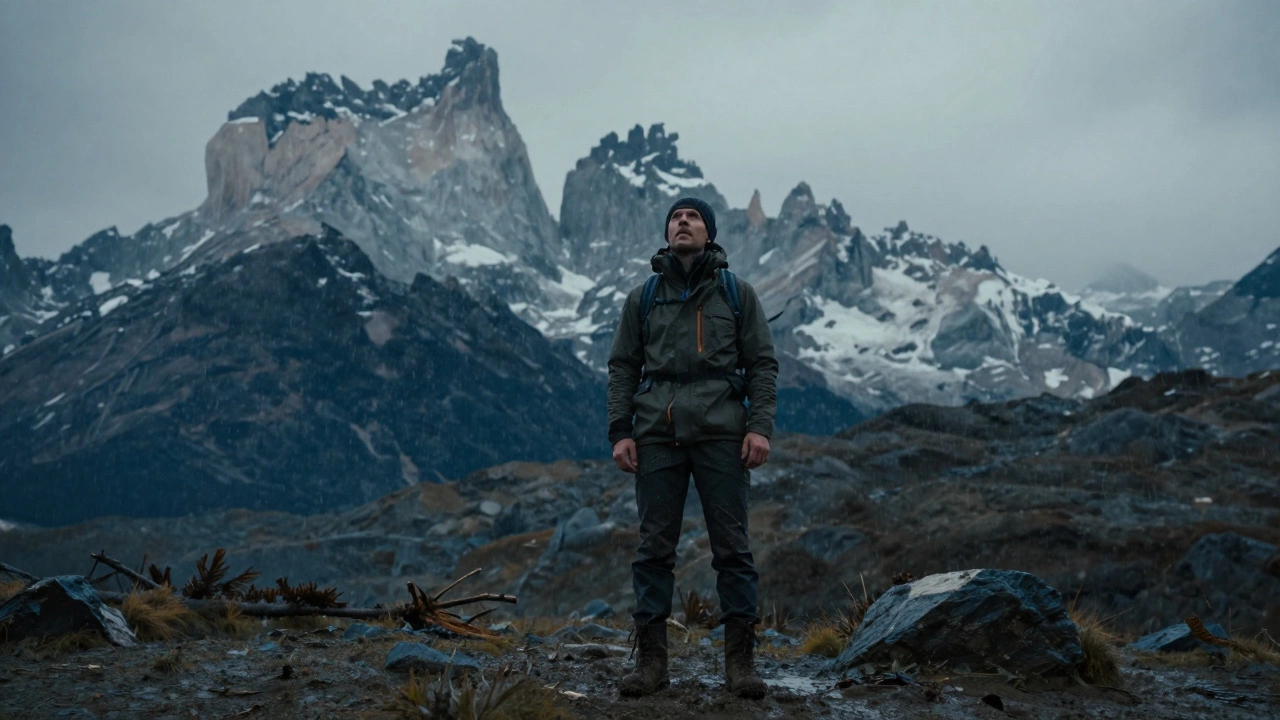
Picture this: you’re standing at the base of a mountain in Patagonia, wind whipping your jacket, rain starting to fall. Your friend checks their watch and asks if we should head back to the lodge for hot chocolate. You look up at the grey peaks, feel the mud squelch between your boots, and think, "This is exactly why I came here." That split-second decision-choosing discomfort over convenience-is what separates an adventure traveller from someone who just likes hiking on weekends.
We often mistake adventure travel for a checklist of adrenaline-pumping activities. We think it’s about skydiving in Dubai or bungee jumping in New Zealand. But true adventure isn’t defined by the activity; it’s defined by the attitude. It’s about seeking out the unknown, embracing uncertainty, and finding joy in the struggle. If you’ve ever wondered whether you fit into this category, let’s break down the real traits that make an adventure traveller tick.
The Core Mindset: Embracing Discomfort
The first thing people get wrong is thinking adventure requires extreme physical fitness. While stamina helps, the real barrier is mental. An adventure traveller understands that comfort is the enemy of growth. When your flight gets cancelled and you have to sleep in an airport terminal, do you panic, or do you see it as part of the story?
This mindset shift is crucial. Traditional tourists plan every minute to avoid surprises. Adventure travellers leave room for them. They know that the best stories usually come from things going wrong. Maybe your bus breaks down in rural Bolivia, forcing you to hitchhike with locals who invite you for dinner. A tourist would be stressed; an adventure traveller is thrilled.
- Flexibility: Willingness to change plans when opportunities arise.
- Resilience: Ability to bounce back from setbacks without losing enthusiasm.
- Curiosity: Genuine interest in cultures different from your own.
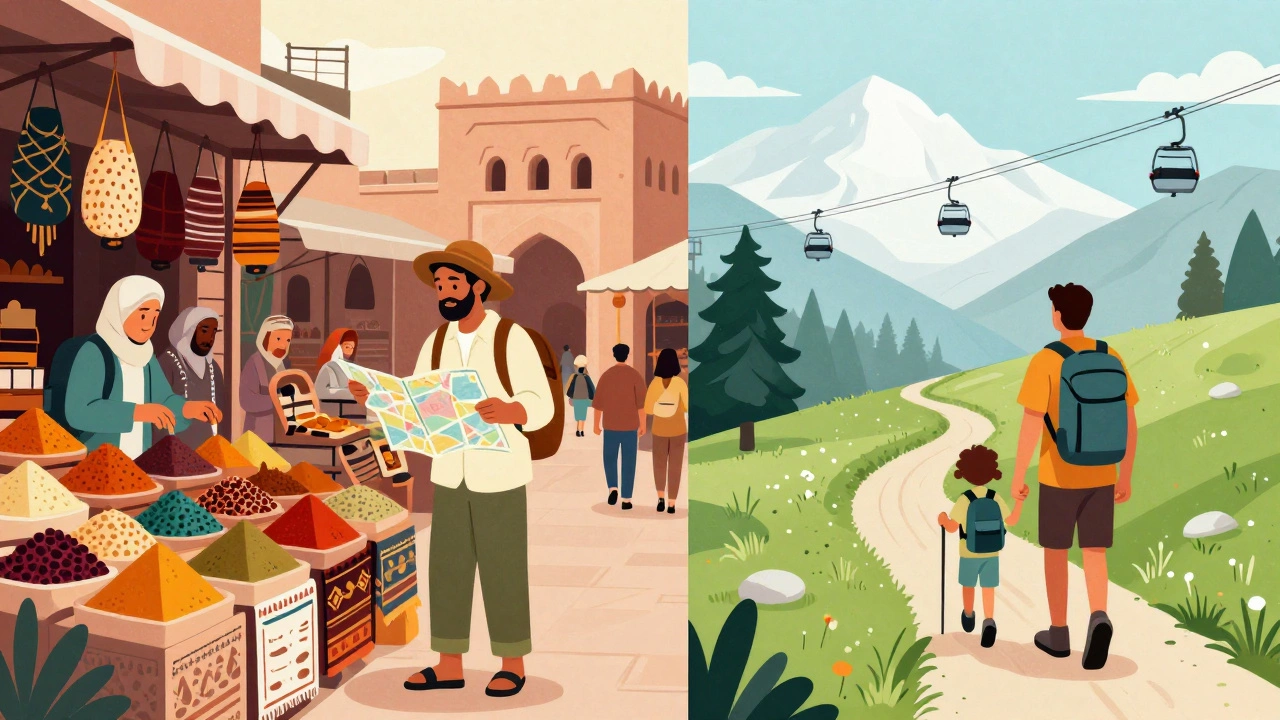
You don’t need to climb Everest to have this mindset. Walking through a bustling market in Marrakech without a map, negotiating prices in a language you barely speak, and eating street food that looks unfamiliar-these are daily adventures. The key is approaching these moments with openness rather than fear.
Hard Adventure vs. Soft Adventure: Where Do You Fit?
Not all adventure is created equal. The industry splits adventure travel into two main categories: hard and soft. Understanding the difference helps you identify your style and set realistic expectations.
| Feature | Hard Adventure | Soft Adventure |
|---|---|---|
| Physical Demand | High (requires training) | Low to Moderate |
| Risk Level | Higher (inherent danger) | Lower (managed risk) |
| Examples | Kayaking rapids, rock climbing, white-water rafting | Hiking trails, wildlife safaris, cultural immersion tours |
| Equipment | Specialized gear required | Standard travel gear sufficient |
| Target Audience | Fitness enthusiasts, thrill-seekers | Curious explorers, families, beginners |
If you prefer soft adventure, you might enjoy a guided hike in the Swiss Alps where the path is well-marked and a cable car takes you partway up. Hard adventure would mean scrambling up loose scree with only a rope and your wits. Both are valid forms of adventure travel. The distinction matters because it affects how you prepare and what kind of experiences you seek.
Many people start with soft adventure and gradually move toward harder challenges as their confidence grows. There’s no shame in preferring the softer side. In fact, soft adventure allows deeper cultural engagement since you’re not exhausted from physical exertion. You can spend more time talking to locals, tasting food, and observing traditions.
The Role of Preparation and Planning
Here’s a myth: adventure travellers are reckless. Nothing could be further from the truth. Good adventure travel requires meticulous planning. The difference is that you plan for safety, not for convenience.
An adventure traveller researches weather patterns, local customs, and emergency protocols. They pack layers instead of relying on hotel AC. They learn basic phrases in the local language. This preparation doesn’t kill the spontaneity; it enables it. Knowing you have a first-aid kit and a satellite phone lets you wander off the beaten path with confidence.
Consider the concept of "risk management." In adventure sports like skiing or surfing, you assess conditions before entering the water or hitting the slopes. Travel works the same way. You check political stability, health advisories, and natural disaster risks. This isn’t paranoia-it’s respect for the environment and the people living there.
Preparation also includes financial readiness. Adventure travel can be expensive due to specialized gear and guided tours. However, it can also be cheaper than luxury resort holidays if you choose hostels, public transport, and local meals. The key is budgeting for experiences rather than amenities.
Sustainability and Responsible Travel
Modern adventure travel is deeply tied to sustainability. An adventure traveller cares about their impact on the destination. They understand that fragile ecosystems-like coral reefs or alpine meadows-can be damaged by careless visitors.
This means practicing "Leave No Trace" principles. It means supporting local businesses instead of international chains. It means respecting wildlife by keeping a safe distance during safaris or whale watching. Responsible adventure travel ensures that destinations remain pristine for future generations.
Think about carbon footprints. Flying to remote locations has a high environmental cost. Many adventure travellers offset their flights or choose slower modes of transport like trains or bicycles when possible. Some even participate in conservation projects, such as tree planting or beach cleanups, as part of their trip.
This ethical dimension sets modern adventure travellers apart from past generations. It’s not just about conquering mountains; it’s about protecting them. Companies offering adventure holidays now prioritize eco-friendly practices, using solar power, reducing plastic waste, and hiring local guides. As a traveller, you vote with your wallet by choosing these operators.
Solo Travel: The Ultimate Test
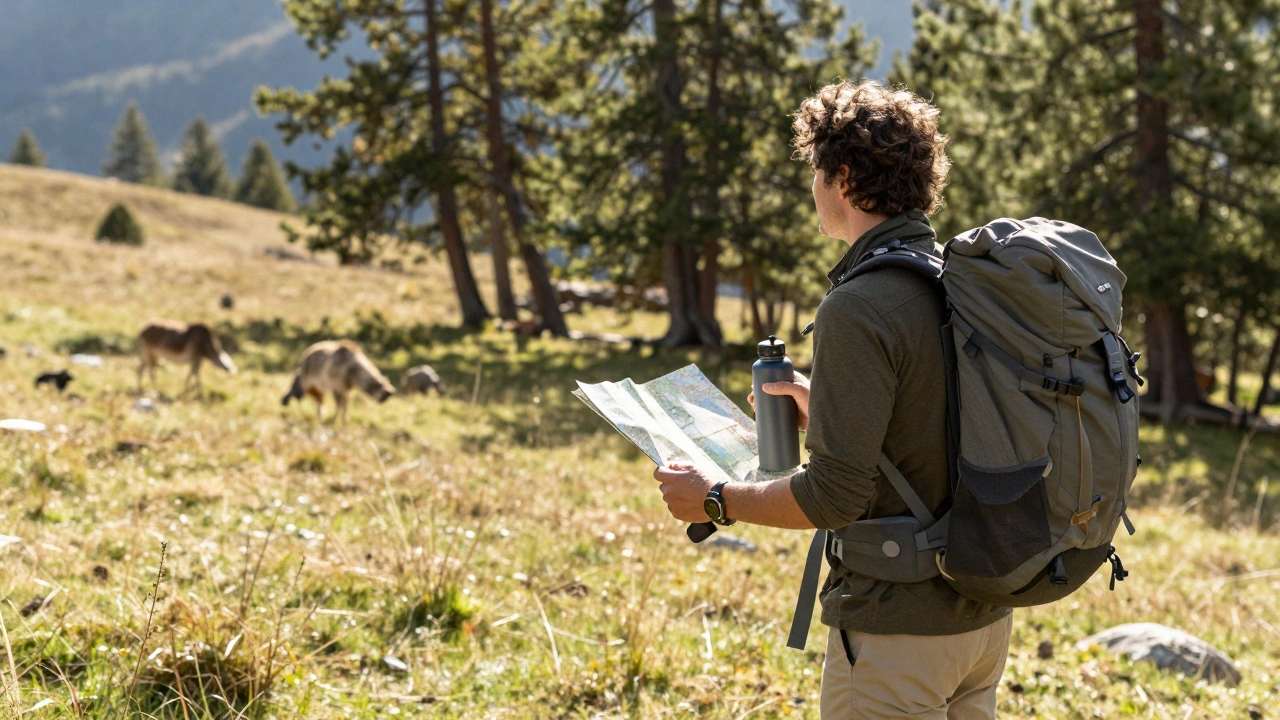
Solo travel is a hallmark of many adventure travellers. Doing it alone forces you to rely on yourself, build confidence, and connect with strangers. Without a companion to lean on, you become more observant and adaptable.
However, solo travel isn’t for everyone. It requires strong social skills and emotional resilience. You’ll eat dinner alone sometimes. You’ll miss photos because no one is taking them. But you’ll also meet incredible people along the way. Hostels, group tours, and volunteer programs are great ways to meet fellow travellers.
Women travelling solo face additional challenges, particularly regarding safety. Research shows that women are less likely to be targeted for violent crime than men, but they may face harassment or discrimination. Proper preparation-including researching safe neighborhoods, avoiding isolated areas at night, and trusting instincts-is essential.
Solo adventure travel teaches independence. It proves to you that you can handle difficult situations. Once you’ve navigated a foreign city alone, other problems seem smaller. This confidence spills over into everyday life, making you more assertive and self-reliant.
How to Start Your Adventure Journey
If you’re reading this and feeling inspired, don’t wait until you’re retired or wealthy. Adventure travel starts small. Here’s how to begin:
- Start Local: Explore national parks or hiking trails near your home. Get comfortable being outdoors without amenities.
- Join a Group: Sign up for a guided tour or workshop. This provides structure and safety while you learn new skills.
- Invest in Gear: Buy quality boots, a backpack, and weather-appropriate clothing. Good gear makes a huge difference in comfort and safety.
- Learn Skills: Take courses in first aid, navigation, or photography. These skills enhance your experience and reduce anxiety.
- Travel Light: Pack only what you need. Luggage slows you down and limits mobility.
Remember, adventure is a spectrum. You don’t have to jump into the deep end. Gradually increase the difficulty and remoteness of your trips as you gain experience. Listen to your body and mind. Push yourself, but don’t endanger yourself.
The beauty of adventure travel is that it changes you. You return home with broader perspectives, greater appreciation for simplicity, and memories that last a lifetime. Whether you’re trekking through the Amazon or cycling across Europe, the journey matters more than the destination.
Do I need to be an athlete to be an adventure traveller?
No, you don’t need to be an elite athlete. While physical fitness helps for hard adventures like mountaineering, soft adventures like cultural walks or wildlife safaris require minimal exertion. Focus on building endurance gradually through regular exercise like walking or swimming. Most importantly, listen to your body and choose activities that match your current fitness level.
Is adventure travel expensive?
It can be, but it doesn’t have to be. Luxury adventure tours with private guides and premium gear cost more. However, budget options exist everywhere. Stay in hostels, use public transport, eat local street food, and free activities like hiking are often included. The key is prioritizing spending on experiences rather than accommodation or dining.
How do I stay safe during adventure travel?
Safety comes from preparation. Research your destination thoroughly, including political stability and health risks. Carry comprehensive travel insurance that covers adventure activities. Learn basic first aid. Inform someone trustworthy of your itinerary. Trust your instincts-if something feels wrong, leave. Always follow local guidelines and hire certified guides for risky activities.
Can families go on adventure holidays?
Absolutely. Many adventure operators offer family-friendly packages. Soft adventures like gentle hikes, kayaking on calm lakes, or visiting national parks are perfect for kids. Choose destinations with good infrastructure and medical facilities. Involve children in planning to keep them engaged. Adventure travel teaches resilience and curiosity early on.
What is the best age to start adventure travel?
There is no ideal age. Young adults often have energy and flexibility, but older travellers bring wisdom and savings. Start whenever you feel ready. Begin with shorter, easier trips close to home. Build confidence and skills over time. Adventure travel is accessible to anyone who is physically capable and mentally open to new experiences.