
What Not to Do When Visiting Britain: A Traveler's Guide
 Sep, 24 2026
British Etiquette Scenario Checker
Navigate through common situations in Britain. Choose the action that aligns with local expectations to earn respect (and points).
Your Etiquette Score
You just landed at Heathrow or perhaps you're driving up from the south coast for a weekend in the Cotswolds. You've got your itinerary, your accommodation booked, and your excitement levels maxed out. But hold on. Before you step out into the damp British air, there is a minefield of social faux pas waiting to trip you up. Britain isn't just a collection of castles and tea shops; it's a complex web of unspoken rules, historical sensitivities, and regional pride. Get one thing wrong, and you might find yourself staring down the nose of a local who thinks you're either rude or hopelessly confused.
So, what exactly should you avoid? It’s not about being perfect. It’s about respecting the rhythm of the place. Whether you are a first-time visitor or returning after years away, these missteps can turn a lovely holiday into an awkward ordeal. Let’s break down the biggest "don'ts" so you can blend in rather than stand out for all the wrong reasons.
Don’t Assume Everyone Is British
This is the cardinal sin of visiting Britain. Many visitors, especially those from outside Europe, lump England, Scotland, Wales, and Northern Ireland together as one homogeneous blob called "England." If you walk into a pub in Edinburgh and ask for directions to "the English capital," you might get a polite correction. Or you might get a cold shoulder. Britain is a sovereign state comprising four distinct countries, each with its own legal system, education system, and fierce national identity.
Think of it like visiting the United States and calling everyone "New Yorkers" because you landed in JFK. It’s inaccurate and slightly offensive. In Scotland, a country that is part of the United Kingdom, people are proud of their distinct heritage, language (Scots), and history. Calling a Scot "English" is akin to calling a Canadian "American." It ignores centuries of separate development. Similarly, Wales has its own language, which is widely spoken in parts of the country. Using "Welsh" instead of "British" when appropriate shows respect. If you’re unsure, listen to how locals refer to themselves. They’ll usually tell you if they prefer "Briton," "English," "Scottish," or "Welsh."
Don’t Ignore the Queue
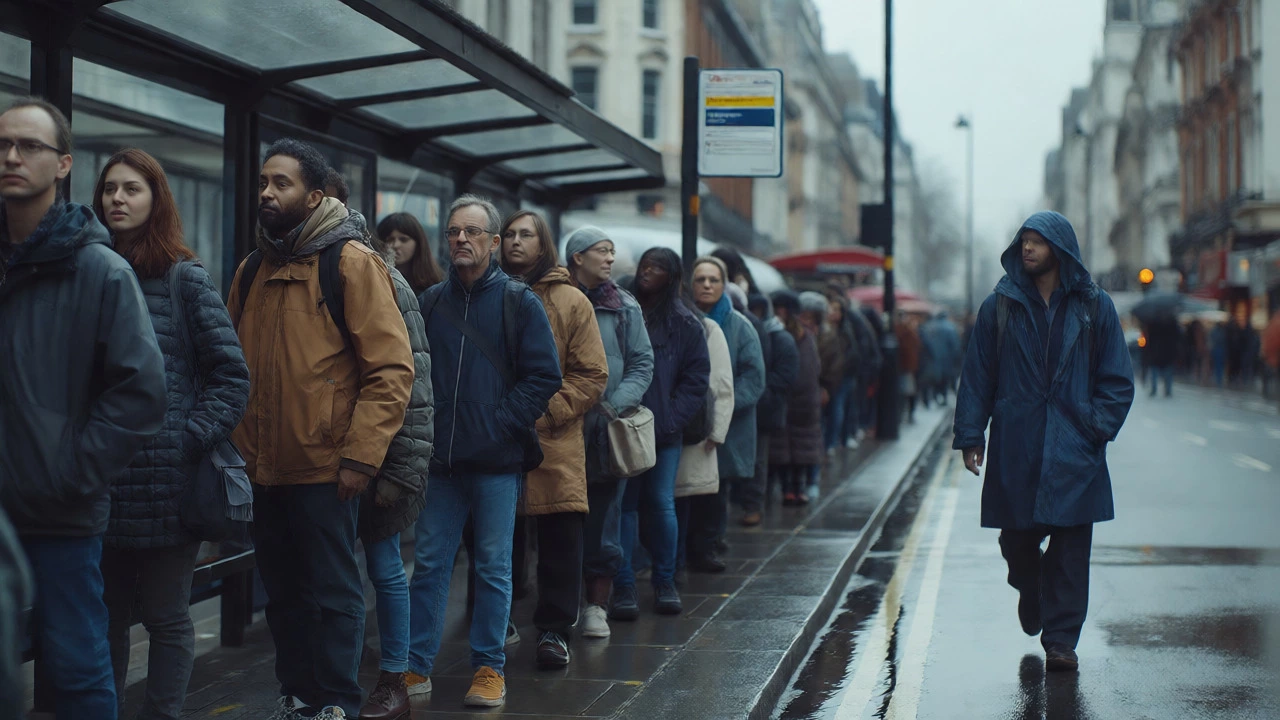
If there is one institution more sacred than the monarchy in Britain, it’s the queue. Queuing is not just a way to wait; it is a moral imperative. Cutting in line, even for a split second to grab a coffee, is viewed with near-horror. The unwritten rule is simple: you join the back of the line, you wait your turn, and you do not push ahead unless explicitly invited to do so.
This applies everywhere. At bus stops, train stations, supermarket checkouts, and popular tourist attractions. If you see a line forming, assume it is official. Even if it looks disorganized, there is an order. Trying to bypass the queue by asking staff directly while others wait behind you will earn you immediate disapproval. And remember, queuing is also a social space. You don’t need to talk, but you shouldn’t block the path or lean on someone else’s personal bubble. Give people their space. If you’re traveling with a group, keep your group compact within the line. Don’t let one person save a spot while another wanders off to look at the shop window. That’s cheating, and Brits know it.
Don’t Misunderstand Pub Etiquette
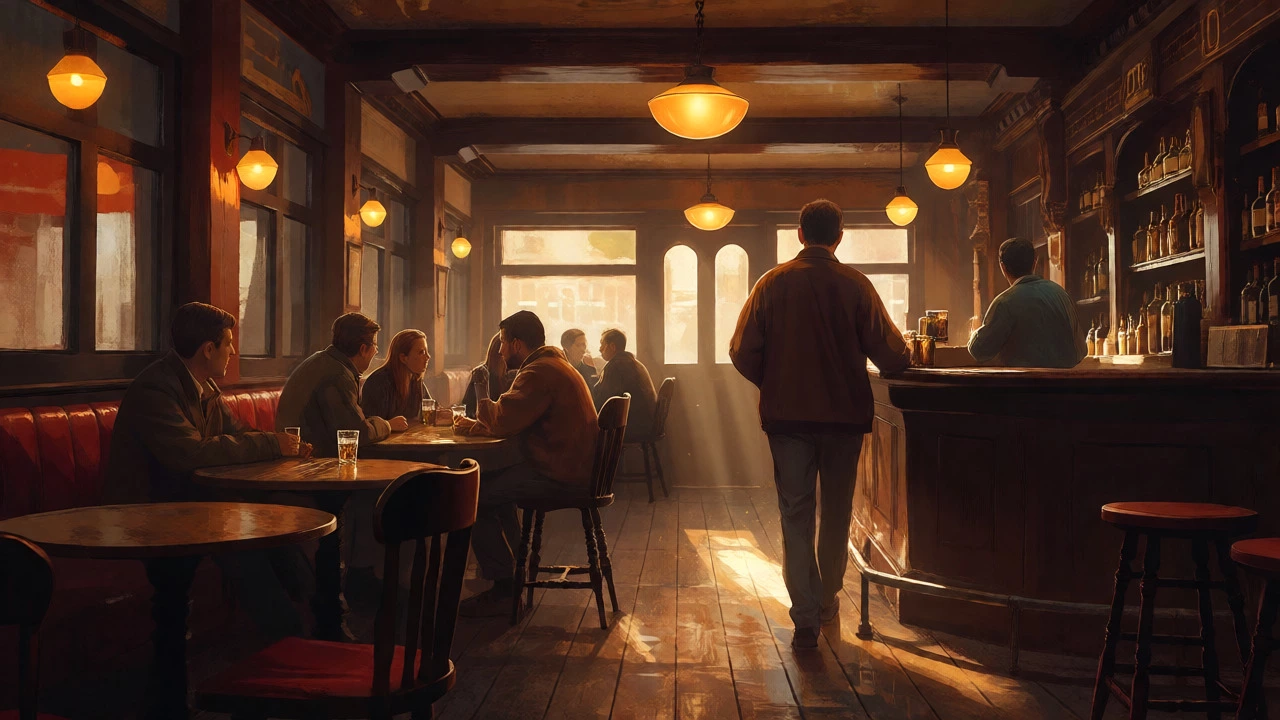
The Pub is the heart of British social life. It’s where deals are made, news is shared, and friendships are forged. But walking into a pub expecting table service like you would in a restaurant in France or Italy is a mistake. In most traditional pubs, you go to the bar, order, pay upfront, and then find a seat. There is no waiter coming around to take your order.
Also, be careful with tipping. While tipping is common in restaurants, it’s less expected in pubs. If you buy a round of drinks for a group, you don’t tip the bartender per drink. You might leave small change if you’re feeling generous, but it’s not mandatory. What is crucial is the concept of "buying a round." If you’re with friends, you take turns buying drinks for everyone. Skipping your turn without explanation is seen as stingy. If you’re alone, that’s fine-just enjoy your pint. But if you’re sitting at a communal table, don’t expect strangers to chat you up immediately. Pubs have a hierarchy of interaction. Start with eye contact or a nod. If they engage, great. If not, respect the silence. Also, never put your feet on the furniture. It’s considered lazy and disrespectful in a space that values decorum, even when casual.
Don’t Underestimate the Weather
It rains in Britain. Yes, we know. But visitors often underestimate how quickly conditions change. You can experience sunshine, rain, wind, and hail in the span of an hour. This isn’t just an inconvenience; it affects transport, outdoor plans, and your mood. The biggest mistake is packing only for sunny days or assuming summer means hot weather.
British summers are mild, rarely exceeding 25°C (77°F). Winters are damp and chilly but rarely extremely cold compared to Canada or Scandinavia. The key is layering. Bring a waterproof jacket that actually works. Umbrellas are useful, but in strong winds, they become useless projectiles. Locals often wear hats or hoods rather than umbrellas in heavy wind. Check the forecast before heading out, but always carry a spare layer. If you’re planning a hike in the Lake District or the Scottish Highlands, be prepared for visibility drops due to fog or mist. Ignoring weather warnings can lead to dangerous situations, not just wet socks.
Don’t Dismiss Regional Differences
Traveling from London to Manchester is not like driving from New York to New Jersey. The culture, accent, pace of life, and even food preferences shift significantly. Assuming that what’s true in London is true everywhere is a recipe for confusion. London is fast-paced, expensive, and international. Cities in the North East, like Newcastle, are known for friendliness and directness. The South West is more relaxed and rural.
For instance, asking for "tea" in a cafe might get you a cup of builder’s tea (strong black tea with milk) in some places, but a fancy latte elsewhere. Accents vary wildly. Someone from Liverpool speaks differently than someone from Bristol. If you struggle to understand an accent, don’t pretend you understood. Politely ask them to repeat it. Brits are generally patient and happy to help. But don’t mock the accent or make fun of the dialect. It’s a source of pride. Also, don’t assume all British food is bad. Fish and chips, Sunday roasts, and pies are delicious. Criticizing British cuisine harshly in front of locals can feel like insulting their home.

Don’t Forget the Politeness Protocol
British politeness is legendary, but it’s nuanced. Saying "sorry" is reflexive. If someone bumps into you, you might apologize anyway. This isn’t weakness; it’s social lubricant. However, this doesn’t mean you should be overly deferential. Be polite, but be clear. If you need something, say "please" and "thank you." These words are magic keys in Britain.
Avoid being too loud or boisterous in public spaces, especially on trains and buses. Brits value quiet reflection during commutes. Talking loudly on the phone in a carriage can draw irritated glances. Keep your volume down. Also, be mindful of personal space. Standing too close in queues or on crowded tubes can make people uncomfortable. Respect boundaries. If you’re apologizing, mean it. Sarcasm is common in British humor, but it can be tricky for visitors. If someone says "Lovely day, isn't it?" while it’s pouring rain, they’re likely joking. Don’t take everything literally. Read the tone.
Comparison of Common Tourist Mistakes vs. Local Expectations
| Scenario | Tourist Mistake | Local Expectation |
|---|---|---|
| National Identity | Calling everyone "English" | Use specific terms: Scottish, Welsh, Northern Irish, or British |
| Queuing | Cutting in line or pushing forward | Wait patiently at the back; maintain orderly spacing |
| Pub Service | Waiting for table service | Order and pay at the bar; find your own seat |
| Weather Prep | Packing only for sun | Layer clothing; carry waterproof gear regardless of forecast |
| Conversation | Asking personal questions immediately | Start with neutral topics like weather or travel; build rapport slowly |
| Tipping | Tipping heavily in pubs | Tipping optional in pubs; standard 10-15% in restaurants |
Practical Tips for a Smooth Visit
To avoid these pitfalls, here are some actionable steps. First, research your destination specifically. If you’re going to Glasgow, read up on Scottish culture. If you’re in Cardiff, learn a few Welsh phrases. Second, observe before you act. Watch how locals queue, how they interact in pubs, and how they dress. Third, pack smart. Layers, waterproofs, and comfortable shoes are non-negotiable. Fourth, learn basic currency handling. While cards are widely accepted, some smaller venues still prefer cash. Carry a few pounds for emergencies.
Finally, keep an open mind. Britain is diverse. You’ll meet people from every background. Some will be reserved, others chatty. Adapt to their energy. If you’re respectful, curious, and patient, you’ll find that Brits are incredibly welcoming. They appreciate visitors who try to understand their world rather than imposing their own expectations.
Is it rude to tip in British pubs?
No, it’s not rude, but it’s not expected either. Tipping in pubs is uncommon because prices include service costs implicitly. If you want to show appreciation, rounding up the bill or leaving small change is sufficient. In restaurants, however, a 10-15% tip is standard if service wasn’t included.
Why do Brits apologize so much?
Apologizing is a social norm used to diffuse tension and acknowledge minor inconveniences. It’s not necessarily an admission of guilt. Saying "sorry" when bumping into someone, or even when someone else bumps into you, maintains social harmony and signals politeness.
Can I use my mobile phone data in Britain?
This depends on your provider. Since Brexit, many European roaming plans no longer include free data in the UK. Check with your carrier before traveling. Buying a local SIM card or using an eSIM plan upon arrival is often cheaper and more reliable for extensive data use.
What is the best time to visit Britain to avoid crowds?
Shoulder seasons, such as May-June and September-October, offer milder crowds and decent weather. July and August are peak tourist months, leading to higher prices and congested attractions. Winter visits can be atmospheric but shorter days limit sightseeing time.
Do I need to speak British English?
No, standard English is perfectly fine. Just be aware of vocabulary differences. For example, use "lift" instead of "elevator," "flat" instead of "apartment," and "loo" or "toilet" instead of "bathroom" in public contexts. Understanding these terms helps avoid confusion.