
What Size House Is Considered a Cottage? Dimensions, Rules & Rental Tips
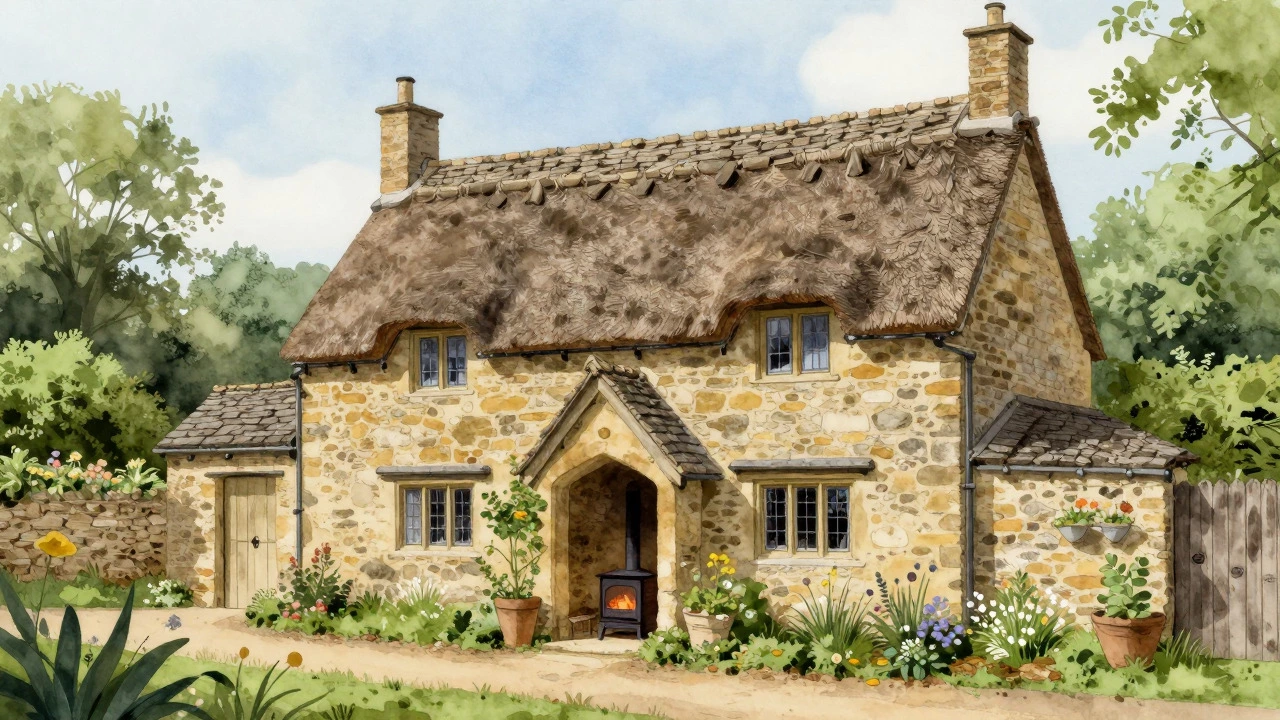 Jul, 30 2026
Cottage Size & Classification Checker
Not sure if your booking is a cozy retreat or a sprawling mansion? Enter the details below to classify the property according to historical and modern industry standards.
Result Placeholder
Description goes here.
Analysis
Picture this: you’re scrolling through booking sites for a quiet weekend away. You filter by "cottage" expecting a tiny, charming retreat with a wood-burning stove and maybe one bedroom. Instead, the results show sprawling stone mansions with five bedrooms, a cinema room, and enough space to host your entire extended family. It feels wrong, doesn’t it? The word "cottage" has lost its meaning in the age of short-term rentals.
This confusion isn’t just about semantics; it affects your budget, your comfort, and the vibe of your trip. If you are looking for intimacy and coziness, booking a 3,000-square-foot estate is a mistake. But what exactly defines a cottage? Is there a hard square footage limit? In this guide, we break down the historical rules, modern rental realities, and how to spot a true cottage versus a large country house masquerading as one.
The Historical Definition: Small, Simple, and Solid
To understand what size a cottage should be, we have to look at where the word comes from. Historically, a cottage was defined not just by its size, but by its occupant and construction. In medieval England, a cottage was a small dwelling occupied by a peasant or laborer. These homes were built for function, not luxury.
Traditionally, these structures were very compact. A typical historic cottage might have been between 400 to 800 square feet. They often consisted of a single room downstairs (the kitchen/living area) and perhaps one loft space upstairs for sleeping. The walls were thick-made of stone, timber, or wattle and daub-to keep out the cold. There was no wasted space. Every inch served a purpose.
So, if we stick to the strict historical definition, a cottage is undeniably small. It is a home that fits on a modest plot of land, usually detached, and lacks the grandeur of a manor or even a standard farmhouse. If you see a listing with a double-height entrance hall and a library, it’s not a cottage, no matter what the host calls it.
Modern Rental Standards: The Gray Area
Today, the term "cottage" is used loosely in the hospitality industry. Platforms like Airbnb, Booking.com, and specialized cottage rental sites use the tag to evoke a feeling rather than enforce a measurement. However, most reputable agencies and local councils still have guidelines.
In the United Kingdom, which dominates the global cottage rental market, there is no legal statute that says "a cottage must be under X square feet." Instead, the definition relies on character and scale. Generally, a modern holiday cottage falls into these categories:
- Tiny Cottages: Under 500 sq ft. Usually one bedroom, studio-style or split-level. Perfect for couples.
- Standard Cottages: 600 to 1,000 sq ft. Typically two to three bedrooms. This is the sweet spot for families of four.
- Large Cottages: 1,000 to 1,500 sq ft. Four bedrooms max. Anything larger starts drifting into "Country House" territory.
If a property exceeds 1,500 square feet, it is technically a house, not a cottage. Yet, you will still find listings labeled as "Luxury Cottages" that are massive. Why? Because marketing teams know that "cottage" sells better than "large rural house." It promises warmth and escape. As a savvy traveler, you need to look past the label and check the floor plan.
| Property Type | Average Square Footage | Typical Bedrooms | Vibe & Features |
|---|---|---|---|
| Cottage | 400 - 1,000 sq ft | 1 - 3 | Cozy, low ceilings, wood beams, compact kitchen |
| Farmhouse | 1,200 - 2,500 sq ft | 3 - 5 | Functional, higher ceilings, separate utility rooms |
| Country House | 2,500+ sq ft | 5+ | Grand, multiple living areas, formal dining, gardens |
| Barn Conversion | 800 - 2,000 sq ft | 2 - 4 | Open plan, high ceilings, industrial materials |
Why Size Matters for Your Stay
You might wonder why the distinction matters. After all, more space sounds better, right? Not always. The charm of a cottage lies in its proportions. When you rent a true cottage, you get an experience that feels intimate. The furniture is close together. The fire heats the room quickly. The noise from the rain on the roof is comforting because the ceiling is low.
In contrast, a large "cottage" (really a big house) can feel empty and cold. You might spend your evening walking up and down stairs to find everyone else. For many travelers, especially couples or solo adventurers, a huge house creates a sense of isolation rather than connection. Plus, heating a 3,000-square-foot stone building costs a fortune, and those bills are sometimes passed on to you or reflected in the nightly rate.
Consider the cleaning aspect too. If you are staying for a week, maintaining a tiny cottage is easy. You can tidy up in ten minutes. Maintaining a large property requires effort. If you value relaxation over real estate tours, sticking to the traditional size range ensures you actually relax.
How to Spot a Real Cottage Online
Since filters on booking sites are unreliable, you need to develop a keen eye for detail. Here is how to determine if a listing is a genuine cottage or a mislabeled mansion before you click "Book."
- Check the Bedroom Count: If it has more than three bedrooms, pause. Most authentic cottages do not accommodate more than six people comfortably. Four-bedroom properties are often converted farmhouses or large villas.
- Look at the Floor Plan: Many listings provide a layout image. A cottage will show a compact footprint. Look for open-plan living/kitchen areas that flow directly into a small dining nook. Large properties will have separate formal dining rooms, studies, and multiple lounges.
- Read the Description Keywords: Words like "grand," "spacious," "expansive," and "estate" signal a large house. Words like "cosy," "compact," "nestled," and "intimate" suggest a true cottage.
- Examine the Photos: Look at the ceilings. Traditional cottages have low, beamed ceilings. Modern large houses have high, vaulted ceilings. Also, look at the windows. Cottage windows are often smaller and placed lower to the ground to maximize light in a small space.
- Contact the Host: Don’t be shy. Ask directly: "Is this a small, cozy cottage or a large multi-room house?" Good hosts will appreciate your clarity and give you an honest square footage estimate.
Regional Differences: UK vs. US vs. Canada
The concept of a cottage varies significantly depending on where you are in the world. Understanding these nuances helps set realistic expectations.
In the UK: The cottage is a cultural icon. Think of the Cotswolds or the Lake District. These are often centuries-old stone buildings, very small by modern standards, with thick walls and small windows. A "cottage" here is almost always under 1,000 sq ft. If it’s bigger, it’s called a "farmhouse" or "manor."
In the US: The term "cottage" is often associated with vacation spots like Cape Cod or lakefront properties. American "cottages" can be surprisingly large. A beach cottage in Massachusetts might be 1,200 sq ft, while a lakeside cabin in Minnesota might be 800 sq ft. The US tends to equate "cottage" with "vacation home" regardless of size, though they are generally smaller than suburban houses.
In Canada: Similar to the US, but with a stronger emphasis on rustic materials. A Canadian cottage often implies a wooden structure near water. Sizes vary wildly, from tiny fishing shacks (300 sq ft) to large family compounds. However, the core idea remains: it’s a secondary residence meant for leisure, not a primary family home.
Pros and Cons of Staying in a True-Sized Cottage
Before you book, weigh the benefits against the limitations. Choosing a small, authentic cottage is a lifestyle choice.
The Pros:
- Atmosphere: You get that storybook feel. It’s romantic, quiet, and secluded.
- Cost-Effective: Smaller properties are often cheaper to rent and heat.
- Eco-Friendly: Less space means less energy consumption. Many small cottages are built with sustainable, local materials.
- Focus on Outdoors: Since the interior is small, you are encouraged to spend time outside. It’s perfect for hiking, cycling, or exploring the local village.
The Cons:
- Limited Space: If you have a lot of luggage, sports gear, or kids who run around, you might feel cramped.
- Accessibility Issues: Old cottages often have steep stairs, narrow doorways, and no elevators. They are rarely wheelchair accessible.
- Facilities: Kitchens may be small with limited counter space. Bathrooms might be compact or shared in older properties.
- Temperature Control: Thick stone walls take a long time to warm up. In winter, you rely heavily on a central fireplace or efficient electric heaters.
Final Thoughts on Finding Your Perfect Fit
There is no single legal number that defines a cottage, but the spirit of the word points to simplicity and smallness. If you want the classic cottage experience, aim for properties under 1,000 square feet with two or three bedrooms. Avoid the marketing traps of "luxury estates" disguised as cottages if you seek intimacy.
Remember, the goal of a holiday is to disconnect and recharge. A small, well-designed cottage forces you to slow down, put away your devices, and enjoy the company of those around you. Whether you are in the English countryside, a Canadian forest, or a New England shore, let the size of the home guide the pace of your trip. Choose small, choose cozy, and choose wisely.
Is there a legal definition for the size of a cottage?
No, there is no universal legal definition for the square footage of a cottage. Regulations vary by country and local municipality. In the UK, for example, planning permissions may define a "cottage" based on historical status or occupancy limits, but not strictly by size. Most definitions are cultural or industry-based rather than statutory.
How many bedrooms does a typical cottage have?
A typical traditional cottage has one to three bedrooms. One-bedroom cottages are common for couples, while two or three-bedroom options cater to small families. Properties with four or more bedrooms are usually classified as farmhouses or country houses due to their larger scale.
Are cottages suitable for large groups?
Generally, no. Authentic cottages are designed for small groups, typically up to four or six people. If you are traveling with a large group of eight or more, you will likely need to book a larger farmhouse or country house to ensure everyone has comfortable space and adequate facilities.
Why are some large houses called cottages?
Marketing is the main reason. The word "cottage" evokes feelings of warmth, romance, and escape. Rental owners often use the term to attract customers looking for a cozy getaway, even if the property is a large, modern build. It is a branding strategy rather than an accurate architectural description.
What is the difference between a cottage and a cabin?
While both are small holiday homes, cabins are typically made of wood and located in forested or mountainous areas. Cottages are often made of stone or brick and are found in rural villages or countryside settings. Cabins tend to be more rustic and utilitarian, whereas cottages often emphasize charm and historical character.
Do cottages have modern amenities?
Many modern holiday cottages are fully equipped with Wi-Fi, smart TVs, and modern kitchens. However, older, authentic cottages may lack some conveniences like central heating, spacious bathrooms, or elevator access. Always check the amenity list carefully before booking, especially if you have specific needs.