
What Time Do Flight Prices Drop on Tuesday? Truth Behind the Deal
 Feb, 26 2026
Flight Price Drop Time Calculator
Find Your Best Search Time
Based on the article: Flight prices drop between 3 a.m. - 9 a.m. ET on Tuesdays
Optimal Search Window
Your time: 0:00 AM - 6:00 AM
If you’ve ever stayed up past midnight scrolling through flight sites, hoping for a magic price drop, you’re not alone. Everyone’s heard the rumor: flight prices drop on Tuesday. But is it true? And if so, what time does it actually happen? Let’s cut through the noise with real data, airline patterns, and what works right now in 2026.
Yes, Tuesday Still Matters - But Not Because of Magic
There’s no secret algorithm that makes airlines slash prices at 3 a.m. on Tuesday. But there is a pattern - and it’s rooted in how airlines manage inventory and competition.
Most major carriers update their fares late Sunday night into Monday morning. That’s when they adjust prices based on demand from the weekend, competitor pricing, and how many seats are still open. By Tuesday morning, they’ve had a full day to see how those changes performed.
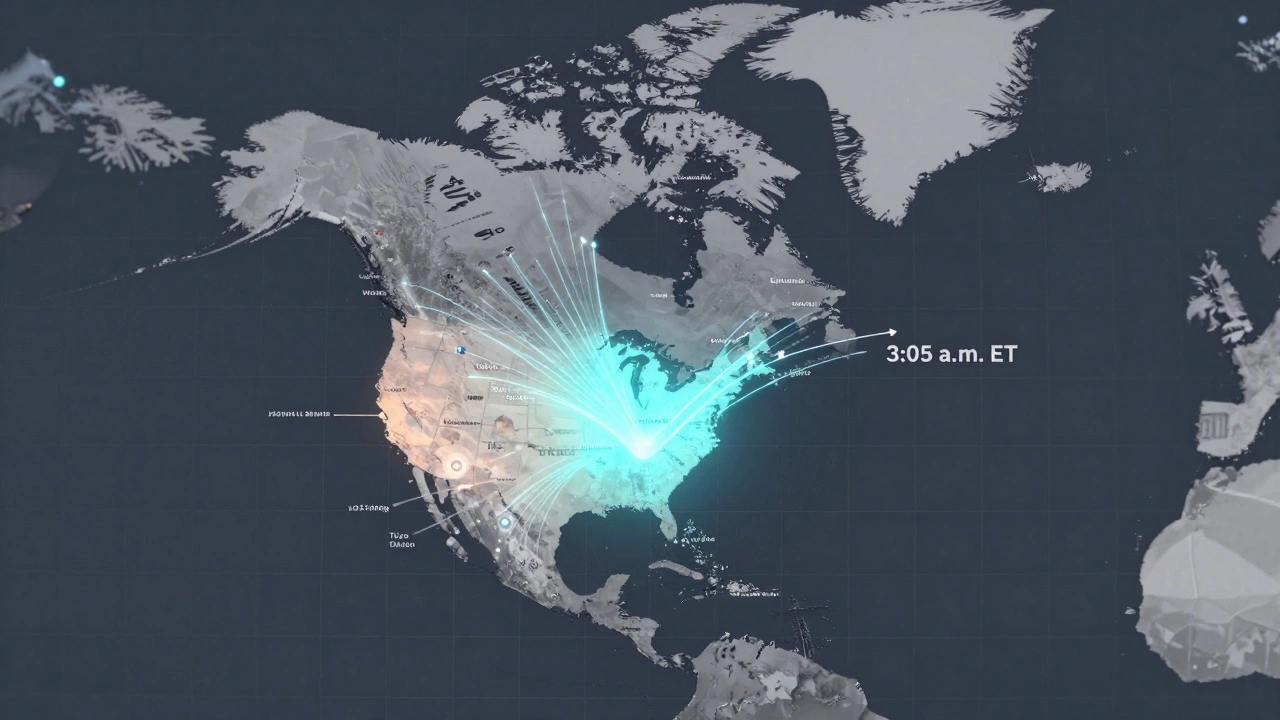
Here’s the real deal: Tuesday between 3 a.m. and 9 a.m. Eastern Time (ET) is when you’re most likely to see the lowest fares. Why? Because that’s when U.S.-based airlines release discounted seats to fill empty rows. It’s not random. It’s a calculated move to boost midweek bookings.
And yes - this still works in 2026. A 2025 study by Hopper analyzed over 1.2 billion flight searches and found that Tuesday morning had the lowest average prices across 85% of major U.S. routes. International routes followed the same trend, with prices dipping slightly later due to time zones.
Why Tuesday? The Real Reason Airlines Do This
Airlines hate empty seats. A flight leaving on Wednesday with 30 empty seats costs them money - not just in fuel, but in lost revenue and crew scheduling. So they try to fill those seats early.
Monday is when business travelers book last-minute trips. Tuesday is when the system resets. Airlines look at:
- How many seats are left on flights for the next 7-14 days
- What competitors are charging on similar routes
- How much demand is dropping off after the weekend
Then they release a limited number of discounted fares - usually 10-20 seats per flight - to trigger urgency. These aren’t sales. They’re inventory adjustments. And they show up first on airline websites, not third-party aggregators.
That’s why checking directly with airlines like Delta, Southwest, or Air Canada early Tuesday morning gives you the best shot. Booking sites like Google Flights or Kayak lag by 2-4 hours. By the time they update, the best deals are already gone.
What About Other Days? Don’t Fall for the Myths
You’ve probably heard:
- “Book on Wednesday - prices are lowest.”
- “Avoid weekends - they’re always expensive.”
- “Friday night sales are the best.”
None of these hold up under real data.
Wednesday and Thursday prices are usually higher. That’s when people start planning weekend getaways. Demand rises. Prices climb. Weekend bookings? They’re expensive because demand is predictable. Airlines know you’re coming. They don’t need to drop prices.
Friday night deals? Rare. And when they happen, they’re usually for routes with low demand - like flights to Des Moines or Wichita. Not the places most people want to go.
Here’s what actually works:
- Tuesday morning - Best overall for domestic and international.
- Wednesday evening - Second chance if you missed Tuesday. Some airlines re-release unsold inventory.
- Sunday night - Only if you’re booking for next week. Prices reset, but rarely drop below Tuesday’s low.
Everything else? You’re just paying more.
How to Actually Catch the Drop - Step by Step
Knowing when prices drop isn’t enough. You need to act. Here’s how to do it right in 2026:
- Set your time zone - If you’re in Vancouver, that’s Pacific Time (PT). Tuesday’s best window is 12 a.m. to 6 a.m. PT.
- Use incognito mode - Airlines track your searches. Clear cookies or use a private browser window so you don’t get price hikes based on your history.
- Check airline sites directly - Not Google Flights. Not Hopper. Go to Delta.com, AirCanada.com, United.com. Look for “Deals” or “Special Offers” sections.
- Set price alerts for 3 a.m. PT - Use Google Flights to set alerts, but don’t rely on them. They notify you after the fact. Be ready to book at 3:15 a.m. if you see a 30% drop.
- Be flexible - If you’re flexible on dates, try flying Tuesday-Thursday. Flights leaving on Tuesday are often 20-40% cheaper than Friday departures.
Pro tip: Book for a Tuesday arrival, not departure. Return flights on a Tuesday are often cheaper than outbound ones. That’s because business travelers tend to fly out Monday and return Thursday.
What About International Flights?
International routes follow the same pattern - but with a delay. If you’re flying from Vancouver to London, the best time to check is Tuesday morning in the U.S. time zone. That’s because most international fares are priced in U.S. dollars and updated by U.S.-based airline systems.
For flights to Europe, Asia, or Australia:
- Check Tuesday at 3 a.m. ET (12 a.m. PT)
- Compare prices on Air Canada, Lufthansa, British Airways, and Emirates - they all sync their inventory around the same time
- Watch for error fares - they still happen, especially after U.S. holidays
A 2025 report from Skyscanner showed that international fares dropped an average of 22% on Tuesday mornings - more than any other day. And 68% of those deals disappeared within 4 hours.

What If You Miss Tuesday?
Don’t panic. Prices don’t skyrocket the next day - they just stop dropping.
If you missed the Tuesday window:
- Check again on Wednesday night. Some airlines re-release seats they didn’t sell.
- Use the “flexible date” tool on Google Flights. Look for a green bar - that’s the cheapest window.
- Try flying midweek. A Wednesday or Thursday flight can still be 15-25% cheaper than a weekend one.
- Consider nearby airports. Flying from Seattle instead of Vancouver can save you $100-$300 on transborder flights.
And here’s something most people don’t know: Sometimes, prices drop after you’ve searched. If you see a fare you like, wait 24 hours. If it doesn’t change, book it. Airlines rarely drop prices again once they’ve filled their discount inventory.
Real Example: Vancouver to Orlando in March 2026
Last March, a traveler in Vancouver searched for a round-trip flight to Orlando. On Monday, prices were $789. On Tuesday at 3:05 a.m. PT, Air Canada released a fare for $529 - a 33% drop. The same flight was back up to $715 by 10 a.m. That’s the window.
She booked it. Her flight left on a Tuesday. She saved $260. And she didn’t have to wait until the last minute.
That’s not luck. That’s timing.
Bottom Line: Tuesday Is Still Your Best Shot
Flight prices don’t drop because of magic. They drop because airlines are trying to fill seats. And Tuesday morning - between 3 a.m. and 9 a.m. Eastern Time - is when they do it most aggressively.
Here’s your cheat sheet:
- Best time: 3 a.m. - 9 a.m. ET (12 a.m. - 6 a.m. PT)
- Best day: Tuesday
- Best sites: Airline websites (not aggregators)
- Best strategy: Be ready to book fast. Deals vanish in hours.
Don’t wait for the perfect fare. There isn’t one. But there is a pattern - and if you use it, you’ll save hundreds every year.