
What to Do When Your Anxiety Is High: Simple Weekend Getaways That Actually Work
 Feb, 16 2026
Quick Getaway Planner
Plan Your Getaway
When your anxiety spikes, telling yourself to "just relax" doesn’t help. Your heart races. Your thoughts spiral. Breathing feels impossible. You don’t need a week off or a fancy spa retreat. You need something real, something immediate - a weekend getaway that resets your nervous system without asking you to spend a fortune or plan a trip that feels like another job.
Get out of your head, into your body
Anxiety lives in your mind, but it shows up in your body. Tight shoulders. Stomach knots. Sleepless nights. The best way to break the cycle isn’t by thinking harder - it’s by moving differently. A short trip away from your usual space forces your brain to shift gears. It’s not magic. It’s biology.Studies from the University of British Columbia show that spending just two hours in natural settings lowers cortisol levels by up to 15%. You don’t need a forest. You don’t need a mountain. You need quiet. Space. A change of scenery that doesn’t come with Wi-Fi passwords or work emails.
Start with a 90-minute drive
You don’t need to fly anywhere. In fact, flying often adds more stress - security lines, delays, packed terminals. Instead, pick a spot within a 90-minute drive from Vancouver. Places like:- Golden Ears Provincial Park - trails with zero phone signal, clear streams, and pine-scented air
- Stawamus Chief - a short hike with jaw-dropping views that make your problems feel small
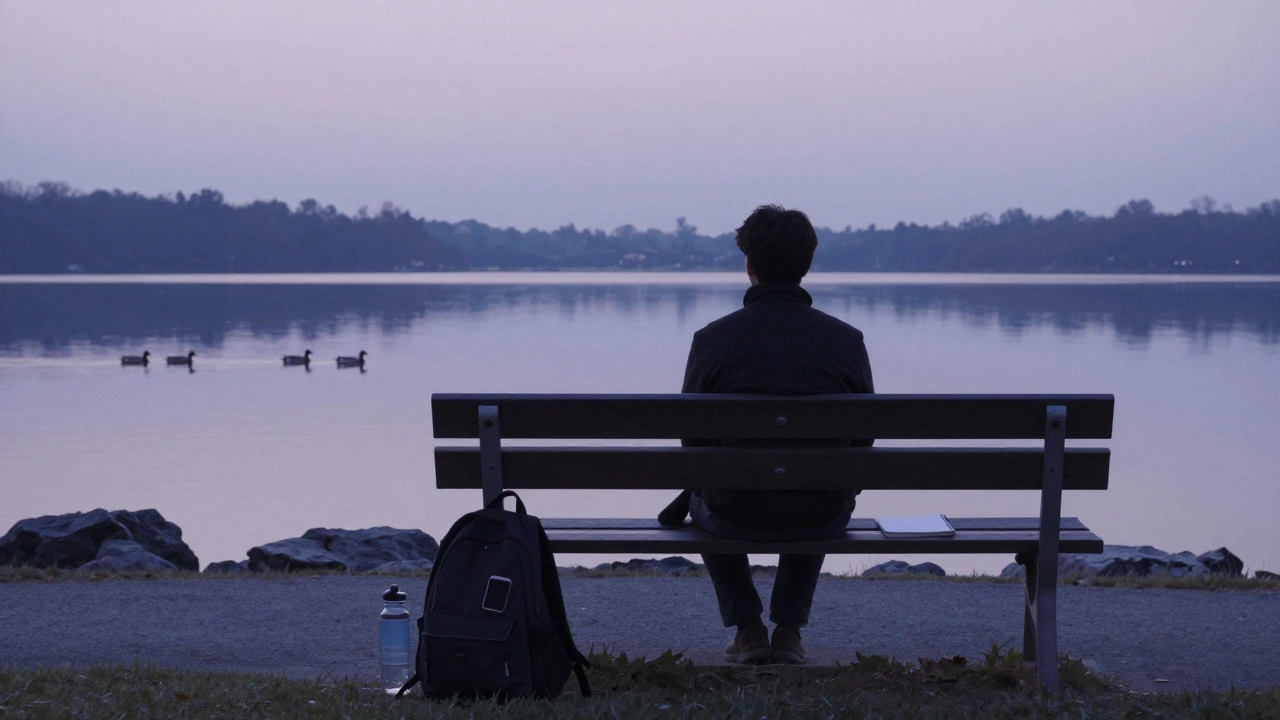
- Port Moody’s Rocky Point Park - lakeside benches, ducks, and zero people on weekdays
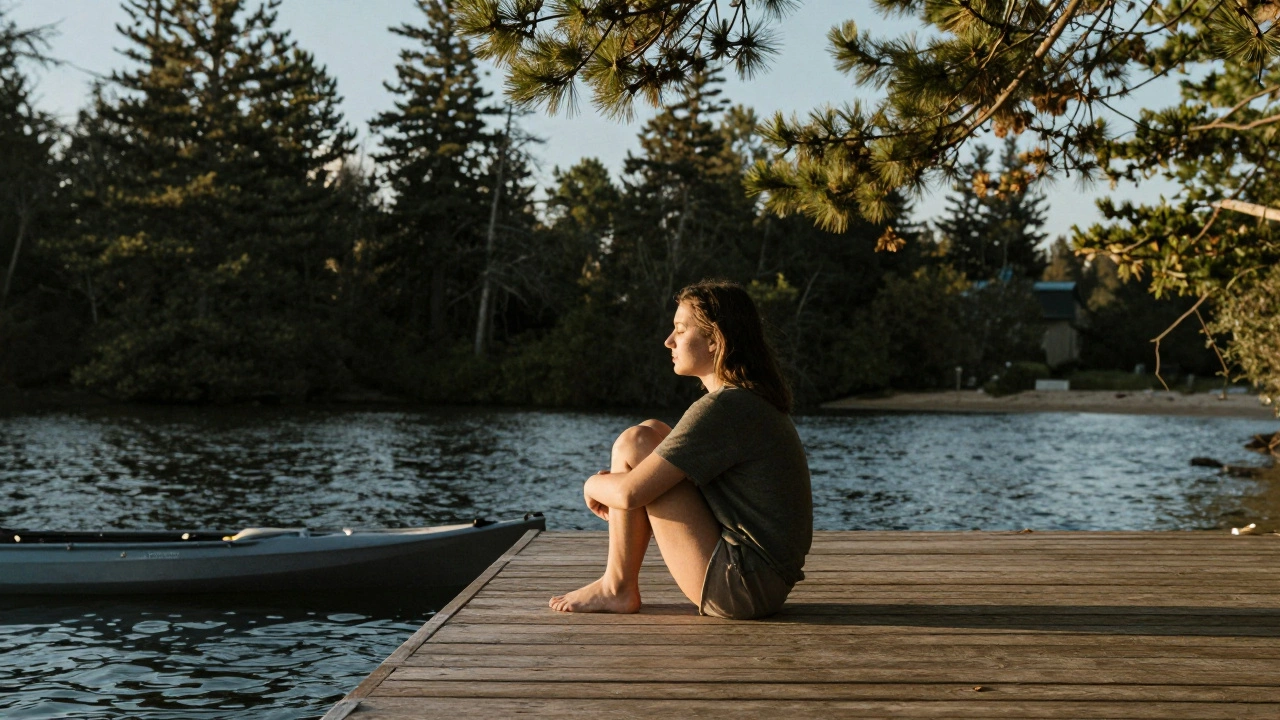
- Deep Cove - paddle a kayak alone, or just sit on the dock and watch the water ripple
These aren’t tourist spots. They’re quiet, unpolished, and real. You don’t need to hike for hours. Even 20 minutes of walking without headphones - just listening to birds, wind, or your own footsteps - can reset your nervous system.
Leave your phone behind (or at least, mostly)
This isn’t a suggestion. It’s a requirement. If you bring your phone, you’ll check it. And checking it brings you right back into the cycle of anxiety: work messages, news alerts, social comparison.Here’s what works: Put your phone on airplane mode. Leave it in your bag. Set a timer for 90 minutes. Walk. Sit. Breathe. When the timer goes off, check your phone only if you’re expecting a true emergency. Otherwise, put it back.
One woman I know - a nurse working double shifts - started doing this every Friday. She’d drive to a nearby beach, sit on a rock, and watch the tide. No music. No podcast. Just the sound of waves. After three weeks, she said her panic attacks dropped from three times a week to once a month.
Find a place where no one expects anything from you
Anxiety thrives on pressure. The pressure to perform. To be productive. To look okay. A good getaway removes that pressure entirely.Go somewhere you don’t have to talk to anyone. Don’t book a hotel with a front desk. Don’t make dinner reservations. Just find a quiet spot - a bench, a trailhead, a library reading room - and be there without a plan. No agenda. No checklist. No photos to post.
One of the most powerful things you can do is sit in a public place and do absolutely nothing. People will walk by. Cars will pass. You’ll feel weird at first. But that weirdness? It’s freedom. It’s the feeling of being unobserved, unjudged, and completely okay as you are.
Bring only what you need
Pack light. Seriously. A water bottle. A warm jacket. A notebook. A pen. That’s it. No snacks. No books. No distractions. You’re not going on vacation. You’re going on a reset.Here’s why this matters: Overpacking = overthinking. When you bring too much, your brain starts planning: "What if I get cold? What if I get hungry? What if I get bored?" That’s anxiety in disguise.
Instead, trust your body. You’ll be fine with just water and a jacket. You’ll find a bench. You’ll sit. You’ll breathe. You’ll realize you don’t need anything else.
Try the 5-4-3-2-1 grounding technique outdoors
This isn’t just a trick. It’s science. When anxiety hits, your brain gets stuck in the future - "What if I fail? What if I can’t handle this?" Grounding pulls you back into your body and your senses.Here’s how to do it outside:
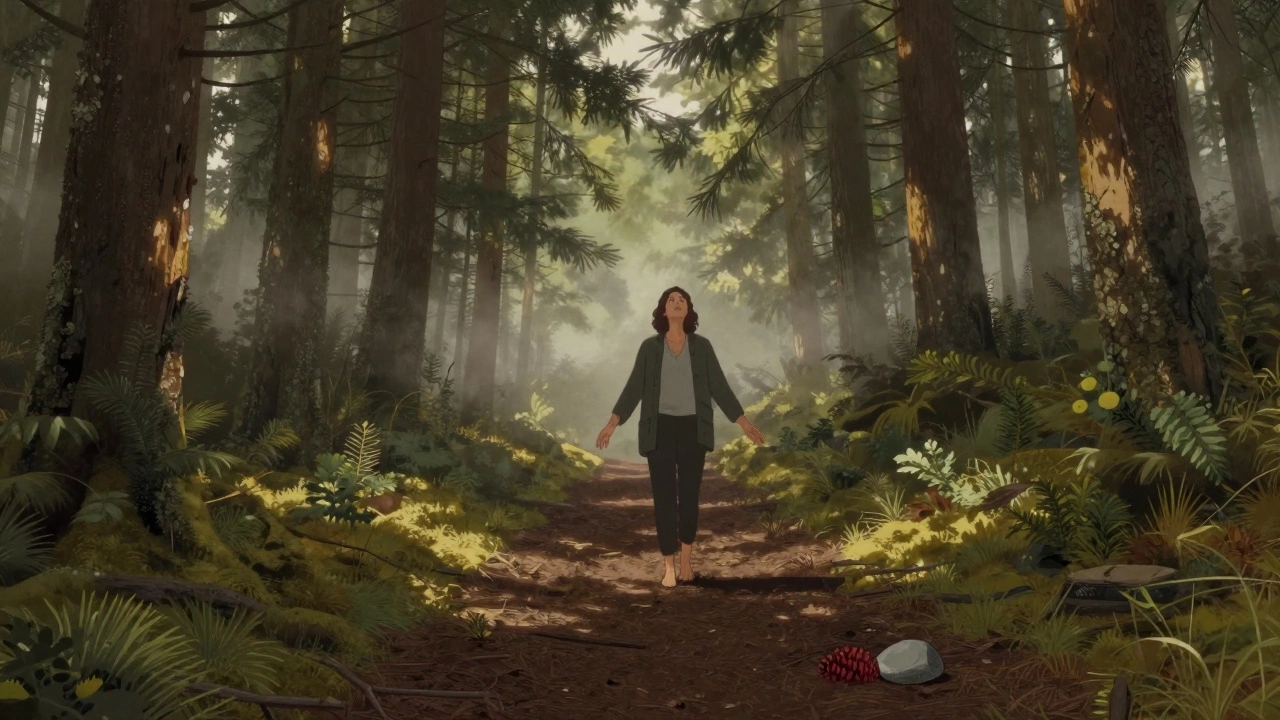
- Look around. Name five things you see. A red pinecone. A gray rock. A cloud shaped like a dog.
- Touch four things. Bark on a tree. Cold grass. Your jacket’s zipper. A smooth stone.
- Listen for three sounds. Birds. Wind. Distant traffic.
- Smell two things. Wet earth. Pine needles.
- Notice one thing you taste. The air. A sip of water.
Do this slowly. Don’t rush. Let each sense anchor you. You’ll feel calmer - not because you fixed your anxiety, but because you stopped fighting it.
Don’t force positivity
You don’t need to come back from your getaway feeling "happy" or "inspired." That’s not the goal. The goal is to feel less trapped. Less stuck. Less like your mind is a prison.It’s okay to cry on the trail. It’s okay to sit and stare at nothing. It’s okay to feel worse before you feel better. Healing doesn’t look like a sunrise photo. It looks like showing up - even when you don’t want to.
Make it a habit, not a one-time fix
One weekend getaway won’t cure anxiety. But two a month? That changes everything. Start small. Pick one Saturday a month. Drive 45 minutes. Do nothing. Come home tired, not fixed.People who do this regularly report three things:
- They sleep better
- They stop ruminating as much
- They feel more in control - not because life got easier, but because they learned how to step out of the storm.
Try it next weekend. No big plans. No Instagram posts. Just you, a car, and a quiet place to sit.
What if you can’t leave?
If you’re physically or financially stuck? Don’t wait. You can still create a mini-getaway right where you are.- Go to a public library and sit in the quiet section for an hour.
- Walk to a nearby park at sunrise and sit on a bench without your phone.
- Take a bath with no music, no screens, just the sound of water.
- Drive to the edge of town, park, and watch the sky.
You don’t need to leave your city. You just need to leave your routine.
How long should a weekend getaway last to help with anxiety?
Even 24 hours can make a difference. The key isn’t length - it’s depth. A full day without screens, obligations, or noise can reset your nervous system more than a week of half-hearted relaxation. Focus on quality of quiet, not quantity of time.
Is it better to go alone or with someone?
Alone is usually better for anxiety. Being with someone - even someone kind - can add pressure to "be okay" or keep up conversation. Going solo lets you fully tune into your own needs. If you do go with someone, make sure they understand this isn’t a social outing. Agree beforehand: no talking unless you initiate it.
What if I feel guilty taking time off?
Guilt is a sign your anxiety is trying to keep you stuck. You wouldn’t feel guilty if you were taking medicine for a physical illness. Mental health care isn’t selfish - it’s survival. Think of it like refueling a car. You don’t wait until the tank is empty. You refill before you break down.
Can I do this on a budget?
Absolutely. The most effective getaways cost nothing. A walk in a local park. A drive to a lake. Sitting in a quiet library. You don’t need to pay for a cabin or a hotel. You just need to leave your usual space - even if it’s just for a few hours.
What if I go and still feel anxious?
That’s normal. Anxiety doesn’t vanish on command. But if you show up consistently - even when you don’t feel like it - your brain starts to learn: "This place is safe. This time is mine." Over weeks, the anxiety loses its grip. Progress isn’t linear. Just keep showing up.
When anxiety is high, the world feels too loud. Too heavy. Too much. But you don’t need to fix it all at once. Just step away - even for a few hours. The quiet will find you. And in that quiet, you’ll remember: you’re not broken. You’re just tired. And tired things need rest. Not a solution. Just rest.