
What Tour Guides Should Not Do: 7 Common Mistakes That Ruin Tours
 Feb, 2 2026
Ever been on a tour where the guide seemed more interested in their own story than yours? Or worse-where you left feeling confused, rushed, or even offended? A great tour guide can make your trip unforgettable. A bad one? They can ruin it. And it’s not always about being unqualified. Sometimes, it’s about simple things they shouldn’t do-things that seem small but add up fast.
Don’t talk over your group
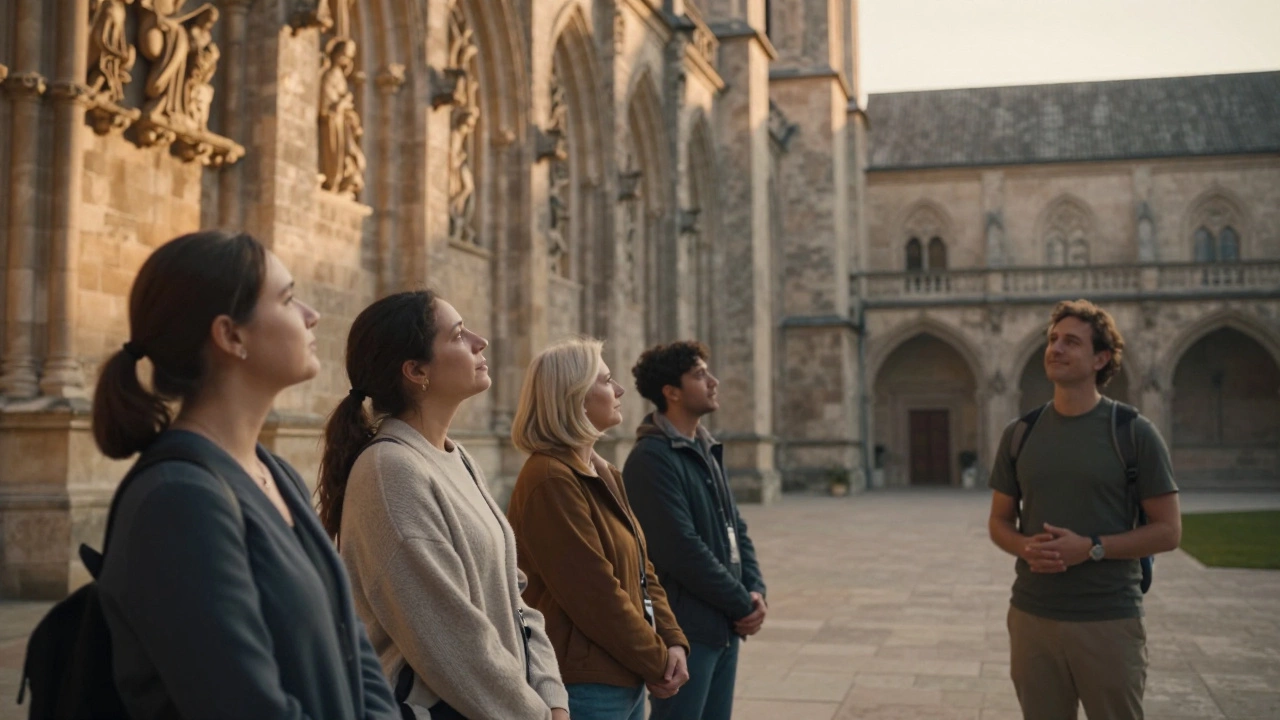
Some guides think louder equals more impressive. They bellow facts like they’re announcing a football score, drowning out the sound of birds, the rustle of leaves, or even the quiet awe of someone standing in front of a 500-year-old cathedral. Touring isn’t a podcast. It’s an experience. Silence has value. Let people take it in. If you’re talking nonstop, you’re not guiding-you’re performing. And people notice when you’re not letting them breathe.Real experts pause. They wait. They say, “Look at the carving above the door,” then step back. That’s when the magic happens. That’s when someone pulls out their phone-not to check messages, but to capture something real.
Don’t guess or make up facts
“I think this was built in the 1400s... or was it the 1500s? Something like that.”That’s not charming. It’s lazy. And it erodes trust. Tourists pay for accuracy. They want to walk away knowing something true, not a rumor dressed up as history. If you don’t know the exact date of the church’s consecration, say so. “I’m not 100% sure on the year, but I can point you to the plaque inside that has the official record.” That’s honesty. And honesty builds credibility.
Google isn’t your friend during a tour. Pulling out your phone to “look it up” mid-tour makes you look unprepared. Know your material. Study the local archives. Talk to historians. If you’re guiding in Rome, know the difference between the Pantheon’s original purpose and what it became. Don’t say “it’s a temple” if it’s been a church since 609 AD. That’s not just wrong-it’s disrespectful to the culture you’re representing.
Don’t rush people
“Okay, we’ve got five minutes here before we move on.”That’s the death sentence of a meaningful tour. People aren’t on a conveyor belt. They’re not ticking boxes. They’re trying to connect-with a place, a story, a moment. Rushing them turns wonder into stress.
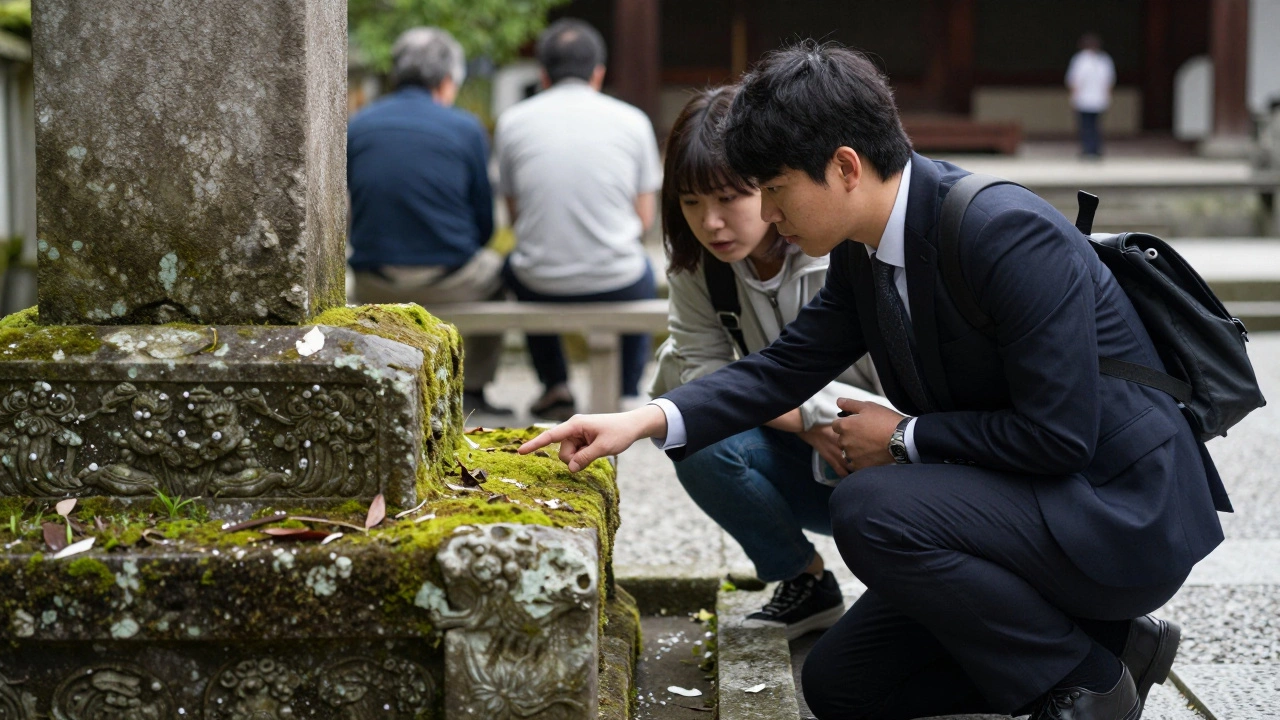
One guide in Kyoto told me, “We have 12 minutes at this temple garden.” I watched 15 people scramble for photos while the guide checked his watch. No one looked up. No one sat. No one felt anything. Five minutes later, we were on the bus. The garden? Just a blur of moss and stone.
Good guides give time. They say, “You can stay here as long as you want. We’ll meet at the gate in 20 minutes.” That’s freedom. That’s respect. And people remember it.
Don’t be negative or rude
“I hate how crowded this place is.”“This city used to be great before all the tourists came.”
“I don’t know why people come here-it’s just a bunch of old buildings.”
These aren’t opinions. They’re poison. Tour guides are ambassadors. You represent the place. You represent the people who live there. If you’re complaining about the very thing your guests came to see, you’re telling them their reason for being there is invalid.
Even if you’re tired of the crowds, even if you’ve seen the same statue 500 times-keep it professional. Find something fresh to say. Maybe it’s the way the light hits the fountain at 4 p.m. Maybe it’s the local legend about the statue’s missing finger. There’s always a way to make it interesting. Don’t be the person who makes guests feel guilty for enjoying something.
Don’t ignore questions
A tourist raises their hand: “Why is this bridge curved?”You shrug. “I don’t know. Probably for design.” Then move on.
That’s not just rude-it’s a missed opportunity. Questions are gifts. They mean someone is engaged. They’re thinking. They care.
Even if you don’t know the answer, say: “That’s a great question. I’ve never heard that one before. Let me check with the museum curator after we finish.” Then follow up. Send an email. Text a local expert. Come back the next day with the answer. That’s how you turn a casual visitor into a loyal fan.
And don’t say “I don’t know” and leave it at that. People remember when you cared enough to find out.
Don’t treat your job like a chore
You’ve done this route 87 times. You’ve said the same script in five languages. You’re tired. You just want to get to the coffee shop.That’s understandable. But your energy is contagious. If you’re bored, your group will be bored. If you’re checked out, they’ll check out too.
Great guides find new angles. Maybe today, you focus on the stories of the artisans who built the tiles. Maybe you ask the group, “What do you think this symbol means?” and let them guess. Maybe you share a personal memory-how you first visited this spot as a kid and thought the statue was a giant robot.
People don’t pay for facts. They pay for feeling. If you’re not feeling it, they won’t either.
Don’t forget the basics
It sounds obvious, but you’d be surprised how often these slip through the cracks:- Don’t show up late. Ever. People plan their day around you.
- Don’t wear flip-flops or ripped jeans on a cultural tour. Dress like you respect the place.
- Don’t eat or drink while talking. It’s distracting and unprofessional.
- Don’t use your phone for personal calls during the tour. Put it on silent. If it rings, let it go.
- Don’t assume everyone speaks English. Learn a few key phrases in the local language. “Thank you,” “Where is the bathroom?” “Can we pause for a moment?” Go the extra mile.
These aren’t rules for perfection. They’re rules for respect. And respect is the foundation of every great tour.
What makes a great tour guide?
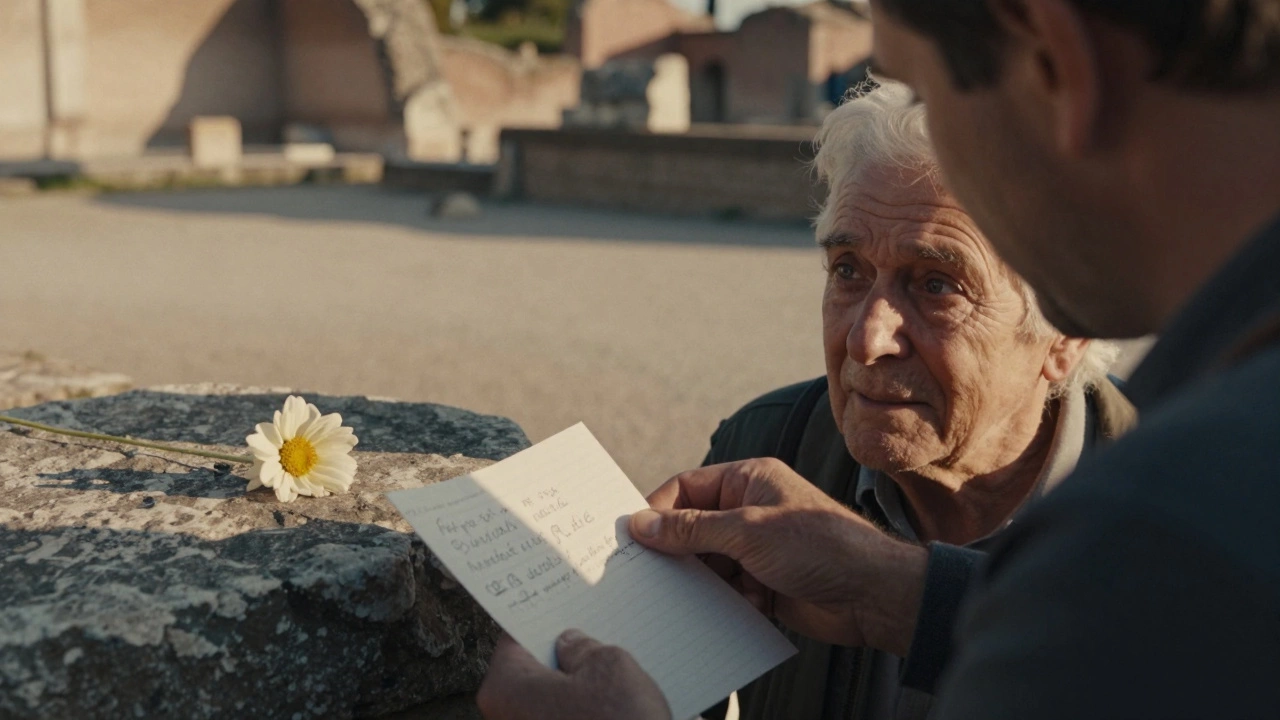
It’s not about memorizing dates. It’s not about having the loudest voice or the biggest personality. It’s about creating space-for wonder, for questions, for silence, for connection.The best guides I’ve met don’t just tell stories. They invite you into them. They notice when someone lingers too long in front of a painting. They quietly offer a tissue when someone gets emotional. They remember names. They say, “You mentioned your grandmother loved this kind of pottery-would you like me to point out the exact style she collected?”
That’s the difference between a job and a calling.
Can a tour guide be fired for bad behavior?
Yes. Many tour companies have strict codes of conduct. Repeated mistakes-like being late, giving false information, being rude to guests, or ignoring safety rules-can lead to termination. Some companies use guest feedback scores to evaluate guides. A single bad review might not hurt, but three or four in a month? That’s usually enough to trigger a review-and possibly removal from the roster.
What should I do if my tour guide is doing something wrong?
Politely speak up. Say something like, “I’m a little confused about the date you mentioned-could you clarify?” or “Could we spend a few more minutes here? I’d love to take a better photo.” Most guides will adjust. If they don’t, take notes. After the tour, send a clear, calm email to the company. Mention the guide’s name, what happened, and how it affected your experience. Companies take this seriously-especially if multiple guests report the same issue.
Are there certifications for tour guides?
Yes, in many countries. In the U.S., the National Association of Tour Guides offers certification. In Europe, cities like Rome, Paris, and London require licensed guides with exams on history, language, and ethics. Even if certification isn’t mandatory, the best guides often have training in cultural sensitivity, first aid, and public speaking. Look for guides who mention their credentials-it’s a sign they take their role seriously.
How do I find a good tour guide?
Read reviews carefully. Look for mentions of “knowledgeable,” “patient,” or “engaging.” Avoid guides with reviews saying “boring,” “rushed,” or “didn’t answer questions.” Ask for a sample itinerary. Good guides tailor their tours-they don’t use the same script for every group. If you’re booking through a company, ask if guides are trained or certified. Don’t be afraid to ask for a different guide if the first one doesn’t feel right.
Do tour guides get paid well?
It varies wildly. In popular cities, some freelance guides earn $50-$100 per tour, but many work without benefits and rely on tips. In some places, guides are paid minimum wage with no overtime. The best guides often supplement income with private bookings, writing, or leading specialty tours (like food or photography). Pay isn’t always fair, but the best ones stay because they love the work-not the paycheck.